
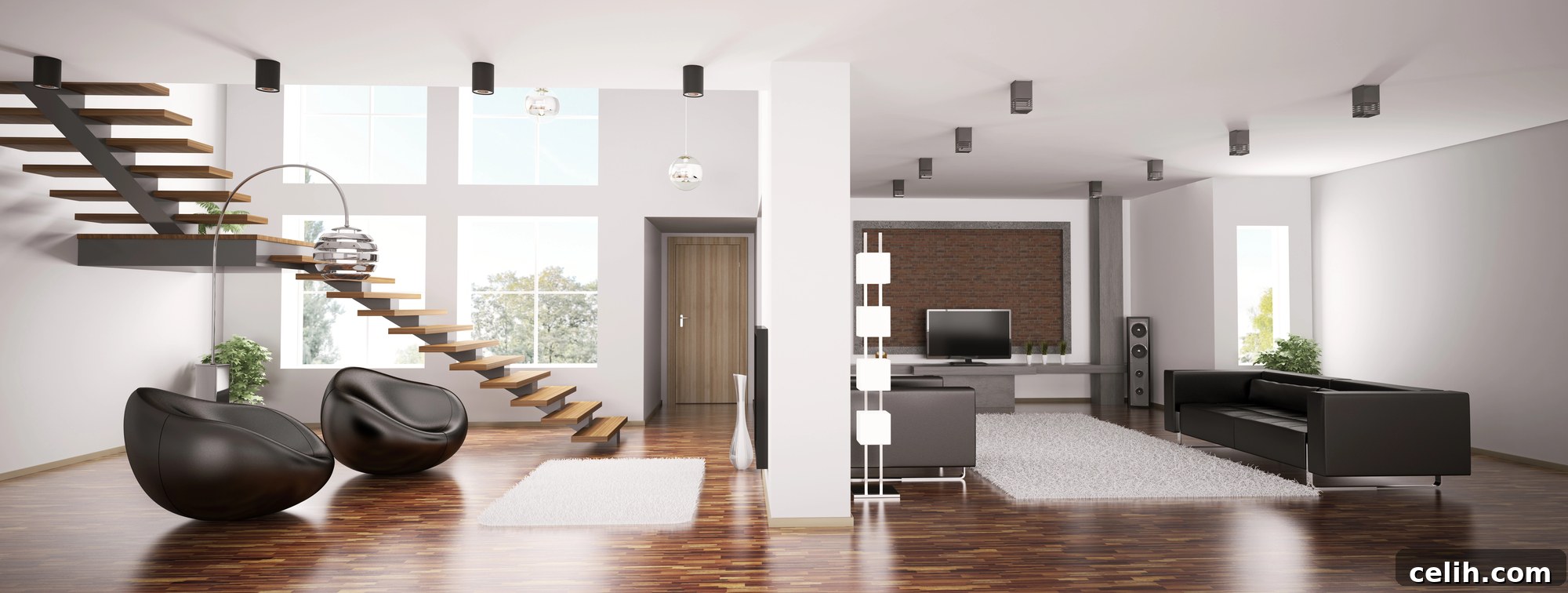
In the vibrant realm of interior design, contemporary spaces stand as a testament to the ever-evolving fusion of prevailing fashions, cultural shifts, and aesthetic preferences. Far from being a rigid style, contemporary design is a dynamic approach characterized by its embrace of clean lines, uncluttered layouts, smooth surfaces, and a meticulous integration of form and function. These environments frequently leverage innovative materials, cutting-edge technology, and forward-thinking design concepts to craft settings that are fresh, timely, and progressively aligned with modern living.
Innovation serves as the bedrock for redefining contemporary interiors. In an era marked by rapid technological advancements and shifting global paradigms, designers are continuously pushed to expand their creative horizons, exploring novel possibilities that transcend conventional boundaries. This relentless pursuit of innovation empowers them to create spaces that are not only aesthetically captivating but also supremely functional, inherently sustainable, and remarkably adaptable to the fluid demands of contemporary lifestyles.
Modern approaches to interior design encompass a rich tapestry of trends, thematic explorations, and inventive techniques that collectively shape the industry’s future. This article delves into the historical trajectory, cutting-edge methodologies, evolving consumer perspectives, and potential future pathways that define the exciting landscape of contemporary interior design.
The Dynamic Evolution of Modern Interior Design
The interior design sector has undergone a profound and evident transition towards modernity in recent years. This evolution signifies a deliberate shift away from rigid, traditional design principles, embracing instead more innovative, flexible, and forward-thinking techniques. This transformation is visible across various facets of design, from residential interiors to commercial spaces and even temporary structures like exhibition stands.
Exhibition stands, for instance, have evolved dramatically. Historically, they served as mere display structures; today, they are dynamic, immersive environments engineered to engage visitors through cutting-edge design elements and interactive experiences. This exemplifies how contemporary design principles prioritize user experience, functionality, and aesthetic appeal in even the most transient settings.
A cornerstone of modern interior design’s progression is its profound reliance on technology. Advanced tools and methodologies, powered by digital innovation, empower designers to not only envision but also meticulously implement their most imaginative goals. Groundbreaking developments in virtual reality (VR), augmented reality (AR), and sophisticated 3D modeling software allow clients to virtually walk through spaces before they are built, fostering greater collaboration and precision. Furthermore, the integration of sustainable design principles, often facilitated by technological advancements in material science and energy efficiency, is fundamentally reshaping how spaces are imagined, created, and utilized for a greener future.
Breaking Boundaries and Embracing Innovation in Contemporary Design
The essence of contemporary design lies in its relentless pursuit of pushing boundaries and exploring uncharted creative territories. Designers are constantly seeking novel and imaginative alternatives to conventional approaches, striving to craft environments that are both visually stunning and exceptionally functional. A prevalent strategy involves utilizing unconventional building materials and methods, challenging preconceived notions of what design can achieve. For example, architects and interior designers frequently integrate reclaimed and recycled materials, such as salvaged wood, industrial steel, or even upcycled plastics, to imbue their projects with a distinctive character and a strong sense of environmental responsibility. This not only results in unique aesthetics but also aligns with a global demand for more sustainable practices.
Beyond material innovation, contemporary design often plays with form, light, and spatial perception. It embraces open-plan layouts that foster connectivity, employs modular furniture for adaptability, and integrates smart technology discreetly to enhance convenience and efficiency. The goal is to create spaces that are responsive to human needs, evoke emotional resonance, and offer a sense of effortless modernity.
Iconic Examples of Successful Projects
Numerous globally recognized projects eloquently demonstrate the inventive and boundary-pushing nature of modern design. These examples often blend architecture, urban planning, and interior concepts to create truly transformative spaces:
- The High Line in New York City, USA: This celebrated urban park, transformed from an abandoned elevated railway line, exemplifies how derelict infrastructure can be repurposed into a vibrant, verdant public space. Its design seamlessly integrates natural elements with urban architecture, providing a unique pedestrian experience and a model for sustainable urban regeneration.
- The CCTV Headquarters in Beijing, China: An architectural marvel, its distinctive “褲衩” (trousers) shape challenges traditional skyscraper design. Its innovative structural engineering and unique spatial organization internally reflect a contemporary approach to corporate environments.
- The Eden Project in Cornwall, UK: A series of enormous biomes housing diverse plant life, this project is a triumph of bio-architecture and sustainable design. It creates immersive natural environments under highly controlled conditions, demonstrating the potential for integrating nature on a grand scale.
- The Tree House in Seattle, USA: While specific projects may vary, many “tree house” concepts in contemporary design represent a desire to reconnect with nature, employing sustainable construction and innovative structural solutions to create living spaces that are literally nestled within their natural surroundings, blurring the lines between indoor and outdoor.
The Consumer Perspective: Why Modern Interior Design Resonates
Modern interior design plays a pivotal role in influencing our overall well-being and productivity. Spending time in a thoughtfully planned and aesthetically pleasing environment can significantly ease tension, promote restful states, and enhance mental clarity. For instance, the strategic combination of biophilic elements—such as abundant indoor plants, ergonomic furniture, and maximized natural light—can cultivate a serene and revitalizing atmosphere. Such surroundings are proven to improve mood, reduce stress, and boost cognitive function, ultimately leading to greater productivity and a stronger sense of contentment.
Conversely, a disorganized, cluttered, or poorly designed environment can exacerbate feelings of unease and anxiety, making it challenging for occupants to concentrate and reducing their overall effectiveness. By prioritizing elements that enhance comfort, optimize functionality, and offer visual appeal, modern interior design profoundly impacts our mental and physical health, fostering a more fulfilling, productive, and harmonious way of living. It moves beyond mere aesthetics to create spaces that actively support human flourishing.
The Paramount Importance of Personalization and Customization
One of the most compelling reasons for modern interior design’s widespread appeal among consumers is its inherent ability to be customized and personalized. In stark contrast to the mass-produced, “cookie-cutter” styles of yesteryear, contemporary designs celebrate uniqueness and diversity. This allows individuals to eloquently express their distinct tastes, personalities, and life philosophies through their living spaces. Customization options are virtually limitless, empowering individuals to craft homes that truly reflect who they are and how they aspire to live. These options range from the selection of bespoke furniture pieces and curated color palettes to diverse textures and unique decorative accents.
This deep sense of identification and ownership cultivated through personalization fosters a stronger emotional bond with the home environment. It significantly heightens feelings of coziness, contentment, and belonging, transforming a mere house into a deeply personal sanctuary that resonates with the occupant’s identity.
Key Factors Influencing Consumer Choices
Several critical factors shape consumer preferences and decisions in modern interior design:
- Lifestyle and Functionality: Consumers today demand designs that seamlessly integrate with their specific lifestyle needs and preferences. This often translates to a desire for flexible, multi-functional furniture, adaptable layouts, and smart storage solutions that cater to dynamic routines, whether it’s working from home, entertaining guests, or accommodating multi-generational living.
- Sustainability and Eco-Friendliness: With a growing global awareness of environmental issues, there is an undeniable surge in demand for sustainable and eco-friendly design options. Consumers actively seek out materials that are responsibly sourced, energy-efficient, recyclable, and non-toxic. This includes everything from recycled content flooring and low-VOC paints to energy-saving appliances and passive solar design principles.
- Cost and Value: While many consumers aspire to luxurious design solutions, budget constraints remain a significant determinant in their choices. Not everyone can afford high-end designs, leading many to seek stylish yet cost-effective alternatives or to prioritize investments in key areas. Designers often work to provide value engineering, balancing aesthetic aspirations with practical financial limitations.
- Aesthetics and Style: Ultimately, the visual appeal and alignment with personal style are paramount. Consumers are drawn to designs that resonate with their aesthetic sensibilities, whether it’s minimalist, industrial chic, Scandinavian modern, or a more eclectic contemporary blend. The interplay of color, texture, light, and form must create a harmonious and inviting atmosphere.
Challenges and Future Directions in Contemporary Design
The dynamic nature of contemporary interior design presents both exciting opportunities and notable challenges.
Persistent Challenges
- Financial Constraints: Crafting high-quality, innovative, and sustainable designs often requires significant investment. Project financing can be tight, making it difficult to implement ambitious, high-end design solutions that truly push boundaries. This necessitates creative problem-solving and value engineering from designers.
- Ever-Changing Tastes and Trends: Consumer preferences are in constant flux, driven by social media, global influences, and rapidly evolving lifestyles. This ephemeral nature of trends can make it challenging for designers to create spaces that remain relevant and satisfying over time, requiring a balance between transient fashion and timeless appeal.
- Sourcing Sustainable Materials: While demand for eco-friendly options is high, consistently sourcing genuinely sustainable, ethical, and aesthetically pleasing materials at scale and within budget can be a complex logistical challenge.
- Integrating Complex Technology: As smart home technology becomes more sophisticated, seamlessly integrating it into designs without compromising aesthetics or user-friendliness requires specialized knowledge and careful planning.
Boundless Opportunities for Growth and Expansion
- Unlimited Global Markets: The internet and digital platforms have dissolved geographical barriers, allowing designers to reach a broad international client base. This advancement facilitates global collaboration and the exploration of new cultural influences and design opportunities.
- Creation of Healthier and Wellness-Focused Spaces: There is a significant and growing opportunity for designers to concentrate on creating environments that actively enhance occupants’ physical and mental well-being. This includes optimizing air quality, maximizing natural light, incorporating biophilic design, designing for acoustic comfort, and ensuring accessibility for all users.
- Adaptive Reuse and Renovation: As urban density increases, the adaptive reuse of existing structures presents a vast opportunity to transform old buildings into modern, functional, and sustainable spaces, minimizing waste and preserving cultural heritage.
- Modular and Flexible Design: The demand for versatile spaces that can adapt to changing needs (e.g., hybrid work, multi-generational living) opens avenues for modular furniture systems, movable partitions, and highly flexible interior architectures.
Anticipating the Future of Contemporary Interior Design
The future of contemporary interior design is poised for remarkable transformations:
- Hyper-Integrated Smart Environments: We can expect to see an even greater integration of advanced gadgets and smart technology. Spaces will become more intelligent and interactive, capable of autonomously adjusting lighting, temperature, security, and entertainment systems based on occupancy, preferences, and even emotional states. AI-powered systems will learn user habits to create truly personalized environments.
- Unprecedented Personalization: The advent of new AI-driven design tools and advanced manufacturing techniques will usher in an era of hyper-personalization. Designers will have unparalleled capabilities to create spaces that precisely match an individual’s unique needs, aesthetic style, and functional requirements, offering truly bespoke living experiences.
- Emphasis on Circular Economy Principles: The design process will increasingly focus on the entire lifecycle of materials and products, from ethical sourcing to end-of-life recycling and reuse. Design for disassembly and material passports will become standard, contributing to a truly circular economy within interiors.
- Biophilic Urbanism and Nature Integration: Expect a stronger push towards integrating natural elements not just within individual rooms but into entire buildings and urban landscapes. Vertical gardens, indoor forests, and enhanced natural ventilation will become common features, improving air quality and psychological well-being.
- Augmented Reality for Design and Maintenance: AR will not only revolutionize the design visualization process but also play a crucial role in space maintenance, allowing users to troubleshoot issues or plan virtual redecorations with ease.
Conclusion
Contemporary interior design is far more than a fleeting trend; it is a profound movement that continuously transforms living spaces by transcending conventional boundaries and celebrating the zenith of human creativity, invention, and resourcefulness. It is an invitation to explore a vast spectrum of aesthetic and functional possibilities, encouraging individuals to craft environments that not only enhance their daily lives but also authentically express their unique identities and aspirations.
In this exciting landscape, every room has the potential to become a narrative, telling a distinct story and reflecting a particular purpose. It is imperative that we embrace the ongoing innovation within contemporary interior design, recognizing its power to shape not just our surroundings but also our experiences, well-being, and connection to the modern world. By doing so, we unlock the true potential of our living spaces, turning them into dynamic, personalized havens that resonate with the pulse of contemporary life.