
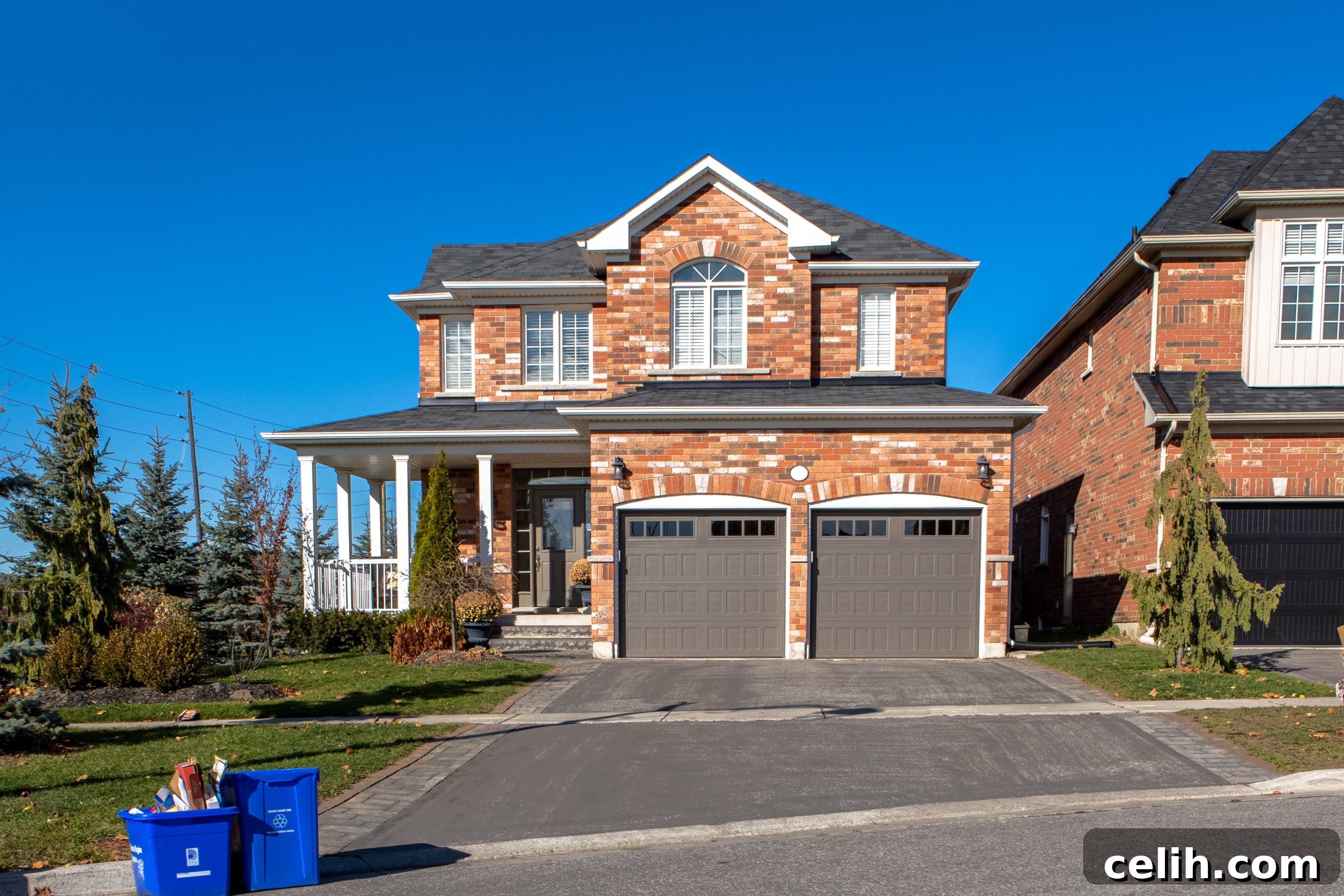
More than just a pathway for vehicles, a well-maintained driveway significantly contributes to the overall aesthetic and functional appeal of any property. It’s the first impression guests receive and a vital component of your home’s infrastructure, providing a safe and convenient space for parking and access. However, like any exterior surface, driveways are constantly exposed to the elements, heavy vehicle traffic, and the passage of time. This relentless exposure inevitably leads to signs of wear and tear, manifesting as unsightly cracks, hazardous potholes, discolouration, and general deterioration that diminish both its appearance and its utility.
The good news is that a deteriorated driveway doesn’t necessarily warrant a complete and costly replacement. Often, the most effective and economical solution is to consider professional driveway resurfacing. This process involves applying a new, durable layer over your existing driveway, revitalizing its look and strengthening its structure. Far beyond a simple cosmetic fix, resurfacing offers a multitude of advantages that enhance your property’s value, safety, and longevity. In this comprehensive guide, we will delve into the top five compelling benefits of resurfacing your driveway, explore the most popular and effective resurfacing options available, and discuss the characteristics of the best materials to ensure you make an informed decision for your home.
1. Improves Curb Appeal
Your driveway is often the first feature visitors and potential buyers notice about your home. A neglected, cracked, or faded driveway can detract significantly from your property’s overall presentation, creating an immediate negative impression. Conversely, a freshly resurfaced driveway instantly transforms this perception. It boasts a clean, smooth, and aesthetically pleasing finish that harmonizes with your landscaping and architectural style, dramatically boosting your home’s curb appeal. This visual upgrade doesn’t just make your property more inviting; it’s a strategic investment. For homeowners considering selling, a pristine driveway signals meticulous maintenance and care throughout the property, which can translate into a higher perceived value and a quicker sale. The aesthetic transformation alone makes resurfacing a worthwhile endeavour, ensuring your home stands out for all the right reasons.
2. Increases Durability
The constant assault of weather, fluctuating temperatures, heavy vehicles, and daily foot traffic takes a severe toll on driveway surfaces. Over time, this leads to structural weaknesses, including surface erosion, spalling, and deeper foundational issues if left unaddressed. Resurfacing acts as a robust protective shield, applying a new, resilient layer of material – whether it’s concrete, asphalt, or a specialized overlay – directly over the existing surface. This new layer doesn’t just cover imperfections; it reinforces the entire structure, making it far more resistant to future damage. It creates an enhanced barrier against water penetration, UV radiation, freeze-thaw cycles, and the abrasive effects of tires. By strengthening the underlying foundation and providing a superior wear layer, resurfacing significantly extends the lifespan of your driveway, often adding many years of reliable service and drastically reducing the need for frequent, costly repairs.
3. Improves Safety
Beyond aesthetics, the safety implications of a damaged driveway are paramount. Deep cracks, uneven surfaces, and large potholes are not merely eyesores; they represent significant tripping hazards for pedestrians, particularly children and the elderly. Furthermore, these imperfections can cause considerable damage to vehicles, leading to costly tire repairs, suspension issues, or even accidents. By undertaking a comprehensive driveway resurfacing project, you effectively eliminate these dangers. The process creates a uniformly smooth and level surface, restoring safe passage for both vehicles and pedestrians. A renewed surface also often provides improved traction, especially when wet, further reducing the risk of slips and falls. Investing in resurfacing is therefore an investment in the well-being of everyone who uses your driveway, preventing potential injuries and ensuring peace of mind.
4. Saves Money
One of the most compelling advantages of driveway resurfacing is its significant cost-effectiveness when compared to a complete demolition and replacement. While a full replacement involves substantial labour, material, and disposal costs, resurfacing leverages your existing driveway’s sound foundation, requiring fewer materials and less intensive labour. This translates into considerable upfront savings. Moreover, a freshly resurfaced driveway is inherently more resilient and requires significantly less ongoing maintenance than a deteriorating one. You’ll spend less on patching small cracks, filling potholes, or battling weed growth in damaged areas. Over the long term, these reduced maintenance demands and the extended lifespan of the driveway contribute to substantial financial savings, making resurfacing a smart and economical investment for any homeowner looking to manage their property expenses wisely.
5. Environmentally Friendly
In an era where environmental consciousness is paramount, choosing driveway resurfacing stands out as a remarkably eco-friendly decision. A full driveway replacement necessitates the excavation, removal, and disposal of tons of old material, which often ends up in landfills, contributing to significant waste and demanding substantial energy for transport and processing. Resurfacing, by contrast, minimizes this environmental impact by preserving the existing base structure. It extends the functional life of your current driveway, thereby reducing the amount of waste generated and the demand for new raw materials. This approach not only conserves natural resources but also reduces the carbon footprint associated with manufacturing, transporting, and installing new paving materials. Opting for resurfacing is a sustainable choice that allows homeowners to improve their property while simultaneously contributing positively to environmental preservation efforts.
Top Options For Resurfacing Your Driveway
Having understood the compelling advantages that resurfacing brings to your home, the next crucial step is to explore the diverse range of options available. Each resurfacing method offers unique aesthetic qualities, performance characteristics, and cost implications, allowing you to choose the perfect solution that aligns with your budget, desired look, and the specific needs of your existing driveway. Let’s delve into some of the most popular and effective driveway resurfacing techniques.
Concrete Overlay
Concrete overlay, also known as a concrete “skim coat” or “micro-topping,” is a highly versatile resurfacing technique where a thin layer of specialized cement-based material is applied directly over an existing concrete driveway. This advanced material is engineered to bond exceptionally well with the old surface, creating a fresh, smooth, and revitalized finish. Beyond just restoring the surface, concrete overlays can be stamped, stained, or textured to mimic a wide array of high-end materials like natural stone, brick, or even wood, offering immense design flexibility. It’s an incredibly cost-effective method for addressing minor cracks, spalling, and discoloration without the expense and disruption of a full replacement. With proper installation and diligent sealing, a concrete overlay can dramatically extend the life and aesthetic appeal of your driveway for many years.
Asphalt Resurfacing
Asphalt resurfacing, often referred to as an asphalt overlay or “paving over,” is a common and highly effective solution for driveways that have minor to moderate damage but still possess a stable base. This process involves thoroughly cleaning the existing asphalt, repairing any significant potholes or structural cracks, and then applying a new layer of hot asphalt mixture over the entire surface. The fresh layer, typically 1 to 2 inches thick, restores the driveway’s smooth, dark appearance and enhances its structural integrity. Asphalt is known for its flexibility, which makes it less prone to cracking from freeze-thaw cycles compared to rigid surfaces. It’s an ideal choice for larger driveways or those experiencing heavy vehicle traffic, offering excellent durability and a relatively quick installation process. Regular sealing is recommended to maintain its pristine condition and prolong its lifespan.
Paver Overlay
A paver overlay offers an exceptional combination of aesthetic appeal and robust functionality. This method involves installing interlocking concrete pavers directly over a stable, existing driveway surface. The installation typically includes a thin layer of bedding sand, which provides a level base for the pavers. Pavers come in an astonishing array of shapes, sizes, colors, and textures, allowing homeowners to create highly customized and visually stunning driveways that can mimic natural stone, brick, or cobblestone patterns. Beyond their beauty, paver overlays are incredibly durable and flexible; individual pavers can be easily removed and replaced if damaged, simplifying repairs. They also offer superior drainage capabilities, helping to manage stormwater runoff. For those seeking a distinctive, long-lasting, and easily maintainable driveway with significant aesthetic impact, a paver overlay is an outstanding choice.
Stamped Concrete
While often used for new concrete installations, stamped concrete can also be applied as an overlay to existing, structurally sound concrete driveways. This decorative technique involves imprinting patterns and textures onto freshly poured or overlaid concrete before it fully cures. Specialized rubber stamps are used to replicate the appearance of premium materials such as flagstone, slate, brick, wood planks, or even intricate tile designs. The process is further enhanced by incorporating integral colors, dry-shake colour hardeners, and release agents that impart realistic hues and shading variations, creating a highly customized and luxurious finish. Stamped concrete driveways offer exceptional durability, requiring minimal maintenance when properly sealed. They provide homeowners with the opportunity to achieve a high-end, bespoke look at a fraction of the cost of installing genuine stone or brick, significantly elevating the home’s exterior appeal.
Epoxy Coating
Increasingly popular for its modern aesthetic and high-performance qualities, an epoxy coating provides a robust and visually striking solution for driveway resurfacing, particularly for concrete surfaces. This method involves applying multiple layers of thermosetting polymer resins, often mixed with hardeners, over a meticulously prepared existing driveway. The resulting finish is exceptionally durable, creating a seamless, non-porous surface that is highly resistant to chemicals, oil spills, abrasions, and UV damage. Epoxy coatings are available in a vast spectrum of colours and can incorporate decorative flakes or aggregate for added texture and a non-slip finish, which significantly enhances safety. Beyond its strength, an epoxy driveway is remarkably easy to clean and maintain, resisting staining and simplifying snow removal. For homeowners desiring a sleek, contemporary, and incredibly resilient driveway that stands up to the toughest conditions, an epoxy coating is an excellent, long-lasting investment.
What Are The Best Materials For My Driveway?
Selecting the ideal material for your driveway is a pivotal decision that influences its longevity, appearance, and overall cost-effectiveness. The “best” material isn’t universal; it depends heavily on various factors, including your local climate, expected traffic volume, desired aesthetic, budget constraints, and the level of maintenance you’re willing to commit to. Each material boasts a unique set of advantages and potential drawbacks. Understanding these characteristics thoroughly is crucial whether you’re planning a brand-new installation or contemplating the most suitable resurfacing solution. Let’s delve into the top materials commonly chosen for driveways, examining their key benefits, maintenance requirements, and suitability for different home environments.
Concrete
Concreteremains one of the most widely chosen materials for driveways due to its exceptional strength, longevity, and versatility. Properly installed concrete can last for decades, enduring harsh weather conditions, extreme temperatures, and heavy vehicle loads without significant deterioration. Its inherent rigidity provides a stable, uniform surface that resists weed growth and offers easy maintenance. Beyond its robust performance, concrete offers significant aesthetic flexibility; it can be poured in various shapes, textured, stamped to mimic more expensive materials like brick or stone, and tinted with an array of colors to match your home’s exterior. While the initial installation cost might be higher than some alternatives, its long lifespan and minimal maintenance requirements often make it a highly cost-effective investment over time. Regular sealing is recommended to protect its surface and preserve its appearance.
Asphalt
Asphalt, often referred to as blacktop, is a highly popular and economical choice for driveways, particularly appreciated for its flexibility and ease of repair. Composed of aggregate stones, sand, and liquid asphalt cement, it creates a durable yet somewhat pliable surface that can withstand freeze-thaw cycles better than rigid materials, making it less prone to cracking in colder climates. Asphalt driveways are typically quicker to install than concrete ones, and their dark surface can help melt snow and ice more rapidly. While durable, asphalt does require more regular maintenance, including periodic sealing (every 2-5 years) to protect it from UV rays, water penetration, and oxidation, which can lead to fading and surface degradation. Despite this, its lower upfront cost, relatively simple repair process for potholes, and smooth driving surface make it a very practical and appealing option for many homeowners.
Gravel
Graveldriveways represent one of the most budget-friendly and natural-looking options available, appealing to those seeking a rustic aesthetic or a permeable surface. Composed of various sized loose stones, gravel offers excellent drainage, allowing rainwater to seep naturally into the ground, which can be beneficial for managing runoff and preventing standing water. However, this affordability comes with higher maintenance demands. Gravel driveways require regular raking and replenishment to keep the surface level, prevent ruts, and manage displacement from vehicle traffic. They are also susceptible to weed growth, which necessitates periodic weeding or the application of herbicides. While highly permeable, heavy rainfall can cause erosion, and in very wet climates, the stones can become messy or migrate easily. Despite these challenges, for properties with long driveways or those prioritizing cost-effectiveness and a natural look, a well-maintained gravel driveway can be a charming and functional choice.
Brick
Brick driveways, often constructed using clay pavers, exude a timeless elegance and classic charm that can significantly enhance the character and value of a home. These aesthetically pleasing surfaces offer exceptional durability and a distinctive visual appeal, available in a variety of colors, patterns, and textures. One of the key advantages of brick pavers is their individual nature; if a brick becomes damaged or stained, it can be removed and replaced without disturbing the entire driveway, simplifying repairs. Furthermore, brick driveways are inherently permeable, allowing water to drain through the gaps, which helps prevent pooling and supports sustainable water management. However, the initial cost of brick paver installation is typically higher due to the labor-intensive nature of laying each unit. Maintenance involves regular sweeping and occasional joint sand replenishment to deter weed growth between the bricks and ensure the surface remains stable and level. Despite the investment, a brick driveway offers unparalleled beauty and robust performance for decades.
Final Thoughts
In conclusion, a well-maintained driveway is not just a practical necessity; it’s a vital component of your home’s aesthetic appeal, safety, and overall value. While wear and tear are inevitable, the decision to resurface offers a smart, economical, and environmentally conscious alternative to full replacement. As we’ve explored, the benefits of driveway resurfacing are multifaceted, encompassing everything from dramatically improving curb appeal and boosting durability to enhancing safety, providing significant long-term cost savings, and making a positive environmental impact. With a diverse array of options like concrete overlays, asphalt resurfacing, paver overlays, stamped concrete, and epoxy coatings, homeowners have unprecedented flexibility to revitalize their driveways to suit their specific tastes and functional requirements. Each material and method has its unique characteristics, making the choice a personal one. Given the complexity and importance of this investment, it is always recommended to consult with experienced and reputable local driveway surfacing specialists. Their expertise can guide you through the selection process, help you understand the nuances of each material, and ensure that your driveway resurfacing project is executed flawlessly, providing lasting beauty and functionality for years to come.