
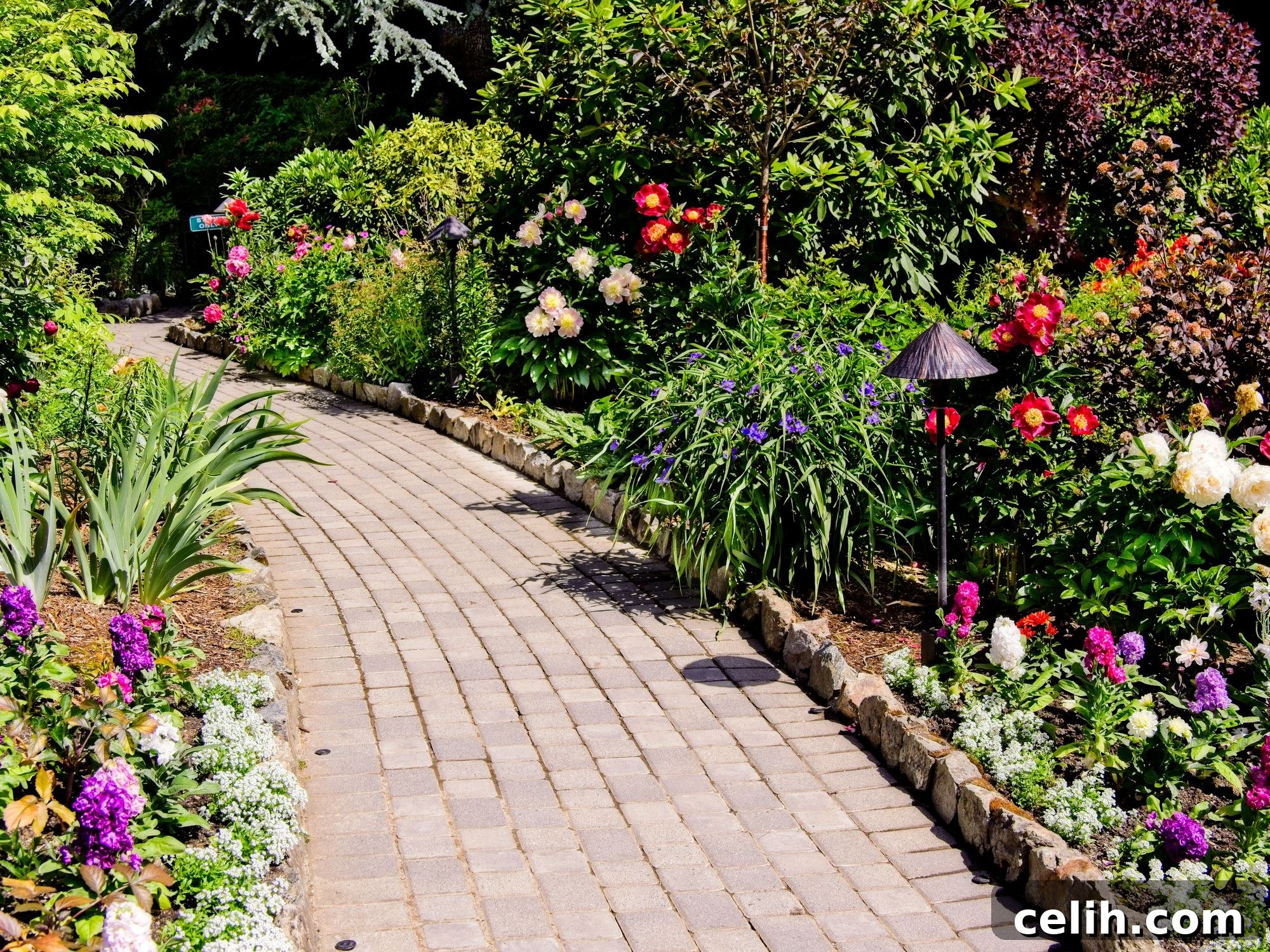
Have you ever paused to truly appreciate the intricate artistry and meticulous planning that goes into transforming an ordinary outdoor space into a breathtaking landscape? Often, the profound impact of professional landscapers is underestimated, with their role sometimes perceived as merely tending to gardens and mowing lawns. However, the truth is far more complex and demanding.
Professional landscaping transcends simple garden beautification. It is a sophisticated discipline that blends deep knowledge of horticulture, environmental science, creative design principles, and engineering expertise to craft, construct, and sustain outdoor environments. These skilled professionals are pivotal in enhancing curb appeal, increasing property value, and creating functional, inviting, and sustainable outdoor living areas for both residential and commercial properties. This article delves into the multi-faceted role of a professional landscaper, exploring the meticulous planning, intricate execution, and ongoing maintenance required to bring landscape visions to life, whether for short-term enhancements or long-term transformations.
The Art and Science of Landscape Design
The foundation of every stunning landscape begins long before a single plant is placed or a stone is laid. It starts with an intensive design phase, where professional landscapers act as visionaries and project managers, spearheading design teams to meet and exceed client expectations. This initial stage is crucial for establishing a project’s viability and success, encompassing everything from conceptualization to detailed blueprints.
Client Consultation and Vision
A professional landscaper’s first priority is to thoroughly understand the client’s aspirations, lifestyle, budget constraints, and aesthetic preferences. This involves in-depth discussions to ascertain the desired functionality of the space – perhaps an entertainment area, a tranquil retreat, a play zone for children, or a low-maintenance garden. By actively listening and offering expert advice, they translate abstract ideas into tangible concepts, ensuring the final design resonates deeply with the homeowner’s vision and seamlessly integrates with the architectural style of the building.
Comprehensive Site Analysis
Following client consultation, an exhaustive site analysis is performed. This isn’t merely a walk-through; it’s a scientific assessment of the existing environment. Key elements evaluated include:
- Soil Type and Health: Determining soil composition (clay, sand, loam), pH levels, and nutrient content is vital for selecting appropriate plant species that will thrive.
- Drainage Patterns: Identifying natural slopes, potential water accumulation zones, and existing drainage issues is critical to prevent erosion, plant root rot, and structural damage to hardscapes.
- Sunlight Exposure: Mapping how sunlight falls across the area throughout the day and across seasons dictates optimal placement for sun-loving and shade-loving plants, as well as seating areas and outdoor structures.
- Existing Features: Assessing current trees, shrubs, hardscaping elements, and any other permanent structures helps in integrating them into the new design or planning for their removal.
- Topography and Slope: Understanding the land’s contours influences grading plans, retaining wall requirements, and accessibility.
- Local Climate and Microclimates: Considering regional weather patterns, including frost dates, average rainfall, and wind exposure, ensures the selection of resilient and climate-appropriate flora.
- Neighborhood Context: Evaluating the surrounding environment helps create a landscape that complements the overall aesthetic of the community while maintaining individuality.
This meticulous surveying process provides a holistic understanding of the site’s unique characteristics and limitations, forming the bedrock upon which a sustainable and functional design can be built.
Crafting the Design Blueprint
With all data gathered, landscapers proceed to develop detailed plans and designs. This involves:
- Conceptual Sketches and Mood Boards: Initial hand-drawn sketches and digital renderings help visualize the layout of flower beds, walkways, patios, water features, and lighting. Mood boards, incorporating images of materials, colors, and plant palettes, further refine the aesthetic direction.
- Plant Selection: Leveraging extensive horticultural knowledge, landscapers advise homeowners on plant species that will not only flourish in the specific soil and climate conditions but also align with the client’s maintenance preferences and desired aesthetic. They consider factors like mature size, bloom time, foliage texture, and seasonal interest.
- Hardscape Elements: Decisions are made regarding the materials and placement of pathways, driveways, retaining walls, pergolas, decks, and outdoor kitchens. The choice of materials – from natural stone and interlocking pavers to composite decking – impacts both the look and longevity of these features.
- Water Features and Irrigation: Integrating ponds, fountains, or streams requires careful planning for water flow, filtration, and energy efficiency. Similarly, efficient irrigation systems, such as drip lines or smart sprinkler systems, are designed to ensure optimal water delivery to plants while conserving resources.
- Lighting Schemes: Thoughtful outdoor lighting enhances safety, extends the usability of the space into the evening, and highlights key landscape features. Landscapers design lighting plans that include ambient, accent, and task lighting.
- Permits and Regulations: For larger projects involving significant earthworks, structures, or changes to drainage, landscapers navigate local zoning laws and secure necessary permits, ensuring compliance with all regulatory requirements.
The culmination of this phase is a comprehensive landscape plan, often presented as detailed blueprints or 3D models, providing a clear roadmap for the installation process.
Bringing the Vision to Life: Landscape Installation
Once the design is finalized and approved, the labor-intensive installation phase begins. This stage requires significant physical effort, technical skill, and meticulous project management to transform the design plans into a tangible reality. It involves a coordinated effort of various trades, all orchestrated by the professional landscaper.
Ground Preparation and Earthworks
The first step in installation is thorough ground preparation. This involves:
- Site Clearing: Removing any existing debris, weeds, unwanted vegetation, and old structures.
- Soil Modification: Amending the soil with compost, organic matter, and other conditioners to improve its structure, fertility, and drainage capabilities, tailored to the specific needs of the chosen plants.
- Grading and Drainage: Essential for preventing water stagnation and ensuring proper water flow away from structures and key landscape areas. This might involve creating gentle slopes, installing French drains, or incorporating permeable paving solutions to manage stormwater effectively. Proper grading is critical for the long-term health of the landscape and the integrity of hardscape elements.
This foundational work ensures a healthy and stable base for all subsequent installations, directly impacting the longevity and success of the landscape.
Hardscaping: Foundations of Function and Beauty
Hardscape elements are the non-living structural components of a landscape, providing functionality, definition, and aesthetic appeal. Professional landscapers expertly install these features:
- Walkways and Patios: Constructing durable and aesthetically pleasing pathways, steps, and outdoor living spaces using a variety of materials such as interlocking pavers, natural stone, concrete, or permeable surfaces. This requires precise measurement, leveling, and base preparation to ensure stability and longevity.
- Retaining Walls: Building structural walls to manage slopes, prevent erosion, create terraced gardens, or define raised beds. These demand engineering knowledge to ensure stability and proper drainage behind the wall.
- Garden Edges: Installing borders that define beds, pathways, and lawns, using materials like metal, stone, brick, or composite lumber, which contribute to a neat and finished appearance.
- Fences and Gates: Constructing or installing privacy screens, decorative fences, and gates that enhance security, define boundaries, and complement the overall design.
- Outdoor Kitchens and Fire Pits: Integrating complex outdoor living amenities, requiring coordination with plumbers, electricians, and specialized contractors to ensure safety and functionality.
The quality of hardscape installation is paramount, as these elements form the backbone of the landscape and are often the most significant investment.
Softscaping: The Living Elements
Softscaping involves the selection and installation of all living elements, bringing color, texture, and life to the landscape. This phase requires horticultural expertise:
- Planting: Strategically placing trees, shrubs, perennials, annuals, and groundcovers according to the design plan. This includes proper digging, planting techniques, and initial watering to ensure plant establishment.
- Lawn Installation: Preparing the soil for and installing sod or hydroseeding to create vibrant, healthy lawns.
- Garden Beds: Creating and amending planting beds, ensuring proper spacing and grouping of plants for optimal growth and visual impact.
- Mulching: Applying organic mulches to planting beds to conserve moisture, suppress weeds, regulate soil temperature, and add a finished look.
The careful integration of softscape elements transforms the structural layout into a dynamic, evolving ecosystem.
Integrating Essential Systems: Irrigation and Lighting
To maximize the usability and sustainability of a landscape, professional landscapers install critical support systems:
- Irrigation Systems: Setting up efficient watering solutions such as drip irrigation for beds, pop-up sprinklers for lawns, and smart controllers that adjust watering schedules based on weather conditions. Proper design minimizes water waste and ensures every plant receives adequate moisture.
- Outdoor Lighting: Installing low-voltage landscape lighting to illuminate pathways, highlight architectural features, accentuate plantings, and enhance safety and ambiance during evening hours. This involves trenching, wiring, and fixture placement to create desired effects.
- Water Features: Integrating pumps, filters, and liners for ponds, waterfalls, and fountains, ensuring they function effectively and maintain water quality.
These systems not only beautify the space but also increase its functionality, sustainability, and overall enjoyment.
Sustaining Beauty and Functionality: Ongoing Maintenance and Technical Expertise
Even the most meticulously designed and installed landscape requires ongoing care to maintain its beauty, health, and functionality. This is where the long-term value of professional landscapers truly shines, offering not just routine upkeep but also advanced technical expertise.
Horticultural Care and Plant Health
Beyond basic mowing and trimming, professional landscapers provide comprehensive horticultural care:
- Seasonal Pruning: Expertly pruning trees and shrubs to promote healthy growth, enhance flowering, maintain desired shapes, and remove dead or diseased branches.
- Weed Management: Implementing strategies to control weeds through mulching, hand-weeding, and targeted herbicide application when necessary, keeping planting beds immaculate.
- Fertilization: Applying appropriate fertilizers based on soil tests and plant needs to ensure robust growth and vibrant foliage.
- Pest and Disease Monitoring: Regularly inspecting plants for signs of pests or diseases and applying environmentally responsible treatments to prevent widespread infestations.
- Irrigation System Maintenance: Adjusting and repairing sprinkler heads, checking for leaks, and winterizing/springizing systems to ensure efficient water delivery throughout the year.
This proactive approach ensures the landscape remains lush and healthy, adapting to seasonal changes.
Advanced Pest and Disease Management
Professional landscapers are trained in Integrated Pest Management (IPM) strategies, which prioritize sustainable and eco-friendly solutions. They identify common pests and plant diseases, implement preventative measures, and apply safe and effective treatments from invasive intruders, especially during vulnerable seasons. This expertise is crucial for maintaining the long-term health and aesthetic appeal of the garden without relying solely on harsh chemicals.
Soil Science and Environmental Stewardship
A deep understanding of soil science is fundamental to a landscaper’s role. They continuously monitor and adjust soil conditions, knowing how different soil types, nutrient levels, and pH affect plant growth. They implement strategies for:
- Soil Amendments: Adding specific composts, minerals, or organic matter to optimize soil structure, water retention, and nutrient availability.
- Water Conservation: Employing drought-tolerant plant selections, efficient irrigation techniques, and permeable surfaces to minimize water usage and promote responsible environmental practices.
- Erosion Control: Implementing solutions like groundcovers, retaining walls, and proper grading to prevent soil loss and maintain landscape integrity.
Their commitment to environmental stewardship ensures landscapes are not only beautiful but also sustainable and ecologically sound.
Project Management and Quality Assurance
Beyond the physical tasks, professional landscapers often oversee complex projects, ensuring quality controls are met and that the work adheres to design specifications and safety requirements. They are adept at:
- Budget Management: Helping clients select plants and materials that fit their financial plan without compromising on quality or design integrity.
- Regulatory Compliance: Ensuring all work meets local building codes, environmental regulations, and industry standards.
- Contractor Coordination: Managing various sub-contractors (e.g., electricians, plumbers, masons) to ensure seamless project execution.
- Quality Inspection: Performing regular checks throughout the project lifecycle to guarantee the highest standards of workmanship and material use.
This comprehensive oversight provides clients with peace of mind and guarantees a professional outcome.
The Enduring Value of Professional Landscaping
The importance of professional landscapers cannot be overstated, whether you are embarking on a new home build, renovating an existing property, or simply aiming to maintain the pristine aesthetics of your outdoor spaces. Many homeowners might initially believe that gardening tasks can be easily managed during weekends or holidays. However, the depth of expertise, strategic planning, physical labor, and ongoing commitment required for truly exceptional and sustainable landscaping extends far beyond mere hobby-level gardening.
Engaging a professional landscaper is an investment in your property’s future, enhancing not only its visual appeal but also its functionality, environmental health, and market value. A well-designed and meticulously maintained landscape provides a serene retreat, an inviting space for entertaining, and a significant boost to curb appeal. It can also contribute to energy efficiency by providing shade and reducing ambient temperatures, improve air quality, and support local biodiversity.
Before committing to a landscaper, it is crucial to perform thorough due diligence. This includes reviewing their portfolio of past projects, checking online reviews and testimonials, requesting references, and most importantly, confirming that they are licensed, insured, and reputable to operate within your specific locale. A professional landscaper offers unparalleled value, transforming outdoor areas into vibrant, living extensions of your home that can be enjoyed for years to come.