
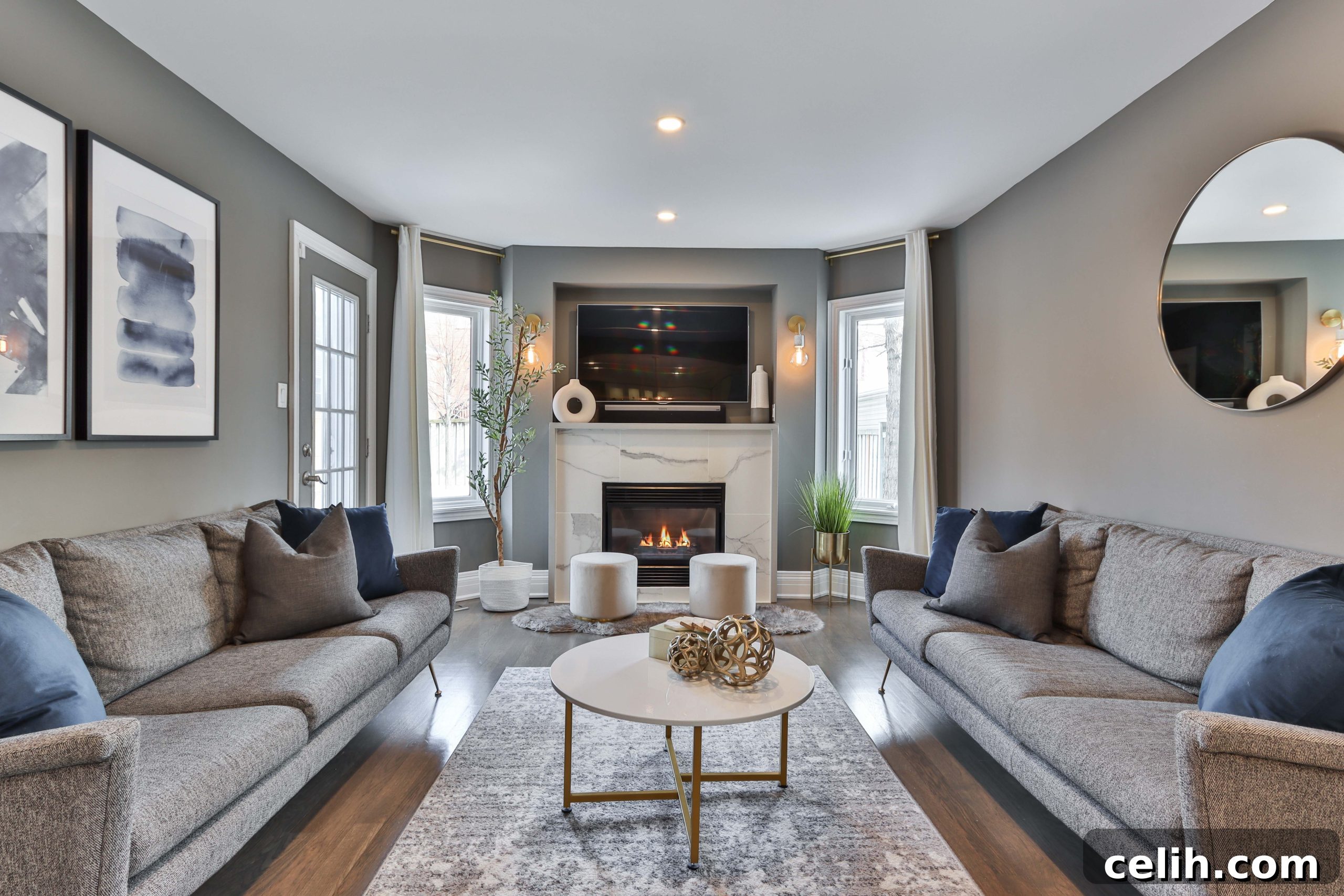
Embarking on a home remodeling journey is an exciting yet monumental undertaking. It’s a process that demands meticulous planning, a prudent financial strategy, and a comprehensive understanding of every step involved. While the prospect of a home remodel can initially feel daunting, approaching it with informed decisions can transform it into a rewarding experience. By carefully considering all the intricate aspects, you can ensure the final outcome is not only highly functional and aesthetically pleasing but also a true reflection of your vision and lifestyle. This comprehensive guide outlines the ten essential considerations for a successful and stress-free home remodeling project.
1. Establish a Realistic and Comprehensive Budget
The financial framework is arguably the cornerstone of any successful home remodeling project. Before any hammers swing or plans are finalized, it’s imperative to establish a realistic and comprehensive budget. This isn’t merely about allocating funds for visible expenses like materials and labor; it’s about anticipating and accounting for every potential cost. Start by detailing expected expenses for core components, then critically assess potential hidden costs. These often include permits, architectural and engineering fees, waste removal, temporary living arrangements, and unforeseen structural issues that might surface once walls are opened. A crucial element of effective budget planning is incorporating a contingency fund, typically 10-20% of the total project cost, to absorb unexpected expenses without derailing your entire project. Research average costs for similar renovations in your area and consult with contractors to get detailed quotes. Explore various financing options, from personal savings and home equity loans to renovation mortgages, ensuring you choose a method that aligns with your financial comfort and long-term goals. A well-defined budget acts as your roadmap, guiding every decision and preventing costly overruns, ultimately ensuring your dream home renovation remains financially viable and stress-free.
2. Optimize Your Home’s Layout and Functionality
Beyond aesthetic upgrades, a remodel presents a unique opportunity to enhance the fundamental layout and functionality of your home. Before committing to any changes, thoroughly consider how the proposed alterations will impact the overall flow, utility, and comfort of your living spaces. Think beyond individual rooms and envision your home as a cohesive whole. Are you looking to create more open-concept areas, improve the connection between indoor and outdoor spaces, or perhaps add a new bedroom or home office? Each change must integrate seamlessly with the existing structure and improve the user experience. Pay close attention to traffic patterns and pathways; an optimized layout should facilitate easy movement throughout the house, avoiding bottlenecks or awkward routes. Consider how your family uses each space on a daily basis and how a new layout could better support those activities. Will a kitchen island improve workflow? Will relocating a wall create a more spacious dining area? Consulting with a professional architect or interior designer is highly recommended at this stage. They can provide invaluable insights into space planning, structural possibilities, and innovative solutions, helping you visualize and refine your upgraded floor plan to maximize both beauty and practicality. Their expertise ensures that your remodeled layout is not just visually appealing but also serves your lifestyle effectively for years to come.
3. Strategize Your Remodeling Timeline
The timeline for your home remodel is as critical as your budget and requires meticulous planning to avoid frustration and unnecessary delays. A well-structured schedule ensures the project progresses smoothly, minimizes disruption to your daily life, and helps keep costs in check. Begin by setting a realistic start and completion date, then break down the entire project into manageable phases, allocating specific timeframes for each. Factors like permit acquisition, material lead times, contractor availability, and even weather conditions can significantly impact the schedule, so it’s essential to factor in potential delays. For instance, custom cabinetry or specialized fixtures might have longer delivery windows than standard items. Consider the seasonality of your project; exterior work might be best done in milder weather, while interior renovations could proceed year-round. Effective project management involves regular communication with your contractor to track progress, anticipate roadblocks, and make timely decisions. Understanding the duration of each task, from demolition and framing to plumbing, electrical, finishing, and final inspections, allows for a more accurate overall estimate. A clear timeline helps manage expectations, facilitates coordination among different trades, and ensures that your home renovation project stays on track, culminating in a timely and successful transformation of your living space.
4. Define Your Home’s Aesthetic Design and Style
The design aspect of your home remodel is where your personal vision truly comes to life. It’s essential to define a cohesive aesthetic that reflects your desired style, enhances the existing architecture, and creates an inviting atmosphere. Whether you envision a modern minimalist sanctuary, a cozy farmhouse retreat, a timeless traditional abode, or a vibrant bohemian space, every design choice should contribute to the overall narrative. Start by gathering inspiration from magazines, design blogs, and showrooms to identify styles, color palettes, textures, and architectural details that resonate with you. Think about how the design elements will flow from one room to another, creating a harmonious and unified feel throughout your home. Consider the longevity of your chosen style; while embracing current trends can be exciting, incorporating classic elements can ensure your home remains stylish for years to come, potentially increasing its resale value. For instance, the evolution of interior design continually sees shifts, from traditional, ornate fixtures to sleek, contemporary designs that prioritize clean lines and functionality. Every detail, from the selection of paint colors and flooring to fixtures and hardware, contributes to the overall ambiance. Collaborating with an interior designer can be invaluable, as they can help translate your ideas into a practical design plan, offering creative solutions and ensuring that every element aligns with your desired aesthetic and functional needs, crafting a space that truly feels like home.
5. Master the Art of Lighting Design
Lighting is a powerful design element that profoundly impacts the mood, functionality, and perceived spaciousness of any room. A thoughtful lighting plan is crucial for a successful home remodel, transcending mere illumination to become an integral part of your home’s character. Prioritize maximizing natural light wherever possible through strategic window placements, skylights, or lighter color palettes. For artificial lighting, embrace a layered approach, incorporating three key types: ambient, task, and accent lighting. Ambient lighting provides overall illumination, task lighting focuses on specific work areas (like kitchen countertops or reading nooks), and accent lighting highlights architectural features or artwork. Consider incorporating dimmers to allow for adjustable lighting levels, creating different atmospheres for various activities, from vibrant social gatherings to cozy evenings. Energy efficiency is also paramount; opt for LED bulbs and smart lighting systems that offer superior energy savings and customizable control. The style of your light fixtures should complement the overall design of the room, acting as both functional elements and decorative accents. From recessed lighting that offers a clean, modern look to statement chandeliers that serve as focal points, the right lighting choices can transform a space, making it feel brighter, warmer, and more inviting, thereby enhancing both its aesthetic appeal and practical utility.
6. Consult Experts for Structural Changes
Any home remodel involving structural changes, such as removing a load-bearing wall, adding an extension, or altering the roofline, necessitates the expertise of qualified professionals. Attempting major structural modifications without proper guidance can lead to severe safety hazards, compromised structural integrity, and costly repairs in the future. It is paramount to consult with a licensed architect and a structural engineer early in the planning phase. These experts will assess your home’s existing structure, evaluate the feasibility of your proposed changes, and design solutions that are both safe and compliant with local building codes and regulations. They will determine if walls are load-bearing, recommend appropriate support systems (like steel beams or reinforced headers), and provide detailed plans that contractors can follow. Obtaining the necessary permits for structural work is also a non-negotiable step; failure to do so can result in fines, forced removal of work, or difficulties when selling your home. Beyond safety, structural changes can significantly impact your property’s value and insurance. Investing in professional advice ensures that your home remains structurally sound, safe for its occupants, and that your renovation project adheres to all legal requirements, providing peace of mind and protecting your investment.
7. Prioritize Plumbing and Electrical Systems
The plumbing and electrical systems are the unseen yet critical arteries and veins of your home, and their proper functioning is essential for safety, comfort, and efficiency. During a remodel, especially in kitchens and bathrooms, these systems often require significant alterations. It is non-negotiable to hire only licensed and experienced plumbers and electricians for this work. Substandard work can lead to dangerous and expensive problems, such as water leaks, mold growth, electrical fires, or persistent system failures. Ensure your chosen professionals are well-versed in the latest building codes and safety regulations specific to your region. A modern remodel also offers an opportunity to upgrade outdated systems, replace inefficient wiring, or install new circuits to support contemporary appliances and smart home technology. Consider future needs, such as capacity for additional outlets, dedicated circuits for high-power appliances, or even pre-wiring for smart home integration. For plumbing, this could involve upgrading to more water-efficient fixtures, rerouting pipes for a new layout, or replacing old, corroded pipes. Proper installation of these critical systems ensures not only the immediate functionality of your new spaces but also the long-term safety, efficiency, and comfort of your entire home, preventing costly repairs and enhancing the overall value of your renovation.
8. Select Quality and Appropriate Materials
The materials you choose for your home remodel will significantly influence the aesthetics, durability, maintenance requirements, and overall cost of your project. Material selection is a crucial decision that balances visual appeal with practicality and longevity. Research extensively to understand the properties, benefits, and drawbacks of various options for different applications. For flooring, consider hardwood for timeless elegance, tile for moisture resistance in bathrooms and kitchens, or luxury vinyl for durability and versatility. Countertops offer a vast array of choices, from granite and quartz for high durability to butcher block for warmth and character. When selecting paints, consider factors like washability, finish, and eco-friendliness. Beyond the main surfaces, think about cabinetry, fixtures, hardware, and insulation. Prioritize quality materials that can withstand the wear and tear of daily life and are suited to their specific purpose. For example, outdoor materials must endure varying weather conditions, while bathroom materials need to resist moisture. Explore sustainable and locally sourced options to reduce environmental impact and support local economies. While budget is always a factor, sometimes a higher upfront investment in quality materials can save money in the long run by reducing maintenance and replacement costs. Your material choices are fundamental to achieving the desired look and feel of your remodeled home, ensuring it not only looks fantastic but also performs exceptionally for many years.
9. Integrate Thoughtful Landscaping and Exterior Design
A comprehensive home remodel extends beyond the interior walls; it encompasses the entire property, including the landscaping and exterior design. The outdoor spaces are your home’s first impression and an integral part of its overall charm and functionality. When planning your renovation, consider how new trees, shrubs, flower beds, and hardscaping elements like patios or walkways will complement the architectural style of your home and enhance its curb appeal. Think about the long-term vision: how will plants look when mature? Will they provide shade, privacy, or aesthetic interest? It’s vital to research native species that thrive in your climate, require less water, and are low maintenance. Additionally, assess potential issues such as root systems too close to the foundation, which can cause structural damage, or the presence of invasive plant species that can harm local ecosystems. Consider outdoor living areas: do you want a new deck, a fire pit, or a functional vegetable garden? Proper drainage is also paramount to protect your home’s foundation from water damage. Incorporate exterior lighting for safety, ambiance, and to highlight key features. Thoughtful landscaping not only elevates your home’s aesthetic appeal but also creates inviting outdoor spaces for relaxation and entertainment, significantly boosting your property’s overall value and enjoyment. It’s the finishing touch that beautifully integrates your renovated interior with its surroundings.
10. Perfect the Finishing Touches and Decor
Once the major construction is complete, the final layer of your home remodel comes to life through the finishing touches and decor. These elements are what truly infuse your personality into the space, transforming a mere structure into a warm, inviting, and unique home. This stage involves thoughtfully selecting artwork, furniture, textiles, and decorative accents that complement your chosen design aesthetic and create a cohesive narrative throughout your dwelling. Consider the functionality of your furniture choices – they should be comfortable, proportionate to the room size, and reflect your lifestyle. Play with textures through rugs, throws, and curtains to add depth and warmth. Choose a color palette that flows harmoniously from room to room, using accent colors to introduce pops of visual interest. Artwork and personal photographs can tell your story and make a house feel like a home. Don’t overlook the power of plants to bring life and freshness into indoor spaces. Think about how lighting fixtures, mirrors, and carefully chosen accessories can enhance specific areas. Take your time during this phase, experimenting with different arrangements and pieces until each room feels complete, balanced, and authentically yours. The finishing touches are not just about filling space; they are about curating an environment that evokes joy, comfort, and pride, allowing you to fully enjoy your beautifully renovated home for years to come.
Successfully remodeling your home is an intricate process, but by diligently following these ten essential steps, you can navigate it with confidence and achieve remarkable results. From establishing a robust budget and optimizing your layout to making informed design choices, selecting quality materials, and integrating thoughtful landscaping and finishing touches, each consideration plays a vital role. Proactive planning, meticulous attention to detail, and collaboration with skilled professionals are the keys to transforming your vision into a reality. By taking the necessary steps to ensure your remodel is executed correctly, you’ll create a functional, stylish, and deeply personal space that you will cherish and be proud of for decades.