
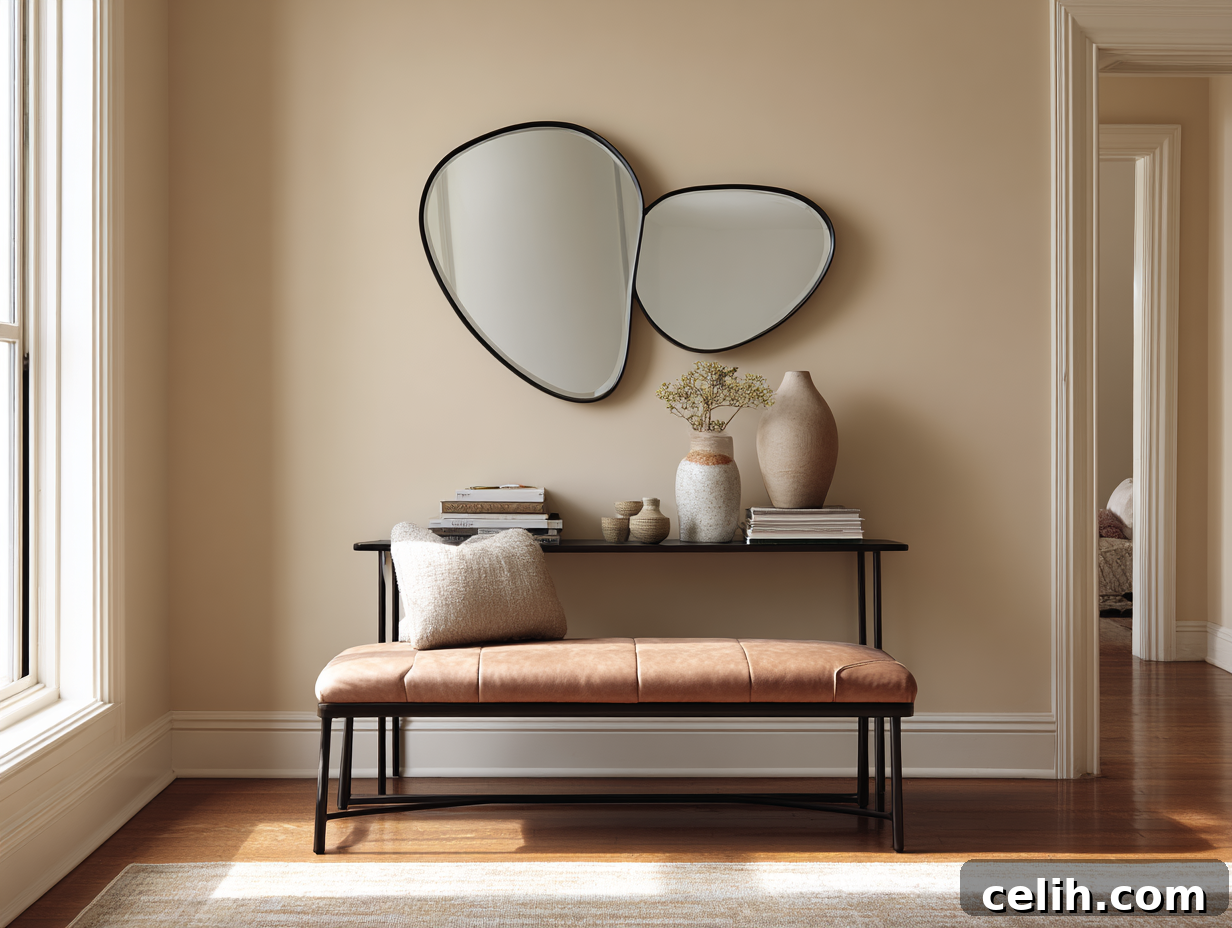
In the world of interior design, often it’s the subtle details that create the most profound impact. Among these, bevelled glass stands out as a timeless feature that quietly elevates any space. With its distinctive angled, light-catching edges, this elegant design element introduces immediate sophistication and a captivating sparkle to everyday fixtures. Imagine a hallway mirror that shimmers with new depth, a cabinet door that feels instantly more luxurious, or a glass panel in your front door that welcomes natural light with an enhanced glow. Bevelled glass is that refined touch, adding character and brilliance without demanding overt attention. This comprehensive guide will delve into the essence of bevelled glass, explore its myriad applications throughout your home, and illuminate why it remains an invaluable consideration for anyone planning a renovation or simply seeking to infuse their interiors with an extra layer of elegance and visual interest.
What Is Bevelled Glass? Unveiling Its Unique Charm
At its core, bevelled glass refers to glass panels that have undergone a specific cutting and polishing process along their edges. Instead of a standard flat, sharp cut, the glass edge is meticulously ground at an angle, creating a distinctive, sloped facet. This subtle incline then catches and refracts light in a way that flat glass cannot, producing a captivating prismatic, crystal-like effect. It’s a small, precise alteration that transforms ordinary glass into a decorative element, adding unparalleled elegance, luminosity, and perceived depth to any surface. From elegant mirrors and sophisticated cabinet doors to internal windows and intricate decorative panels, the presence of a bevelled edge instantly elevates the aesthetic, making the glass appear thicker, richer, and more luxurious.
Why Homeowners Are Captivated by Bevelled Glass
For discerning homeowners, bevelled glass is far more than just a pretty detail; it’s a strategic design choice that enhances both the beauty and functionality of everyday features. That precisely sloped edge doesn’t just contribute to a visually stunning aesthetic; it offers several practical advantages. It subtly disguises minor imperfections, reduces the visibility of fingerprints along the edge, and imbues any room with a soft, inviting gleam. This quality makes spaces feel more refined and polished.
Beyond its inherent beauty, bevelled glass has a remarkable ability to influence the perception of space. Strategically placed, it can ingeniously make smaller rooms feel larger and more open. Its reflective properties increase the diffusion of natural and artificial light, creating a brighter, airier atmosphere. The subtle shimmer and sparkle it imparts catch the eye without being overly ostentatious, drawing attention to elegant architectural lines and bespoke furnishings. Whether you’re undertaking a meticulous restoration of a historic period home or seeking to inject a touch of sophisticated sparkle into a sleek, modern interior, bevelled glass remains a remarkably versatile and timeless design detail that seamlessly complements a wide spectrum of interior styles, making it a favorite among designers and homeowners alike.
Exploring Styles and Customization Options for Bevelled Glass
While the most familiar form of bevelled glass features a clean, slim angled edge, typically ranging from 12mm to 25mm in width, running along the perimeter of a panel, the design possibilities extend far beyond this classic look. The world of bevelled glass offers a rich tapestry of styles and customization opportunities that allow for truly unique architectural statements.
You can readily find or custom-order glass with more intricate bevel designs, such as double bevels that add an extra layer of depth, or panels adorned with decorative motifs that are cut and bevelled into the glass itself. One of the most captivating applications involves the creation of assembled patterns using numerous individually cut and bevelled pieces. These ‘bevel clusters’ are often soldered or bonded together, much like stained glass, to form intricate designs perfect for feature windows, door panels, or transoms, creating breathtaking focal points.
For those desiring a truly bespoke touch, many specialized manufacturers offer advanced customization techniques. These include intricate etching, precise sandblasting to create frosted patterns, or the integration of personalized designs, logos, or monograms. Such additions can transform a simple bevelled glass panel into a profoundly personal work of art, ideal for grand front door inserts, custom mirror frames, or even contemporary interpretations of stained glass windows, marrying classic craftsmanship with modern flair and individual expression.
Emerging Design Innovations in Bevelled Glass
The field of architectural glass design is continuously evolving, and bevelled glass is no exception. Recent trends have seen an exciting fusion of traditional bevelled edges with cutting-edge digital technologies. For instance, innovative glass manufacturers and suppliers are now producing panels where the elegant bevelled border exquisitely frames a UV-etched decorative motif or graphic art at the center, effectively combining three-dimensional edgework with two-dimensional artistry. This creates a multi-layered visual experience that is both modern and classic.
Further experimentation includes the use of tinted or frosted bevels, which introduce subtle hues, diffused light, or privacy gradients without compromising the distinct sparkle of the angled edge. The integration of coloured interlayers between two bevelled glass panes can produce stunning visual effects, allowing for dynamic colour shifts depending on the viewing angle. Moreover, some designers are exploring the incorporation of smart glass technologies, where the bevelled panel can switch between transparent and opaque states, adding a layer of interactive functionality to its inherent beauty. These innovations are pushing the boundaries of what bevelled glass can achieve, cementing its place in contemporary design landscapes.
Where to Integrate Bevelled Glass for Maximum Impact in Your Home
The versatility of bevelled glass makes it an invaluable design asset, capable of enhancing almost any area within your home. Here are some prime locations where this elegant feature truly shines, transforming ordinary elements into extraordinary focal points:
- Interior Doors: Particularly effective in doors featuring glass inserts, bevelled panels add a distinct charm and character. They allow light to flow freely between rooms, creating a sense of openness, while the bevelled edges introduce architectural interest that far surpasses plain glass. French doors, pantry doors, or even utility room doors can be beautifully upgraded.
- Cabinet Doors:In high-traffic areas like kitchens and bathrooms, or in elegant display cases in living rooms, bevelled glass offers a significant upgrade over standard clear or frosted glass. It lends an immediate air of sophistication, making your cabinetry feel bespoke and luxurious. The reflective edges can also subtly highlight the contents within, turning everyday items into part of your decor.
- Mirrors: A mirror with a bevelled edge possesses a far more ‘finished’ and substantial feel than its flat-edged counterpart. The bevel adds visual weight and depth, creating a frame within a frame that enhances the mirror’s reflective qualities. This makes bevelled mirrors a perennial favorite for hallways, bedrooms, and bathrooms, where they not only serve a functional purpose but also act as decorative art pieces.
- Room Dividers or Panels: In open-plan living spaces, bevelled glass panels can serve as elegant and functional room dividers. They help delineate different zones without creating a sense of enclosure, maintaining an open and airy feel while adding a touch of refined separation and sparkling visual interest.
- Wardrobes and Bathroom Cabinets: Even in smaller, more utilitarian spaces, bevelled glass can introduce a high-end feel. The way the bevel catches and disperses light can make these functional items appear more luxurious and bespoke, contributing to an overall more sophisticated aesthetic in areas like master suites or guest bathrooms.
- Windows and Transoms: Incorporating bevelled glass into fixed windows, accent windows, or transoms above doorways or windows can transform them into dazzling architectural features. The sunlight passing through the bevels creates beautiful light patterns and rainbows, adding dynamic visual interest throughout the day.
- Furniture Inserts: Think about coffee tables, dining tables, or armoires with glass inserts. Bevelled glass in these applications elevates the piece, adding a layer of craftsmanship and elegance that suggests a custom-designed item.
Behind the Bevel: The Precision Craftsmanship of Bevelled Glass
The creation of bevelled glass is a testament to precision engineering and skilled artistry. The process begins with selecting high-quality float glass – renowned for its perfectly smooth, flat, and flawless surface. This pristine glass forms the canvas for the intricate beveling process.
Once the glass is cut to the desired size and shape, it undergoes a multi-stage grinding process. Specialized machinery, equipped with progressively finer abrasive wheels, meticulously grinds the angled edge onto the glass. The initial grinding stages use coarser grits to establish the basic angle and remove larger amounts of glass, followed by finer grits to smooth out any imperfections and prepare the surface for polishing. This grinding phase requires immense precision to ensure a consistent angle and width across the entire edge, guaranteeing a uniform aesthetic.
Following the grinding, the glass proceeds to the polishing stage. Here, polishing compounds and buffing wheels are used to restore the glass’s transparency and bring out its characteristic brilliance. This final step transforms the ground, opaque edge into a crystal-clear, glossy facet that exquisitely catches and reflects light. The entire process, from initial cut to final polish, demands not only advanced equipment but also the keen eye and steady hand of skilled artisans. Their expertise ensures that the finished bevelled edge is not only aesthetically stunning but also durable, chip-resistant, and impeccably reflective, ready to enhance any interior.
What to Know Before You Buy: A Guide to Incorporating Bevelled Glass
If you’re considering integrating the elegance of bevelled glass into your home, a bit of informed planning can ensure a seamless and satisfying outcome. Collaborating with a specialist supplier or experienced glazier is highly recommended, as they can offer invaluable guidance through the selection and installation process.
Glass Thickness and Type: Your supplier can help you choose the appropriate glass thickness, which typically ranges from 4mm for decorative cabinet inserts to 6mm or more for larger panels, mirrors, or table tops. More importantly, they can advise on the right type of glass for your specific application. For areas requiring enhanced safety, such as shower screens, exterior doors, or large internal partitions, toughened (tempered) glass is essential due as it shatters into small, harmless fragments. Laminated glass offers security and sound insulation, while insulated glass units (IGUs) are ideal for energy-efficient windows. Choosing the correct glass type is paramount for both aesthetics and safety.
Edge Style and Design: Discuss the various bevel widths and angles available. You might opt for a subtle, narrow bevel or a more pronounced, wider one depending on the desired visual impact. Explore design options like custom bevel clusters, etched patterns, or unique shapes to truly personalize your glass elements.
Accurate Measurements: Precision is crucial when ordering custom glass. Your supplier should either offer professional measuring services or provide clear instructions on how to obtain accurate dimensions, especially for intricate installations like door inserts or framed mirrors. Inaccurate measurements can lead to costly delays and poor fit.
Professional Installation: Bevelled glass, particularly larger or custom pieces, requires careful handling and expert installation to protect its delicate edges and ensure a secure fit. Inquire whether your supplier offers installation services or can recommend a trusted, experienced glazier. Proper installation safeguards your investment and guarantees the longevity and integrity of the glass.
Warranty and Aftercare: Always inquire about warranties for both the glass product and the installation. Understanding the terms will provide peace of mind. Additionally, ask for specific cleaning and maintenance recommendations to keep your bevelled glass sparkling for years to come.
Looking After Your Bevelled Glass: Maintenance Tips
Maintaining the pristine brilliance of your bevelled glass is straightforward, ensuring it continues to sparkle and elevate your home’s aesthetic for years. While bevelled edges can sometimes attract a little more dust than completely flat glass surfaces due to their angled profile, cleaning them is a simple task that requires minimal effort.
Regular Cleaning: For routine maintenance, a soft, lint-free cloth and an ammonia-free glass cleaner are your best tools. Ammonia-based cleaners can, over time, leave a film or potentially damage certain glass coatings or surrounding finishes. A simple solution of warm water and a small amount of white vinegar (1:1 ratio) is also highly effective and eco-friendly, leaving your glass streak-free and brilliantly clear.
Gentle Technique: When cleaning, spray the solution directly onto the cloth, rather than the glass, to prevent overspray onto surrounding frames or furniture. Gently wipe the glass surface and then buff the bevelled edges to a sparkling finish. Avoid using abrasive sponges, harsh chemicals, or scouring pads, as these can scratch the glass surface or dull the finely polished bevel, diminishing its reflective quality.
Addressing Spills: For accidental spills or stubborn marks, address them promptly to prevent staining. A quick wipe with a damp cloth and then a dry one will usually suffice.
Inspect Seals and Framing: Especially for bevelled glass used in exterior doors, windows, or shower enclosures, it’s a good practice to occasionally inspect the framing and seals. Ensure they are intact and free from cracks or deterioration. Proper sealing protects the glass, maintains insulation (for IGUs), and prevents moisture ingress, helping to keep your bevelled glass components in excellent condition for the long term.
Is Bevelled Glass an Expensive Investment? Understanding the Cost Factors
The cost of incorporating bevelled glass into your home can vary significantly, depending on several key factors. While it is often perceived as a premium feature, a simple bevel on standard float glass can be surprisingly affordable, making it accessible for various budgets. However, more elaborate or custom designs will naturally command a higher price point.
Key Cost Drivers:
- Size and Thickness: Larger panels and thicker glass (e.g., for tabletops) require more material and more intensive processing, thus increasing the cost.
- Complexity of Design: A standard perimeter bevel is the most economical. More intricate designs, such as multiple bevels, custom-cut decorative motifs, or complex bevel clusters (assemblies of individual bevelled pieces), involve greater precision, more labor, and specialized techniques, which will increase the price.
- Type of Glass: Standard clear float glass is the most cost-effective. Opting for specialized glass types like toughened (tempered) safety glass, laminated glass for security, low-iron glass for enhanced clarity, or insulated glass for energy efficiency will add to the expense.
- Manufacturer and Supplier: Prices can fluctuate between different suppliers based on their reputation, quality of craftsmanship, and regional market rates.
- Installation: Professional installation, while recommended for safety and precision, will be an additional cost.
It is always advisable to obtain detailed quotes from a few reputable suppliers. When comparing prices, ensure you are comparing like-for-like products and services. Some quotes may include measurement, delivery, and installation, while others might itemize these services separately. While bevelled glass may represent a slightly higher initial investment compared to plain glass, its enduring elegance, light-enhancing properties, and ability to elevate the perceived value of your home often make it a worthwhile and rewarding design choice.
Final Thoughts: Embracing the Enduring Appeal of Bevelled Glass
Whether you are embarking on a grand home renovation, updating a tired bathroom mirror, or simply seeking a refined yet subtle way to infuse elegance and character into your interiors, bevelled glass is a design detail that consistently delivers a significant impact. Its inherent versatility allows it to seamlessly complement both contemporary and traditional settings, bridging design eras with effortless grace.
From captivating glass inserts in doors and bespoke cabinet fronts to illuminating decorative panels and sparkling mirrors, the unique ability of bevelled glass to catch, refract, and reflect light can truly transform a space. It introduces depth, visual interest, and a luxurious feel that is both understated and profoundly effective. The interplay of light across its angled edges creates dynamic visual textures, making spaces feel brighter, more inviting, and undeniably sophisticated.
While bevelled glass embodies a refined aesthetic, its integration into your home doesn’t have to be a complicated endeavor. Especially when you partner with an experienced and reputable supplier who understands the nuances of glass design and installation, achieving that perfect, dazzling finish becomes an enjoyable and stress-free process. If you are ready to bring a touch of timeless sparkle, sophisticated charm, and unparalleled visual interest into your home, bevelled glass stands as an exquisite finishing touch that promises to delight for years to come.