
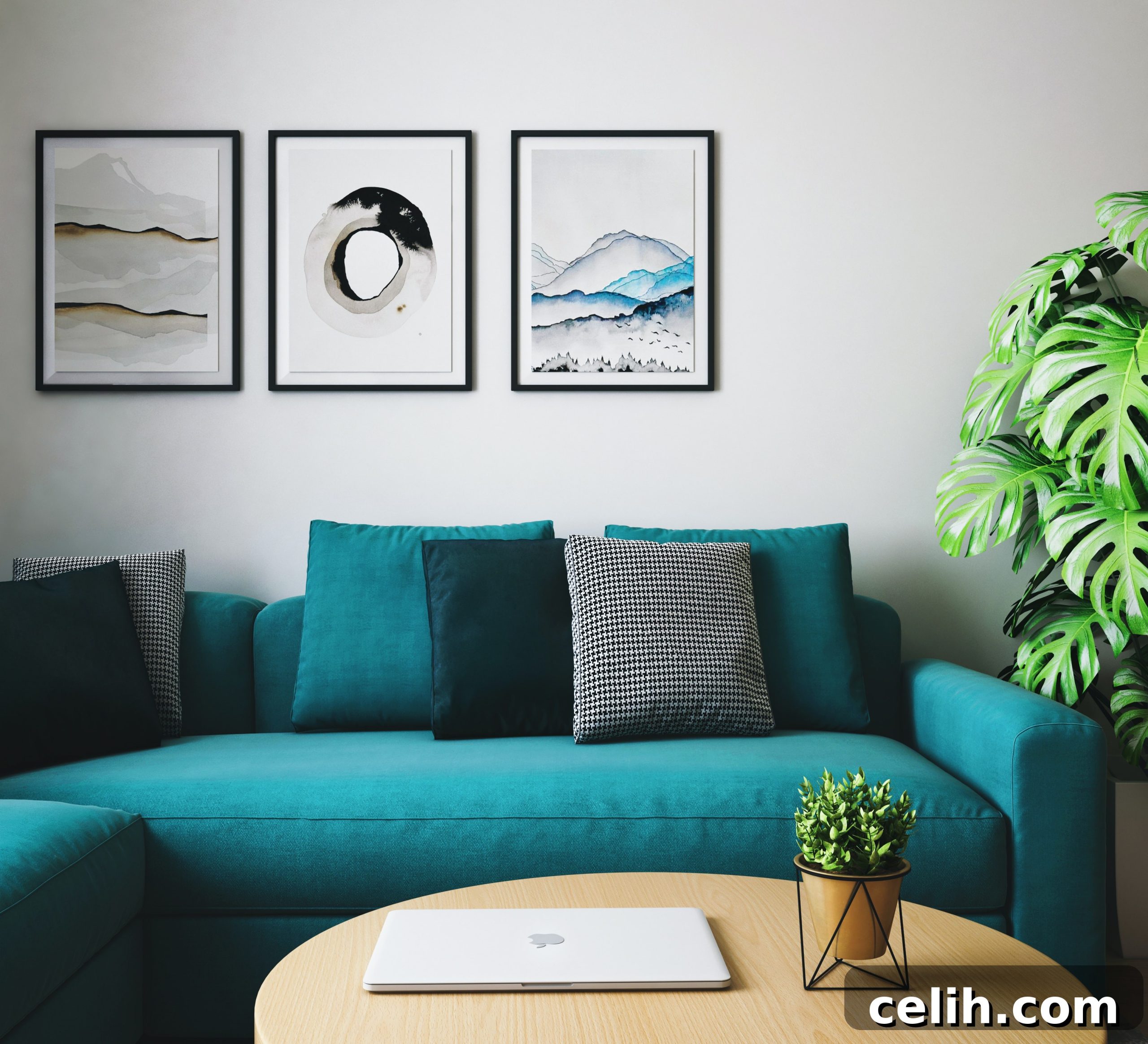
The living room stands as the heart of any home, a versatile space that adapts to myriad needs and moods. It can be a serene personal sanctuary, a vibrant hub for family gatherings, or the ultimate entertainment zone for friends. Given its pivotal role, the furniture you choose for this space is paramount, influencing not only its aesthetics but also its functionality and overall ambiance. Selecting the right pieces ensures your living room is not just a collection of items, but a cohesive environment that reflects your lifestyle and serves its purpose beautifully.
Embarking on the journey of living room furniture selection requires thoughtful consideration of several critical factors. Key among these are the room’s dimensions, the natural flow of movement within the space, and the specific needs of your household members. By carefully evaluating these elements, you can make informed decisions that transform your living room into a comfortable, stylish, and highly functional area. The following comprehensive guide will help you navigate these essential considerations before you even step foot in a furniture store, ensuring every choice contributes to your ideal home environment.
Mastering the Living Room Floor Plan and Space Planning
One of the most common pitfalls in living room design is misjudging furniture scale relative to the room’s size. Overly large pieces can overwhelm a space, making it feel cramped and uninviting, while diminutive furniture can leave a large room feeling cavernous and sparse. The secret to achieving balance and harmony lies in meticulous space planning and understanding your living room’s floor plan. This foundational step is crucial for making smart furniture investments that truly enhance your home.
The most effective approach begins with accurately measuring your living room. Grab a tape measure and note down the length and width of the room, as well as the placement of windows, doors, radiators, electrical outlets, and any architectural features like fireplaces or built-in shelving. Once you have these dimensions, sketching a scaled floor plan on graph paper or using a digital floor planning tool becomes invaluable. This visual representation allows you to experiment with different furniture layouts virtually, preventing costly mistakes and giving you a clear idea of how various pieces will fit.
When planning, consider the “visual weight” of furniture. A dark, bulky sofa will inherently feel heavier than a lighter-colored sofa with exposed legs, even if they occupy the same footprint. Aim for a mix of heights and sizes to create visual interest without clutter. Ensure that there’s sufficient negative space—empty areas around and between furniture—to allow the room to breathe. This prevents the space from feeling overcrowded and contributes to a sense of calm and order. Remember, not every inch of the floor needs to be covered; strategic emptiness is a design choice that enhances functionality and aesthetics.
By carefully mapping out your living room, you can identify the ideal size and shape for each furniture piece, from sofas and armchairs to coffee tables and entertainment units. This process helps you determine how much of the floor space should be dedicated to seating, storage, and pathways, ensuring that every element serves a purpose without compromising comfort or flow.
Optimizing Traffic Flow and Room Functionality
The way you intend to use your living room is a crucial determinant in your furniture selection. Is it primarily a formal reception area for guests, a casual family hangout spot, or a multifunctional space that transitions between relaxation, dining, and work? The answers to these questions will significantly narrow down your choices and guide you toward furniture that truly supports your lifestyle.
For instance, if your living room serves as a formal area, used only for special occasions and entertaining guests, you might opt for more delicate, perhaps even ornate, pieces. Upholstery fabrics like silk or velvet, while luxurious, may not withstand daily wear and tear, but would be perfectly suited for an infrequently used, elegant space. The emphasis here might be on aesthetic appeal and creating a sophisticated atmosphere.
Conversely, if your living room is the daily hub for your family – a place where children play, pets nap, and movie nights are a regular occurrence – durability and practicality become paramount. In this scenario, focus on furniture constructed with robust frames, resilient upholstery fabrics such as performance blends, microfibers, or leather, and finishes that are easy to clean and maintain. Consider features like removable, washable covers for sofas and chairs, and surfaces that can withstand spills and scratches.
Beyond material considerations, think about how people will move through the room. Clear pathways are essential for both comfort and safety. Ideally, main traffic lanes should be at least 30-36 inches wide. Furniture should be arranged to facilitate easy access to seating areas, entertainment centers, and other functional zones without creating bottlenecks. For living rooms with multiple entry points or those that serve as a thoroughfare to other rooms, furniture placement is even more critical. Avoiding placing large, obstructing pieces directly in the main line of traffic will enhance the flow and feel of the space.
For those seeking ultimate flexibility, a modular sectional sofa presents an innovative solution. These versatile pieces can be reconfigured into dozens of different seating arrangements, adapting seamlessly to various needs. You can shrink the sofa for intimate settings or expand it to accommodate a large guest list, making it an excellent investment for dynamic households that frequently host or rearrange their living space. Modular designs offer unparalleled adaptability, ensuring your living room can evolve with your family’s changing requirements.
Considering the Number of Family Members and Seating Needs
The size and composition of your household play a direct role in determining the quantity and type of furniture required for your living room. Whether it’s a cozy haven for a couple or a bustling center for a large family, understanding your daily occupancy and entertaining habits is key to optimizing your seating arrangement.
If your living room is a regular spot for family movie nights, board game sessions, or simply unwinding together, consider how many people will frequently use the furniture. A two-seater sofa might be perfect for a couple, but a growing family will likely need a larger sectional, multiple sofas, or a combination of a sofa with accent chairs. Think about the maximum number of people you typically need to seat comfortably. It’s often better to have a little extra seating than not enough, especially if you enjoy entertaining.
Beyond the main sofa, think about additional seating options. Accent chairs can add visual interest and provide individual comfort, while ottomans and poufs offer flexible seating that can also serve as footrests or temporary tables. Benches or window seats can be charming additions, providing extra space without cluttering the floor. For larger families, or those who frequently host, a large L-shaped or U-shaped sectional can create a cohesive and inviting conversation area, maximizing seating capacity within a defined zone.
Again, a modular sectional sofa shines in this context. Its ability to adapt from a compact arrangement for everyday use to an expansive configuration for gatherings makes it incredibly practical. This flexibility ensures that whether your space is catering to two people or twenty, you always have a comfortable and appropriate seating solution. It removes the need for multiple bulky pieces, offering a streamlined yet versatile approach to living room seating.
Defining Your Living Room’s Style and Aesthetic
Before making any final furniture selections, it’s essential to define the overall theme or interior design style you envision for your living room. This overarching aesthetic will guide your choices in furniture style, color palettes, fabric textures, and material finishes, ensuring a cohesive and harmonious space. A well-defined theme creates a sense of purpose and elegance, making the room feel thoughtfully designed rather than randomly furnished.
Consider popular design styles such as modern, minimalist, classic, bohemian, farmhouse, industrial, or Scandinavian. Each style has distinct characteristics that influence furniture choices. For a modern theme, for example, you might opt for clean lines, simple silhouettes, neutral colors (grays, whites, blacks, beiges), and perhaps subtle metallic accents. Minimalist designs favor functional furniture with understated elegance and a focus on essential pieces, avoiding clutter.
If you prefer a classic or traditional look, choose furniture with richer wood finishes, elegant curves, intricate detailing, and more ornate upholstery patterns. Jewel tones, deep blues, forest greens, or classic reds often complement such styles. Bohemian themes might embrace eclectic mixes of patterns, textures, and global-inspired furniture, prioritizing comfort and a relaxed, artistic vibe. Scandinavian designs emphasize light wood tones, natural fibers, functional simplicity, and bright, airy spaces.
The color of your furniture also plays a significant role. Neutral-colored sofas provide a versatile base that can be easily updated with colorful pillows and throws, allowing for seasonal changes without a major overhaul. Brighter or bolder furniture pieces can serve as focal points, injecting personality and vibrancy into the room. Fabric choices also contribute to the theme; a smooth leather sofa evokes a contemporary or industrial feel, while a textured linen or chenille might lean towards traditional or rustic.
Defining your theme upfront ensures that all your furniture selections—from the largest sofa to the smallest accent table—work together seamlessly. This foresight also simplifies the integration of other crucial design elements, such as wall paint color, window treatments, area rugs, lighting fixtures, and decorative accessories, leading to a truly unified and inviting living space.
Prioritizing Comfort and Ergonomics
Beyond aesthetics and practicality, the ultimate test of living room furniture is its comfort. A beautiful sofa that’s uncomfortable to sit on will quickly lose its appeal. Prioritizing comfort and ergonomics ensures that your living room is not just visually appealing but also a truly relaxing and enjoyable space for everyone. The best way to assess comfort is to personally test out furniture before purchasing.
When trying out a sofa or armchair, pay attention to several factors. Does your back feel adequately supported? Your feet should ideally rest flat on the floor, or you should be able to sit comfortably with your knees at a 90-degree angle. The seat depth is important; it should allow you to sit back fully without feeling like you’re sliding off or that your legs are dangling. Armrests should be at a comfortable height for resting your arms without straining your shoulders. Consider the cushion firmness – some prefer a plush, sink-in feel, while others favor a firmer, more supportive sit.
The materials used in cushioning also impact comfort. Down-filled cushions offer a luxurious, soft feel that conforms to your body but require regular fluffing. Foam cushions, on the other hand, provide more consistent support and retain their shape better, with varying densities offering different levels of firmness. Wrapped foam or a combination of foam and down can offer a good balance of support and softness.
Ergonomic considerations extend to all pieces of furniture. Coffee tables should be easily accessible from seating, typically within a few inches of seat height. Side tables should be positioned to hold drinks or books conveniently. Ensure that there’s enough space to stretch out and relax, especially if lounging is a primary activity in your living room. Investing in comfortable furniture is an investment in your daily well-being and the enjoyment of your home.
Considering Durability and Quality for Long-Term Value
Living room furniture represents a significant investment, making durability and quality crucial considerations. Opting for well-constructed pieces ensures longevity, reducing the need for frequent replacements and ultimately providing better long-term value. While initial costs might be higher, quality furniture often proves more economical over time due to its resilience.
Start by examining the frame construction. High-quality sofas and chairs typically feature frames made from kiln-dried hardwood (like oak, maple, or birch) or high-grade plywood. Avoid frames made from particleboard, softwoods, or chipboard, as these are prone to warping, cracking, and breaking down over time. Joints should be glued, doweled, or screwed, not just stapled. A sturdy frame is the backbone of any piece of upholstered furniture and dictates its lifespan.
Next, consider the upholstery fabric. For high-traffic areas, look for durable materials with high rub counts (a measure of fabric’s resistance to abrasion). Performance fabrics, treated for stain and water resistance, are excellent choices for families with children or pets. Leather is another robust option that gains character with age, while tightly woven synthetics like polyester blends offer good durability and easy maintenance. Always inquire about the fabric’s composition, cleaning instructions, and warranty.
Cushion construction also impacts durability. High-density foam retains its shape and support for longer than lower-density alternatives. Springs, particularly eight-way hand-tied springs, are a hallmark of high-quality seating, offering superior support and comfort. Less expensive options might use sinuous springs or webbing, which can still be good if well-made but typically don’t offer the same level of longevity or comfort.
Finally, always check for warranties on both the frame and the upholstery. Reputable manufacturers stand by their products, offering warranties that provide peace of mind. Investing in quality living room furniture is not just about aesthetics; it’s about creating a lasting foundation for your home’s most central space, one that will stand up to the rigors of daily life for years to come.
Budgeting for Your Living Room Furniture
Establishing a clear and realistic budget is a foundational step in the living room furniture selection process. Without one, you risk either overspending or settling for pieces that don’t meet your expectations for quality and style. A well-planned budget ensures you allocate funds effectively, prioritizing key pieces while making smart choices for complementary items.
Begin by determining the total amount you’re comfortable spending on your entire living room setup. Then, break down this budget into categories for individual pieces: the main sofa or sectional, accent chairs, coffee table, side tables, entertainment unit, and possibly rugs, lighting, and decorative accessories. It’s often advisable to allocate a larger portion of your budget to foundational pieces like the sofa, as these typically see the most use and have the greatest impact on comfort and style.
Consider where you can save and where it’s worth splurging. Investing in a high-quality, durable sofa is generally a wise decision, as it forms the anchor of the room. You might then opt for more budget-friendly accent chairs or a versatile coffee table. Throws, pillows, and decorative items offer an excellent opportunity to inject style and personality without a hefty price tag, and they can be easily updated over time. Don’t forget to factor in potential delivery fees and assembly costs if applicable.
Be wary of extremely low prices, which can sometimes indicate compromised quality. While a bargain is appealing, a piece that falls apart quickly will end up costing you more in the long run. Conversely, don’t feel pressured to buy the most expensive option; many mid-range brands offer excellent quality and design. Research sales, clearances, and outlet stores, but always prioritize value for money and suitability for your needs over simply the lowest price. A balanced budget approach ensures you acquire beautiful, functional, and long-lasting furniture without breaking the bank.
Integrating Lighting with Your Furniture Choices
Lighting is an often-underestimated element in living room design, yet it profoundly impacts how your furniture looks and how the space feels. Thoughtful lighting can highlight key furniture pieces, create different moods, and enhance the overall functionality and appeal of your living room. Integrating lighting considerations with your furniture choices from the outset is vital for a cohesive and inviting environment.
Consider the natural light in your room first. How do large windows and glass doors influence the space throughout the day? Furniture placement should maximize natural light where appropriate, perhaps by angling a reading chair towards a window. Conversely, if direct sunlight might fade certain fabrics or heat up the room too much, strategic placement or window treatments become important.
Beyond natural light, layer your artificial lighting to achieve depth and versatility. This typically involves three types: ambient, task, and accent lighting. Ambient lighting, provided by ceiling fixtures or floor lamps, offers general illumination. Task lighting, such as a reading lamp next to an armchair, focuses light on specific activities. Accent lighting, like picture lights or spotlights on a bookcase, draws attention to specific features or decorative elements, including your beautiful furniture.
Think about how your furniture pieces interact with these light sources. A large, dark sofa might benefit from a strategically placed floor lamp to brighten its presence. A glass coffee table can reflect light, making a room feel more expansive. Ensure there are enough electrical outlets for lamps and other electronics, and consider smart lighting solutions that allow you to adjust brightness and color temperature to suit different moods and times of day. Proper lighting can transform your furniture from static objects into dynamic elements, bringing your entire living room to life.
Personalization and Finishing Touches
Once the core furniture pieces are in place, the true magic of interior design happens through personalization and the careful selection of finishing touches. These elements are what truly make a living room uniquely yours, transforming a functional space into a reflection of your personality, style, and cherished memories. While essential furniture provides the foundation, it’s the details that breathe life into the room.
Begin with textiles. Cushions and throws are incredibly versatile tools for adding color, texture, and comfort. They can introduce patterns that complement your theme, soften harsh lines, and invite guests to relax. Rotate them seasonally for an instant refresh. Area rugs are another powerful element, anchoring furniture groupings, defining zones within an open-plan space, and adding warmth and acoustic comfort. Their pattern, color, and texture can either tie the room together or introduce a striking contrast.
Artwork and wall decor are essential for adding personality. Choose pieces that resonate with you, whether they are family photographs, abstract paintings, framed prints, or mirrors. Position them thoughtfully to create focal points or to complement the scale of your furniture. Mirrors, in particular, can make a room feel larger and brighter by reflecting light and views.
Plants and greenery bring life and freshness into any living room, improving air quality and adding a touch of nature. Select pots and planters that align with your overall aesthetic. Finally, don’t overlook decorative objects – sculptures, vases, books, and curated collections. Arrange them on shelves, coffee tables, and side tables to tell a story about your interests and travels. These finishing touches are not just fillers; they are opportunities to imbue your living room with character, warmth, and an undeniable sense of home.
Your living room furniture should be a perfect blend of practicality, comfort, durability, and style. By carefully considering the size and layout of your room, its intended function, the needs of your family, and your personal aesthetic, you can make informed decisions that transform your living room into an inviting and functional space. Embrace these comprehensive tips to make a truly wise and lasting investment when you embark on your next furniture shopping adventure.