
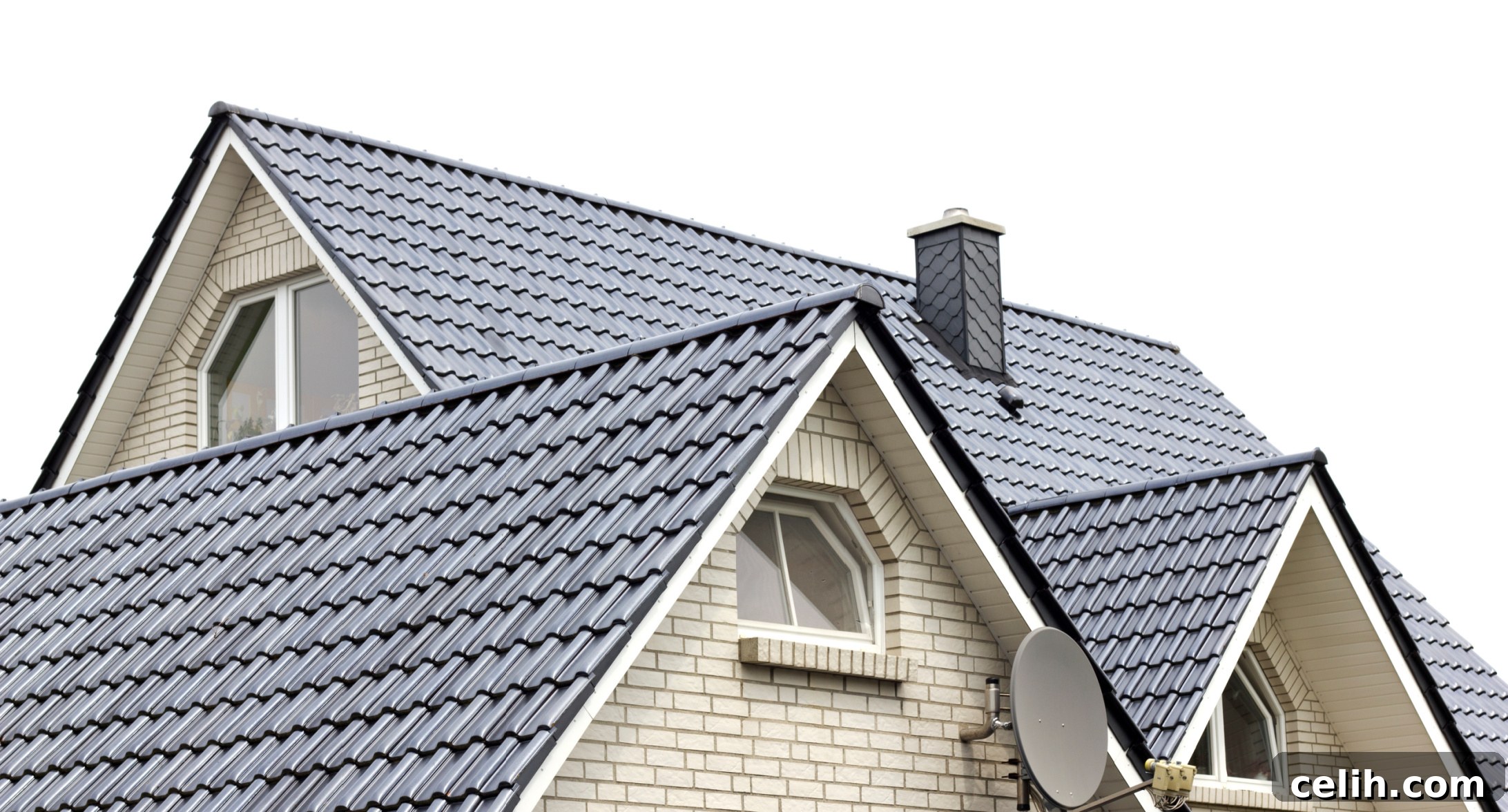
Your home’s roof is its primary shield against the elements, a critical component safeguarding your investment and loved ones. Ensuring its health and longevity goes beyond simple aesthetics; it’s about structural integrity, energy efficiency, and preventing costly damage. Every part of your roofing system, from the outermost layer of shingles to the underlying decking and intricate flashing, demands diligent attention. This comprehensive guide will illuminate the crucial role each roof component plays and provide actionable, easy-to-follow maintenance tips to help you protect your home effectively.
1. Shingles: Your Roof’s First Line of Defense
Roof shingles, often referred to as tiles depending on their material, form the outermost protective layer of your roofing system. They are engineered to deflect rainwater, resist UV radiation, and withstand harsh weather conditions, including heavy winds, hail, and snow. Without properly maintained shingles, your home is vulnerable to leaks, structural damage, and diminished curb appeal. Various types exist, including asphalt, wood, slate, tile, and metal, each with its unique characteristics and maintenance requirements. Regular inspection is paramount, especially after severe weather events, as shingles can become dislodged, cracked, or worn over time.
Essential Shingle Maintenance Tips:
- Conduct Regular Visual Inspections: At least twice a year, typically in spring and fall, and after any significant storm, visually inspect your roof from the ground with binoculars. Look for common signs of damage such as curling, buckling, cracking, blistering, or missing shingles. Pay close attention to areas around chimneys, vents, and valleys where water tends to accumulate or flow.
- Promptly Address and Replace Damaged Shingles: Even a single compromised shingle can create an entry point for water, leading to costly leaks and interior damage. If you spot any damaged or missing shingles, it’s crucial to have them replaced promptly by a qualified roofing professional. This proactive approach prevents small issues from escalating into major structural problems.
- Monitor for Granular Loss: For asphalt shingles, a common sign of aging is the loss of granules, which protect the asphalt layer from UV rays. If you notice a significant amount of granules in your gutters or on the ground, it indicates that your shingles are nearing the end of their lifespan and may require replacement soon.
- Consider Protective Roof Coatings: For certain shingle types, particularly asphalt, applying a specialized roof coating can significantly extend their lifespan. These coatings create an additional protective barrier against UV radiation, extreme temperatures, and moisture, thereby slowing down the aging process and enhancing overall durability.
- Remove Moss and Algae: In damp climates, moss and algae can grow on shingles, trapping moisture and causing deterioration. Gently remove them using a soft brush and a diluted roof cleaning solution, being careful not to damage the shingles. For persistent issues, consider installing zinc or copper strips along the ridge to inhibit future growth.
2. Flashing: Sealing Vulnerable Joints
Flashing refers to thin pieces of impervious material, typically metal (like aluminum, copper, or steel), installed to prevent water penetration at vulnerable junctions and transitions on your roof. These critical areas include around chimneys, skylights, vent pipes, dormers, and in valleys where roof planes meet. Properly installed and maintained flashing directs water away from these openings, ensuring a watertight seal and preventing leaks into your home’s interior.
Crucial Flashing Maintenance Tips:
- Thoroughly Inspect All Flashing Areas: During your regular roof inspections, pay close attention to all areas where flashing is present. Look for signs of wear and tear, such as rust, corrosion, cracks, bends, or lifting. Flashing can become damaged by strong winds, shifting roof components, or simply age-related fatigue.
- Ensure a Watertight Seal: Check that all flashing is securely attached and forms a tight seal against the adjacent surfaces. Any gaps, loose nails, or separated seams can allow water to seep underneath, leading to insidious leaks that are often hard to trace until significant damage has occurred.
- Repair or Replace Damaged Flashing Promptly: If you identify any damaged, corroded, or lifting flashing, it’s imperative to have it repaired or replaced immediately. Attempting to seal damaged flashing with caulk is often a temporary fix; a permanent repair typically involves replacing the compromised section or reinforcing it securely. Addressing flashing issues quickly is one of the most effective ways to prevent major roof leaks.
3. Gutters and Downspouts: Managing Water Flow
Gutters and downspouts are an integral part of your home’s exterior drainage system. Their primary function is to collect rainwater runoff from your roof and channel it safely away from your home’s foundation, landscaping, and exterior walls. When these systems become clogged or damaged, water can overflow, leading to a cascade of problems including fascia and soffit rot, foundation erosion, basement flooding, and even damage to your home’s siding. They are particularly susceptible to blockages from fallen leaves, twigs, dirt, and other airborne debris, making regular cleaning a non-negotiable task.
Effective Gutter and Downspout Maintenance:
- Clean Gutters and Downspouts Regularly: This is perhaps the most frequent and important maintenance task. Clean your gutters at least twice a year, typically in late spring after tree pollen has subsided and in late fall after all leaves have fallen. In areas with heavy tree cover, more frequent cleaning may be necessary. Ensure all debris, including leaves, twigs, and sediment, is thoroughly removed to prevent blockages and ensure smooth water flow. Don’t forget to flush the downspouts with water to confirm they are clear.
- Inspect for Damage and Proper Alignment: While cleaning, carefully inspect your gutters and downspouts for any signs of physical damage such as sagging sections, loose hangers, rust spots, cracks, or holes. Ensure all sections are securely joined and that the gutters are properly pitched (sloped) towards the downspouts for efficient drainage. Sagging gutters can accumulate standing water, leading to rust and pest issues.
- Repair or Replace as Needed: Promptly address any identified damage. Loose hangers should be tightened or replaced, small holes can sometimes be sealed with roofing cement, but larger cracks or heavily rusted sections may necessitate replacement. Proper functionality of your gutter system is vital for preventing water damage to your home’s structure.
- Consider Installing Gutter Guards: To significantly reduce the frequency of gutter cleaning and prolong the lifespan of your guttering system, consider installing high-quality gutter guards. These systems come in various designs (screens, covers, filters) and are designed to allow water to enter while keeping leaves and debris out, offering a valuable layer of protection and convenience.
4. Skylights: Brightening Your Home, Requiring Care
Skylights are fantastic architectural features that bring abundant natural light and can offer improved ventilation to the interior of your home, transforming otherwise dark spaces. However, because they are essentially openings in your roof, they require diligent maintenance to prevent leaks and ensure they continue to perform effectively. Over time, the seals around skylights can degrade, leading to water infiltration, and their glass surfaces can accumulate dirt and debris.
Key Skylight Maintenance Tips:
- Regularly Inspect Seals and Flashing: The most common source of skylight leaks is compromised seals or flashing. During your roof inspections, carefully check the perimeter of your skylights for any signs of cracking, drying, shrinkage, or deterioration in the sealant and flashing. Even tiny cracks can allow moisture to penetrate. Also, check the frame itself for any signs of rot or warping.
- Clean Skylights Periodically: To maintain clarity and maximize natural light, clean the exterior and interior surfaces of your skylights regularly. Remove any accumulated leaves, dirt, or debris from around the frame and on the glass. Use appropriate glass cleaning solutions and soft cloths to avoid scratching the surface. Regular cleaning also allows for closer inspection of the glass for cracks or damage.
- Ensure Proper Drainage Around Skylights: Make sure that water can freely drain away from the top and sides of the skylight. Any debris or build-up that blocks drainage can lead to standing water, which increases the risk of leaks and accelerates material degradation.
- Consider Protective Skylight Covers or Tinting: For added protection against hail and other impacts, or to improve energy efficiency, consider installing specialized skylight covers. Some covers can help reduce heat gain in summer and heat loss in winter. Tinted skylights can also help manage solar heat and glare, contributing to a more comfortable indoor environment.
5. Roof Decking: The Foundation of Your Roof
Beneath your shingles and underlayment lies the roof decking, also known as sheathing. This foundational layer, typically made of plywood or OSB (oriented strand board), is directly attached to the roof trusses or rafters and provides the rigid surface upon which all other roofing materials are installed. It is crucial for providing structural support, distributing the weight of the roofing system, and offering a sturdy base that ensures the integrity and longevity of your entire roof. Damage to the roof decking can compromise the entire roofing system, leading to sagging, improper shingle adhesion, and ultimately, roof failure.
Essential Roof Decking Maintenance Tips:
- Inspect for Signs of Damage: While you can’t easily see the decking without removing roofing materials, indirect signs can indicate issues. From inside your attic, look for any signs of sagging between rafters, water stains, discoloration, or areas that feel soft or spongy when pressed. These are indicators of potential water damage, rot, or pest infestation (like termites or carpenter ants) affecting the decking.
- Check for Adequate Fastening: Ensure that the decking panels are securely fastened to the roof rafters. Loose panels can lead to movement, which can cause cracking in shingles and compromise the roof’s stability. Any squeaking or creaking sounds from the roof could also indicate loose decking.
- Address Water Damage Immediately: If you discover any water damage to the decking, it’s critical to identify and fix the source of the leak immediately. Allowing water damage to persist will lead to extensive rot, mold growth, and compromise the structural integrity of your roof and potentially your home.
- Replace Damaged Decking to Maintain Structural Integrity: Any sections of the roof decking that are severely water-damaged, rotted, or structurally compromised must be replaced. This often requires the removal of the overlying roofing materials. Replacing damaged decking is not merely a repair; it is a critical step in maintaining the foundational strength and safety of your entire roof system, ensuring it can adequately support the weight and withstand environmental stresses.
6. Insulation and Ventilation: The Breath of Your Roof
Proper insulation and ventilation are not just about keeping your home comfortable; they are fundamental to the health and longevity of your roof. A well-ventilated attic and adequately insulated ceilings work in tandem to regulate temperature and moisture levels within your roof structure. Without them, your roof is susceptible to a host of problems including ice dam formation in winter, premature shingle deterioration from excessive heat in summer, and the growth of mold and mildew due to moisture buildup.
Optimizing Insulation and Ventilation:
- Periodically Check Attic Insulation: From your attic, inspect the insulation for signs of damage, compression, or moisture. Insulation should be evenly distributed and fluffy; compressed insulation loses its R-value (insulating power). Look for signs of dampness, mold, or nesting pests, which can all compromise its effectiveness. Ensure there are no gaps or bare spots, particularly around light fixtures or vents, where heat can escape.
- Ensure Proper Attic Ventilation: Ventilation systems, typically consisting of soffit (intake) vents and ridge or gable (exhaust) vents, create a continuous airflow that removes hot, moist air from the attic. Ensure that all vents are clear of insulation, debris (such as bird nests or insect screens clogged with dust), and paint. Blocked vents hinder airflow, leading to heat and moisture buildup. Proper ventilation helps prevent:
- Ice Dams: In cold climates, poor ventilation allows heat to escape into the attic, melting snow on the roof. This water then refreezes at the colder eaves, creating ice dams that can force water under shingles.
- Premature Shingle Aging: In hot climates, excessive attic heat can bake your shingles from underneath, accelerating their degradation and shortening their lifespan.
- Mold and Mildew: Trapped moisture in the attic creates an ideal breeding ground for mold and mildew, which can damage wood structures and impact indoor air quality.
- Maintain Clear Airflow Channels: Make sure that insulation is not blocking the soffit vents, which are crucial for drawing cool air into the attic. Baffles can be installed to create a clear channel between the insulation and the roof decking, allowing air to flow freely from the soffit to the exhaust vents.
7. Chimneys: A Potential Point of Weakness
Chimneys, traditionally serving as conduits for smoke and gases from fireplaces or heating systems, are significant penetrations in your roof system. Due to their complex construction and exposure to varying temperatures and weather conditions, they are notoriously common sources of roof leaks. Furthermore, chimneys can become blocked by debris, bird nests, or even structural deterioration, posing fire hazards and ventilation issues. Regular and thorough inspections are therefore essential to ensure both roof integrity and chimney safety.
Key Chimney Maintenance Tips:
- Inspect Chimney Flashing Thoroughly: The flashing around the chimney base is a critical barrier against water intrusion. Carefully inspect it for any signs of lifting, cracks, rust, or deterioration. Step flashing and counter flashing must be properly integrated and sealed. Any compromise in this area is a direct pathway for water into your home.
- Examine Chimney Masonry and Mortar: Look for cracks in the brickwork, crumbling mortar joints (known as spalling), loose bricks, or signs of efflorescence (white, powdery deposits indicating moisture presence). These issues not only weaken the chimney structure but also allow water to penetrate. Repointing (repairing mortar joints) or brick replacement may be necessary.
- Check the Chimney Cap and Crown: The chimney crown, the slab on top of the masonry, should be intact and sloped to shed water. Cracks in the crown can lead to water seeping into the chimney structure. A chimney cap, which covers the flue opening, prevents rain, snow, animals (especially birds and squirrels), and debris from entering the chimney. Ensure it is secure and free of damage.
- Schedule Professional Chimney Sweeping and Inspection: Beyond structural checks, it’s vital to have your chimney professionally cleaned and inspected annually, especially if you use your fireplace regularly. A certified chimney sweep can identify blockages, assess creosote buildup, and detect less obvious structural issues that might lead to roof damage or fire hazards.
8. Trees and Overhanging Branches: A Silent Threat
While mature trees can add immense beauty and shade to your property, those located too close to your home, particularly with branches overhanging your roof, can pose a significant and often underestimated threat. The risks range from direct physical damage during storms to persistent issues caused by falling debris and shade. Managing tree proximity is a proactive step in roof preservation.
Managing Tree-Related Roof Risks:
- Regularly Trim Back Overhanging Branches: The most important preventative measure is to trim back any branches that extend over your roof or are very close to it. This should be done by a professional arborist. This prevents:
- Direct Impact Damage: During high winds, ice storms, or heavy snow, brittle or dead branches can break off and fall onto your roof, causing severe damage to shingles, decking, and even the underlying structure.
- Scraping and Abrasion: Even in mild winds, branches can rub against your roof surface, constantly abrading shingles and wearing down their protective granules, significantly shortening their lifespan.
- Debris Accumulation: Overhanging branches contribute to a constant shower of leaves, twigs, seeds, and sap onto your roof and into your gutters. This debris can clog gutters, trap moisture on the roof surface (encouraging moss and algae growth), and accelerate shingle deterioration.
- Maintain a Safe Distance: Aim for a minimum clearance of 6-10 feet between tree branches and your roof. This provides a safety margin and minimizes the likelihood of debris accumulation and direct contact.
- Inspect for Disease or Weakness: Regularly check trees near your home for signs of disease, rot, or structural weakness. Dead or dying limbs are significantly more prone to breaking off.
9. Professional Roof Inspection: Expert Eyes for Hidden Issues
While regular DIY inspections are invaluable for catching obvious problems, the complexity of a roofing system and the inherent dangers of climbing on a roof mean that professional inspections are not just a luxury, but a necessity. Qualified roofing professionals possess the experience, training, and specialized equipment to safely and thoroughly assess your roof’s condition, identify subtle or hidden issues, and provide expert recommendations for maintenance or repair. Their early detection can save you significant time, money, and stress in the long run.
Maximizing Professional Inspections:
- Schedule Annual Professional Inspections: It is highly recommended to have your roof professionally inspected at least once a year, ideally in the spring, to assess any winter damage and prepare for summer, or in the fall, to prepare for winter. For older roofs or those in areas prone to severe weather, biannual inspections might be prudent.
- Request a Detailed Report: A reputable professional roofer will provide a comprehensive inspection report detailing the condition of all roof components, identifying any existing or potential issues, and offering photographic evidence where appropriate. This report should include recommended actions, estimated costs, and timelines.
- Address Issues Promptly: The true value of a professional inspection lies in acting upon its findings. Do not procrastinate in addressing any issues identified during the inspection. Even minor problems, if left unaddressed, can rapidly escalate into major, expensive repairs or lead to extensive water damage within your home. Early intervention is key to preserving your roof’s integrity and extending its lifespan.
- Consider Inspections After Major Storms: After any significant weather event like a hurricane, severe hailstorm, or prolonged heavy snowfall, it is wise to have a professional inspection, even if you don’t immediately notice any damage. Storm damage can be subtle and internal.
10. Regular Maintenance Schedule: The Key to Longevity
The best way to ensure your roof remains in peak condition and effectively protects your home for decades is not through reactive repairs, but through proactive and consistent maintenance. Developing and adhering to a regular maintenance schedule transforms roof care from an occasional chore into a manageable routine. This systematic approach helps you stay organized, ensures no critical task is overlooked, and ultimately extends the lifespan of your roof while minimizing unexpected repair costs.
Creating an Effective Roof Maintenance Schedule:
- Create a Detailed Schedule: Outline specific tasks to be performed at regular intervals. A typical schedule might include:
- Monthly: Quick visual check from the ground, ensuring gutters aren’t obviously overflowing.
- Quarterly (or Bi-Annually): Gutter and downspout cleaning, check for debris on the roof, inspect tree branches.
- Annually (Spring & Fall): More thorough visual inspection of shingles, flashing, skylights, chimneys, and attic ventilation from both ground level and, if safe, closer vantage points.
- Annually: Professional roof inspection.
- As Needed: Post-storm inspections, addressing immediate repairs.
- Keep Meticulous Records: Maintain a comprehensive record of all roof-related activities. This should include:
- Dates of inspections (both DIY and professional).
- Details of any damage found and repairs made.
- Names of contractors and warranties.
- Costs incurred for maintenance and repairs.
This historical data is invaluable. It helps you track the roof’s condition over time, identify recurring issues, anticipate future needs, and make informed decisions about repairs versus replacement. It also serves as a valuable asset if you ever decide to sell your home, demonstrating responsible home ownership.
- Utilize Checklists: Create simple checklists for your seasonal and annual maintenance tasks. This ensures consistency and helps you remember all the components that need attention, from clearing gutters to checking flashing integrity.
Additional Factors to Consider for Comprehensive Roof Maintenance
Beyond the specific components, several broader environmental and structural factors significantly influence your roof’s condition and maintenance requirements. Understanding and accounting for these can further optimize your roof care strategy, ensuring lasting protection for your home.
- Local Weather Conditions: Your geographical location and typical weather patterns play a huge role. Homes in areas prone to heavy rain, significant snowfall, hailstorms, or high winds will naturally experience more wear and tear.
- Action: Inspect your roof diligently after every severe weather event. Even seemingly minor damage, such as a few missing granules or a slightly lifted shingle, can be a precursor to major leaks. Promptly repair roof damage to prevent water intrusion. Consider impact-resistant materials if hail is common.
- Age of the Roof: Like any other building material, roofing materials have a finite lifespan. As your roof ages, its resistance to the elements diminishes, and its components become more brittle or worn.
- Action: Older roofs (typically beyond 15-20 years for asphalt shingles) will require more frequent and thorough inspections, along with a greater likelihood of needing repairs or eventually a full replacement. Be aware of your roof’s age and factor it into your long-term maintenance planning and budgeting.
- Local Environment and Landscaping: The immediate surroundings of your home, including trees and landscaping, directly impact your roof.
- Action: Regularly trim back trees and remove any debris (leaves, twigs, pine needles) from your roof surface and gutters. This prevents moisture entrapment, moss/algae growth, granule erosion, and direct damage from falling limbs. Roots from large trees too close to the foundation can also sometimes compromise underground drainage, indirectly affecting water management around your home’s perimeter.
- Quality of Original Installation: The initial installation quality is paramount. A poorly installed roof, even with high-quality materials, will likely fail prematurely and be prone to issues regardless of maintenance efforts.
- Action: If you are unsure about the quality of a previous installation (e.g., in a newly purchased older home), a professional inspection can identify potential shortcomings. Ensure that any future roofing work adheres strictly to manufacturer specifications and local building codes, ideally performed by certified professionals.
- Maintenance History: A documented history of your roof’s maintenance provides invaluable insights into its performance and future needs.
- Action: Keep a detailed record of all inspections, repairs, and replacements, including dates, costs, and the professionals involved. This information helps you track patterns of wear, predict upcoming maintenance, and make informed decisions about major investments like roof replacement. It also enhances your home’s value for potential buyers.
- Professional Assistance: While DIY efforts are commendable, some aspects of roof maintenance are best left to experts due to safety concerns, specialized knowledge, or complex repairs.
- Action: If you encounter significant damage, suspect structural issues, are uncomfortable with heights, or are unsure about any aspect of roof maintenance, do not hesitate to seek professional assistance. A qualified roofer can provide accurate diagnostics, perform repairs safely, and ensure your roof is properly maintained to professional standards.
The Indispensable Importance of Professional Installation and Maintenance
While homeowners can certainly perform basic visual checks and gutter cleaning, the complex nature, inherent dangers, and critical function of your roof make professional involvement not just beneficial, but often absolutely essential. Entrusting your roof to experienced professionals for both installation and ongoing maintenance offers a multitude of advantages that safeguard your home, finances, and peace of mind.
- Ensuring Quality Installation: Professional roofers possess the specialized training, extensive experience, and up-to-date knowledge of industry best practices and building codes. They understand the nuances of different roofing materials, proper ventilation techniques, and crucial flashing details. A high-quality initial installation is the single most important factor in determining the longevity and performance of your roof, preventing premature failures and costly re-dos.
- Prioritizing Safety: Roofing work is inherently dangerous, involving heights, ladders, uneven surfaces, and potential exposure to electrical hazards or unstable structures. Professional roofers are trained in rigorous safety protocols, utilize appropriate safety equipment, and are often insured to handle any unforeseen accidents. Attempting complex repairs yourself without proper training or gear puts you at significant risk of injury.
- Preserving Warranty Coverage: The vast majority of roofing material manufacturers offer warranties that protect against defects. However, these warranties almost universally require professional installation and sometimes even professional repairs. Any DIY work, or work performed by unlicensed individuals, can immediately void these valuable warranties, leaving you unprotected if materials fail prematurely.
- Achieving Cost-Effectiveness in the Long Run: While hiring a professional might seem like an upfront expense, it proves to be a cost-saving measure in the long run. Professionals can accurately diagnose issues, perform repairs correctly the first time, and identify potential problems before they escalate into catastrophic and expensive failures. DIY repairs, if done improperly, often lead to recurring issues, more extensive damage, and ultimately higher costs.
- Gaining Expert Knowledge and Advice: Professional roofers bring a wealth of knowledge to the table. They can recommend the most suitable materials for your climate, advise on energy efficiency upgrades, and explain complex issues in an understandable way. Their expertise is invaluable for making informed decisions about your roof.
- Enjoying Peace of Mind: Knowing that your roof has been installed and is being maintained by certified, experienced professionals offers invaluable peace of mind. It assures you that your home is well-protected against the elements, potential leaks are minimized, and your investment is secure, allowing you to focus on enjoying your home without constant worry about its overhead shield.
By diligently considering these additional factors and consistently applying the detailed maintenance tips for each crucial component of your roof, you can ensure that this vital protective layer remains in optimal condition. A well-maintained roof not only enhances your home’s curb appeal but, more importantly, provides steadfast protection, energy efficiency, and structural integrity, safeguarding your most valuable asset for many years to come.