
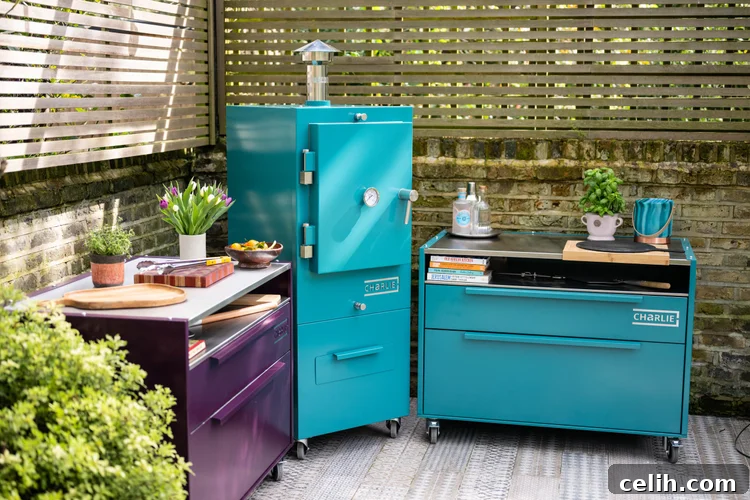
[AD] If you’re passionate about outdoor culinary experiences, investing in the right equipment can profoundly elevate your results. The latest generation of outdoor ovens offers an unparalleled blend of versatility, efficiency, and performance, delivering everything from rich, smoky flavors to perfectly even heat distribution. In this comprehensive guide, we’ll delve into the world of charcoal outdoor ovens, with a special focus on the acclaimed Charlie Charcoal Oven. Renowned for its ability to produce bold flavors and deliver consistently dependable cooking results, the Charlie oven is a popular choice for both aspiring backyard chefs and seasoned professionals. We’ll explore crucial factors to consider, whether your heart desires that quintessential deep char from authentic charcoal cooking or you’re contemplating a modern upgrade, such as a gas-to-electric conversion for enhanced control and convenience.
The Enduring Appeal of Charcoal Ovens: A Culinary Legacy
The art of charcoal cooking boasts a rich history, stretching back millennia from the rudimentary hearths of ancient nomadic tribes to the sophisticated grills of medieval taverns. Early charcoal ovens were often straightforward structures, typically crafted from clay or rudimentary metal, designed to efficiently contain embers and regulate the essential flow of air. As human culinary ambitions grew, so did the sophistication of these cooking vessels. Designs evolved to incorporate features like adjustable vents and insulated chambers, enabling cooks to maintain stable temperatures for extended periods, crucial for slow roasting and baking.
Today’s charcoal ovens represent a remarkable synthesis of this ancient heritage and cutting-edge metallurgical science. They provide home cooks and professional chefs with a level of precision and consistency that was once exclusively the domain of traditional brick-kiln artisans. This evolution means modern charcoal ovens are not just tools for grilling; they are versatile cooking instruments capable of a wide array of culinary techniques, offering a unique flavor profile that gas or electric ovens simply cannot replicate.
Modern Design Principles: Innovation Meets Tradition
Contemporary charcoal oven designs prioritize several key principles: exceptional durability, superior heat retention, and intuitive, user-friendly controls. Manufacturers utilize heavy-gauge stainless steel, often complemented by refractory bricks or ceramic insulation, to ensure remarkably even heat distribution throughout the cooking chamber. This robust construction is vital for enduring extreme temperatures and the rigors of outdoor exposure, ensuring longevity and consistent performance.
Precision-cut vents and sophisticated damper systems allow for meticulous airflow adjustments, granting the chef unparalleled control over the oven’s temperature. Many advanced models incorporate removable baffles and ash trays, simplifying the cleaning process significantly. Integrated thermocouples or digital temperature probes provide accurate, real-time temperature readings, eliminating guesswork and ensuring perfect results every time. These innovations collectively deliver the consistent performance required for a diverse range of cooking methods, from low-and-slow smoking and succulent slow roasting to baking artisan breads and achieving high-heat searing for a perfect crust. This makes modern charcoal ovens an indispensable and versatile asset in any discerning outdoor kitchen setup.
Key Features That Define a Superior Charcoal Oven
The foundation of a truly top-quality outdoor oven lies in its construction and the materials employed. Look for units that utilize robust, high-grade materials specifically designed to withstand the intense heat generated by charcoal and the varying conditions of an outdoor environment. This typically includes thick, insulated walls, often featuring double-skinned stainless steel or heavy cast iron lined with high-density firebricks. This multi-layered construction is crucial for efficiently trapping and radiating heat, which in turn minimizes charcoal consumption and maximizes the infusion of smoky flavor into your food.
Durable, heat-resistant door seals are another critical component, preventing valuable heat loss and ensuring a stable internal temperature. Reinforced legs and sturdy frames provide essential stability, especially on potentially uneven outdoor surfaces, guaranteeing safety and reliability during operation. Such meticulous construction is not merely about durability; it directly contributes to the oven’s ability to retain high temperatures for extended cooking sessions, making it perfect for long smokes or slow roasts without constant refueling. Furthermore, a well-built oven will distribute heat more uniformly, preventing hot spots and ensuring perfectly cooked dishes every time.
Mastering Temperature Control: The Heart of Charcoal Cooking
What truly elevates a specialized charcoal oven above basic fire pits is its capacity for precise temperature control. This sophisticated control mechanism is primarily achieved through a system of adjustable vents and dampers, which meticulously regulate the flow of oxygen to the burning charcoal. By carefully managing oxygen, chefs can achieve gradual, gentle heat increases for delicate dishes or rapid temperature spikes for searing and crisping. This level of control allows for a diverse range of cooking techniques, from low-temperature smoking to high-temperature baking.
Many high-end models integrate advanced thermometers, ranging from reliable analog gauges to highly accurate digital displays, providing real-time monitoring of the internal temperature. For ultimate precision, some cutting-edge ovens even incorporate electric fans and sophisticated thermostatic controls. These features bridge the gap between traditional charcoal cooking and modern kitchen technology, offering automatic temperature maintenance and consistent airflow. This innovation provides the convenience of an indoor oven while retaining the authentic flavor profile unique to charcoal, making complex recipes more accessible and less prone to temperature fluctuations.
Selecting the Ideal Outdoor Oven for Your Lifestyle
An exceptional outdoor cooker must strike a harmonious balance between robust functionality and practical considerations like portability and integration into your outdoor space. Key attributes to seek include weather-resistant finishes and materials that can withstand the elements, ensuring longevity and maintaining aesthetic appeal year-round. Integrated covers or custom-fit protective covers are valuable additions for safeguarding your investment.
For ease of movement, consider models with easy-roll carts or robust handles, allowing for convenient relocation across your patio or garden. Ample cooking area and multi-level, adjustable grates are essential for accommodating various cookware sizes and simultaneous preparation of different dishes, from large roasts to multiple pizzas. Accessory rails provide practical attachment points for side shelves, utensil hooks, or even rotisserie motors, further expanding the oven’s utility. These practical features ensure seamless integration into your garden or patio setup, offering unparalleled versatility for everything from casual pizza parties to elaborate roast dinners and festive barbecues.
Assessing Supplier Reliability: A Foundation of Trust
Choosing a reputable supplier is as critical as selecting the oven itself. A trustworthy vendor will provide transparent, detailed product specifications, comprehensive warranty information, and robust post-sale support. Look for dealers who offer practical resources such as demonstration videos, detailed installation guides, and highly responsive customer service to address any queries or concerns promptly. A supplier’s extensive experience with products like the Charlie outdoor oven, coupled with their provision of ancillary services such as readily available spare parts, maintenance packages, or even professional installation options, strongly signals their commitment to long-term customer satisfaction and support. Prioritize suppliers who are not just selling a product, but offering a complete solution and partnership for your outdoor cooking journey.
Installation and Setup Essentials for Optimal Performance
Proper installation and setup are paramount for both the performance and safety of your outdoor charcoal oven. Begin by positioning the unit on a stable, level, and non-combustible surface, such as concrete, paving stones, or a specialized heat-resistant mat. It is imperative to maintain a safe distance of at least one meter (approximately three feet) from any surrounding structures, fences, or overhanging foliage to prevent fire hazards. Ensure there is ample vertical clearance for the chimney exhaust, allowing smoke and heat to dissipate effectively without obstruction. Planning for the prevailing wind direction is also crucial; position the oven to minimize smoke drift towards seating areas or neighboring properties, enhancing the comfort of everyone enjoying your outdoor space.
A meticulously prepared site not only significantly reduces the risk of uneven heating and potential hazards but also streamlines the entire cooking process, making it more enjoyable and efficient. Consider accessibility to fuel storage, prep areas, and serving spaces when planning your layout. A dedicated, well-thought-out outdoor cooking zone will elevate your entire culinary experience.
Safety Protocols and Regulatory Compliance
Safety must always be a top priority when operating any high-heat appliance outdoors. Essential safety considerations include placing heat-resistant mats beneath and around the oven to protect surfaces from embers or intense radiant heat. Always use heavy-duty, fire-retardant gloves when handling hot grates, charcoal, or making adjustments to the oven during operation. Ensure the oven’s chimney cap is correctly fitted and securely in place to prevent sparks or hot ash from escaping and potentially igniting nearby materials. Keeping a suitable fire extinguisher (e.g., ABC type) or a bucket of sand readily accessible is a non-negotiable precaution.
For permanent outdoor installations, it is crucial to research and comply with all local building codes and regulations pertaining to outdoor cooking appliances, smoke emissions, and chimney height. Adhering strictly to these safety protocols and local guidelines not only safeguards your property and the well-being of your guests but also provides invaluable peace of mind, allowing you to fully enjoy lively outdoor feasts without undue worry.
Revolutionizing Control: Gas to Electric Oven Conversion Explained
The concept of a gas-to-electric oven conversion for a charcoal oven marries the undeniable authenticity and rich flavor profile of charcoal cooking with the unparalleled convenience and precision of electrical control. This innovative modification allows for a significant upgrade in operational efficiency and consistency. Electric blowers, for instance, can maintain a remarkably consistent airflow to the charcoal, drastically reducing the need for manual adjustment of vents and dampers. This automation leads to a more stable cooking environment, which is particularly beneficial for complex recipes.
Furthermore, the integration of thermostatic regulation actively prevents temperature fluctuations, making the process ideal for delicate bakes, precise slow cooks, or even maintaining a specific low temperature for smoking. The addition of electronic components also facilitates rapid start-up and shutdown cycles, which not only conserves charcoal but also minimizes ambient pollution during prolonged cooking events. This conversion offers the best of both worlds: the primal joy of charcoal cooking enhanced by modern technological convenience.
Step-by-Step Conversion Process: Bringing Modernity to Tradition
Converting a traditional charcoal oven to incorporate electric control typically involves fitting an electric blower kit, carefully wiring it to a dedicated electrical circuit, and installing a sensitive thermostat sensor. The process generally begins by securely mounting the blower assembly onto the oven’s existing rear vent, ensuring an airtight seal to optimize airflow efficiency. Next, the thermostat probe is connected to the main control module via a high-temperature resistant cable, allowing for accurate internal temperature measurement.
Finally, once all components are installed and safely wired, the system must be rigorously tested at incremental power settings to verify stable and responsive temperature control. It is highly recommended to consult detailed conversion manuals, which are often provided by specialist suppliers, or to seek professional assistance if you are not comfortable with electrical work. Proper installation ensures both the safety and optimal performance of your newly converted, technologically enhanced charcoal oven.
Seamless Integration with E Control Aga Systems: The Smart Outdoor Kitchen
For enthusiasts who already utilize traditional Aga cooking ranges, the prospect of integrating their outdoor charcoal oven with E Control Aga modules offers a unique opportunity for centralized management of various heat sources. To achieve this, it’s essential to first confirm that your outdoor oven’s chassis can physically accommodate the necessary communication interface and that your domestic electrical system can support the additional load requirements. A thorough assessment of the Econtrol Aga system’s compatibility with your existing wiring infrastructure is critical, and ensuring that both units have the latest software firmware updates will guarantee seamless interoperability and prevent potential communication issues.
Once successfully connected, the Econtrol Aga app transforms your outdoor cooking experience. It provides real-time data on your charcoal oven’s internal temperature, monitors charcoal fuel usage, and tracks cooking duration, all from the palm of your hand. Customizable presets allow chefs to instantly switch between optimal modes for roasting, baking, high-heat grilling, or low-and-slow smoking. Remote monitoring via your smartphone or tablet helps maintain perfect heat levels, even when you step away from the garden to socialize or prepare other elements of your meal. This synergy between the time-honored tradition of charcoal cooking and cutting-edge digital innovation truly elevates the home cooking experience, bringing ultimate convenience and precision to your outdoor kitchen.
Maintenance and Care: Ensuring Longevity and Performance
Regular and meticulous cleaning is not just about aesthetics; it is fundamental to maintaining optimal performance and significantly extending the lifespan of your outdoor oven. After each use, allow the unit to cool down completely before safely removing all ash and residual embers. Use a sturdy stainless-steel wire brush to thoroughly clean the interior walls, grates, and any other cooking surfaces, removing any baked-on food residue or carbon build-up. Wipe down exterior surfaces with a mild detergent solution and a soft cloth to prevent grease and grime accumulation.
Crucially, inspect all vents and the chimney regularly for any soot build-up or blockages. Use a flexible rod or brush specifically designed for chimney cleaning to clear any obstructions, ensuring proper airflow and efficient smoke exhaust. A clean oven guarantees efficient heat transfer, prevents undesirable flavor contamination between different cooks, and allows for consistent, delicious results every time you fire it up. Furthermore, periodic checks of door seals and hinges can prevent heat loss and ensure the oven operates as intended for many years to come.
Troubleshooting Common Issues: Quick Fixes for Smooth Operation
Even with the most well-maintained outdoor oven, occasional issues can arise. Common problems include uneven heat distribution, excessive smoke production, or vent blockages. Uneven cooking is frequently a symptom of ash accumulation within the firebox, which can impede airflow; a thorough cleaning and careful repositioning of the charcoal bed usually remedies this issue. If you notice excessive smoke, it often indicates damp or poor-quality fuel; always use seasoned, high-quality hardwood charcoal for optimal combustion and flavor.
Should the electric blower motor stall or the thermostat fail to register temperature changes accurately (in converted units), first check all electrical connections and ensure the power supply is stable. If the problem persists, it is advisable to consult the supplier’s technical support or refer to the specific troubleshooting guide provided with your conversion kit. Addressing these common issues promptly can prevent minor inconveniences from escalating into larger problems, ensuring your outdoor cooking adventures remain uninterrupted and enjoyable.
Finding Reputable Charlie Charcoal Oven Suppliers: Your Partner in Outdoor Cooking
When you’re ready to invest in a premium outdoor cooking appliance like the Charlie Charcoal Oven, selecting the right supplier is paramount. Prioritize vendors with demonstrated expertise and a strong track record in charcoal ovens and their related accessories. Look for companies that offer comprehensive product lines, ensuring they can meet your specific needs and preferences. Enquire about flexible financing options and robust warranty coverage, which are indicators of a supplier’s confidence in their products and commitment to customer satisfaction.
Suppliers who go the extra mile, offering on-site demonstrations, practical training workshops, or comprehensive virtual tutorials, truly exemplify a genuine commitment to customer success and product education. Transparent lead times and a reputation for reliable shipping and delivery services further distinguish premium vendors in a highly competitive marketplace. Reading customer testimonials and reviews can also provide invaluable insights into a supplier’s reputation for service and support. Choose a partner who will stand behind their product and provide support for years to come.
Conclusion: Embrace the Art of Outdoor Charcoal Cooking
Mastering the art of outdoor cooking begins with making an informed decision about your equipment. By thoroughly understanding the intricate design features, crucial installation requirements, and the exciting possibilities offered by modern integration options—ranging from the practical benefits of a gas-to-electric oven conversion to the ultimate convenience of E Control Aga connectivity—you can unlock unrivalled culinary precision and flavor. The Charlie Charcoal Oven represents a pinnacle of outdoor cooking technology, blending traditional methods with contemporary innovation.
With proper care, diligent maintenance, and a passion for exceptional food, your new Charlie charcoal oven will not only perform beautifully but will also deliver mouth-watering, unforgettable results for countless years and celebrations to come. Prepare to transform your backyard into a gourmet outdoor kitchen and embark on an exciting journey of culinary exploration and delicious discoveries.