
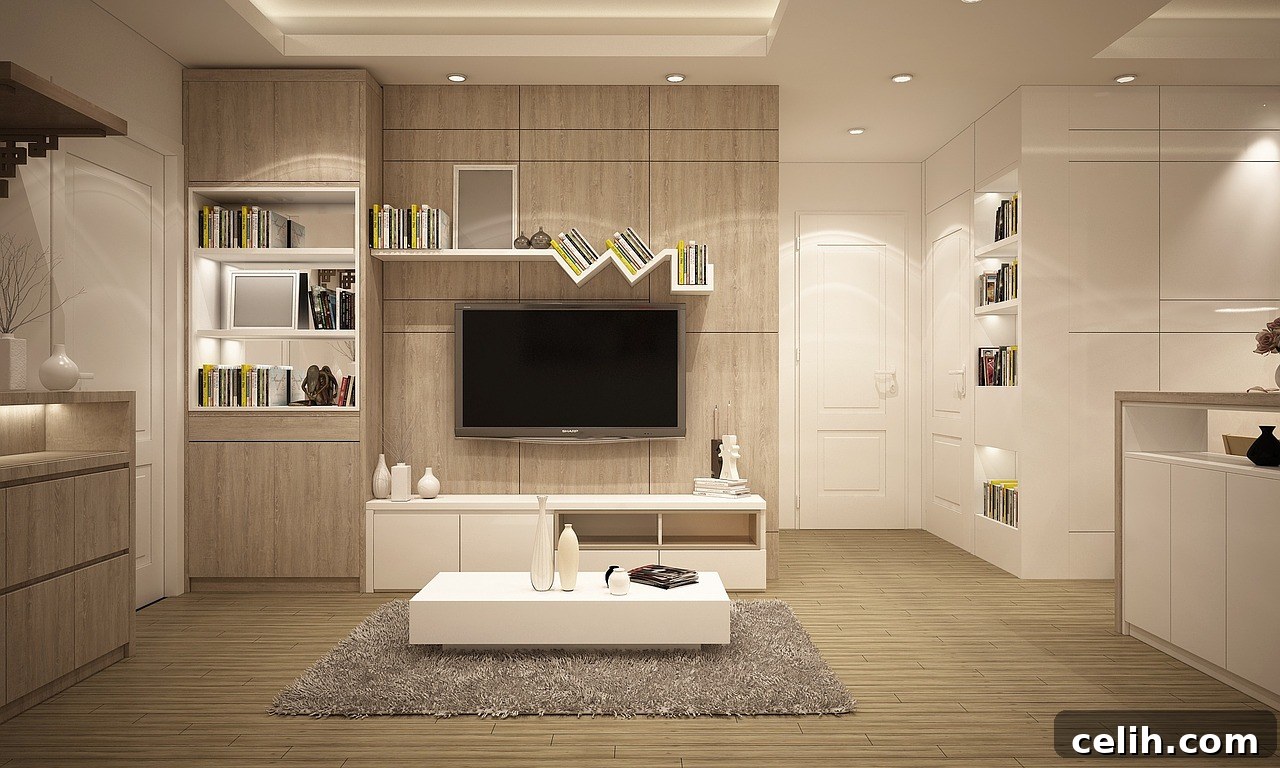
Unlock the Potential: Masterful Strategies for Maximizing Small Living Spaces
Living in a compact home presents unique challenges, yet it also offers incredible opportunities for creativity and smart design. Rather than seeing a small footprint as a limitation, view it as a canvas for ingenious solutions that enhance comfort, functionality, and aesthetic appeal. The secret lies in a clever approach to color palettes, innovative storage solutions, and diligent decluttering. By employing strategic design techniques, you can transform even the coziest dwelling into a remarkably spacious, inviting, and highly efficient sanctuary. This comprehensive guide will share ten expert tips to help you make the absolute most of your small space, creating an environment that feels expansive and effortlessly stylish.
1. Embrace Simplicity: Opt for Blinds Over Curtains
In the quest for maximizing space, every detail matters, especially when it comes to window treatments. Traditional curtains, with their often bulky fabrics and elaborate drapes, can visually shrink a room, taking up valuable real estate around windows and blocking precious natural light. Their voluminous nature can make a small space feel heavy and enclosed. Instead, switch to sleek blinds or modern roller shades. Blinds offer a clean, uncluttered line, providing efficient light control and privacy without the visual weight. They recede into the window frame, contributing to an open, contemporary aesthetic that instantly makes a room appear larger and more streamlined. Consider light-colored or translucent blinds to further amplify natural light penetration and maintain an airy feel.
2. The Art of Decluttering: Liberate Your Space
For those residing in smaller living environments, maintaining a clutter-free home isn’t just about aesthetics; it’s a fundamental necessity. Excess possessions can quickly overwhelm a compact area, making it feel chaotic, cramped, and stressful. Embrace the philosophy of minimalism by regularly purging items you no longer use, need, or love. Implement a “one in, one out” rule to prevent new purchases from accumulating. By systematically decluttering each room, you create clear pathways, open surfaces, and visual breathing room. A tidy, well-organized space not only feels larger but also promotes a sense of calm and order, enhancing your overall well-being. This ongoing process transforms your home into a truly functional and enjoyable haven.
3. Bring the Outside In: Enhance Your Living Space with Plants
Even if you lack a sprawling garden, or any outdoor space at all, you can still infuse your small home with life and create an illusion of expansive greenery through strategic placement of indoor plants. Potted plants on window sills or shelves can introduce vibrant natural elements, connecting your interior with the outdoors. Consider elegant trailing plants that can drape from hanging planters or climb shelves, drawing the eye upwards and adding vertical interest without consuming floor space. For a more sophisticated touch, train climbing plants like ivy or miniature roses to frame your windows, mimicking the grandeur of a garden view. Plants not only purify the air and boost mood but also add texture, color, and a sense of vitality to any compact setting. Explore resources like the Ashridge Nurseries website for inspiration on suitable indoor and climbing varieties.
4. Invest Wisely: Choose Dual-Purpose Furniture
In a small living space, every piece of furniture must earn its keep. Opting for multi-functional items is a cornerstone of smart design. Sofa beds, for instance, serve as comfortable seating during the day and transform into guest beds at night, eliminating the need for a separate guest room. Storage ottomans or trunks can double as coffee tables, footrests, or extra seating while concealing blankets, books, or media accessories within. Nesting tables are another brilliant solution, providing multiple surfaces when needed and easily tucking away into a single unit to save space. Look for beds with built-in drawers, dining tables that extend or fold away, and wall-mounted desks. These ingenious pieces are more than just furniture; they are versatile solutions that maximize utility and adaptability, making your small home feel incredibly efficient and dynamic.
5. The Power of Perception: Create Optical Illusions with Paint
The strategic use of color can profoundly influence the perception of space. As noted by design experts at House to Home, the simplest way to enhance the sense of spaciousness in a living room is to paint it in soft, light pastel shades. These hues reflect light, making walls appear to recede and creating an airy, open, and inviting atmosphere. Avoid painting all walls of a small room with dark, rich colors, as these tend to absorb light and make the space feel smaller, cozier, and potentially more cramped. If you desire a touch of drama, consider an accent wall in a slightly darker, cool tone. This can add depth without overwhelming the room. Alternatively, painting the ceiling a lighter shade than the walls can draw the eye upward, giving the illusion of higher ceilings and a more expansive feel.
6. Let There Be Light: Maximize Natural Illumination
Light is a powerful tool for opening up small spaces. Maximizing both natural and artificial light can make a room feel significantly larger, brighter, and more welcoming. Strategically placed mirrors are your best allies here; a large mirror hung on a wall directly opposite or adjacent to a window will brilliantly reflect the incoming light, effectively doubling the perceived size and brightness of the room. Beyond mirrors, ensure your windows are unobstructed by heavy drapes or clutter. Opt for sheer curtains or blinds (as mentioned earlier) that allow light to filter through. Keep windows impeccably clean to maximize their light-gathering potential. Additionally, incorporate layered artificial lighting, including ambient ceiling fixtures, task lighting (like reading lamps), and accent lighting (like sconces), to brighten dark corners and create a warm, inviting glow that extends the visual boundaries of the space.
7. Design with Depth: Enhance Your Recesses
Many older homes, and even some newer constructions, feature architectural quirks like recesses or alcoves, often on either side of an old fireplace or chimney breast. Instead of viewing these as awkward, unusable spaces, transform them into intentional design features that add depth and character to your room. While the main walls might be painted in light, expansive shades, consider painting these alcoves in a slightly darker or contrasting color. This creates an optical illusion, making the recesses appear to recede further into the wall, thus adding an immediate sense of depth and architectural interest to the room. These areas can then be further enhanced with custom-built shelves, a small desk, or curated decorative items, turning an overlooked nook into a functional and visually appealing focal point.
8. Ingenious Organization: Be Clever with Storage Solutions
Effective storage is paramount in a small home. Beyond standard cupboards, look for unconventional spaces and turn them into storage opportunities. Awkward nooks under stairs, the eaves of a roof, or tight corners can be transformed with bespoke shelving, custom cabinetry, or modular units. Think vertically: tall, narrow bookshelves, wall-mounted floating shelves, and floor-to-ceiling units draw the eye upwards and free up valuable floor space. Consider storage solutions that integrate seamlessly into the architecture, such as built-in window seats with hidden compartments or kick-drawer storage in kitchen cabinets. The website Homify offers inspiring ideas for fitting shelves and storage into even the most challenging and irregular areas, proving that every square inch has potential.
9. Rethink the Bathroom: Banish Your Bath
The bathroom is often one of the smallest rooms in a house, and a traditional bathtub can consume a significant portion of its footprint. If space is at an absolute premium and a bath isn’t a daily necessity, consider replacing it with a sleek, modern shower enclosure. A walk-in shower or a corner unit can free up a remarkable amount of space, instantly making the bathroom feel larger and more functional. To further enhance this effect, opt for clear glass shower panels instead of frosted or opaque screens. Clear glass allows light to flow uninterruptedly through the room and maintains visual continuity, preventing the shower from fragmenting the space. This simple change can make your bathroom feel open, airy, and distinctly more luxurious.
10. Less is More: Don’t Crowd Your Rooms with Furniture
While some essential pieces of furniture are indispensable, resist the urge to fill every available spot. An overcrowded room feels smaller, cluttered, and stifling. Instead of investing in numerous bulky wardrobes and chest of drawers, prioritize built-in shelving, custom cupboards, or tall, slender units that make the most of vertical space. Embrace the concept of negative space; leaving open areas on the floor and between furniture pieces creates a sense of flow and spaciousness. Consider eliminating non-essential items like large coffee tables, which often become magnets for clutter. Instead, use small, mobile side tables or nesting tables that can be tucked away. Every furniture purchase should be deliberate, serving a clear purpose and enhancing, rather than detracting from, the expansive feel of your living space.
By thoughtfully applying these ingenious design strategies, you can transcend the limitations of a small footprint. Your compact home doesn’t have to feel cramped; with clever planning, strategic choices, and a focus on simplicity, functionality, and light, it can be transformed into a comfortable, efficient, and visually expansive sanctuary that perfectly suits your lifestyle. Embrace the challenge, unleash your creativity, and unlock the full potential of your cherished small space.