
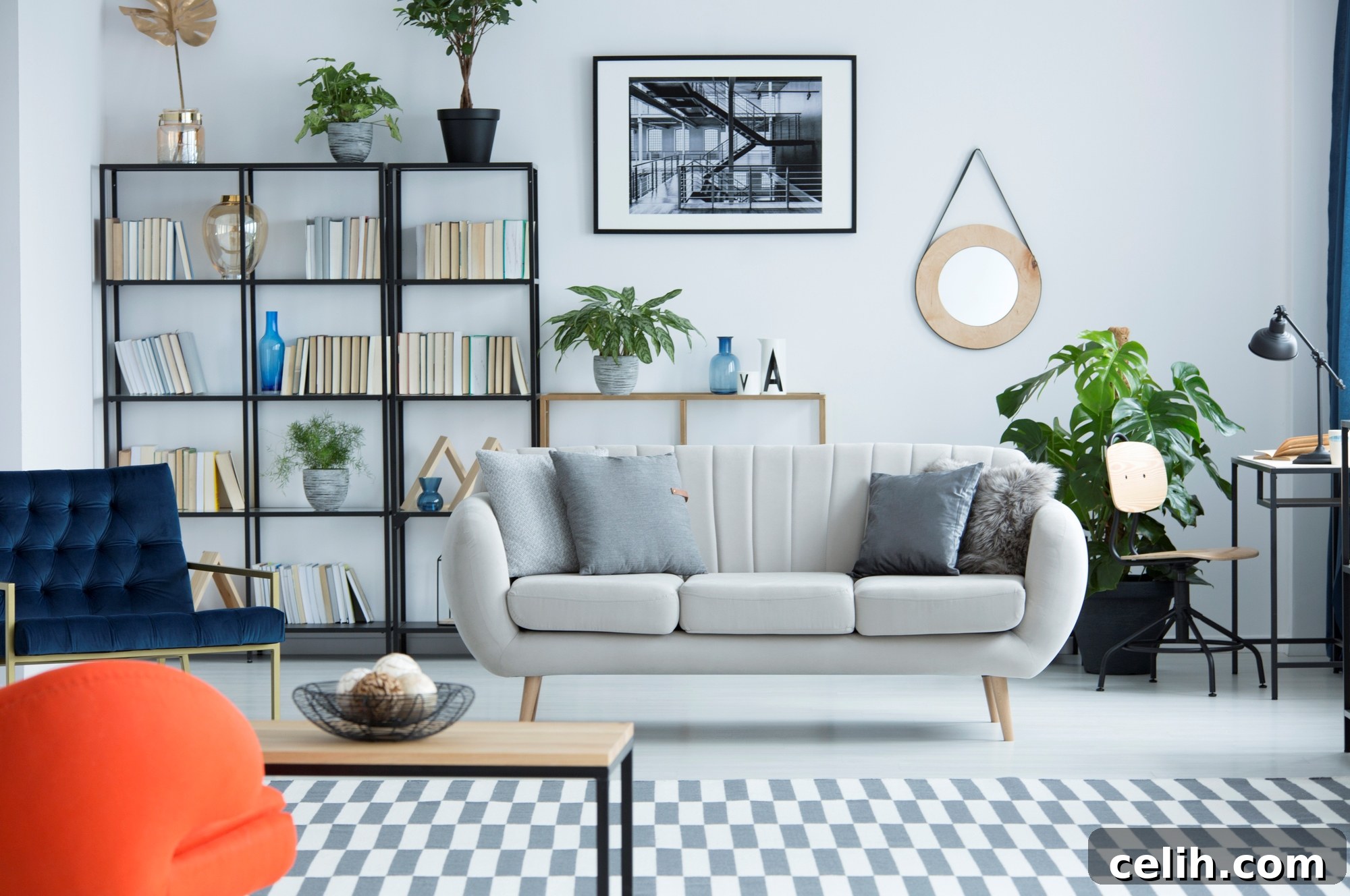
Transforming your living space into a captivating and inviting sanctuary can be remarkably achieved through the thoughtful application of framed art prints. These versatile decorative elements offer an unparalleled opportunity to infuse personality, introduce elegance, and cultivate a more enjoyable atmosphere within any room. Whether you’re an experienced art collector or just beginning to explore the world of interior design, understanding how to effectively select, frame, and arrange art prints can elevate your home’s aesthetic appeal significantly. This comprehensive guide will walk you through the essential steps and expert tips to revitalize your home using the timeless beauty of art prints.
1. Curating Your Collection: Choosing the Right Art Prints
The foundation of decorating with framed prints lies in selecting images that truly resonate with you and complement your home’s existing style. This initial step is more than just picking pretty pictures; it’s about crafting a visual narrative and setting the desired mood for your space.
Understanding Personal Style and Theme
Start by considering your personal tastes. Are you drawn to the serene beauty of landscapes, the dynamic energy of cityscapes, the thought-provoking nature of abstract pieces, or the intimate storytelling of portraits? Your choice of art should be a reflection of your identity and passions. For a cohesive aesthetic, you might opt for a unifying theme. This could range from the tranquility of nature, the vibrant pulse of urban environments, the classic elegance of black and white photography, or specific artistic movements like impressionism or minimalism. A well-chosen theme can tie disparate elements together, creating a harmonious visual flow.
The Psychology of Color and Mood
Colors play a pivotal role in dictating the atmosphere of a room. Warm hues like reds, oranges, and yellows can inject energy and excitement, making them ideal for living rooms or creative spaces. Conversely, cool tones such as calming blues and greens are perfect for fostering a tranquil and relaxing environment, suitable for bedrooms or reading nooks. Consider the existing color palette of your room and choose prints that either harmonize with it or provide a deliberate, impactful contrast. A monochromatic scheme can offer sophistication, while a burst of complementary colors can create striking focal points.
Scale and Subject Matter for Different Spaces
The size and subject matter of your chosen prints should also align with the function and scale of the room. A grand, expansive landscape print can open up a smaller room, while a series of smaller, intricate botanical prints might be better suited for a cozy corner or a hallway. Think about what each room needs: a conversation starter for the dining room, a calming presence for the bedroom, or an inspiring image for a home office. Exploring diverse sources—from online art marketplaces and local galleries to your own treasured photographs—will provide a wealth of options to perfectly match your vision.
2. The Art of Presentation: Print Quality and Framing
The impact of your chosen artwork is significantly amplified by the quality of the print and the elegance of its framing. These elements not only protect your art but also elevate its visual appeal, making it a true statement piece.
Prioritizing Print Quality
High-resolution prints are non-negotiable for achieving a professional and polished look. Sharp, clear images with rich, true-to-life colors will instantly enhance the aesthetic of your space. Look for prints made with archival inks on quality paper, such as fine art photographic paper or giclée prints, which are designed to last for decades without fading. The texture and finish of the paper—whether matte, semi-gloss, or metallic—can also subtly alter how the image is perceived, so consider what best suits the artwork and your decor.
Selecting the Perfect Frame and Mat
The frame acts as a border that defines and complements the artwork, linking it to the room’s decor. Classic wooden frames in versatile shades like black, white, or natural wood are excellent choices for modern or minimalist art, offering a clean, sophisticated edge. For traditional, rustic, or eclectic interiors, ornate, vintage-inspired, or metallic frames can add a touch of grandeur and character. Don’t overlook the power of matting; a well-chosen mat provides visual breathing room around the artwork, draws the eye inward, and prevents the print from touching the glass, offering an additional layer of protection. Single or double mats in neutral tones are often the most effective.
The Importance of Protective Glass
The type of glass used in your frame is crucial for both protection and viewing experience. Non-reflective or museum-quality glass minimizes glare, allowing the artwork to be seen clearly from various angles. UV-protective glass, on the other hand, safeguards your prints from harmful ultraviolet rays, which can cause colors to fade over time. While standard glass is an option, investing in better quality glass will ensure your cherished art remains vibrant and protected for years to come.
3. Mastering the Arrangement: Displaying Your Art Prints
The way you arrange your framed prints can dramatically influence the overall feel and visual dynamics of a room. A strategic arrangement transforms individual pieces into a cohesive and impactful display.
Creating a Focal Point
A single, commanding large print can serve as a powerful focal point in a room, immediately drawing the eye and setting the tone. When using a solitary piece, ensure it’s proportional to the wall space and furniture it’s placed above. It should be significant enough to stand alone and captivate attention.
Designing an Engaging Gallery Wall
For those with multiple smaller prints, a gallery wall offers an eye-catching and dynamic display. This creative arrangement allows you to tell a story or showcase a collection of related or even eclectic pieces. When planning a gallery wall, a few principles can ensure success:
- Consistent Spacing: Maintain a uniform gap (typically 2-4 inches) between each frame for a polished and harmonious look, even if the frames vary in size.
- Mix and Match: Don’t be afraid to combine different sizes and orientations (landscape and portrait) to add visual interest and break monotony. You can also mix art prints with mirrors, small decorative objects, or even meaningful souvenirs.
- Layout Planning: Before hammering nails, lay your arrangement out on the floor or create paper templates of each frame and tape them to the wall. This allows you to experiment with different configurations until you achieve a balanced and pleasing composition. Common gallery wall layouts include a symmetrical grid, a salon-style organic cluster, or a linear arrangement along a shelf.
Beyond the Wall: Alternative Display Ideas
Consider creative placements that extend beyond traditional wall hanging. Leaning larger framed prints against a wall on the floor or a console table can create a relaxed, contemporary vibe. Smaller prints can be artfully arranged on shelves, mantelpieces, or sideboards, often layered with other decorative items to create vignettes. These methods add depth and interest, especially in rooms where wall space is limited or you prefer a less formal look.
4. Optimal Presentation: Placement and Lighting
Strategic placement and thoughtful lighting are crucial elements that enhance the viewing experience of your framed art and integrate it seamlessly into your home environment.
The Perfect Height for Viewing
The general rule of thumb for hanging artwork is to position it at eye level. This typically means the center of the artwork should be approximately 57-60 inches (145-152 cm) from the floor. This height allows most people to comfortably enjoy the art without having to strain their neck by looking too far up or down. When hanging art above furniture, ensure there’s enough space between the bottom of the frame and the top of the furniture (usually 6-8 inches) to create a cohesive grouping.
Harnessing Natural Light (with Caution)
Natural light can dramatically enhance the beauty of your art prints, making colors pop and details stand out. Position your framed prints where they can benefit from ambient daylight. However, it’s vital to avoid direct sunlight, as prolonged exposure can cause colors to fade and damage the integrity of the print over time. If a print must be in a sunny spot, ensure it’s protected with UV-filtering glass.
Illuminating with Artificial Lighting
In spaces with limited natural light, or to emphasize your artwork in the evenings, artificial lighting becomes indispensable. Consider adding focused lighting elements like spotlights, track lights to highlight your pieces, or dedicated picture lights mounted directly above the frame. These lighting solutions can create dramatic effects, drawing attention to your art and adding depth to your room. When choosing light bulbs, opt for those that emit a color temperature similar to natural daylight (around 4000K-5000K) to ensure colors are accurately represented. Dimmable lights offer flexibility, allowing you to adjust the ambiance for different occasions.
5. Keeping it Fresh: Rotate Your Displays
One of the simplest yet most effective ways to maintain a dynamic and engaging home decor is by regularly rotating your art prints. This practice offers numerous benefits, breathing new life into your spaces without the need for significant investment or redecoration.
Renewing Ambiance and Perspective
Periodically swapping out your framed prints can dramatically alter the ambiance of your rooms. A change of scenery can make a familiar space feel new and exciting again. It also provides an opportunity to showcase different pieces from your collection, ensuring that all your treasured art gets its moment in the spotlight. This rotation can be seasonal—displaying brighter, lighter pieces in spring and summer, and richer, warmer tones in autumn and winter—or simply based on your evolving tastes and moods.
Showcasing Your Collection
If you have a growing collection of art prints, rotation allows you to enjoy a wider variety of pieces over time. Instead of having all your art on display at once, consider creating smaller, curated collections that can be interchanged. This strategy keeps your decor from feeling stagnant and allows you to fall in love with your art all over again each time you rotate it.
Practical Tips for Rotation
To make rotation easy, consider investing in simple hanging systems that allow for quick changes. Command strips or specific picture rail systems can simplify the process. When storing prints that are not on display, ensure they are properly protected in archival sleeves or flat storage boxes to prevent damage from dust, light, and humidity. This mindful approach to art display ensures your home always feels current, personal, and reflective of your present self.
6. Harmonizing with Your Home’s Style
For your framed art prints to truly shine, they must integrate seamlessly with your home’s existing style and color scheme. The goal is to create a cohesive and visually pleasing environment where every element feels purposefully chosen.
Complementing or Contrasting: Finding the Balance
Your art prints should either harmonize beautifully with your interior decor or provide a deliberate, impactful contrast that enhances the space. For instance, in a minimalist room characterized by clean lines and a neutral palette, selecting art with a similar understated aesthetic will reinforce the tranquil atmosphere. Conversely, introducing a vibrant, abstract piece into such a setting can serve as a striking focal point, injecting personality without overwhelming the space. The key is to ensure the art works with, not against, the existing design language.
Working with Color Palettes
Consider the dominant and accent colors in your room. You can choose prints that echo these colors, creating a sense of visual unity. Alternatively, select prints with a pop of a complementary color to add excitement and depth. For a sophisticated look, a monochromatic palette can be extended through art prints that feature varying shades and tones of the same color family present in your decor. Think about how the colors in your art will interact with your walls, furniture, and textiles.
Art and Architectural Styles
The architectural style of your home can also guide your art choices. Contemporary homes often pair well with modern, abstract, or graphic prints, emphasizing clean lines and open spaces. Traditional homes might benefit from classic landscapes, portraiture, or historical prints that align with a sense of heritage and formality. A rustic interior can be enhanced by nature-inspired prints, wildlife photography, or vintage botanical illustrations. Understanding this interplay ensures that your art selections feel natural and belonging.
Texture and Material Considerations
Beyond color and style, consider the textures of your prints and frames in relation to your room’s materials. A rough-textured canvas print might feel more at home in a space with natural wood and linen, while a sleek metal frame could complement glass and polished surfaces. This attention to detail creates a multi-layered aesthetic that speaks to thoughtful design.
7. Infusing Personal Touches: The Story Your Walls Tell
While aesthetically pleasing art is wonderful, truly making your space your own comes from incorporating elements that hold personal significance. Your walls can become a canvas for your life’s story, transforming a house into a cherished home.
The Power of Personal Connection
Incorporating photographs that evoke special memories, such as pictures from unforgettable travels, significant family events, or cherished moments with loved ones, adds an invaluable layer of warmth and authenticity to your decor. These pieces are more than just decoration; they are visual anchors of your personal history and values, creating an atmosphere that feels uniquely yours. They also serve as fantastic conversation starters, allowing guests to delve into the stories behind your life experiences.
Mixing the Personal with the Professional
Don’t hesitate to blend professional art prints with your personal photographs. A gallery wall, for instance, can artfully combine a beautifully captured travel photo with an abstract piece by an artist you admire, or a candid family portrait alongside a serene landscape print. This juxtaposition creates a dynamic and intimate atmosphere, demonstrating that good design can be both personal and sophisticated. The key is to ensure there’s a visual thread—perhaps through consistent framing, a shared color palette, or a thematic connection—that ties everything together.
Creating a Legacy Through Art
Framed personal portraits or milestone event photos can become treasured heirlooms, telling a family’s story across generations. Displaying children’s artwork in elegant frames, alongside more mature pieces, celebrates creativity and personal growth within the home. This intentional personalization ensures that your living space is not just decorated but curated with meaning, reflecting the very essence of your life and memories.
In conclusion, framed photography and art prints offer an incredibly versatile and impactful means to enhance your home’s decor. By carefully considering your personal style, prioritizing print and frame quality, strategically arranging your displays, optimizing placement and lighting, and infusing your unique personal touches, you can transform any living space into a truly beautiful, inviting, and personalized environment. Whether you’re seeking to create a serene sanctuary, an energetic hub, or a sophisticated gallery, the flexibility and aesthetic value of art prints make them an indispensable tool for home decoration. Embrace the journey of discovery and allow your walls to tell your story.