
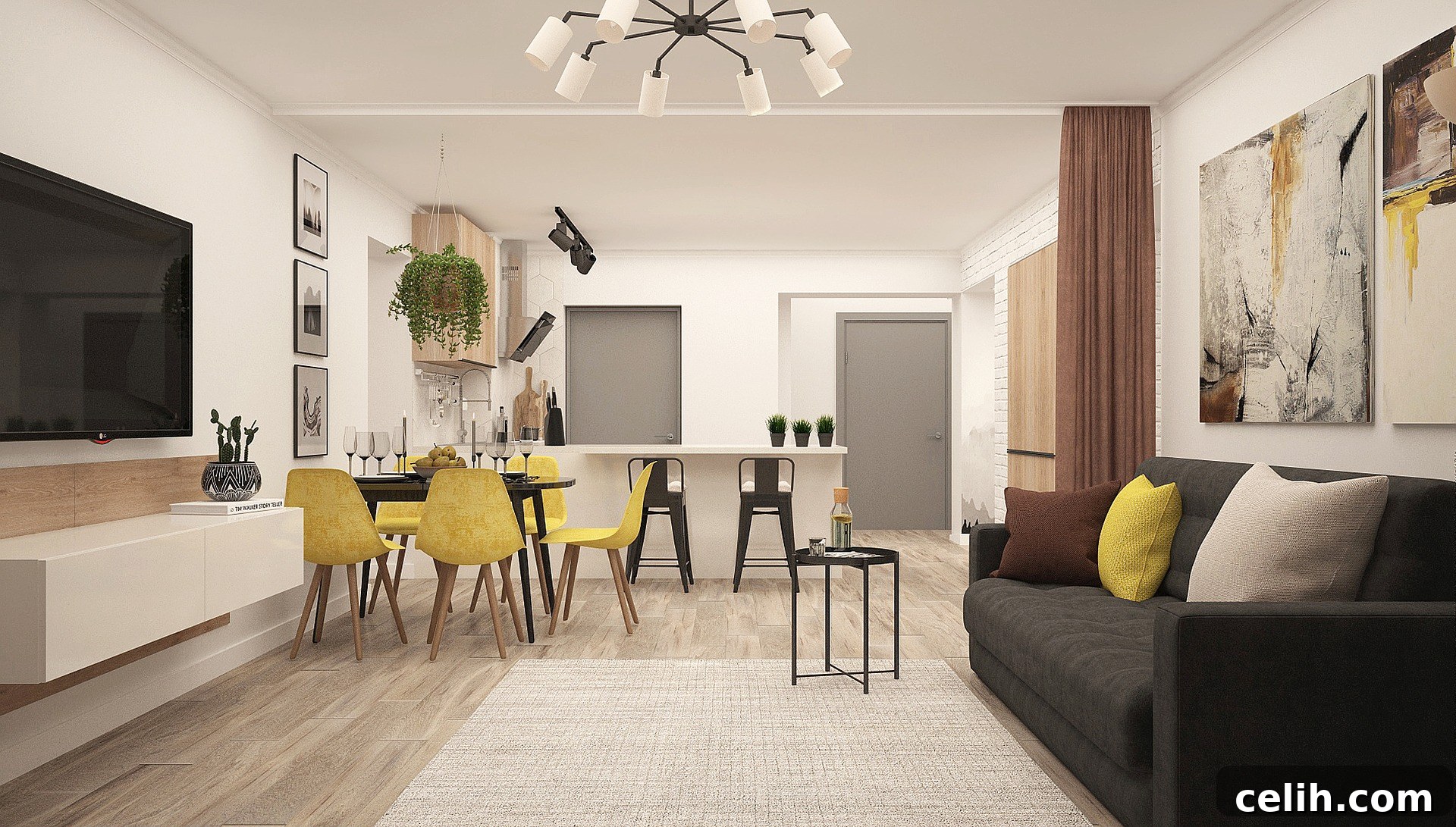
The living room often serves as the heart of a home, a sanctuary where families gather, guests are entertained, and daily life unfolds. Its ambiance and aesthetic significantly influence your mood and the overall feel of your home. If your living space is starting to look a little tired, uninspiring, or simply doesn’t reflect your current style, it might be time for a revitalization. A well-designed living room isn’t just about appearances; it’s about creating a functional, comfortable, and inviting environment that truly feels like home. This comprehensive guide, crafted to help you unlock your living room’s full potential, explores eleven impactful strategies to breathe new life into your space, making it more appealing, comfortable, and perfectly aligned with your personal taste and lifestyle.
1. Define Your Design Theme and Personal Style
Before making any significant changes, the foundational step to a successful living room revamp is choosing a cohesive design theme. This theme will serve as your guiding principle, ensuring every element you introduce contributes to a unified and harmonious look. Consider what styles truly resonate with you. Are you drawn to the clean lines and functionality of Modern design, the cozy textures of Scandinavian, the rustic charm of Farmhouse, the eclectic vibe of Bohemian, or perhaps the timeless elegance of Traditional? Take time to explore different aesthetics through design magazines, Pinterest boards, and home decor websites. Collaborate with family members to ensure the chosen theme reflects everyone’s preferences, creating a space where everyone feels comfortable and represented. A clear theme will simplify future decisions, from paint colors to furniture choices, preventing a mismatched or cluttered outcome.
2. Refresh with a Fresh Coat of Paint
One of the most transformative yet budget-friendly ways to update your living room is with a fresh coat of paint. Color has an incredible power to alter the perception of space, light, and mood. A new paint job can instantly make a room feel cleaner, brighter, and completely revitalized. When selecting a color, consider the overall theme you’ve chosen. Neutral shades like beige, gray, or off-white provide a timeless backdrop, offering versatility for various decor styles and making a room feel more spacious. For those desiring a bolder statement, vibrant hues such as deep blues, emerald greens, or warm terracotta can infuse personality and energy into the space. Don’t be afraid to experiment with an accent wall to introduce a pop of color without overwhelming the room. Remember to test paint swatches on your walls to see how the colors look under different lighting conditions before committing to a full repaint.
3. Optimize Your Lighting Scheme
Lighting is a crucial element in creating the desired atmosphere and functionality in your living room. A poorly lit room can feel dull, cramped, and uninviting, regardless of its decor. To enhance your living room’s ambiance, think in layers: ambient, task, and accent lighting. Ambient lighting, typically from ceiling fixtures, provides overall illumination. Task lighting, such as a floor lamp beside an armchair or a table lamp on a side table, is essential for activities like reading or crafting. Accent lighting, achieved with spotlights or dimmable fixtures, highlights artwork, architectural features, or specific decor pieces, adding depth and drama. Incorporate smart lighting solutions with dimmers to adjust brightness and color temperature, allowing you to easily transition from a bright, energetic space during the day to a cozy, relaxed haven in the evening. Maximizing natural light by cleaning windows and using sheer curtains can also dramatically brighten the room.
4. Create a Sense of Spaciousness and Order
A cluttered living room can be a source of stress and make it difficult to truly relax. Embracing a minimalist approach and creating more space can significantly improve your room’s functionality and aesthetic appeal. Start by decluttering: get rid of any items that no longer serve a purpose or bring you joy. Consider donating, selling, or repurposing items. Once decluttered, invest in smart storage solutions such as ottomans with hidden compartments, floating shelves, or multi-functional furniture that can serve multiple roles, like a coffee table with storage drawers. For smaller living rooms, strategic furniture placement can make a big difference. Avoid pushing all furniture against the walls; instead, arrange pieces to create conversation areas and define zones. Clever interior design tricks, like using mirrors to reflect light and expand visual space, or choosing furniture with exposed legs to create a sense of airiness, can make a small room feel much larger and more inviting.
5. Introduce Natural Elements with Greenery
Adding plants or fresh flowers is a simple yet incredibly effective way to infuse life, color, and a sense of calm into your living room. Greenery not only enhances aesthetic appeal but also offers numerous benefits, including improving air quality and boosting mood. A vibrant bouquet of fresh flowers on a coffee table or mantlepiece can instantly brighten the room and add a touch of elegance, perfect for impressing guests. For a more lasting impact, consider incorporating houseplants. Choose plants that thrive in your living room’s light conditions – from low-light tolerant snake plants to sun-loving fiddle-leaf figs. Strategically place larger potted plants to fill empty corners or smaller succulents and herbs on shelves and windowsills. If you lack a green thumb, high-quality artificial plants and flowers can offer the same visual appeal without the maintenance, ensuring your space always looks fresh and inviting.
6. Upgrade or Rearrange Your Furniture
Your living room furniture is arguably its most dominant feature, setting the tone for comfort and style. If your sofa or armchairs are showing significant signs of wear and tear, or simply no longer fit your aesthetic, it might be time for an upgrade. A new sofa can dramatically change the look and feel of your room. You don’t necessarily need to “splash the cash” on brand new pieces; consider exploring quality second-hand furniture stores, consignment shops, or online marketplaces for unique finds at a fraction of the cost. When selecting new furniture, prioritize comfort and functionality, ensuring pieces are appropriately sized for your space and align with your chosen design theme. Beyond purchasing new items, simply rearranging your existing furniture can offer a fresh perspective. Experiment with different layouts to improve traffic flow, create intimate conversation areas, or highlight a particular feature in the room. Don’t forget the power of soft furnishings like throw pillows and blankets to add texture, color, and comfort to your existing pieces.
7. Establish a Captivating Focal Point
Every well-designed living room benefits from a clear focal point – a design element that immediately draws the eye and anchors the space. This central feature helps guide furniture placement and overall decor. Common focal points include a majestic fireplace, a large entertainment center, a stunning piece of artwork, or a window offering a picturesque view. If your living room lacks a natural focal point, you can easily create one. Consider a striking accent wall in a bold color or wallpaper, a uniquely designed bookshelf, or a large, captivating mirror. Even a beautifully styled coffee table or an interesting architectural feature can serve as your room’s anchor. Once your focal point is established, arrange your seating and other decor around it to enhance its prominence and create a cohesive, inviting arrangement that encourages conversation and captivates your guests.
8. Enhance Comfort and Ambiance
A truly inviting living room prioritizes comfort, ensuring it’s a cozy haven year-round. Beyond aesthetic appeal, consider elements that contribute to a comfortable living environment. Proper insulation and efficient windows, such as double-glazed units, can significantly impact indoor temperature control, keeping your room warm in winter and cooler in summer, while also reducing external noise. If you’re considering such an upgrade, researching local professionals for quotes and installation services is a wise step. Additionally, incorporate soft textures like plush rugs, throws, and decorative cushions that invite relaxation. A well-chosen area rug can define zones, add warmth underfoot, and introduce color and pattern. Consider adding an electric fireplace or decorative candles to create a warm, flickering glow that enhances the room’s ambiance, making it feel more intimate and serene. Every detail that contributes to sensory comfort will elevate your living room experience.
9. Curate Art and Decorative Accents
Bare walls can make a living room feel impersonal and unfinished. Introducing art pieces, photographs, and decorative accents is an excellent way to inject personality, color, and visual interest into your space. Create a gallery wall with a mix of framed prints, paintings, and personal photos to tell a story. When selecting art, ensure pieces complement your chosen color scheme and overall theme. Consider the scale of your art relative to the wall space and surrounding furniture; a large statement piece can be as impactful as a carefully curated collection. Beyond wall art, decorative objects like sculptures, unique vases, or carefully arranged books on shelves can add layers of texture and character. However, remember to exercise restraint to avoid clutter. The goal is to create a visually appealing collection that feels curated and intentional, offering guests interesting details to discover without overwhelming the senses.
10. Harmonize with Color and Texture Coordination
Achieving a cohesive and aesthetically pleasing living room often comes down to successful color and texture coordination. This involves ensuring that every element – from your wall color and furniture upholstery to your art pieces, accessories, and flooring – works in harmony. Begin by defining your primary color palette, typically consisting of one or two main colors, complemented by a few accent hues. Use the 60-30-10 rule: 60% dominant color (walls, large furniture), 30% secondary color (curtains, smaller furniture), and 10% accent color (accessories, art). Incorporate various textures, such as soft velvet cushions, chunky knit throws, sleek metallic accents, and natural wood furniture, to add depth and warmth, preventing the room from feeling flat. When colors and textures are thoughtfully combined, they create a balanced and inviting atmosphere that flows effortlessly, making your living room a truly stylish and comfortable sanctuary.
11. Personalize with Thoughtful Touches
Finally, to truly make your living room unique and reflective of you, infuse it with thoughtful personal touches. Beyond furniture and paint, these are the elements that tell your story and make a space feel genuinely lived-in and loved. Display family photos in elegant frames, showcase souvenirs from your travels, or feature cherished heirlooms. Add scented candles or diffusers with your favorite fragrances to engage the sense of smell and create a calming or invigorating atmosphere. A carefully curated collection of books on a shelf, a cozy reading nook with a personalized throw, or even a custom piece of furniture can add character and warmth. These small, meaningful additions transform a mere room into a deeply personal haven where you can relax, entertain, and truly feel at home.
Your living room should be a reflection of your personality and a haven where you can comfortably unwind after a long day. By implementing these eleven strategies, you can transform your space into a stylish, cozy, and highly functional environment that you and your guests will adore. Whether you’re refreshing with a new paint color, optimizing lighting, decluttering for spaciousness, or curating personal decor, each step contributes to creating the inviting living room you’ve always dreamed of. Embrace the journey of renovation and enjoy the profound impact a beautifully designed living room can have on your daily life.
Images: Courtesy of Pixabay