
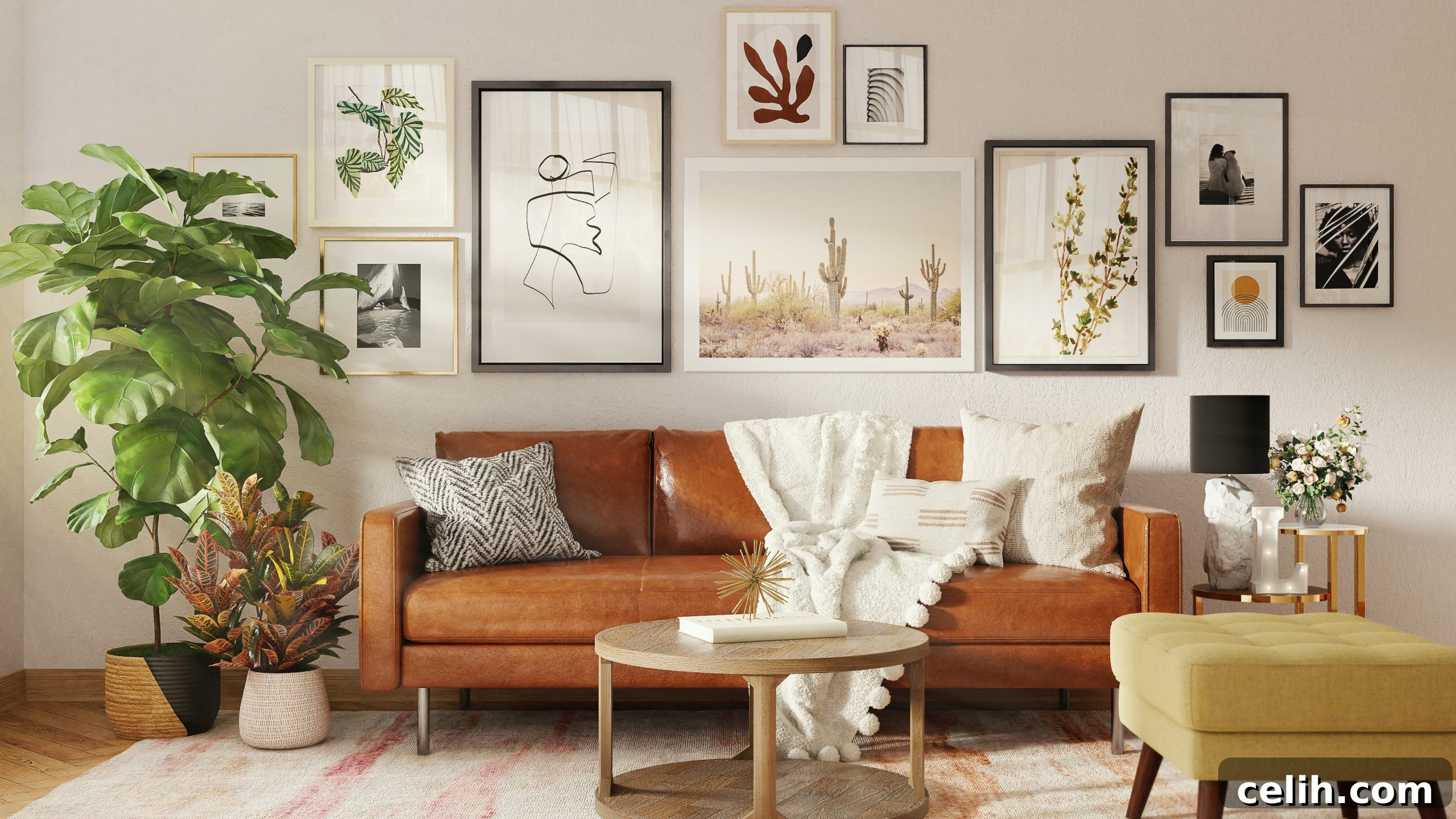
Have you ever stepped into a home and instantly felt a sense of calm, comfort, and seamless functionality? Or perhaps walked into a space where every element seemed to effortlessly contribute to daily ease? Creating a truly liveable home extends far beyond mere aesthetic appeal; it’s about crafting environments that actively enrich our daily lives, foster overall well-being, and authentically mirror our unique personal style.
In today’s fast-paced world, our homes serve as sanctuaries, offering refuge and rejuvenation. They should be more than just structures; they should be dynamic spaces that adapt to our evolving needs, inspire creativity, and provide an inviting backdrop for life’s many moments. This comprehensive guide will delve into practical, impactful design strategies and innovative solutions that can fundamentally transform your house into a more functional, comfortable, and deeply inviting home.
1. Maximise Space and Functionality for Enhanced Living
One of the foundational pillars of a truly liveable home is the intelligent utilisation of every available inch. Whether you’re navigating the challenges of a compact apartment or seeking to optimise a more expansive residence, strategic space management can profoundly elevate your quality of life. Effective space planning ensures that your home not only looks organised but also functions with maximum efficiency, making everyday routines smoother and more enjoyable.
By focusing on clever design choices and innovative storage solutions, you can create a perception of greater space, reduce clutter, and ensure that your home feels both airy and purposeful. Let’s explore key strategies for unlocking your home’s full potential, ensuring every corner contributes to a more streamlined and comfortable living experience.
Embrace Multi-Functional Furniture for Smart Living
Investing in furniture pieces that serve multiple purposes is a hallmark of intelligent design and a crucial step towards maximising functionality in any home. These versatile items are particularly invaluable in smaller spaces, where every piece must earn its place, but they also bring significant advantages to larger homes by enhancing flexibility and reducing clutter.
Consider the humble high-quality ottoman, for instance. Far more than just a footrest, a well-chosen ottoman can transform into additional seating for guests, a convenient side table for drinks and snacks, or even a chic coffee table when topped with a decorative tray. Look for models that incorporate hidden storage, offering a discreet solution for stashing blankets, remote controls, magazines, or children’s toys, keeping your living area tidy and organised.
The beauty of multi-functional furniture lies in its ability to adapt to varying needs and situations, providing practical solutions without compromising on style. This approach reduces the need for numerous single-purpose items, contributing to a less cluttered and more spacious feel.
Other ingenious multi-functional furniture ideas that can significantly enhance your home’s adaptability include:
- Dining Tables with Built-in Leaf Extensions: Perfect for everyday meals, these tables can easily expand to accommodate larger gatherings, providing flexibility without requiring a separate, bulky table for special occasions.
- Murphy Beds or Sofa Beds: Ideal for guest rooms, home offices, or even studio apartments, these solutions allow a space to transition seamlessly between sleeping quarters and daytime functionality, ensuring maximum utility.
- Nesting Tables: A set of nesting tables offers incredible versatility. They can be stacked together to save space, then separated to provide multiple surface areas for drinks, books, or decor when entertaining or simply needing extra utility.
- Storage Benches or Window Seats: These pieces offer comfortable seating while discreetly concealing ample storage underneath, perfect for entryway clutter, seasonal items, or extra linens.
- Coffee Tables with Lift-Tops: Transforming into a convenient workspace or dining surface, these tables are perfect for remote workers or those who enjoy eating in front of the television, often with added storage underneath.
By thoughtfully integrating these adaptable pieces, you can create a home that is dynamic, efficient, and perfectly suited to the ebb and flow of modern living, making every space work harder and smarter for you.
Optimise Vertical Space for Clutter-Free Living
When considering ways to expand your home’s functionality and maintain an organised environment, don’t overlook the often-underutilised potential of your walls. Vertical storage solutions are game-changers, freeing up valuable floor space, reducing visual clutter, and creating an open, airy feel throughout your home. This strategy is particularly effective in smaller rooms but offers benefits in any space seeking better organisation and aesthetic appeal.
Incorporating vertical elements not only helps in decluttering but also adds visual interest and character to your interiors. Think beyond traditional bookshelves; the possibilities for vertical optimisation are extensive and can be tailored to various rooms and needs.
- Install Floating Shelves: These sleek, minimalist shelves are perfect for showcasing books, decorative items, cherished photographs, or everyday essentials. They provide storage without the bulk of traditional units and can be arranged in creative configurations to enhance any wall. Choose materials and finishes that complement your existing decor for a cohesive look.
- Utilise Pegboards in Offices or Craft Rooms: Pegboards are incredibly versatile and customisable. With a variety of hooks, bins, and shelves, they can hold tools, craft supplies, office stationery, or even small plants. Their modular nature allows for easy rearrangement as your storage needs evolve, making them a practical and dynamic solution.
- Hang Pots and Pans from a Ceiling Rack in the Kitchen: This classic kitchen hack not only saves cupboard space but also keeps frequently used cookware within easy reach. A stylish ceiling rack can become a focal point, adding a touch of rustic charm or industrial chic to your kitchen design while improving workflow.
- Install Wall-Mounted Cabinets or Built-in Units: In areas like bathrooms, laundry rooms, or even living rooms, slim wall-mounted cabinets can provide significant storage for toiletries, cleaning supplies, or media, keeping items out of sight and neatly organised. Custom built-ins can integrate seamlessly with your architecture, offering bespoke storage solutions.
- Door-Back Organisers: Don’t forget the back of doors! Over-the-door shoe organisers, pantry racks, or towel hooks can provide convenient, hidden storage for a multitude of items, from shoes and accessories to spices and cleaning products.
| Expert Installation Tip: When installing any form of vertical storage, always ensure you’re using appropriate wall anchors or finding wall studs to securely support the anticipated weight of your items. Neglecting this crucial step can lead to damage or, more importantly, create safety hazards. Professional installation for heavier items can provide peace of mind. |
By strategically looking up and harnessing the power of vertical space, you can transform cluttered areas into well-organised, aesthetically pleasing, and highly functional zones, contributing significantly to a more spacious and liveable home environment.
Create Distinct Zones in Open-Plan Spaces for Harmony
Open-plan living has long been celebrated for its modern appeal and sense of spaciousness. However, without thoughtful planning, these expansive areas can sometimes feel unstructured, chaotic, or lack the intimacy of more defined rooms. The key to successful open-plan design lies in creating distinct zones that provide both visual separation and functional purpose, making the entire space feel cohesive, comfortable, and inviting.
By artfully defining different areas for living, dining, and perhaps even a small workspace, you can transform a large, undifferentiated room into a series of purposeful environments, each with its own character and utility. This approach enhances both the aesthetics and the practical usability of your home, ensuring that while the space remains open, it never feels overwhelming or disorganised.
Here’s how you can expertly transform an open-plan area into a well-organised, harmonious, and truly purposeful environment, ensuring every section serves its intended function while complementing the whole:
| Method | What It Does | Styling Tip |
| Area Rugs | Clearly delineates specific functions or moods, such as a cosy living area from a vibrant dining space. They anchor furniture and create a sense of boundary without physical walls. | Opt for different rugs with complementary styles, textures, or colour palettes for each zone. Ensure rugs are appropriately sized to fit under all key furniture pieces of that zone for a unified look. |
| Furniture Placement | Strategically arranging furniture creates natural boundaries and visual cues that guide movement and define areas. Sofas can act as soft walls, and consoles can mark transitions. | Position larger pieces like sofas, sectionals, or bookshelves to visually separate one functional area from another. Ensure backs of sofas are visually appealing or use a console table behind them. |
| Lighting | Using varied lighting schemes allows you to highlight individual zones, setting different moods and aiding specific activities. Layered lighting is crucial for both function and ambiance. | Employ pendants over dining tables, floor lamps for reading nooks, and table lamps for soft general illumination in seating areas. Use dimmers to adjust intensity for different times of day or activities. |
| Room Dividers | These elements provide structure and a sense of enclosure without entirely closing off the space, maintaining an open feel while adding definition and sometimes storage. | Consider open shelving units, decorative screens (like slatted wood or metal), or even large indoor plants to provide a subtle visual break. These can also serve as display areas. |
| Colour and Texture | Subtle shifts in wall colour, wallpaper, or varying textures in upholstery and decor can differentiate zones, even within a largely open scheme. | Use a feature wall in one zone, or introduce a distinct colour palette for accessories like throw pillows and curtains. Ensure a consistent underlying theme to maintain flow. |
By implementing these zoning techniques, you can enjoy the expansive feel of an open-plan layout while benefiting from the order, intimacy, and defined purpose that traditional rooms offer. This balance is key to creating a truly comfortable and adaptable home.
2. Enhance Functionality with Innovative Bathroom Solutions
Often overlooked in the pursuit of a liveable home, the strategic placement and efficient operation of bathrooms significantly contribute to overall comfort, convenience, and property value. While standard plumbing can limit where you can add a bathroom, modern innovations offer remarkable flexibility to expand your home’s functionality.
One such game-changer is the installation of an efficient full-bath macerating system. This innovative technology is designed to handle all the waste components of a complete bathroom – including the sink, toilet, bathtub, and shower – allowing for their installation in locations traditionally deemed impossible due to the absence of conventional gravity drainage or proximity to the main sewage line. This system uses a powerful motor and cutting blades to liquefy waste, which is then pumped under pressure through small-diameter pipes to the main drain, offering unparalleled freedom in design and planning.
The macerating system offers unmatched flexibility and convenience, making it an ideal solution for a multitude of scenarios:
- Basement Conversions: Transform an unfinished basement into a fully functional guest suite, an in-law apartment, or a vibrant entertainment area with a convenient full bathroom.
- Attic Renovations: Convert a dusty attic into a luxurious master suite with an en-suite bathroom, adding significant living space and value.
- Garage Transformations: Repurpose an attached garage into a home office or workshop with an accompanying bathroom, enhancing usability.
- Adding a Bathroom Anywhere: Install a full bathroom in a remote corner of your home, an outbuilding, or even in a commercial space without the need for extensive and costly excavation or plumbing rerouting.
- Upgrading Half Baths: Easily convert an existing half-bath into a full bathroom, adding a shower or tub to meet evolving family needs or guest requirements.
Without such innovative plumbing solutions, you might find your home struggling with limitations: reduced functionality, stagnant resale value, and the inability to adapt your living spaces as your family grows or your lifestyle changes. The traditional constraints of plumbing can dictate your home’s layout, forcing compromises on convenience and comfort.
By future-proofing your home with an efficient full-bath macerating system, you dramatically improve its livability and appeal. Imagine the luxury and convenience of a fully operational bathroom precisely where you need one, eliminating morning queues, offering private guest accommodations, or simply enhancing the everyday comfort of your household. This innovative solution not only resolves plumbing challenges but also empowers you to unlock your home’s full potential, creating adaptable, valuable, and truly comfortable living environments.
3. Cultivate a Dedicated Relaxation Oasis for Mind and Body
In the whirlwind of modern life, designating a specific area in your home purely for relaxation and stress relief is not a luxury, but a necessity for maintaining mental and physical well-being. A dedicated relaxation space offers a much-needed sanctuary, a personal retreat where you can disconnect from daily pressures, recharge, and rediscover peace.
Creating such a haven can significantly improve mental health, reduce anxiety, and enhance overall quality of life by providing a consistent opportunity for mindfulness and self-care. The design of this space should prioritise comfort, tranquility, and sensory appeal, transforming it into your personal oasis.
Consider these ideas for crafting your ideal relaxation zone:
- Cosy Reading Nook: Outfit a quiet corner with a comfortable armchair or a plush bean bag. Add a soft throw blanket, a small side table for your tea or book, and a warm, adjustable reading lamp. Shelves filled with your favourite books can enhance the inviting atmosphere.
- Meditation Corner: Dedicate a minimalist space with a meditation cushion or mat. Incorporate calming elements like a small essential oil diffuser, soft, indirect lighting, and a few meaningful decorative objects. Keep the area free from clutter to promote mental clarity.
- Small Indoor Garden: For nature lovers, a corner filled with lush indoor plants can be incredibly soothing. Choose plants known for their air-purifying qualities and pleasant aesthetics. Add a comfortable chair and perhaps a small tabletop water fountain for the gentle sound of flowing water.
- Mindful Crafting Station: If your relaxation comes from creative pursuits, set up a small, organised desk or table with your favourite art supplies, knitting projects, or journaling materials. Ensure good lighting and a comfortable, ergonomic chair.
When designing these spaces, remember to incorporate elements that stimulate your senses in a positive way:
- Comfortable Seating: Choose furniture that not only looks appealing but also provides excellent ergonomic support. An oversized armchair, a chaise lounge, or even floor cushions can invite deep relaxation and support good posture.
- Soft Textures: Introduce a variety of plush textures through pillows, throws, blankets, and rugs. These elements add warmth, visual interest, and a tactile sense of comfort and luxury.
- Elements of Nature: Beyond plants, consider a small tabletop fountain for soothing sounds, natural wood accents, or artwork depicting serene landscapes. Natural light, when possible, is also a powerful mood enhancer.
- Ambient Lighting: Steer clear of harsh overhead lighting. Instead, opt for lamps with warm, soft light, dimmers, or even string lights to create a calming glow. Candles (with appropriate safety precautions) can also contribute to a serene atmosphere.
- Aromatic Scents: Use essential oil diffusers with calming scents like lavender, chamomile, or cedarwood, or light beeswax candles to subtly enhance the ambiance.
“Relaxation techniques such as deep breathing, meditation, and mindfulness, can reduce stress, lower anxiety, and enhance your overall sense of well-being. These practices help you build resilience, enabling you to handle challenges more effectively, fostering a sense of peace and improving sleep quality.” — University Counseling Center, University of Toledo
By mindfully crafting a dedicated relaxation space, you are investing in your own well-being, providing a personal haven that will serve as a continuous source of tranquility and rejuvenation within your liveable home.
4. Prioritize Indoor Air Quality for Optimal Health and Well-being
The air we breathe within our homes, often unseen, exerts a profound impact on our health, comfort, and overall well-being. Poor indoor air quality can contribute to allergies, respiratory issues, headaches, and general malaise. Creating a truly liveable home means actively managing and improving the purity of your indoor atmosphere. By implementing a few key strategies, you can ensure your home is a sanctuary of fresh, clean air.
- Invest in High-Quality Air Purifiers: Modern air purifiers are designed to effectively filter out a wide range of airborne contaminants, including allergens (pollen, pet dander), dust, mould spores, volatile organic compounds (VOCs), and even certain viruses and bacteria. Look for models with HEPA filters for particulate matter and activated carbon filters for odours and gases. Placing them in main living areas and bedrooms can make a significant difference.
- Introduce Air-Purifying Indoor Plants: Nature offers a beautiful and effective way to enhance indoor air quality. Certain houseplants are renowned for their ability to absorb toxins and release oxygen. Popular choices include snake plants, peace lilies, pothos, spider plants, and Boston ferns. These not only naturally freshen the air but also add aesthetic appeal and a calming touch to your decor.
- Ventilate Regularly and Effectively: One of the simplest yet most powerful ways to improve indoor air is through regular ventilation. Open windows and doors daily, even if just for 10-15 minutes, to allow fresh outdoor air to circulate and flush out stale, contaminated indoor air. Use exhaust fans in bathrooms during and after showering to remove moisture and prevent mould, and in kitchens while cooking to eliminate smoke, grease, and food odours.
- Maintain Optimal Humidity Levels: Both excessively high and low humidity can negatively impact indoor air quality. High humidity encourages the growth of mould, mildew, and dust mites, while very low humidity can dry out nasal passages and aggravate respiratory conditions. Use a dehumidifier in damp areas like basements and a humidifier in very dry climates to maintain a comfortable and healthy range of 30-50% relative humidity.
- Choose Non-Toxic Cleaning Products and Materials: Many conventional cleaning products, paints, and building materials release VOCs and other harmful chemicals into the air. Opt for eco-friendly, natural, and VOC-free cleaning solutions and low-VOC paints and finishes whenever possible. This significantly reduces your household’s exposure to indoor chemical pollutants.
- Regularly Clean and Maintain HVAC Systems: Your heating, ventilation, and air conditioning (HVAC) system is crucial for air circulation. Ensure you change your HVAC filters regularly (every 1-3 months, depending on usage and household conditions) to prevent dust, allergens, and other particulates from recirculating. Consider professional duct cleaning every few years to remove accumulated debris.
A good tip from commercial shop fitters that home owners should take note of is upgrading your HVAC system’s filtration. Commercial environments demand superior air quality, and their solutions are highly effective for homes. They often recommend installing high-efficiency particulate air (HEPA) filters, which are capable of trapping 99.97% of airborne particles 0.3 microns or larger, including pollen, mould, dust, and pet dander. Alternatively, adding UV purification systems directly within your ductwork can effectively target and neutralise airborne bacteria, viruses, and fine dust particles, providing an extra layer of protection. This is especially valuable in urban areas with higher outdoor pollution, or for households with allergies, asthma, or other respiratory concerns. Regular maintenance and timely replacement of these advanced filters and UV lamps are essential to ensure they continue working efficiently, providing cleaner, healthier air year-round and contributing to a truly restorative home environment.
5. Infuse Your Home with Personal Style: The Heart of Liveable Design
A house truly transforms into a home when it reflects the unique personality of its inhabitants and gracefully evolves with their changing lifestyles. It’s in the personal touches, the curated collections, and the intentional expressions of self that a space moves beyond mere shelter to become a deeply inviting, comfortable, and restorative sanctuary. Personalising your environment not only makes it feel authentically yours but also ensures it remains fresh, engaging, and a true reflection of who you are and what you love.
This process is about celebrating your memories, passions, and aesthetic preferences, creating a narrative within your walls. It’s an ongoing journey of discovery and expression, ensuring your home resonates with your spirit. Here are some creative and impactful ideas to help you infuse your home with character and enhance its liveability through thoughtful personalisation:
Curate a Captivating Gallery Wall
A gallery wall is a dynamic and striking way to showcase your favourite memories, cherished artworks, or meaningful mementos, instantly injecting personality and a sense of history into any space. It transforms a blank wall into a focal point, telling a story that is uniquely yours. The beauty of a gallery wall lies in its versatility and the endless possibilities for creative expression.
To create a truly captivating display, resist the urge for uniformity. Instead, mix different frame sizes, materials, and styles – from ornate vintage to sleek modern – to create a visually dynamic and curated look that feels thoughtfully layered and evolved over time. Incorporate a variety of elements such as framed photographs (both colour and black and white), abstract prints, children’s artwork, small mirrors, or even three-dimensional objects like decorative plates or shadow boxes. Experiment with different layouts on the floor before hanging to find a harmonious arrangement that balances scale and visual weight. This blend of variety in scale, frame design, and content adds significant visual interest, ensuring your gallery wall becomes a natural and compelling focal point in your home, sparking conversation and evoking emotion.
Rotate Your Art and Decor Seasonally to Keep It Fresh
Keeping your home feeling dynamic, vibrant, and aligned with the rhythm of the year is an art form in itself. Rotating your art and decor with the changing seasons is a wonderfully simple yet highly effective way to achieve this. This practice prevents your interiors from feeling stagnant and offers a refreshing shift in atmosphere, mirroring the world outside your windows.
Imagine the transformation: lighter, airy prints featuring botanicals or coastal scenes can bring a sense of brightness and expansiveness to your space during the warmer spring and summer months. As autumn arrives, transition to moody, cosy artwork, perhaps landscapes in rich earth tones or abstract pieces with deep, inviting hues, perfect for creating a warm and introspective atmosphere. For winter, consider art that evokes tranquility, perhaps snowy scenes or minimalist pieces, complemented by festive accents. This simple change not only revitalises the atmosphere of your home but also provides an exciting opportunity to experiment with different colours, themes, and textures throughout the year. It allows you to explore various facets of your personal style, ensuring your home remains as engaging and adaptable as your changing tastes, making every season feel distinct and special within your personal sanctuary.
Utilise Picture Ledges for Effortless Display Swapping
For those who love to frequently update their displays without the commitment or hassle of traditional wall-mounted frames, picture ledges are an indispensable design tool. These versatile, shallow shelves provide an effortless and flexible way to showcase your favourite pieces, offering unparalleled convenience and creative freedom.
Unlike fixed wall-mounted frames that require re-drilling and patch-up every time you want a change, picture ledges allow you to swap, rearrange, and layer items in mere moments. This makes them perfect for homeowners who enjoy seasonal decor changes, regularly acquiring new art, or simply love to experiment with different arrangements. Use them to display a dynamic mix of framed art (leaning them against the wall for a casual, gallery-like effect), small sculptures, potted plants, treasured photographs, or even a selection of your favourite books. Layering different sizes and textures on a ledge creates an engaging, curated look that feels both sophisticated and approachable. Their adaptability means you can instantly refresh a room whenever inspiration strikes, ensuring your home remains a living, breathing reflection of your current style and interests, without the need for tools or wall damage.
Cultivating a Truly Liveable Home: A Holistic Approach
Creating a truly liveable home is a continuous journey, one that involves thoughtfully designing and evolving spaces to intimately support your lifestyle, actively promote your well-being, and authentically reflect your unique personal taste. It’s about moving beyond mere aesthetics to craft environments that are both beautiful and profoundly functional, intuitive, and deeply comforting.
By diligently maximising every inch of space, ensuring an abundance of comfort, deliberately personalising your environment, and integrating important, often overlooked, elements like innovative full-bath macerating systems, you empower your house to transform into something far greater than its physical structure. You create a vibrant, responsive sanctuary where every detail contributes to a richer, more enjoyable daily existence. Embrace these comprehensive design principles to build a home that not only meets your needs but truly anticipates them, serving as a continuous source of inspiration, relaxation, and joy for years to come.