
The convergence of eco-friendly design principles and cutting-edge technology is revolutionizing the concept of homeownership. Today, embracing sustainable living extends far beyond traditional practices like recycling or planting trees; it involves a strategic integration of smart technologies designed to significantly reduce your carbon footprint while simultaneously enhancing comfort, convenience, and modern aesthetics within your living space. This transformation allows homeowners to not only contribute positively to the environment but also to enjoy substantial long-term savings and a higher quality of life.
In this comprehensive guide, we delve into an array of innovative technologies and sustainable practices that empower you to transform your residence into a truly green and intelligent home. Discover how these advancements can help you create an environmentally conscious sanctuary, ensuring a more sustainable future for both your family and the planet.
Smart Thermostats: Intelligent Climate Control for Energy Savings
The era of manually adjusting your home’s temperature is a thing of the past. Modern smart thermostats represent a pinnacle of comfort and energy efficiency, offering a seamless blend of convenience and ecological responsibility. These sophisticated devices are equipped with learning algorithms that adapt to your family’s routines, understanding when you’re home and when you’re away. They intelligently adjust heating and cooling cycles, preventing energy waste in unoccupied spaces and ensuring optimal temperatures when you need them most. Beyond their intuitive learning capabilities, most smart thermostats provide remote control access via your smartphone or other smart devices. This means you can effortlessly manage your home’s climate from anywhere in the world, pre-heating your house before you arrive or turning down the AC if you forget to do so before leaving. Many models also offer detailed energy consumption reports, empowering you to identify peak usage times and make informed decisions to further reduce your energy bills and overall carbon footprint. With features like geofencing, multi-zone control, and integration with other smart home ecosystems, smart thermostats are an essential first step towards an energy-efficient home.
Solar Power: Harnessing the Sun’s Limitless Energy
Solar technology has made remarkable advancements, becoming increasingly efficient, affordable, and accessible for the average homeowner. Installing solar panels on your roof is one of the most impactful steps you can take to drastically reduce your reliance on conventional, fossil fuel-based electricity grids. While the initial investment for a solar power system might seem substantial, it’s crucial to consider the significant long-term financial benefits. Homeowners often see a dramatic reduction, if not elimination, of their monthly electricity bills. Furthermore, many governments and local authorities offer attractive incentives such as tax credits, rebates, and feed-in tariffs, which can significantly offset the upfront costs and accelerate your return on investment. Beyond the financial advantages, generating your own clean electricity offers immense satisfaction in contributing to a greener planet, reducing greenhouse gas emissions, and achieving greater energy independence. Modern solar solutions also include options like solar water heaters, which can dramatically cut down on energy used for water heating, and even solar-powered outdoor lighting or smaller portable units. Investing in solar power not only benefits your wallet and the environment but can also increase your home’s resale value, making it a wise decision for a sustainable future.
LED Lighting: Brilliant Efficiency and Style
LED (Light Emitting Diode) lighting is a simple yet profoundly effective technology for any eco-conscious home. These advanced bulbs consume a mere fraction of the energy required by traditional incandescent or even fluorescent bulbs, translating into substantial savings on your electricity bill. Their exceptional longevity is another key benefit; LED lights can last for tens of thousands of hours, often for a decade or more, significantly reducing the frequency of bulb replacements and minimizing waste sent to landfills. This durability means fewer manufacturing resources are consumed over time and less waste is generated. Beyond their efficiency, LED lights offer unparalleled versatility in design and functionality. They are available in a vast spectrum of colors, color temperatures (from warm white to cool daylight), and styles, allowing you to perfectly customize the ambiance of every room. Many smart LED bulbs can be dimmed, programmed, or even change colors via a smartphone app or voice command, integrating seamlessly with your smart home system. This flexibility enables personalized lighting scenes that can adapt to your mood, the time of day, or specific activities, enhancing both comfort and energy optimization.
Energy-Efficient Appliances: Modern Convenience, Reduced Impact
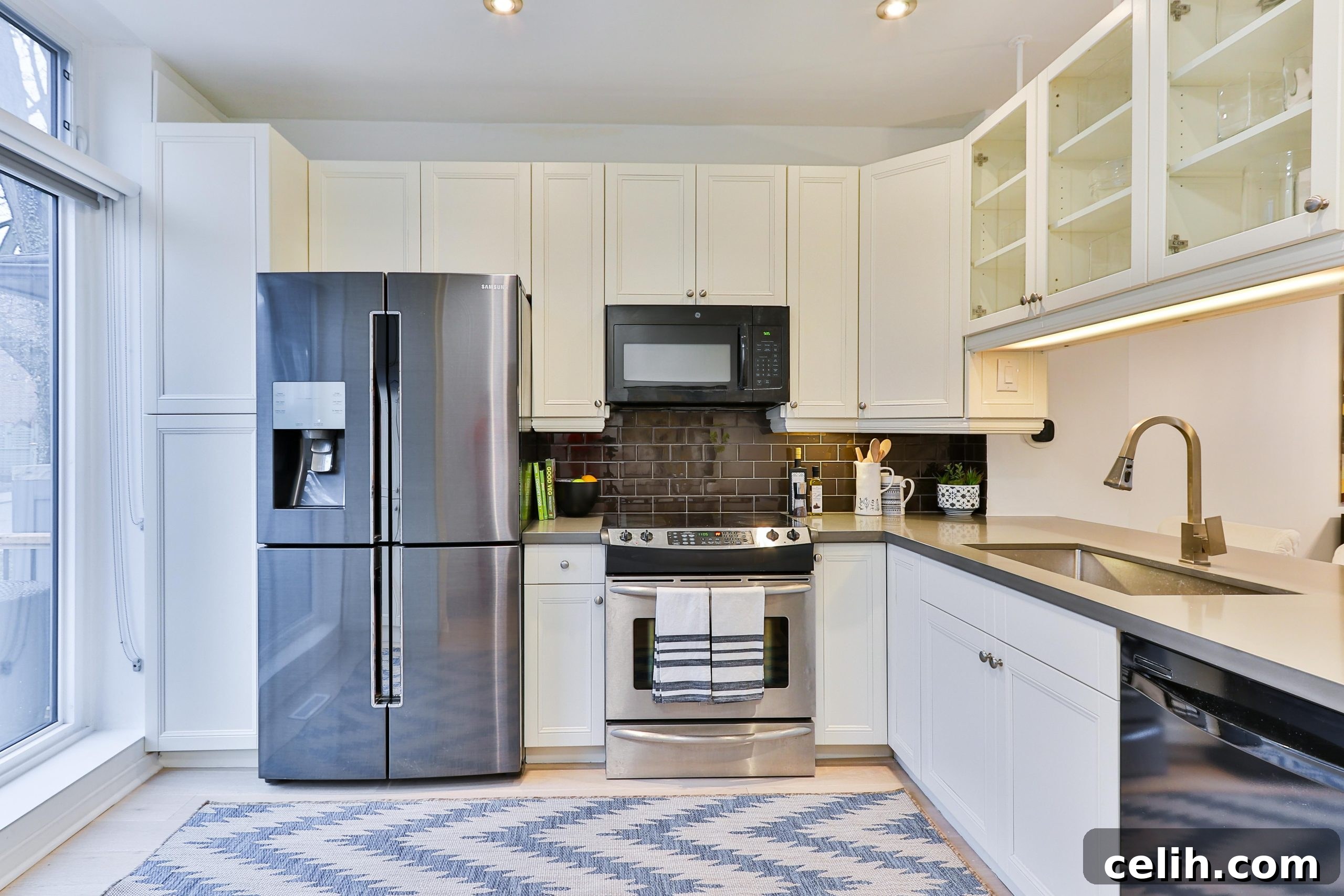
Modern home appliances have undergone revolutionary advancements in energy efficiency, making them indispensable for any eco-friendly household. When upgrading or purchasing new appliances, from refrigerators and dishwashers to washing machines and ovens, prioritize those with high Energy Star ratings. These certifications indicate that the product meets stringent energy efficiency guidelines set by government bodies, ensuring they consume less electricity and water than standard models. This commitment to efficiency not only helps in significantly reducing your household’s carbon footprint but also translates directly into noticeable savings on your utility bills month after month. The initial investment in energy-efficient models is a prudent long-term decision, as the cumulative savings over the lifespan of the appliance can be substantial, often outweighing the slightly higher purchase price. Furthermore, by choosing these eco-conscious options, you actively contribute to a lower overall demand for energy generated from fossil fuels, thereby supporting global efforts to mitigate climate change and reduce greenhouse gas emissions. These appliances often incorporate smart features like delayed start options, load-sensing technology, and advanced insulation, all designed to maximize resource efficiency without compromising performance or convenience. They truly represent a win-win for your wallet and the planet.
Water-Saving Fixtures: Conserving Every Precious Drop
In the global pursuit of sustainability, efficient water management within the home is paramount, as every single drop counts. Installing water-saving fixtures throughout your residence can make a significant and measurable difference in your overall consumption. Simple upgrades such as low-flow showerheads and faucets drastically reduce the volume of water used per minute without sacrificing performance or comfort. Modern low-flow showerheads are engineered to provide a powerful, satisfying spray while consuming considerably less water than older models, ensuring you still enjoy a refreshing shower experience. Beyond faucets and showerheads, consider upgrading to dual-flush toilets, which offer options for a partial flush for liquid waste and a full flush for solid waste, saving gallons of water daily. Smart irrigation systems for your garden can monitor local weather conditions and soil moisture levels, automatically adjusting watering schedules to prevent overwatering and minimize waste. Furthermore, exploring options like rainwater harvesting systems, which collect and store rainwater for non-potable uses like gardening or flushing toilets, can further enhance your home’s water independence and ecological footprint. These seemingly small changes collectively lead to substantial water conservation and considerable savings on your water bill, all while protecting a vital natural resource.
Digital Document Management: Embracing a Paperless Lifestyle
Transitioning to a paperless approach in your home is a powerful step towards both environmental responsibility and enhanced organizational efficiency. The environmental impact of paper production, including deforestation, water consumption, and chemical use, is significant. By minimizing paper use, you directly reduce this impact. One invaluable tool in the journey towards digital document management is the use of a PDF to Word converter. Many essential documents, such as utility bills, bank statements, or important forms, are often received in PDF format, which is typically not editable. Instead of printing these out for annotations, signing, or filling in, a reliable PDF to Word converter allows you to seamlessly transform these files into an editable format on your computer. This capability makes it easy to make necessary changes, fill out forms digitally, and sign documents electronically, eliminating the need for printing, scanning, and physical storage. However, digital document management extends far beyond file conversion. It encompasses creating a robust, organized system for secure storage, easy retrieval, and efficient sharing of all your digital files. Cloud storage services, such as Google Drive, Dropbox, or OneDrive, offer highly secure, accessible, and often encrypted platforms where you can store all your important documents. These services provide automatic backups, version control, and accessibility from any device, ensuring your documents are safe, easy to find, and readily available whenever you need them, further streamlining your home management and reducing clutter.
Home Automation Systems: The Brains of Your Smart Eco-Home
Home automation systems are truly at the vanguard of eco-friendly technology, serving as the central nervous system for your intelligent home. These integrated platforms allow you to centrally control and automate various critical aspects of your home environment, including lighting, temperature, security systems, window blinds, and even entertainment systems, all from a single device or a unified smartphone application. The primary benefit for sustainable living lies in their ability to optimize energy usage. By setting schedules, creating rules (e.g., lights turn off when a room is empty), and utilizing sensors, automation ensures that energy is consumed only when and where it’s genuinely needed. For instance, smart blinds can automatically adjust to block direct sunlight during peak heat hours, reducing the load on your air conditioning, or open to allow passive solar heating in cooler months. Motion sensors can ensure lights are off in unoccupied rooms, and smart plugs can cut power to devices not in use, eliminating “phantom load” energy drain. This not only makes daily life immeasurably more convenient and secure but also ensures maximum energy efficiency and significant utility bill savings. With integration capabilities across various smart home devices and compatibility with voice assistants like Alexa or Google Assistant, home automation empowers you to create a truly responsive, efficient, and comfortable living space that aligns perfectly with a green lifestyle.
Green Building Materials: Constructing a Sustainable Foundation
When embarking on new construction, renovations, or even minor upgrades, the choice of building materials plays a pivotal role in creating a truly eco-friendly home. Opting for sustainable, responsibly sourced materials significantly reduces the environmental impact associated with construction, from resource extraction to manufacturing and disposal. Consider innovative options like bamboo flooring, a rapidly renewable grass that is incredibly durable and adds a distinct, warm aesthetic to any interior. Recycled glass countertops offer a unique, vibrant look while diverting waste from landfills. Reclaimed wood, salvaged from old barns, factories, or deconstructed buildings, not only reduces demand for new timber but also infuses your home with rich history and unparalleled character. Beyond these, explore materials like recycled steel, low-VOC (Volatile Organic Compound) paints and finishes that improve indoor air quality, and insulation made from natural fibers or recycled content. Sustainable building materials often possess superior thermal properties, contributing to better energy efficiency, and are frequently free from harmful chemicals, promoting a healthier indoor environment. By choosing these green alternatives, you are not just building or renovating a home; you are investing in a structure that is healthier for its occupants and the planet, demonstrating a deep commitment to environmental stewardship and thoughtful design.
Indoor Air Quality Monitors: Breathing Easier in Your Green Home
Maintaining excellent indoor air quality is not merely a luxury but a crucial component of a truly healthy and sustainable home environment. With modern homes often being tightly sealed for energy efficiency, indoor air can sometimes become more polluted than outdoor air due to off-gassing from furniture, cleaning products, cooking, and everyday activities. Indoor air quality (IAQ) monitors are advanced devices designed to detect a range of common pollutants and allergens, ensuring that the air you breathe within your home is as clean, fresh, and safe as possible. These monitors can track levels of particulate matter (PM2.5, PM10), volatile organic compounds (VOCs), carbon dioxide (CO2), carbon monoxide (CO), humidity, and temperature. By providing real-time data, they alert you to potential issues before they become problematic, allowing you to take corrective action. Some sophisticated models offer smart connectivity, capable of syncing with other home systems such as smart air purifiers, humidifiers, dehumidifiers, or even HVAC systems. When a rise in pollutants is detected, these integrated systems can automatically activate to filter the air, adjust humidity, or increase ventilation, dynamically improving your home’s air quality without manual intervention. Prioritizing IAQ is essential for mitigating allergies, respiratory issues, and other health concerns, making it an indispensable part of creating a truly holistic and healthy green home.
Edible Gardens: Cultivating Sustainability and Freshness
Incorporating an edible garden into your home environment is a wonderfully rewarding and tangible way to embrace sustainable living, regardless of your space constraints. Whether it’s a small collection of herbs flourishing on your kitchen windowsill, a vibrant vertical garden on a balcony, or a dedicated vegetable patch in your backyard, growing your own food offers a myriad of benefits. Firstly, it significantly reduces your environmental impact by cutting down on the “food miles” associated with transportation, packaging, and refrigeration of produce from distant farms. You also gain complete control over the growing process, ensuring your food is free from harmful pesticides and chemicals, offering the freshest, most nutritious ingredients for your meals. The satisfaction of harvesting your own organic produce is unparalleled. Beyond the ecological and health advantages, nurturing a garden can be an incredibly therapeutic and fulfilling hobby. It connects you more intimately with the food you consume, fostering a deeper appreciation for the natural growing process and the seasons. Even urban dwellers can explore innovative solutions like hydroponics or aeroponics, allowing for fresh produce year-round with minimal space. An edible garden enhances your home’s aesthetic appeal, promotes biodiversity, and contributes to a more self-sufficient, sustainable lifestyle, transforming your property into a source of nourishment and natural beauty.
Eco-Friendly Insulation: Building a More Efficient Envelope
Proper insulation is one of the most fundamental yet impactful components in maintaining optimal energy efficiency within your home. It acts as a protective envelope, significantly reducing heat transfer between your living space and the outdoors, thereby minimizing the energy required for heating in winter and cooling in summer. Moving beyond conventional options, eco-friendly insulation choices offer superior performance while being significantly better for the environment. Materials like sheep’s wool, derived from a renewable resource, or recycled denim, made from post-consumer waste, are excellent examples. These sustainable insulations are not only highly effective at regulating your home’s temperature, leading to substantial reductions in energy consumption and utility bills, but they also boast a lower embodied energy (the energy used in their production) compared to traditional fiberglass or foam insulations. Furthermore, these green materials often come with the added benefit of being healthier for the home environment; they are typically free from harmful chemicals, irritants, or allergens commonly found in conventional insulation, contributing to better indoor air quality. By choosing eco-friendly insulation, you’re not just enhancing your home’s thermal performance; you’re actively supporting industries that prioritize environmental responsibility, contributing to a healthier planet and a more sustainable future for residential construction. This thoughtful investment pays dividends in comfort, cost savings, and ecological integrity.
Rechargeable Batteries: Powering Your Devices Sustainably
In a world increasingly reliant on portable electronic devices, the cumulative environmental impact of disposable batteries is immense, often underestimated, and poses significant challenges due to the toxic chemicals they contain. Switching to rechargeable batteries for all compatible devices around your home is a simple yet profoundly effective step towards reducing this waste and embracing a more sustainable lifestyle. These innovative batteries, such as Nickel-Metal Hydride (NiMH) or Lithium-ion (Li-ion) variants, can be recharged and reused hundreds, even thousands of times, effectively replacing an equivalent number of disposable batteries. This longevity dramatically curtails the amount of hazardous waste entering landfills, preventing soil and water contamination from leaking chemicals. Beyond the clear environmental benefits, the financial savings over time are considerable. While the initial cost of rechargeable batteries and a charger might be slightly higher than a pack of disposables, they quickly pay for themselves through repeated use, eliminating the need for constant repurchases. They are ideal for a wide array of household items, including remote controls, wireless mice, children’s toys, digital cameras, and many small smart home devices. By making this simple switch, you empower your devices with sustainable energy, save money, and make a tangible contribution to reducing global waste, one battery at a time.
Final Thoughts: Building a Brighter, Greener Future
Integrating eco-friendly design principles with innovative technology into your home is far more than just a trend; it’s an exciting, fulfilling, and increasingly essential journey towards a sustainable future. This holistic approach not only dramatically reduces your household’s environmental footprint, contributing directly to a healthier planet, but also cultivates a living space that is inherently more efficient, comfortable, convenient, and truly modern. The array of options available today is vast and constantly evolving, offering tailored solutions for every budget, lifestyle, and property type. From the subtle intelligence of smart thermostats and the radiant efficiency of LED lighting to the profound impact of solar power and green building materials, each sustainable choice you make builds upon the last, creating a ripple effect of positive change. By embracing these technological advancements and conscious design choices, you’re not merely constructing or renovating a house; you are actively contributing to the stewardship of our planet, fostering a greener, more resilient future for generations to come. Begin your journey today, one smart, sustainable step at a time, and transform your home into a beacon of ecological responsibility and innovative living.