
Home cleaning isn’t just about sparkling surfaces anymore; it’s a dynamic evolution reflecting our fast-paced lives and technological advancements. What was once a chore-laden cycle of scrubbing, sweeping, and endless effort has transformed into a smarter, more integrated aspect of modern living. Today, homeowners demand impeccably clean spaces without sacrificing precious time or energy, and the cleaning industry is responding with an impressive array of innovative tools, intelligent systems, and groundbreaking trends. This isn’t merely a move towards shiny new gadgets; it’s a profound shift towards creating healthier, more manageable, and truly effortless homes that blend seamlessly into contemporary lifestyles. This comprehensive guide will explore the fascinating journey of home cleaning, delving into the latest smart technologies, their myriad benefits, and how they empower us to achieve unparalleled cleanliness with minimal intervention.
The Evolution of Home Cleaning Methods: From Manual Labor to Smart Automation
For generations, the bedrock of home cleaning rested upon manual methods and simple, albeit effective, tools. Brooms, mops, feather dusters, and conventional vacuum cleaners formed the core arsenal against dirt and grime. While these trusty companions diligently served their purpose, they all shared a common, significant drawback: they demanded considerable time, physical effort, and consistent dedication. Maintaining a pristine home often felt like a never-ending battle, consuming hours of weekends and daily routines.
However, the dawn of the 21st century ushered in a transformative era for home maintenance. Fueled by rapid advancements in robotics, artificial intelligence, and smart connectivity, home cleaning has taken an unprecedented leap forward. We are witnessing a profound shift from laborious manual tasks to intelligent, automated solutions that take on the heavy lifting with remarkable efficiency and often, with little to no human input. This transition couldn’t be more timely in a world where individuals are increasingly juggling demanding careers, family responsibilities, and personal pursuits. As our lives become more complex and time-strapped, the appeal of solutions that maintain clean spaces without depleting our energy reserves or encroaching on our precious leisure time becomes undeniable. The drive towards effortless home maintenance is not just a luxury; it’s a necessity for modern well-being, allowing us to reclaim valuable hours and redirect our focus towards what truly matters.
Smart Cleaning Technologies: A Comprehensive Look at Today’s Innovations
Today’s market presents an astonishing array of smart cleaning devices, meticulously engineered to tackle virtually every household cleaning challenge. These innovations are not mere upgrades; they represent a fundamental reimagining of how we keep our living spaces spotless and healthy.
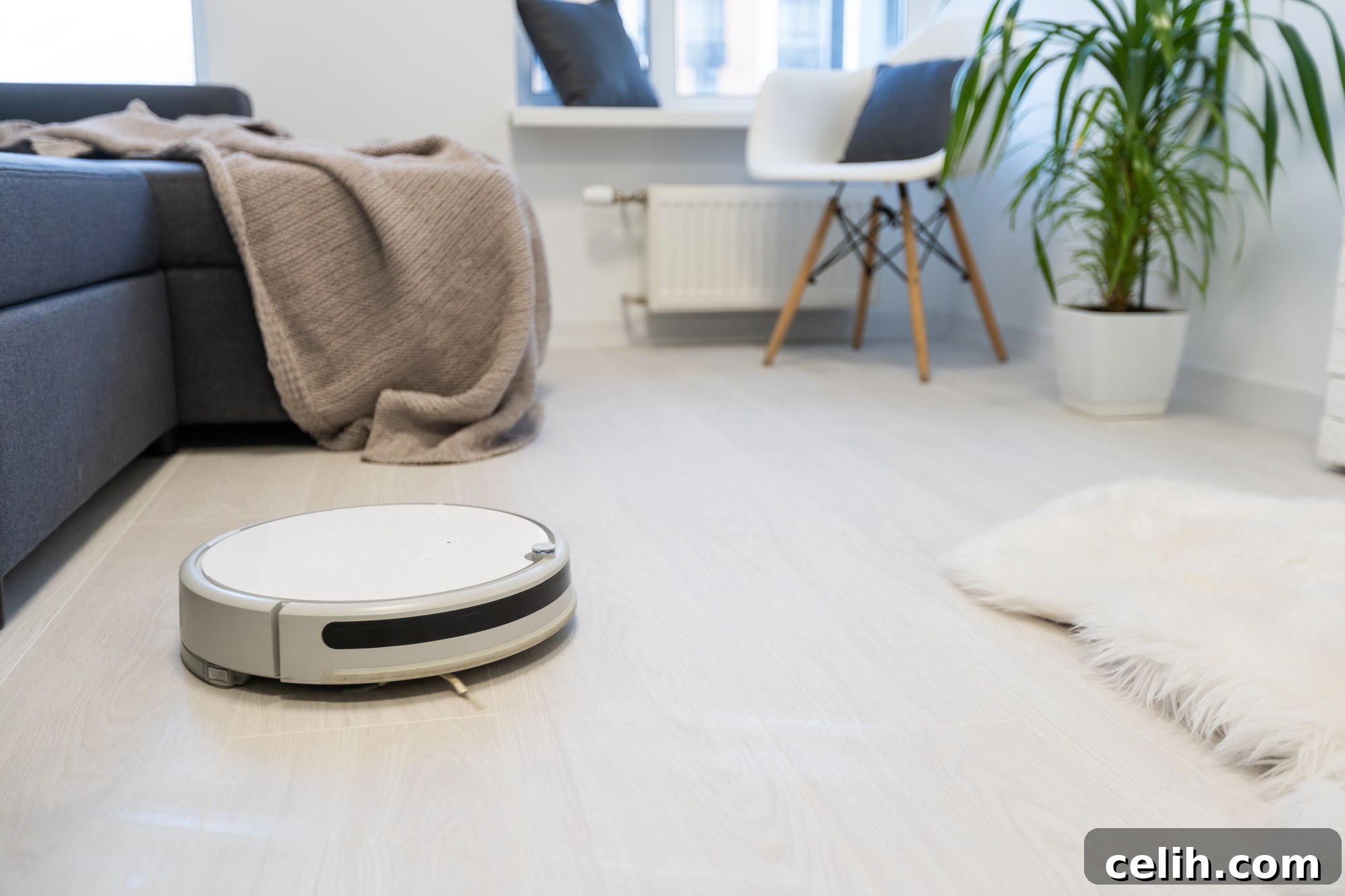
Among the most revolutionary advancements is the robot vacuum cleaner. These autonomous devices have fundamentally revolutionized floor maintenance. Equipped with sophisticated sensors, advanced navigation algorithms, and powerful suction, they independently traverse homes, meticulously cleaning various surfaces from hardwood to carpet. Modern robot vacuums boast features like multi-floor mapping, virtual no-go zones, automatic carpet boost, and self-emptying dustbins, which can hold weeks of debris. Their ability to adapt to diverse room configurations and learn optimal cleaning paths makes them indispensable for daily upkeep.
Beyond vacuums, the landscape of intelligent cleaning expands significantly:
- Robotic Mops: Designed to complement robot vacuums, these devices use precision water dispensing and microfiber pads to effectively mop hard floors, removing sticky messes and grime. Some models integrate both vacuuming and mopping capabilities into a single unit.
- Automated Window Cleaners: For those hard-to-reach or large windows, robotic window cleaners adhere to glass surfaces and systematically clean them, offering streak-free results without the risk or effort of manual cleaning.
- Intelligent Air Purifiers: Far more advanced than traditional models, these purifiers integrate smart sensors to continuously monitor indoor air quality. They dynamically adjust their filtration power in response to detected pollutants, allergens, or odors, ensuring optimal air purity around the clock. Many connect to smart home ecosystems, allowing for remote control and scheduling.
- Smart Dustbins: These innovative trash cans feature motion sensors for touchless opening, self-sealing bags, and even compaction mechanisms, enhancing hygiene and reducing trips to the outdoor bin.
- UV Sanitizers: Handheld or integrated UV-C lights offer germicidal cleaning for surfaces and objects, providing an extra layer of sanitation in homes concerned with hygiene.
The ingenuity behind these devices lies in their sophisticated integration of cutting-edge technologies. LIDAR (Light Detection and Ranging) and camera-based mapping systems allow for precise, centimetre-accurate navigation, enabling devices to ‘learn’ and map entire home layouts. Artificial intelligence and machine learning algorithms empower these tools to identify different floor types, detect obstacles (and avoid them), and even recognize specific cleaning requirements, such as high-traffic areas or persistent pet hair. Crucially, many modern systems ‘memorize’ home layouts and adapt over time, developing increasingly efficient and personalized cleaning patterns that evolve with continued use, delivering superior results with every cycle. Connectivity features like Wi-Fi and Bluetooth enable seamless control via smartphone apps, voice commands, and integration into broader smart home ecosystems, offering unparalleled convenience and flexibility.
Key Benefits of Embracing Automated Cleaning Solutions
The advantages of integrating smart cleaning technologies into your home extend far beyond mere convenience, offering profound improvements to quality of life and home environment:
- Unprecedented Time Savings: This is arguably the most immediate and tangible benefit. Automated systems efficiently handle routine daily and weekly maintenance tasks, freeing homeowners from mundane chores. This reclaimed time can be redirected towards more meaningful activities such as spending quality time with family, pursuing hobbies, advancing professional goals, or simply enjoying much-needed relaxation. Users often report saving several hours per week, translating into significant personal enrichment.
- Consistent and Superior Cleanliness: Unlike sporadic manual cleaning, which can lead to dust and dirt accumulation between sessions, automated devices can be programmed to clean regularly—daily, or even multiple times a day. This consistent upkeep prevents the build-up of allergens, dust, and grime, maintaining a perpetually fresh and hygienic environment that sporadic efforts often fail to achieve. The result is a visibly cleaner home and improved indoor air quality.
- Enhanced Accessibility and Independence: For individuals with mobility challenges, physical limitations, chronic health conditions, or the elderly, smart cleaning solutions are truly transformative. These devices handle physically demanding tasks like vacuuming, mopping, and reaching high windows, granting newfound independence and reducing strain. This empowers individuals to maintain a clean home without relying heavily on assistance, fostering dignity and self-sufficiency.
- Improved Indoor Air Quality: When paired with intelligent air purifiers, smart cleaning devices significantly contribute to a healthier living environment. Robot vacuums effectively remove dust, pet dander, and allergens from floors, while smart purifiers capture airborne particles, volatile organic compounds (VOCs), and odors. This combined effort drastically reduces indoor air pollution, which is crucial for allergy sufferers and anyone concerned about respiratory health.
- Reduced Mental Load and Stress: The cognitive burden of managing household chores can be surprisingly heavy. Knowing that your floors are being routinely cleaned or your air is being purified without direct intervention reduces this mental overhead. This subtle shift contributes to a more relaxed and less stressful home environment, allowing occupants to focus their mental energy on more rewarding pursuits.
- Cost-Efficiency in the Long Run: While the initial investment in smart cleaning devices might seem higher, they can lead to long-term savings. By maintaining floors and surfaces regularly, the lifespan of flooring materials can be extended. Furthermore, efficient cleaning means less need for harsh chemical cleaners or professional deep cleaning services over time.
The impact of automated cleaning fundamentally transforms one’s relationship with household maintenance. As a recent technology review highlighted, “Since integrating smart cleaning tools into my home, I’ve reclaimed roughly five hours each week—time I now spend connecting with family and pursuing personal passions rather than scrubbing floors.” This sentiment echoes across countless user experiences, underscoring the profound lifestyle benefits offered by these intelligent innovations.
Integrating Smart Devices into Your Cleaning Routine for Optimal Results
Bringing smart cleaning technology into your home is more than just purchasing the latest gadget; it’s about strategically choosing the right tools that align with your specific space, lifestyle, and cleaning needs. The first step involves a thorough assessment of what areas of your home demand the most attention and where manual effort is most cumbersome. Do you have a demanding mix of carpet and hard floors? Is your home layout particularly tricky with numerous obstacles or varying levels? Are pet hair and dust bunnies a constant battle under furniture? Identifying these specific “pain points” will guide you towards devices engineered to provide the most significant relief and time savings.
Once you’ve identified your needs, selecting devices with features like advanced mapping, powerful suction, quiet operation, and long battery life becomes paramount. Modern tools are designed for seamless integration with your existing smart home ecosystem. This allows for effortless control and scheduling: you can initiate cleaning cycles, adjust settings, set virtual boundaries, and monitor progress directly from your smartphone, even when you’re away from home. Many devices also integrate with voice assistants like Amazon Alexa or Google Assistant, enabling hands-free control with simple voice commands, making cleaning even more intuitive and convenient.
That said, it’s crucial to approach smart cleaning with realistic expectations. While these devices are exceptionally brilliant at consistent day-to-day upkeep and maintaining a baseline level of cleanliness, they are not (yet) a total replacement for all manual cleaning. Every now and then, you will still need to lend a hand for those deeper, more detailed cleans—think scrubbing stubborn grout, deep-cleaning upholstery, or tackling intricate corners that automated tools might miss. Consider smart cleaning devices as your highly efficient cleaning co-pilots, working alongside you to significantly reduce your workload, rather than a standalone solution for every conceivable cleaning task.
Addressing Common Concerns and Misconceptions About Smart Cleaning
It’s perfectly understandable for consumers to harbor a few doubts or misconceptions when considering smart cleaning gadgets. Questions surrounding reliability, ease of maintenance, performance capabilities, and, notably, privacy, arise frequently and for valid reasons. Early generations of robot vacuums, for instance, were sometimes clunky, struggled with navigation, had limited battery life, and often got stuck on obstacles. These initial experiences fostered a degree of skepticism.
However, today’s models have undergone monumental improvements. They are significantly more capable, employing advanced mapping technologies (like LIDAR and VSLAM) for precise navigation, sophisticated sensors for obstacle avoidance, and robust batteries for extended cleaning cycles. Performance has also dramatically improved, with powerful suction, intelligent dirt detection, and specialized brushes designed to tackle everything from pet hair to fine dust on various floor types. As for upkeep, routine maintenance is typically straightforward: it usually involves a quick empty of the dustbin, occasional cleaning of brushes and filters, and wiping down sensors – tasks far less demanding than the regular hauling out of a traditional vacuum or mop.
Privacy remains a significant and entirely valid concern, particularly for devices equipped with cameras or detailed mapping sensors that collect data about your home environment. The good news is that most reputable and well-known brands in the smart cleaning sector prioritize user privacy. They implement strong encryption protocols, adhere to data protection regulations, and often process mapping data locally on the device or ensure it’s anonymized if sent to the cloud. Many devices offer granular control over data sharing settings within their accompanying apps, allowing users to choose what information is collected and shared. Still, it is always wise to thoroughly read the privacy policy and carefully review app settings before integrating any new smart device into your home ecosystem. This due diligence ensures you are fully comfortable with how your data is handled and protects your personal information.
Tips for Maintaining a Clean Home with Minimal Effort and Maximum Efficiency
Achieving an effortlessly clean home in the age of smart technology requires a holistic approach that extends beyond simply owning the latest gadgets. Strategic thinking and smart habits amplify the effectiveness of your automated cleaning tools:
- Declutter Regularly and Systematically: This is perhaps the most crucial foundational habit for maximizing the efficiency of automated cleaning tools. Clutter—toys, clothes, shoes, cables—becomes an obstacle course for robot vacuums and mops. A quick daily or weekly decluttering session ensures that your smart devices can operate freely and reach every corner, significantly improving their cleaning performance and preventing them from getting stuck.
- Establish Cleaning Zones and Virtual Boundaries: Utilize the mapping features of your smart devices to define specific cleaning zones. Program your robot vacuum to clean the kitchen daily, the living room three times a week, and bedrooms twice a week. Equally important are virtual no-go zones around pet bowls, intricate furniture, or areas with delicate rugs, preventing your devices from entering unwanted spaces.
- Combine Technologies Strategically: Create a synergy between your smart devices. For instance, schedule your intelligent air purifiers to run immediately after your robot vacuum has completed its cycle. This ensures that any dust or allergens stirred up during vacuuming are promptly captured and filtered from the air, providing a healthier environment. Consider using a robot mop for daily hard floor maintenance and reserving a traditional mop for weekly deep cleaning of specific high-traffic areas.
- Develop Micro-Cleaning Habits: Complement your automated systems with small, consistent manual efforts. These “micro-cleaning” habits prevent minor messes from escalating. Examples include wiping kitchen counters immediately after preparing food, quickly sweeping up crumbs in the dining area, making your bed each morning, or tidying up common areas before bedtime. These brief tasks, taking only minutes, significantly reduce the overall cleaning burden and maintain a constant state of tidiness.
- Utilize Preventative Measures: Implement simple habits that reduce the amount of dirt entering your home. Place sturdy doormats at all entry points and encourage a “shoes-off” policy indoors. Regular grooming of pets can also reduce shedding and dander, lessening the workload for your robot vacuum.
- Regular Maintenance of Smart Devices: To ensure your smart cleaning tools perform optimally and last longer, follow manufacturer guidelines for maintenance. This typically includes regularly emptying dustbins, cleaning or replacing filters, clearing hair from brushes, and wiping sensors. A well-maintained device is a more efficient and reliable device.
Embracing the Future of Home Cleaning for a Better Quality of Life
Home cleaning has undeniably come a long way, evolving from a laborious necessity into a sophisticated, technologically driven aspect of modern living. This transformation is about much more than mere convenience; it’s about empowering individuals to make the most of their precious time, significantly lighten their mental load, and cultivate living spaces that genuinely support their overall well-being. With the strategic deployment of smart cleaning tools and thoughtful planning, keeping your home immaculately clean no longer has to be a relentless, energy-draining chore. Instead, it can become a seamless, background process, quietly maintaining your environment and granting you ample space to focus on the pursuits and people that truly matter.
As technology continues its relentless pace of innovation, the array of smart cleaning options available at our fingertips will only expand and become more sophisticated. Staying curious, open to adopting new tools, and continuously adapting your approach means you can actively shape a cleaning routine that is perfectly tailored to your unique life and evolving needs. The future of cleaning isn’t envisioned as a replacement of human effort with machines, but rather as achieving a harmonious balance. In this future, intelligent systems adeptly manage the everyday maintenance and foundational cleanliness, leaving you free to enjoy the pristine results, a less stressful existence, and a truly comfortable, healthy home environment that actively enhances your quality of life. This innovative partnership between humans and technology is setting a new benchmark for what a clean home truly means in the 21st century.