
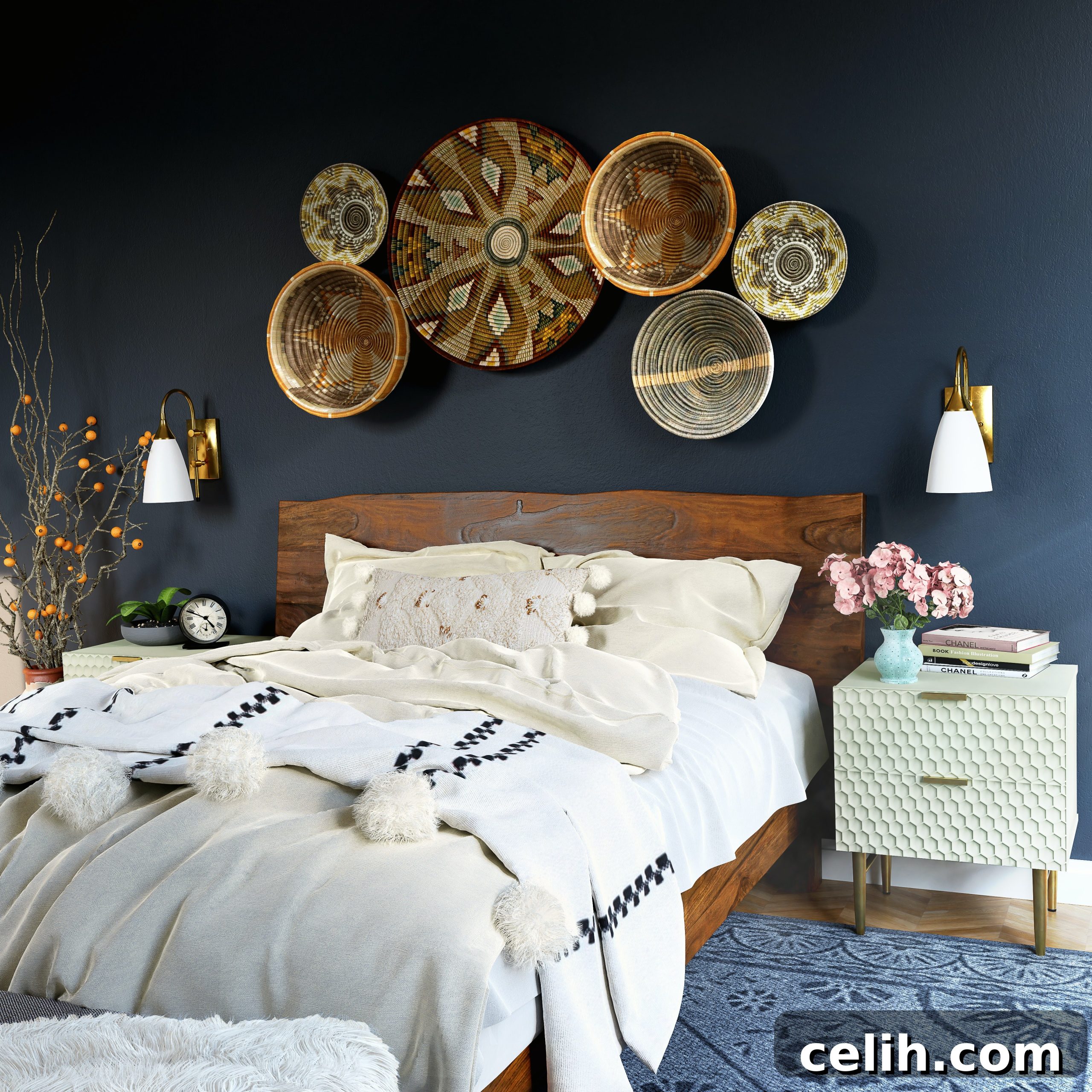
Your home is more than just a place to live; it’s a profound extension of your identity, a canvas reflecting your inner world. The decorative choices you make, from the subtle nuances of color to the grandeur of furniture, speak volumes about your personality, your passions, and the values you hold dear. Whether you gravitate towards the sleek lines of modern design or the ornate charm of traditional aesthetics, your interior decor serves as a powerful form of self-expression, inviting others into a space that tells your unique story.
This comprehensive guide delves into various popular interior design styles, offering insights into what each reveals about the homeowner. Furthermore, if you’re preparing your property for sale or rental, understanding these styles can help you curate an inviting and marketable interior. Or, perhaps you’re simply curious about the silent narrative unfolding within your own living spaces. Join us as we explore the diverse world of home decor, uncovering the character behind every design choice.
Embracing the Elegance of Traditional Styles
For those who find beauty in history and appreciate time-honored conventions, a traditional interior style offers a sanctuary of classic elegance and enduring quality. This aesthetic is often characterized by rooms adorned with furniture and accents that have gracefully withstood the test of time, meticulously crafted from rich, durable materials that gain character with age. Imagine spaces featuring intricate architectural details like decorative ceiling roses, robust oak flooring, charming bay windows, and commanding stone fireplaces. These elements not only evoke a sense of history but also imbue a property with a distinctive character often absent in more contemporary homes.
Traditional styles are a testament to a deep respect for heritage and the unparalleled quality that meticulous craftsmanship brings. Homeowners who choose this decor tend to value the timelessness and longevity derived from classic pieces. They often possess a keen eye for investment, capable of discerning the intrinsic value in items that others might overlook. Their homes frequently feature antiques, heirlooms, or reproductions that echo historical periods such as Georgian, Victorian, or Edwardian eras, showcasing sophisticated color palettes, symmetrical arrangements, and luxurious textiles like damask, velvet, and silk. Every piece is typically chosen for its historical significance, comfort, and ability to contribute to an atmosphere of refined sophistication.
This style emphasizes comfort and a sense of permanence, creating spaces that feel both grand and inviting. Dark wood finishes, ornate carvings, and rich upholstery are common, contributing to a layered and complex visual appeal. Accessories often include classical artwork, antique clocks, porcelain collections, and elaborate chandeliers, all contributing to an air of stately charm. It’s a style that speaks to a love of tradition, order, and a life lived with a quiet appreciation for the past.
Top tip: To truly celebrate a traditional style, preserve and highlight original architectural details such as ceiling roses, crown molding, wainscoting, and picture rails. These elements are invaluable to the authenticity and character of the space.
The Allure of Luxury Decor
For those with a penchant for the extravagant, luxury decor transforms interiors into a grand stage for opulence, where no expense is spared in the pursuit of ultimate comfort and aesthetic grandeur. In a luxurious living space, every detail, from the most sumptuous textures and premium materials to one-of-a-kind bespoke elements, signals unparalleled quality and exquisite taste. The luxurious homeowner values prestige, embraces exclusivity, and possesses an inherent appreciation for the very finest things life has to offer, viewing their home as a personal palace designed for indulgence and sophisticated living.
In a truly luxurious home, the mantra is often “more is more,” particularly when it comes to material selection and finish. Marble is an absolute essential, gracing surfaces from majestic fireplace surrounds and expansive countertops to elegant flooring. Soft furnishings are often clad in the most plush, tactile fabrics such as decadent velvet, rich brocade, lustrous silk, or fine leather, inviting touch and promising comfort. Beyond the tactile, the visual impact is paramount; custom-designed furniture, rare art pieces, and exquisite lighting fixtures, often sourced globally, elevate the ambiance. And as the pinnacle of lavish living, no truly luxurious home is complete without the addition of a private swimming pool or a state-of-the-art home cinema, features that intrinsically elevate the property’s value and desirability. Luxury aesthetics empower homeowners to immerse themselves in an environment of sumptuous decor, crafting an indulgent and aspirational place to live and entertain.
Modern luxury also often integrates cutting-edge smart home technology, discreetly woven into the design to enhance comfort, convenience, and security without detracting from the aesthetic. Think automated lighting, climate control, and entertainment systems that respond to a touch or voice command. Color palettes in luxury interiors often lean towards rich jewel tones, deep neutrals, or metallics, all chosen to exude sophistication and depth. It’s a style that aims to create an immersive experience of grandeur, where every corner of the home is a testament to refined taste and an uncompromised commitment to quality.
Top tip: When designing a luxury interior, strategically invest in the most premium decor your budget allows. Prioritize high-quality finishes, bespoke elements, indulgent textures, and iconic, high-end furniture pieces that promise both aesthetic appeal and lasting value. Consider the overall sensory experience, focusing on sight, touch, and even scent to create a truly immersive luxurious environment.
The Art of Eclectic Interiors
Eclectic decor is the ultimate expression of individuality, a bold statement of creative freedom that transcends conventional design boundaries. For the eclectic homeowner, a living space is not confined by a single aesthetic but becomes a vibrant, carefully curated collage of styles, colors, textures, and time periods, mirroring the owner’s diverse tastes, travels, and interests. Unbound by rigid rules or an insistence on strict cohesion, the eclectic interior is a celebration of authentic self-expression, a personal narrative woven through every object and arrangement.
In an eclectic home, furnishings from disparate eras and origins coexist harmoniously, telling a rich, layered story. You might find a plush retro armchair nestled beside an industrial-style lamp, or a collection of quirky collectibles from exotic travels proudly displayed near a minimalist sculpture. Each item, often with a unique backstory, contributes to rooms that feel thoughtfully compiled over time, as if discovered and cherished one by one. The overall aesthetic is stylish and sophisticated, yet wonderfully unstudied, blurring the line between a meticulously arranged art gallery and a comfortably livable space. The magic lies in the homeowner’s ability to find common threads—be it a recurring color, a shared texture, or a particular mood—that subtly unify the diverse elements.
The hallmark of an eclectic interior is its highly personal and dynamic mix of old and new, high-end and low-cost, vibrant and subdued. While this style offers immense creative freedom for personal homes, it’s important to exercise caution if you are staging a house for a potential sale. Being too idiosyncratic can sometimes be off-putting to a broad range of buyers who may struggle to envision themselves in a highly personalized space. However, for your own sanctuary, there are truly no fixed rules, only an intimate glimpse into the homeowner’s creative process, their worldview, and their journey through the thoughtful curation of objects that resonate deeply with them.
Top tip: Homeowners looking to achieve an authentic eclectic style should embrace their fearless side and not shy away from mixing and matching patterns, colors, and items from different time periods and cultures. The key is to look for pieces that genuinely resonate with your spirit and interests, then disregard conventional interior design rules. Focus on creating a sense of balance and flow through consistent elements like a neutral base color or a unifying material.
The Serenity of Minimalist Homes
Minimalist interiors are experiencing a significant surge in popularity, as a growing number of individuals seek to simplify their lives and declutter their physical spaces, finding profound benefits in less. This design philosophy, rooted in the principle of “less is more,” reveals several key characteristics about a person. Firstly, individuals who embrace minimalist interior design typically prioritize organization, efficiency, and clarity. Minimalist homeowners are often methodical, intentional people who abhor clutter and disarray. Their homes are meticulously organized, with every item having a designated place, naturally fostering an environment that is clean, calm, and free from visual noise.
Beyond aesthetics, minimalist homeowners often demonstrate a more mindful approach to consumption and spending. Valuing quality over quantity, they tend to make purchases less frequently, undertaking thorough research to invest in durable, functional, and aesthetically pleasing items rather than succumbing to fleeting trends. This thoughtful approach extends to their overall philosophy of life; they prefer to live in the present moment, appreciating experiences and relationships over material possessions, which often cultivates a more peaceful and enjoyable existence. Their homes are filled only with items that genuinely serve a purpose or bring them significant joy, creating spaces that feel purposeful and serene.
The aesthetic of minimalism is characterized by clean lines, open spaces, and a subdued color palette, typically featuring neutrals like white, gray, beige, and black. Furniture is often functional, simple in design, and made from natural materials such as wood, metal, or glass. Storage solutions are integrated and discreet, ensuring that surfaces remain clear and inviting. The focus is on functionality, natural light, and creating an atmosphere of calm and spaciousness, allowing the architecture and the chosen few items to truly breathe and make an impact without overwhelming the senses.
Top tip: When selecting furniture and décor for your minimalist interior, opt for simple, understated pieces with clean lines and minimal ornamentation. Prioritize items made from natural materials like solid wood, stone, linen, or cotton for an authentic feel. Focus intensely on function over excessive form, ensuring every item serves a purpose and contributes to the overall sense of tranquility and order. Embrace negative space as a design element, allowing rooms to feel open and uncluttered.
The Edge of Ultra-Modern Spaces
Ultra-modern, technology-forward homes are a clear indicator of contemporary and future-focused owners who are keenly open to embracing new ideas and championing innovation. These cutting-edge residences are typically outfitted with the very latest materials, design philosophies, and technological advancements, from integrated smart home devices that offer unparalleled convenience to sophisticated security measures that ensure both comfort and peace of mind. Such homes are not just aesthetically advanced; they are designed for an optimized, seamless lifestyle.
While an ultra-modern aesthetic isn’t for everyone, those who gravitate towards this style often reap significant benefits from a more sustainable, highly automated, and efficient living environment. These spaces are meticulously designed to be both supremely comfortable and exceptionally stylish, often featuring bold architectural statements. Expect to see prevalent use of sleek, industrial materials such as glass, steel, polished concrete, and high-gloss finishes, expertly paired with minimalist yet luxurious soft furnishings. Instead of a traditional wooden bannister, you might encounter a transparent glass partition along a stairway, or discover strikingly modern chrome lighting fixtures boasting geometric forms and abstract designs. Every element is chosen to reflect a forward-thinking mindset and an appreciation for clean, unornamented efficiency.
Ultra-modern homes often incorporate open-plan living, allowing for flexible spaces and an abundance of natural light. Color palettes tend to be monochromatic or feature strong contrasts, creating a sharp, sophisticated look. Furniture is typically modular and multi-functional, emphasizing form and material over elaborate details. These spaces embody a vision of future living, where design and technology merge to create highly functional, aesthetically pure, and environmentally conscious homes.
Top tip: Begin your journey into an ultra-modern home by integrating smart home devices incrementally. Start with accessible features like smart lighting, thermostats, or security cameras, and gradually expand your system as you become more accustomed to the convenience and capabilities these technologies offer. This allows for a smoother transition and ensures you invest in features that truly enhance your lifestyle.
The Free Spirit of Bohemian and Rustic Properties
A rustic or bohemian interior style resonates deeply with homeowners who cherish freedom of expression, champion authenticity, and foster an intrinsic attachment to nature and global cultures. These distinct yet often intertwined styles are a clear reflection of a creative, wanderlust-filled spirit. Both rustic and bohemian decor seamlessly incorporate an abundance of natural materials, celebrate artisanal crafts from around the globe, and feature a rich tapestry of textiles that tell stories of far-flung adventures and earthy origins.
In such homes, you are likely to discover robust, weathered woods, intricately woven baskets, mystical dreamcatchers, and vibrant dip-dyed fabrics, all contributing to a relaxed, free-spirited, and welcoming vibe. Rooms are designed to feel effortlessly casual yet thoughtfully curated, filled with comfortable, inviting furnishings that actively encourage lounging, lively social gatherings, and a slower, more mindful pace of life. Rustic and bohemian homes serve as perfect canvases for artistic expression and personal narrative, yet they are fundamentally guided by principles of nature, sustainability, and an earthy connection. You will find a distinct absence of synthetic materials like plastic and polyester; instead, owners overwhelmingly favor natural, breathable materials such as sustainable bamboo, organic wool, soft cotton, supple leather, and natural fibers like jute and rattan. Lush indoor plants, often trailing and abundant, further blur the lines between indoor and outdoor, enhancing the organic feel.
The bohemian style, in particular, often features a riot of patterns, vibrant colors, and collected treasures from travels, creating a layered and visually rich environment. Rustic design, while also natural, leans more towards raw, unrefined textures, reclaimed wood, stone, and a farmhouse-inspired simplicity that evokes comfort and warmth. Together, they create spaces that feel lived-in, soulful, and deeply personal, offering a sanctuary for those who value genuine connection and a life unburdened by strict conformity.
Top tip: Embrace your creativity with a bold approach to colors and prints to inject dynamic interest and personality into a rustic or bohemian room. Don’t be afraid to mix patterns from different cultures or introduce a vibrant color palette through textiles, artwork, or decorative objects to create a truly unique and captivating space. Layering different textures and incorporating handmade items will also enhance the authentic, lived-in feel.
Discovering Your Signature Style: A Concluding Thought
As we’ve explored, the interior design of a home is a dynamic and deeply personal form of communication, a reflection of the individual or family residing within its walls. There are countless ways to infuse your living spaces with your unique personality, regardless of your specific tastes or inclinations. Whether you yearn to immerse yourself in the grandeur of a bygone era, seeking comfort in classic elegance, or prefer to surround yourself with the cutting-edge marvels of modern technology and innovative design, there is an interior style perfectly suited to your aspirations and lifestyle.
To embark on the exciting journey of discovering your signature style, a practical and insightful first step is to create a mood board. Gather images, fabric swatches, color palettes, and samples of items that genuinely captivate your attention. As you collect these elements, begin to identify common themes, recurring colors, preferred textures, and overarching styles that consistently draw you in. You might uncover a clear and compelling trend, such as an undeniable penchant for luxurious items, sleek modern pieces, or vibrant global influences. Conversely, you might find an intriguing mix of elements that defy easy categorization, suggesting that a rich and expressive eclectic style might be your true calling.
Remember, your home is an evolving masterpiece, and your style can, and often will, shift and mature over time. Don’t be afraid to experiment, to combine elements that speak to you, and to let your intuition guide your choices. The ultimate goal is to create a space that not only looks beautiful but also feels authentically yours—a sanctuary that nurtures your spirit and perfectly expresses who you are. Embrace the process, enjoy the exploration, and allow your home to tell your most cherished story.