
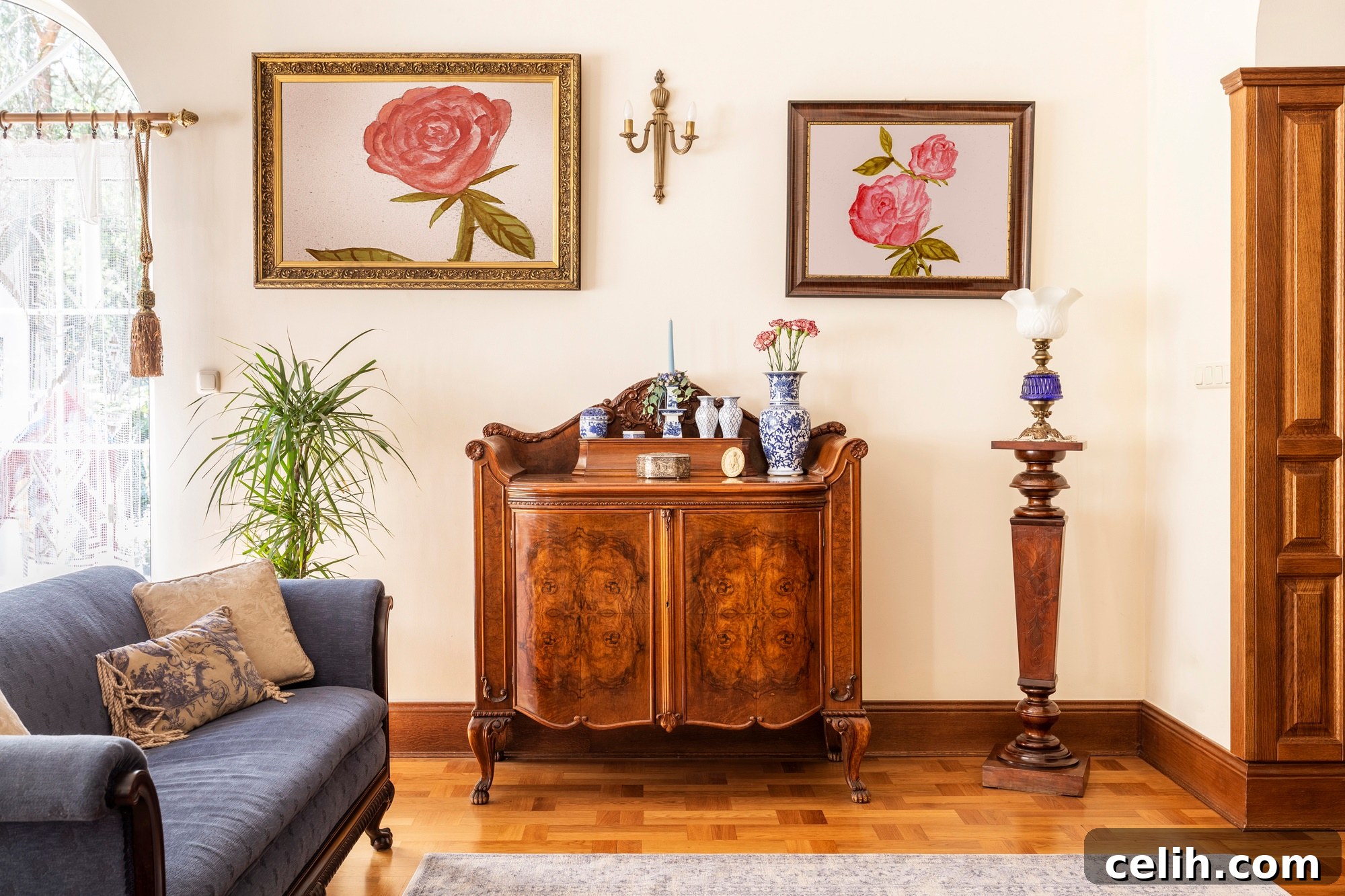
There’s an undeniable allure in home interiors that successfully marry the elegance of the past with the clean lines and functionality of contemporary design. This unique alchemy, a harmonious blend of old and new, crafts spaces that are rich in character, deeply personal, and truly timeless. Whether it’s through the careful placement of cherished antique furniture, the display of heirloom accessories, the dramatic flair of historic wallpaper, or the subtle beauty of architectural details, incorporating elements of history breathes a distinct soul into modern living environments. Far from being confined to a single era, these homes tell a captivating story, inviting occupants and guests alike to appreciate the beauty of different design epochs coexisting in perfect harmony.
If you’re eager to achieve this sophisticated balance, transforming your home into a testament to blended aesthetics, this comprehensive guide offers practical tips, innovative ideas, and expert insights. We’ll delve into various strategies to help you seamlessly integrate the charm of yesteryear with today’s modern sensibilities, ensuring your space is not only visually stunning but also deeply resonant and uniquely yours.
Harmonizing Antiques with Modern Furnishings
One of the most impactful and visually striking ways to infuse historic charm into a modern interior is by artfully integrating antique pieces alongside contemporary furnishings. This deliberate juxtaposition creates a dynamic and visually exciting space that transcends singular eras, narrating a compelling story of diverse design philosophies coming together. It’s about celebrating contrasts – the intricate details of an antique against the minimalist form of a modern sofa, or the rich patina of an aged wood piece next to the sleek sheen of metal and glass.
Begin by thoughtfully selecting a few statement antique pieces that not only resonate with you but also complement your existing decor. The key is to choose items that stand out without clashing. For instance, a beautifully preserved vintage armoire can become a stunning focal point in a pared-down, minimalist bedroom, offering both historical depth and practical storage. Similarly, an ornate, gilded mirror from a bygone era can introduce an immediate touch of grandeur and sophisticated elegance to a modern living room, reflecting light and adding a sense of spaciousness.
For a truly bold statement, consider placing a decorative medieval armor by the entrance or in a prominent living area. This unexpected piece serves as an extraordinary conversation starter, symbolizing timeless strength, craftsmanship, and history, effortlessly blending with sleek, contemporary furniture and injecting a dramatic historical narrative. When choosing antiques, aim for pieces that offer a compelling contrast to your modern elements in terms of style, material, color, or texture, ensuring each piece highlights the other’s unique qualities.
Beyond their aesthetic appeal, consider the functionality of antique pieces when integrating them into your modern home. A Victorian-era writing desk, for example, can be brilliantly repurposed as a unique console table in an entryway, offering a practical surface for keys and mail while exuding historic charm. Likewise, sturdy vintage trunks or chests can be transformed into stylish coffee tables, providing not only a distinct visual anchor but also invaluable additional storage space, marrying utility with classic beauty. This thoughtful approach ensures that historical elements are not merely decorative but actively contribute to the daily life of your modern home.
When sourcing antiques, explore local flea markets, estate sales, antique shops, and even online marketplaces. Each venue offers different treasures and price points. Before purchasing, assess the condition of the piece; sometimes minor restoration or reupholstering can breathe new life into an item, allowing it to fit perfectly into your contemporary scheme. Remember, the goal is not to fill your home with antiques, but to curate a selection that resonates with your personal style and enhances the overall aesthetic.
| Expert Tip: Strive for a balanced 70/30 ratio when blending antiques with contemporary pieces—approximately 70% modern elements to 30% antique. This widely recommended guideline helps ensure the space feels current and fresh, while still incorporating enough historical character and depth to create visual interest and a captivating narrative. This balance prevents the room from feeling like a museum or an overly themed space. |
Illuminate Your Home with Timeless Lighting Solutions
Lighting plays a pivotal role in setting the mood and defining the character of any space, and it presents an exceptional opportunity to weave historic charm into modern interiors. Consider incorporating statement lighting pieces that draw profound inspiration from historical designs, yet feature contemporary updates that allow them to seamlessly integrate into today’s homes. A grand crystal chandelier, for instance, can instantly elevate a modern dining room or an entryway, adding an unparalleled touch of opulence and grandeur reminiscent of stately homes.
When selecting such fixtures, look for updated versions of classic designs that embody clean lines, simplified forms, or perhaps a modern material interpretation. This approach maintains the essence and elegance of the original historical style while ensuring it fits harmoniously within a contemporary setting, avoiding an overly antique or dated feel. These pieces become focal points, drawing the eye and adding a layer of sophisticated detail.
Table lamps and floor lamps offer another versatile avenue for introducing historic elements. Tiffany-style lamps, with their iconic and colorful stained-glass shades, can cast a warm, inviting, and distinctly vintage glow in a modern living room or cozy reading nook. Similarly, the functional elegance of banker’s lamps or the geometric sophistication of Art Deco-inspired designs can bring a delightful touch of nostalgia and period authenticity to a home office, study, or any space desiring a hint of historical gravitas.
For a truly unique and enchanting blend of old-world romance and modern convenience, consider incorporating a historic-looking lighted water lantern. These charming decorative pieces beautifully merge the romantic ambiance of traditional oil lamps—evoking images of quieter, simpler times—with the safety and efficiency of modern LED technology. Place one on a side table, use it as an intriguing centerpiece, or group several to create a captivating display, instantly infusing a cozy, nostalgic, and subtly magical atmosphere into your contemporary space. The gentle illumination and mesmerizing water effect can transform a sterile corner into a focal point of historical intrigue.
Beyond individual fixtures, remember the importance of layering light. Combine ambient lighting (like a central pendant or recessed lights) with task lighting (desk lamps, reading lights) and accent lighting (spotlights on art, uplights on plants) to create depth and highlight specific features. This layered approach ensures that both your modern and historic elements are beautifully illuminated, enhancing their individual characteristics and contributing to the overall warmth and sophistication of your home.
| Why This Matters: Lighting is far more than mere functionality; it is an indispensable and integral component of your interior design scheme. The thoughtful selection and placement of lighting can profoundly enhance the historic elements within your modern space, creating nuanced depth, inviting ambiance, and captivating visual interest. The right lighting choices are crucial in bringing your entire design vision to life, allowing the interplay of old and new to truly shine. |
Embrace the Richness of Textures and Patterns
While many modern interiors often gravitate towards sleek, unadorned walls and minimalist surfaces, the strategic introduction of texture or pattern can instantly imbue a space with rich historic character and tactile appeal. Consider using textured wallpaper, opting for designs with subtle, vintage-inspired motifs or natural finishes rather than overtly ornate patterns. Grasscloth wallpaper, for example, is an excellent choice; it adds organic warmth, sophisticated texture, and a touch of the timeless while maintaining a neutral palette that harmonizes beautifully with contemporary furnishings. Its natural fibers create a subtle, irregular pattern that adds depth without overwhelming the space.
Experiment with mixing and matching diverse textures in your fabrics to create dynamic visual and tactile interest. Pair the crisp, sleek upholstery of a modern sofa with the luxurious, soft embrace of plush velvet throw pillows or the inviting comfort of a chunky knit blanket draped over an armchair. This contrast in textures adds depth and a sense of layered history. Furthermore, prioritize natural materials like linen, wool, and leather; these materials have been cherished and utilized in interiors for centuries, lending an inherent, timeless quality and authentic feel to any space they adorn.
Do not shy away from incorporating patterns, even within a predominantly modern design scheme. Classic patterns such as damask, toile, or chinoiserie, when thoughtfully applied on curtains, upholstery, or even a single accent chair, can introduce a profound touch of historic elegance and narrative. For a more subtle and measured approach, consider integrating these intricate patterns in smaller doses—perhaps on decorative throw pillows, the inside of a lampshade, or a carefully selected area rug. This allows the patterns to contribute to the historical narrative without dominating the modern aesthetic.
Beyond fabrics and wallpaper, consider the role of rugs. An antique Persian or Oriental rug, with its rich colors and intricate patterns, can ground a modern living room and instantly infuse it with global history and unparalleled warmth. Similarly, window treatments can be a canvas for pattern and texture. Heavy drapes in a jacquard weave, or light linen curtains with delicate embroidery, can bridge the gap between old and new. The key is to balance; if you use a bold pattern on your walls, perhaps opt for simpler textures and solids in your furnishings, or vice versa. This thoughtful interplay prevents the space from feeling chaotic and ensures every element contributes to a cohesive, sophisticated design that speaks to both past and present.
| Bonus: Cultivate a captivating gallery wall that beautifully interweaves modern art with treasured vintage prints or old family photographs. This meticulously curated display, showcasing a thoughtful blend of different eras and artistic styles, will add immense depth, personality, and a profound sense of history to your space. It serves as a visual autobiography, eloquently narrating your unique taste and journey through time. |
Integrate Distinctive Architectural Details
Architectural details possess an inherent power to transform a bland, featureless space into one brimming with character, sophistication, and a sense of enduring history. One of the most impactful ways to introduce this architectural interest is through the addition of moldings and trims. Elements like crown molding, robust baseboards, and elegant wainscoting can dramatically convert a plain, boxy room into a space with discernible depth, intricate texture, and undeniable charm. When selecting these profiles, ensure they align with your overall design aesthetic: opt for simple, clean lines for a subtle nod to historical design, or choose more ornate, intricately patterned styles for a bolder, more pronounced statement of classic grandeur.
Another often-overlooked architectural element ripe for transformation is the ceiling. Historically, ceilings were often adorned with decorative features that captivated the eye. Introducing coffered ceilings, which create a series of recessed panels, installing decorative tin tiles, or adding a rustic faux wood beam can instantly imbue an otherwise modern space with a vintage appeal and a sense of architectural gravitas. These overhead details masterfully draw the eye upward, cultivating visual interest and a feeling of grandeur that beautifully harkens back to the opulent and meticulously designed interiors of yesteryear.
Pay close attention to the often-underestimated power of doors and their hardware in shaping a historic ambiance. Modern hollow-core doors, while practical, often lack character. Replacing them with solid wood versions featuring classic raised panels or elegant glass inserts can make a significant difference, adding a sense of permanence and craftsmanship. Similarly, swapping out plain, contemporary doorknobs for vintage-inspired brass, crystal, or ceramic knobs can instantly elevate the tactile and visual experience of a room. These small, seemingly minor changes in architectural elements and hardware can have a surprisingly profound impact on the overall feel, authenticity, and historical narrative of your space, anchoring it in a rich design tradition while still accommodating modern living.
Consider also incorporating a historic mantelpiece around a modern fireplace or adding built-in bookshelves with classic detailing. These elements not only add aesthetic appeal but also offer practical functionality and a sense of permanence. Even wall paneling, whether full-height or half-height, can evoke classic European design without making the room feel overly traditional. The key is to select details that complement the scale and existing features of your home, creating a layered look that feels organic and thoughtfully curated.
Creating Your Timeless Sanctuary: Blending Historic Charm with Modern Touches
The art of adding historic charm to modern interiors is a nuanced endeavor that requires thoughtful selection, creative combinations, and a keen, discerning eye for balance. It’s a journey of curating, experimenting, and bringing together disparate elements to form a cohesive and captivating whole. By embracing the principles and practical tips outlined above, you are well-equipped to create a space that harmoniously tells the story of different eras, a home that feels both rooted in history and perfectly attuned to contemporary living.
Always remember that the ultimate goal is not to painstakingly recreate a period room or to simply collect antiques for their own sake. Instead, it is to thoughtfully infuse your contemporary space with carefully chosen elements that gracefully evoke the craftsmanship, the enduring elegance, and the distinctive character of the past. Whether it’s through the striking presence of a statement piece of furniture that commands attention, the warm glow of a vintage-inspired light fixture, or the subtle yet significant impact of a classic architectural detail, each historic element should serve to complement and enhance your existing modern aesthetic, creating a dialogue between then and now.
Do not be afraid to experiment with different textures, patterns, and furniture arrangements, allowing your personal style and preferences to truly shine through. The most successful and memorable interiors are always those that authentically reflect the personality, the journey, and the unique tastes of their inhabitants. By skillfully blending the rich tapestry of historic charm with the sleek functionality and aesthetic of modern sensibilities, you have the power to create a truly unique, deeply inviting, and profoundly timeless home—a sanctuary that not only stands the test of time but also tells your unique story for years to come. Begin your journey today and discover the endless possibilities of design harmony.