
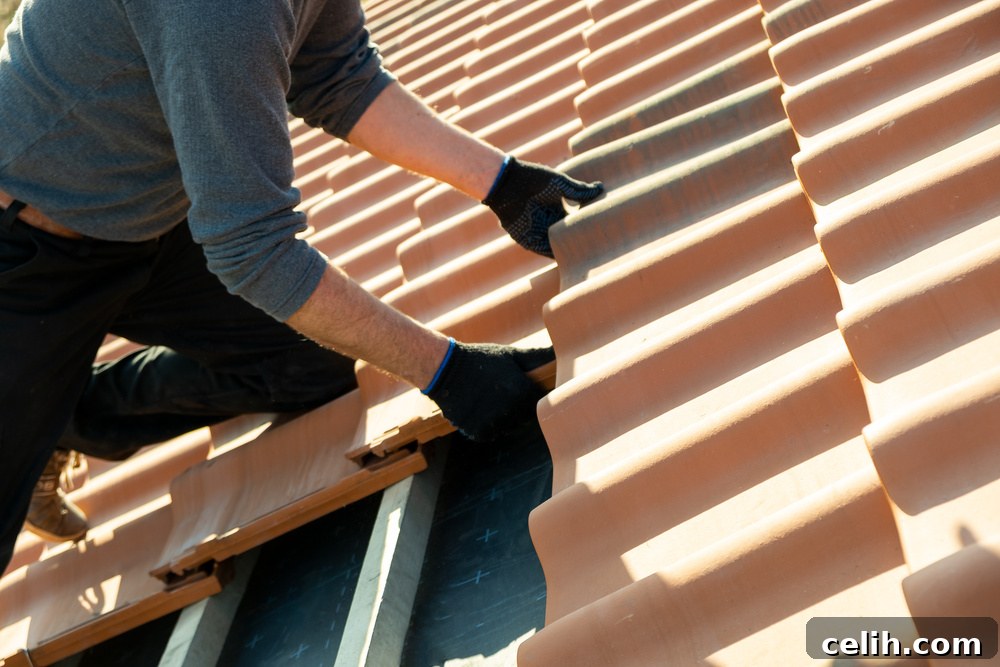
Your roof is much more than just a cover; it’s a critical component that safeguards your home, your family, and your investments. Acting as the primary barrier between your living space and the unpredictable outdoor elements, it continuously protects against harsh weather conditions such as relentless rain, heavy snow, damaging hail, strong winds, falling debris, and stray branches. A well-maintained roof is indispensable for preserving the structural integrity and comfort of your home. Neglecting its condition can lead to a cascade of problems, from insidious leaks that damage interiors to the growth of harmful mold and mildew, significantly compromising indoor air quality and structural stability.
The importance of a robust and efficient roofing system extends far beyond mere protection. It plays a pivotal role in your home’s energy efficiency. A high-performing roof acts as an essential insulator, helping to retain climate-controlled air inside your home. This means your house remains comfortably warm during the biting winter months and refreshingly cool throughout the sweltering summer, leading to noticeable savings on your energy bills. Moreover, the aesthetic appeal of your roof dramatically influences your property’s curb appeal. A suitable, well-maintained roof can elevate the overall look of your home, making a strong positive impression. This enhanced visual appeal directly contributes to an increase in your home’s market value, which is a significant advantage if you ever decide to sell. Conversely, a roof showing signs of wear and tear—such as extensive moss or algae growth, visible sagging, or simply an aged, dilapidated appearance—can deter potential buyers, signaling a lack of proper maintenance and potentially hiding costly underlying issues.
As a homeowner, the reality is that at some point, you will likely face the decision of installing a new roof. Whether due to natural wear and tear, storm damage, or simply the expiration of its lifespan, roof replacement is a significant home improvement project. However, discerning the optimal time for such a crucial undertaking can be challenging. Various factors, particularly prevailing weather conditions and temperature, profoundly impact the roof replacement process, directly influencing both the efficiency of the installation and the overall cost. This comprehensive guide aims to equip you with the knowledge needed to determine the most ideal season for your roof replacement, ensuring a smooth process, a durable outcome, and the best value for your investment. Let’s explore how each season presents unique opportunities and challenges for roofing projects.
Winter Roof Replacement: Navigating the Cold Challenges
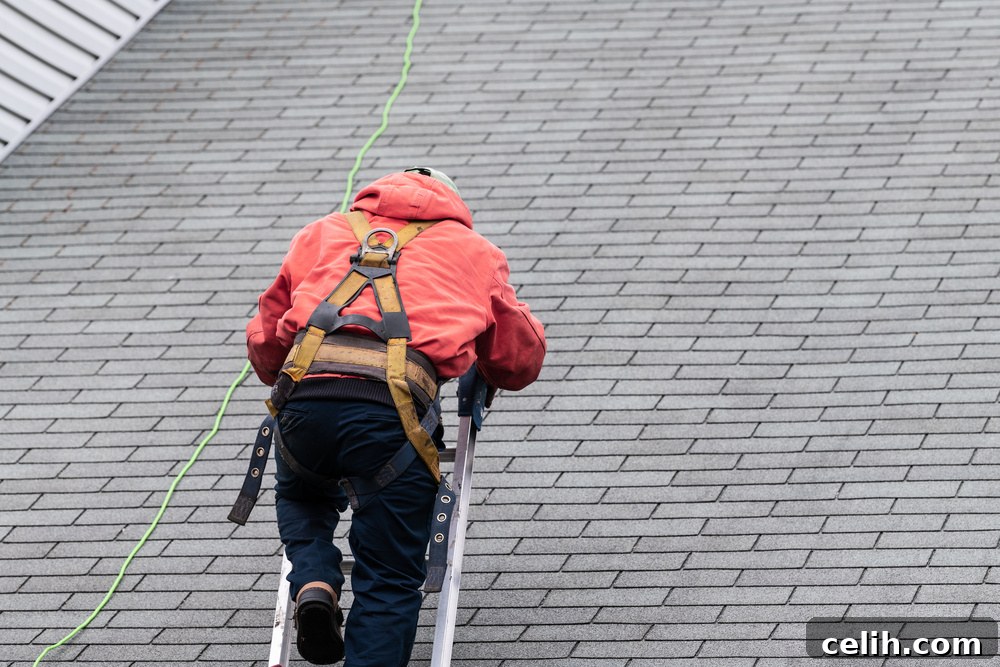
While often necessary, undertaking a roof replacement during the winter months is generally considered less than ideal for several compelling reasons. The primary concern revolves around the impact of frigid temperatures on roofing materials. Asphalt shingles, the most common roofing material, become notably rigid, brittle, and more susceptible to cracking or breaking when exposed to extreme cold. This makes them difficult to handle and install correctly without damage, potentially compromising their longevity and protective capabilities. Furthermore, the low temperatures can hinder the proper adhesion of the sealant strips on asphalt shingles, which rely on warmth and sunlight to activate and bond effectively. This impaired sealing can leave your roof vulnerable to wind uplift and moisture infiltration, reducing its overall effectiveness and lifespan.
Beyond material handling, winter conditions pose significant logistical and safety challenges. Shorter daylight hours mean reduced working time for roofing crews, often prolonging the project duration and potentially increasing labor costs. Icy surfaces, snow accumulation, and bitter winds create hazardous working conditions for roofers, increasing the risk of accidents and injuries. This naturally slows down the work process and can lead to higher insurance premiums for contractors, which may be passed on to the homeowner. Additionally, inclement weather such as heavy snowfalls or sleet can cause frequent delays, pushing back project completion dates and causing inconvenience. Homeowners might also face issues with debris removal and site cleanup in snowy or frozen conditions.
Despite these drawbacks, there are situations where a winter roof replacement becomes unavoidable, particularly in emergency scenarios like severe storm damage. In such cases, experienced roofing professionals employ specialized techniques to mitigate the challenges. One common method is the application of hand-sealing techniques, where an adhesive is manually applied to shingle tabs to ensure proper bonding, bypassing the need for natural heat activation. However, this specialized labor often comes at a higher cost due to the increased skill and time required. If you find yourself needing a roof replacement in winter, it is absolutely paramount to select only the most reputable and reliable roofing replacement services in your locality. These professionals will have the necessary experience, equipment, and safety protocols to execute the job effectively and safely, even under adverse conditions, ensuring satisfactory and lasting results despite the season’s inherent difficulties. It’s crucial to discuss these winter-specific challenges and solutions thoroughly with your chosen contractor before commencing any work.
Summer Roof Replacement: Harnessing the Warmth, Avoiding the Extreme
Summer offers a mixed bag of opportunities and challenges for roof replacement. The most opportune time during this season is typically at its very beginning, in late spring or early summer. The consistently warm, but not excessively hot, temperatures during this period are ideal for the installation of most roofing materials, particularly asphalt shingles. The moderate heat allows the tar strip on the back of asphalt shingles to fully activate and melt sufficiently, creating a strong, watertight bond between adjacent shingles. This proper sealing is crucial as it significantly reduces the risk of shingle fly-offs during high winds and prevents water penetration, ensuring your new roof performs optimally and lasts for its intended lifespan.
The extended daylight hours in early summer are another significant advantage, providing ample time for roofing crews to complete the project efficiently without needing to rush. This often translates into quicker project completion times and potentially lower labor costs compared to seasons with shorter daylight. Additionally, the generally drier conditions mean less chance of rain delays, allowing for a more predictable project schedule. Homeowners can often schedule their roof replacement with greater flexibility during this period, and contractors may have more availability before their busiest season hits its peak.
However, as summer progresses into mid-season, the escalating temperatures can introduce their own set of complications. Extreme heat and high humidity levels, particularly in regions prone to intense summers, can make working conditions incredibly challenging and even dangerous for roofing crews. Roofers face a higher risk of heat exhaustion, dehydration, and sunburn, which can lead to reduced productivity, increased breaks, and a slower pace of work. This prolonged installation time can offset some of the initial cost benefits. Furthermore, very hot temperatures can make certain roofing materials, especially asphalt shingles, overly pliable and soft. This can make them prone to damage during handling and installation, or even cause them to scuff and mark easily underfoot, potentially compromising their aesthetic and protective qualities. The intense sun can also cause the deck to become excessively hot, which can affect the curing and bonding of certain adhesives and sealants. Therefore, while many roofing companies continue to conduct installations throughout the entire summer season, it’s advisable to aim for the cooler parts of summer or to discuss with your contractor how they manage the challenges of extreme heat to ensure a high-quality installation.
Spring Roof Replacement: The Season of Renewal and Opportunity
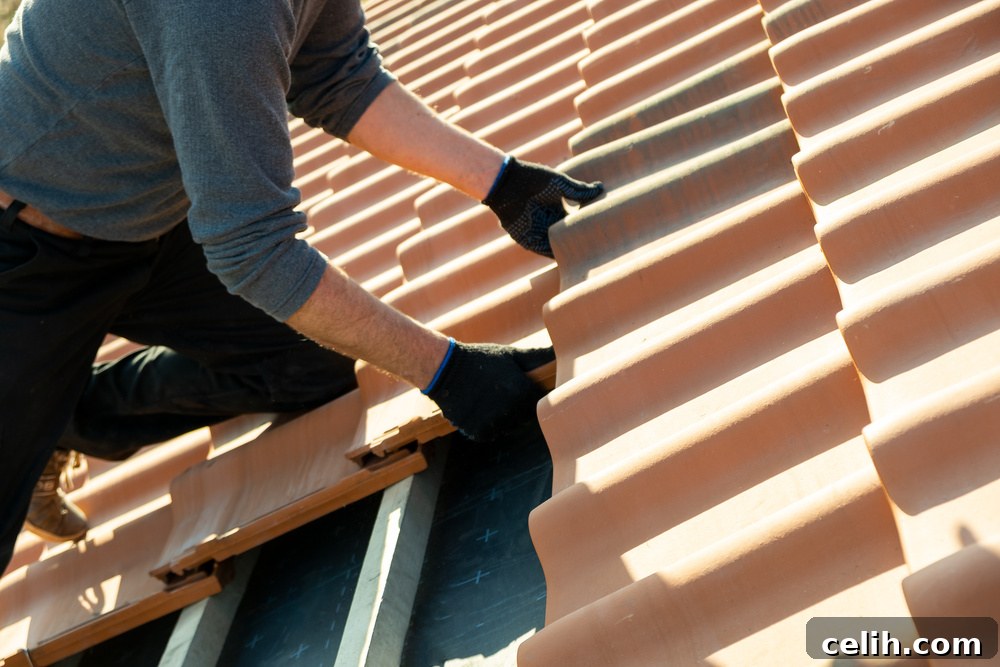
Spring is often hailed as an excellent season for roof replacement, striking a near-perfect balance of favorable conditions. Following the harshness of winter, springtime naturally becomes a period for homeowners to meticulously assess any damage their roof might have sustained from snow, ice, and freezing temperatures. Discovering significant issues, such as widespread leaks, missing shingles, or structural compromises, makes spring an ideal time for immediate action. The weather conditions during spring are typically moderate and highly conducive to roofing work: temperatures are cooler than summer’s peak, and humidity levels are generally lower, which significantly benefits the installation process.
These temperate conditions are particularly advantageous for asphalt shingles. The moderate warmth helps activate the adhesive strips for proper sealing without causing the shingles to become overly soft or brittle. The reduced humidity limits the chances of moisture-related damage during installation, such as the trapping of moisture beneath new layers, which can lead to blistering or premature deterioration. This creates an optimal environment for roofing professionals to perform their job efficiently and effectively, ensuring the longevity and performance of your new roof. Moreover, the longer daylight hours that come with spring provide ample time for contractors to work, often leading to quicker project completion and fewer weather-related delays compared to winter.
Beyond the favorable weather, spring offers additional practical benefits. It’s typically a slightly less busy period for roofing contractors compared to the peak seasons of summer and fall. This reduced demand can translate into several advantages for homeowners. You may find it easier to schedule your project with your preferred contractor, potentially benefiting from quicker turnaround times. Furthermore, the slightly lower demand can sometimes lead to more competitive pricing for both labor and materials, resulting in lower overall expenses for your roof replacement project. This combination of ideal weather, efficient scheduling, and potential cost savings makes spring an excellent window for not only conducting a thorough roofing inspection to identify post-winter damage but also for proceeding with a full replacement with confidence.
Fall Roof Replacement: The Undisputed Prime Season
Without a doubt, fall consistently emerges as the most suitable and highly recommended time for roof replacement. This season offers a near-perfect confluence of weather conditions that are ideal for nearly all types of roofing projects, especially for the installation of asphalt shingles. During the fall, temperatures typically range between a comfortable 45 to 85 degrees Fahrenheit (with ideal conditions generally staying above 40 degrees Fahrenheit). This temperate range is critical: it’s warm enough to allow the adhesive on asphalt shingles to properly activate and seal effectively, ensuring a durable, watertight bond. At the same time, it’s not so hot that materials become overly pliable or that intense heat poses a risk to the roofing crew.
The weather during fall is also generally calmer and more stable. There are fewer instances of the extreme heat experienced in summer or the severe cold, snow, and ice found in winter. This reduction in extreme weather minimizes the risk of installation delays due to inclement conditions and creates safer working environments for roofers. The moderate temperatures also allow for optimal curing of sealants and adhesives used in roofing, contributing to the overall integrity and longevity of your new roof. Essentially, fall provides the last, best opportunity to complete your roofing tasks before the harshness of winter arrives, offering peace of mind through the colder months.
One of the key reasons that fall is a preferable time for replacing your roof is that it allows for typical asphalt shingles to be installed and sealed without the negative impact of extreme weather conditions, such as brittleness from cold or softening from intense heat. This optimal environment leads to a more efficient installation process and a higher quality finish. However, precisely because fall is so ideal, it is also one of the busiest times for roofing companies. Contractors’ schedules can fill up quickly as homeowners and businesses rush to get their roofs replaced before winter. Therefore, to ensure you can secure your preferred installation date and choice of contractor, it is crucial to plan ahead and contact your trusted roofer early in the summer or even late spring to get on their schedule. Proactive planning will guarantee you benefit from the prime conditions of the fall season for your essential roof replacement.
Conclusion: Strategic Planning for Your Roof’s Future
Your roof stands as an indispensable guardian for your home, protecting it from the elements and contributing significantly to its structural integrity, energy efficiency, and aesthetic appeal. However, no matter how diligently you commit to its maintenance, every roof has a finite lifespan. There will inevitably come a time when it requires replacement, whether due to unavoidable damage incurred from severe weather conditions, the natural aging process, or a combination of both. Recognizing the signs of wear and tear early and acting proactively is key to preventing minor issues from escalating into costly and extensive home damage.
Understanding the nuances of seasonal weather patterns and their impact on roofing projects is paramount for making an informed decision. As we’ve explored, while emergency replacements can occur at any time, certain seasons offer distinct advantages that can lead to a more efficient installation, better material performance, and potentially more favorable costs. Fall consistently emerges as the most preferable season for roof replacement, providing ideal temperatures that ensure proper material adhesion and a stable working environment. Spring also offers a strong alternative with its moderate temperatures and often reduced contractor demand. Summer, particularly its early weeks, can be excellent, though mid-summer heat requires careful consideration. Winter, while challenging, can be managed by experienced professionals for essential repairs, albeit often with higher costs and extended timelines.
Ultimately, making the right decision about when to replace your roof involves weighing these seasonal factors against your specific needs, budget, and local climate. By strategically planning your roof replacement for the most opportune time, you ensure that you and your family are kept safe, secure, and comfortable from the harsh elements for years to come. Do not hesitate to consult with reputable local roofing professionals who can provide expert advice tailored to your home’s unique situation and help you navigate this significant home improvement project with confidence. Investing in a timely and well-executed roof replacement is an investment in the long-term health and value of your entire home.