
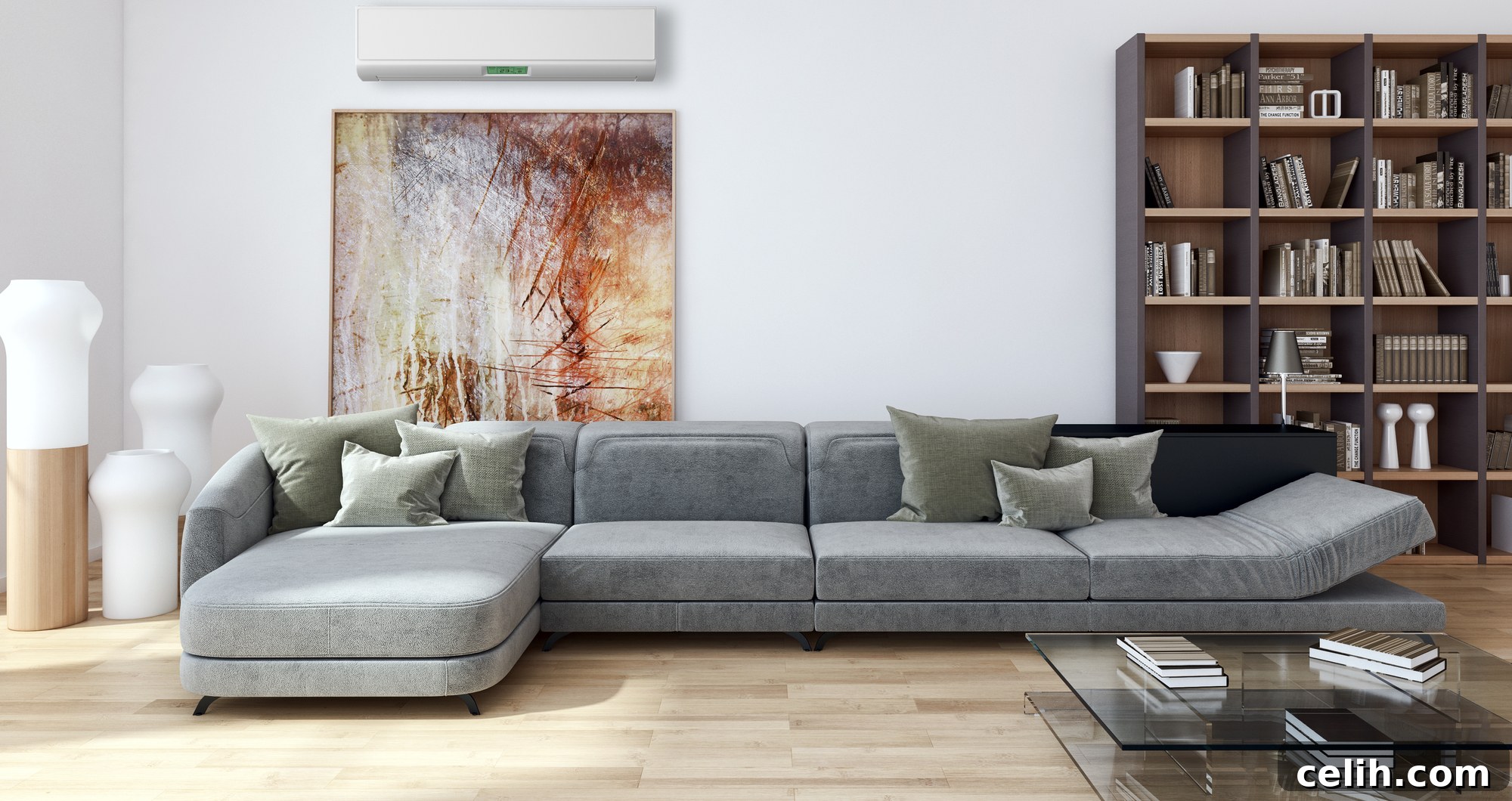
In our minds, most of us envision that absolutely perfect living space – a sanctuary where every detail, even the often-overlooked elements, contributes harmoniously to a symphony of style and functionality. Today, we’re casting a spotlight on our essential cooling companions: air conditioners. It’s remarkable how these once bulky, utilitarian appliances have transformed into sleek, integrated design statements, evolving far beyond their original purpose to become pivotal components of modern home aesthetics and comfort.
Gone are the days of loud, obtrusive air conditioning units that were an undeniable eyesore. Modern innovations have ushered in an era of elegant, whisper-quiet systems that not only elevate our living spaces but also cultivate an inviting ambiance. The challenge of combating stifling heat has evolved into an opportunity to curate an environment that truly reflects personal style and promotes well-being. Are you ready to discover how contemporary air conditioning solutions can transform your home into an exceptionally cool, serene, and stylish haven?
Modern & Sleek Designs: A Fusion of Form and Function
The landscape of air conditioner design has undergone a dramatic metamorphosis, breathing new life into our domestic environments. Far from being mere hard-working machines focused solely on cooling, today’s modern marvels are meticulously crafted with a keen eye for aesthetics. They strike a sophisticated balance between artistic expression and optimal efficiency, seamlessly integrating into and enhancing interior décor. This evolution raises a pertinent question: how effectively are these sophisticated companions fitting into our contemporary design schemes, and what makes them an indispensable element of modern living?
Aesthetics & Functionality: Beyond the Bulky Beast
The era of the bulky, noisy air conditioner dominating your wall space is definitively over. Contemporary design philosophy for cooling systems emphasizes elegance and subtlety, moving beyond mere utility to become an integral part of interior aesthetics. Form and functionality are no longer mutually exclusive but rather interwoven, with sculptural shapes, refined lines, and unobtrusive profiles becoming the standard. Modern units are designed to be visually appealing, offering a sleek presence that complements rather than detracts from your décor, all while delivering powerful and efficient cooling performance. We now seek devices that act as subtle masterpieces, performing their essential task with quiet efficiency while blending effortlessly into their surroundings. This thoughtful evolution truly redefines how we perceive comfort appliances.
Imagine a slender, wall-mounted air conditioning unit that merges imperceptibly into your gallery wall art collection, or a discreet floor-standing model finished in warm wood tones, complementing your beloved bookshelf. This harmonious integration of comfort and design is not only desirable but increasingly achievable. Manufacturers are using premium materials like brushed aluminum, matte finishes, and customizable panels to allow these units to mimic fine furniture or art pieces. Smart technology further enhances this seamless integration, with controls moving to intuitive apps, eliminating the need for complex, visible interfaces and contributing to a cleaner, more streamlined aesthetic. This thoughtful approach ensures that your cooling system is an asset to your home’s design, not an afterthought.
The Minimalism Movement in Cooling Architecture
Simplicity is a prevailing trend across all aspects of modern design, and cooling architectures are no exception. Minimalist air conditioner designs have garnered significant popularity, embodying the principle that less is more. These stripped-down yet striking units exude a sense of calm and order amidst the daily hustle, proving that profound impact doesn’t always necessitate imposing size or complex features. Their understated elegance brings a serene presence to any room, reflecting a deliberate choice for tranquility and visual clarity in our personal spaces.
You’ll discover devices characterized by soothing color palettes—neutrals, muted tones, and subtle metallics—streamlined forms free from unnecessary embellishments, and uncomplicated, intuitive controls. Minimalism in design does not equate to a lack of personality; instead, it wraps comfort in its most essential and refined essence. There is an undeniable appeal in clean lines and uncluttered spaces, which contribute significantly to a peace-filled ambiance. In our fast-paced, often chaotic world, a desire for simplicity within our homes is paramount. Embracing a minimalist air conditioning system can contribute directly to creating that tranquil and harmonized environment, making your home a true sanctuary from external stressors.
Green Cooling Solutions: Sustainability Meets Optimal Comfort
The pursuit of ultimate indoor comfort absolutely does not have to come at the expense of our planet’s health. In fact, modern advancements have made it possible for eco-friendliness and optimal chilling to converge seamlessly. Green cooling solutions represent a significant leap forward, offering innovative ways to keep our homes comfortable while actively contributing to environmental stewardship. These systems are designed with sustainability at their core, minimizing energy consumption and environmental impact without compromising performance, thereby aligning personal comfort with global responsibility.
Eco-friendly Innovations: Redefining Sustainable Comfort
Imagine relaxing in your living room, enveloped in perfectly chilled air, knowing that your air conditioner is powered by renewable energy. This appealing vision is now a tangible reality, thanks to avant-garde creations in air conditioning technology that champion sustainability. One groundbreaking innovation is the rise of solar-powered air conditioners, which are becoming increasingly prevalent as solar energy transforms the global power landscape. These units harness the sun’s abundant energy, significantly reducing reliance on conventional electricity grids.
Further advancements include hybrid units that intelligently switch between solar and electrical power to maximize efficiency, waste heat recovery systems that repurpose energy, and cutting-edge designs utilizing water evaporation for cooling. Geothermal cooling systems are another remarkable example, leveraging the stable underground temperatures to provide highly efficient heating and cooling. Furthermore, the industry is making substantial strides in reducing the environmental impact of refrigerants. Modern AC units increasingly employ propane or ammonia-based refrigerants, which cause significantly less harm to our delicate ozone layer compared to traditional hydrofluorocarbons (HFCs). Smart thermostats also play a crucial role, learning your preferences and optimizing energy usage to reduce waste. These eco-friendly innovations are truly redefining what it means to be “cool” in the 21st century, making comfort synonymous with environmental responsibility.
Benefits of Going Green: More Than Just Environmental Kindness
Beyond the undeniable satisfaction of supporting environmental protection, what practical advantages do these environmentally conscious cooling options offer? The perks extend far beyond merely stoking your inner environmental champion, providing tangible benefits that impact your finances, health, and long-term well-being.
Firstly, opting for green cooling solutions often translates into significantly lower operating costs. While the initial investment for eco-friendly units like solar-connected or geothermal coolers might be higher, the long-term savings on your electricity bills are substantial. These systems are designed for superior energy efficiency, drastically reducing your monthly utility expenses over their lifespan. Moreover, many governments and local authorities offer incentives, rebates, or tax credits for installing energy-efficient appliances, further mitigating the upfront cost and accelerating your return on investment.
Secondly, green products frequently demonstrate enhanced longevity and durability. Engineered with sustainability as a core principle, their designs prioritize long-term performance and resilience over instant profitability. This focus on robust construction and advanced materials means fewer repairs, less frequent replacements, and a longer operational life, providing excellent value for your investment and reducing landfill waste. Lastly, but certainly not least, green technology often leads to enhanced indoor air quality (IAQ). Many eco-friendly AC units incorporate advanced filtration systems that more effectively remove dust, allergens, pollutants, and even volatile organic compounds (VOCs) from your indoor environment. This results in healthier living spaces for everyone, particularly beneficial for individuals with allergies or respiratory sensitivities. Investing in green cooling is a wise decision that benefits your wallet, your comfort, and the planet simultaneously.
Tips on Integrating an A/C System Seamlessly into Your Home
Integrating an air conditioning system into your living environment should not feel like an invasive disruption but rather a thoughtful enhancement. The correct approach ensures that your cooling solution complements and improves the harmony of both your interior and exterior spaces. Achieving this blend of efficiency and aesthetics requires careful planning and consideration. Let’s explore some key design and installation tips to ensure your A/C system integrates flawlessly into your home’s overall design scheme and functionality:
- Camouflage Outdoor Units Effectively: Outdoor units, while essential, can often be an eyesore. Consider painting the unit in a color that seamlessly blends with your home’s exterior siding or brickwork, making it less noticeable. Alternatively, strategically place it in a less frequented area of your property. Landscaping elements such as decorative fences, trellises with climbing plants, or dense shrubs can effectively conceal the unit. However, always ensure a minimum of two feet of clearance around all sides to guarantee proper airflow and prevent overheating, which could compromise efficiency and lifespan.
- Prioritize Regular Professional Maintenance: Even the most advanced and durable air conditioning units require consistent care to maintain optimal performance and longevity. Scheduling regular professional check-ups with trusted HVAC services is crucial. These maintenance visits ensure that your system operates efficiently, preventing minor issues from escalating into costly repairs and extending its operational life. For instance, homeowners residing in Florida might consider local professionals like AC repair Riverview FL, who can provide expert service tailored to specific regional needs.
- Optimize Placement for Both Aesthetics and Efficiency: When positioning your indoor and outdoor units, think beyond just visual appeal. Strategic placement significantly impacts energy efficiency and cooling performance. Avoid placing outdoor units in direct sunlight or near heat-emitting appliances. Inside, units should be positioned away from direct heat sources like large windows that receive intense sun exposure or active fireplaces. Proper placement minimizes the cooling load, optimizing energy use and reducing your utility bills.
- Consider Acoustic Implications of Your Unit Choice: Noise levels are a critical factor, particularly if the unit will be located near outdoor living areas like patios, decks, or close to bedrooms. Modern air conditioners vary widely in their operational decibel levels. When selecting a unit, research its noise rating and opt for a quieter model if it’s destined for an area where intrusive sound would be a significant concern. A quieter unit enhances the overall comfort and serenity of your living environment.
- Think Upwards for Indoor Units: For wall-mounted indoor units, ideal placement is typically high on a wall. This positioning leverages the natural tendency of cool air to sink, facilitating more effective and uniform air distribution throughout the room. Furthermore, placing units higher removes them from the immediate line of sight, contributing to a less cluttered and more aesthetically pleasing interior. This strategic height also helps in preventing obstructions from furniture or décor.
- Avoid Obstructions Beneath Indoor Units: While positioning indoor units, it’s vital to ensure there is nothing directly underneath them that could impede airflow. Furniture, tall shelves, or heavy drapery can block the expulsion of cool air, significantly impacting the unit’s cooling efficiency and forcing it to work harder. Keeping the area beneath clear ensures unobstructed airflow, allowing the system to operate at its intended efficiency and cool your space effectively.
- Ensure Accessibility for Future Maintenance: While integrating units discreetly is desirable, never compromise on accessibility for maintenance. Units should not be completely enclosed or installed in hard-to-reach locations. Practicality is just as important as aesthetics. Easy access allows technicians to perform routine inspections, filter changes, and necessary repairs without undue difficulty, saving you time and potential labor costs in the long run. Thoughtful planning can achieve both concealment and convenient access.