
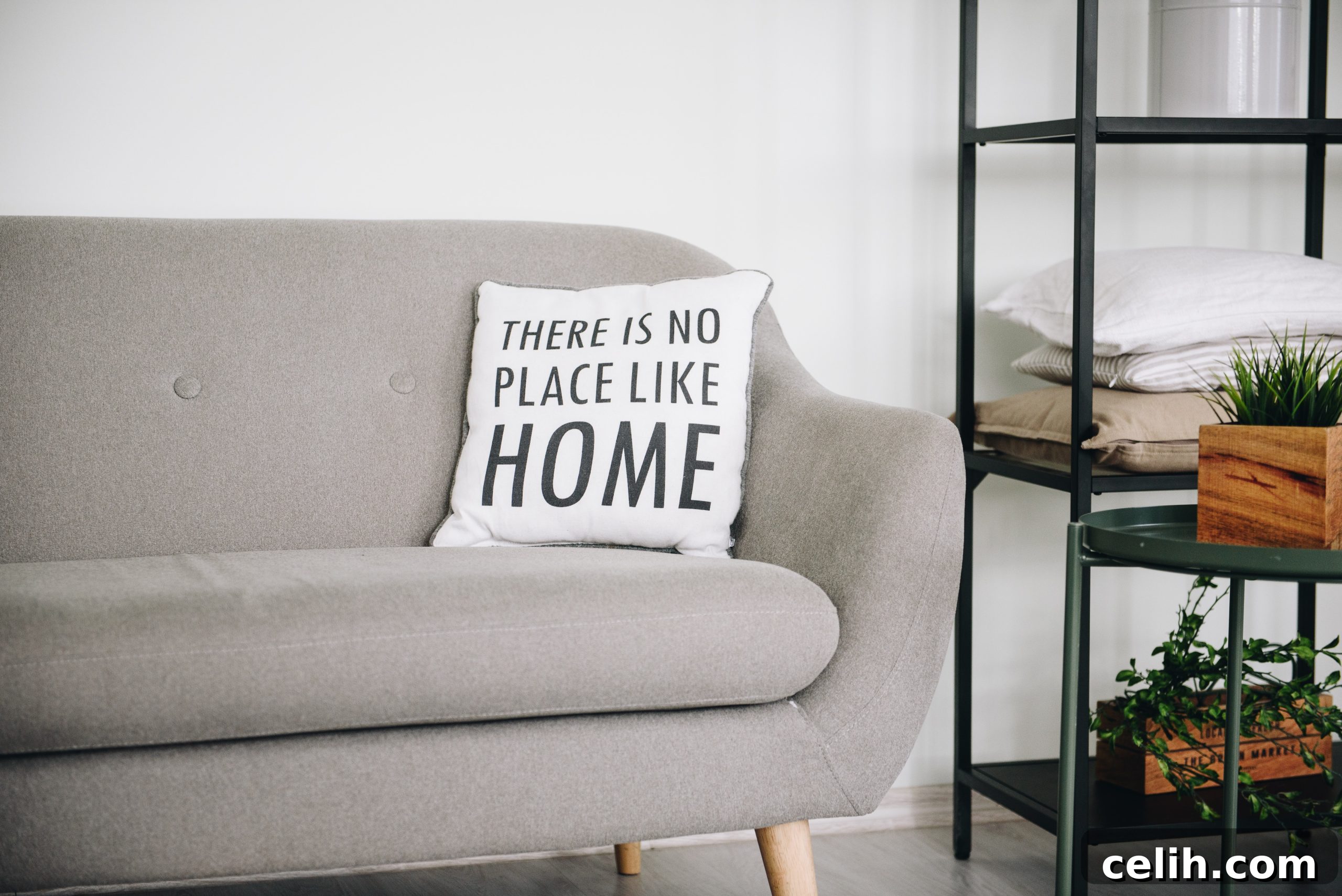
The year 2020 ushered in a profound shift in how we view our living spaces. With more time spent indoors, home improvement projects surged globally, driven by a collective desire to create truly comfortable and personalized sanctuaries. Many realized their homes, often falling into the ‘cookie-cutter’ category, felt cold, impersonal, and disconnected from their unique personalities. This widespread introspection highlighted a critical difference: a plain house is not the same as a minimalist one. While minimalism champions an intentional reduction of visual clutter, it does so with a clear aesthetic and a sense of purpose. A plain room, on the other hand, is simply dull, uninspired, and lacks any distinctive character or personal touch.
If you find your home looking uninviting, lacking warmth, or simply not reflecting your individual taste, it’s likely due to a few common decor issues. Often, it’s not about a complete overhaul, but rather making thoughtful adjustments and introducing key fixtures that infuse personality. Understanding these prevalent design pitfalls can empower you to transform your dwelling from merely a house into a home that genuinely resonates with you. Here are four significant decor challenges that might be preventing your space from feeling like a true extension of your style and how to effectively address them.
1. The Impact of Empty Walls: Transforming Bareness into Character
Perhaps nothing renders a living space more generic and uninspiring than walls devoid of any adornment. Bare walls communicate a sense of incompleteness, making a room feel sterile, cold, and utterly impersonal. Far from being an optional luxury, wall decor is an essential component for cultivating an inviting and visually engaging home environment. The choices you make for your wall art can dramatically elevate a space from bland and lifeless to a Pinterest-worthy sanctuary that exudes personality.
The beauty of wall decor lies in its incredible versatility. Whether your aesthetic leans towards the vibrant energy of abstract art, the calming presence of landscapes, the rustic charm of a large wooden clock, or the sophisticated elegance of stunning mirrors, there’s an option for every taste and every room. Wall art doesn’t just fill space; it serves as a powerful focal point, drawing the eye and anchoring the room’s design. It tells a story, reflects your interests, and can even influence the mood of a space. Consider a gallery wall featuring a curated collection of personal photographs, travel memories, or prints from your favorite artists. Floating shelves can also transform a blank wall into a dynamic display area for books, small sculptures, or cherished mementos. Incorporating textiles like macrame hangings or tapestries can add warmth and texture, softening the room’s edges. By thoughtfully adorning your walls, you inject life, depth, and a unique narrative into your home, making it feel truly lived-in and cherished.
2. The Pitfall of Small Furniture: Achieving Balance and Cohesion
A common yet often overlooked decor issue arises when the size of your furniture is disproportionate to the size of the room it inhabits. If your furniture pieces are too small, they can make a room feel strangely empty, unfinished, and even awkward. This imbalance prevents the space from achieving the desired sense of comfort and cohesion. Furniture isn’t just for sitting or storing; it’s a foundational element that defines zones, guides traffic flow, and establishes the overall scale and proportion of a room. When furniture is too diminutive, it fails to anchor the space, diminishing comfort and giving the impression that the room’s potential is largely untapped.
The key to successful furniture placement lies in understanding scale and proportion. Before investing in new pieces, always measure both the furniture and your room meticulously. Utilize floor plans or even simple tape outlines on the floor to visualize how larger items like sofas, beds, or dining tables will fit. The aim is to select pieces that feel substantial enough to command their space without overcrowding it. For instance, a small sofa in a large living room will look lost, whereas a well-proportioned sectional can create a cozy conversation area. Similarly, a tiny bedside table next to a king-sized bed can look out of place. Consider how individual pieces interact with each other and with the room’s architecture. Multi-functional furniture, like ottomans with storage or nesting tables, can also be excellent choices for smaller spaces, offering versatility without sacrificing visual weight. The objective is to strike a perfect balance, avoiding both the sparseness of too-small items and the cramped feeling of oversized pieces, ultimately creating a harmonious, functional, and inviting environment.
3. The Problem of Bare Floors: Anchoring Your Design with Rugs
When a room lacks an area rug, especially on hard flooring, it often appears as a disjointed collection of individual items rather than a thoughtfully arranged and cohesive space. Bare floors can make a room feel cold, echoey, and unfinished, failing to provide the visual warmth and definition that is crucial for a welcoming home. A well-chosen rug does far more than just cover the floor; it introduces texture, color, and pattern, instantly warming up the room and making it feel more lived-in and inviting. Crucially, a rug also serves to define the space, creating distinct zones and setting an intentional foundation for the entire room’s design scheme.
However, it’s not just any rug that will do the trick; size is paramount. One of the most common mistakes in interior design is selecting a rug that is too small for the space. A truly effective rug should be sizable enough to anchor the key pieces of furniture within the room. In a living room, for instance, at least the front legs of all major seating pieces (sofa, armchairs) should rest on the rug. Ideally, all furniture should be placed entirely on the rug for a truly grand and anchored feel, especially in larger rooms. This strategic placement ensures that your furniture feels intentionally grouped and arranged, creating a sense of unity and comfort. Beyond size, consider the material and texture – a plush wool rug offers luxurious softness and sound absorption, while a natural fiber rug like jute or sisal adds an organic, earthy feel. Investing in a quality, appropriately sized rug is one of the most impactful decisions you can make to elevate a plain, cold space into something truly amazing, tying all elements together and enhancing both aesthetics and acoustics.
4. The Neglect of Bare Tables: Styling for Sophistication and Personality
Even the most exquisite coffee table, side table, or console table can appear mundane and uninspired if left bare. These surfaces, often at eye level when seated, present prime opportunities to infuse character, personality, and visual interest into a room. A table without any styling tends to look transient, almost as if it’s still waiting to be placed in its permanent home, or worse, just arrived from the shop floor. Conversely, putting a thoughtful effort into styling your tables is one of the quickest and most impactful ways to elevate your space, making it feel curated and deeply personal.
The art of table styling lies in creating appealing vignettes using a thoughtful selection of items. A simple yet effective trick is to employ the “rule of three” or other odd numbers when grouping objects, as this often creates a more dynamic and aesthetically pleasing arrangement. Start with an anchor piece, such as a small stack of elegant coffee table books that reflect your interests or hobbies. On top of these, introduce varying heights and textures with items like a beautiful candle or two, perhaps in different sizes or scents, or a small, distinctive sculpture or ornament. Don’t forget the power of organic elements; a small potted plant, a fresh floral arrangement, or even a simple branch can bring life and freshness to the display. Decorative trays can also be incredibly useful for corralling smaller items like remotes, coasters, or small collectibles, adding a layer of sophistication while keeping the surface organized. By consciously curating these small details, you transform functional surfaces into stylish focal points, instantly making your room feel more sophisticated, beautiful, and uniquely yours.
Transforming a standard, cookie-cutter residence into a cherished home is an eminently achievable goal. It requires a thoughtful approach, focusing on key elements like impactful wall decor, an appropriately sized and inviting area rug, harmoniously scaled furniture, and carefully styled tables. Each of these components, when addressed, contributes significantly to the overall warmth, personality, and aesthetic appeal of your living space. By making these smart, intentional choices, you’ll cultivate a home that not only reflects who you are but also provides a sanctuary where you can truly relax, thrive, and be proud to call your own. Embrace the journey of personalization, and soon you’ll be enjoying a home that feels perfectly tailored to your unique style and needs.