
Whether you’re a seasoned remote professional or just beginning your journey into the world of working from home, establishing a dedicated, comfortable, and highly functional workspace is not merely a luxury—it’s an absolute necessity. The landscape of work has evolved dramatically, with flexibility and remote capabilities becoming cornerstones of modern careers. This shift necessitates a thoughtfully designed home office that supports focus, boosts productivity, and fosters well-being, transforming any available space—be it a spare room, a cozy corner, or even a converted garden shed—into an inspiring hub for innovation and daily tasks. Crafting an effective home office goes beyond simply placing a desk and a chair; it involves a holistic approach to design that considers everything from lighting and layout to acoustics and aesthetics. Here, we delve into practical, SEO-friendly tips to help you optimize your home office design choices for maximum efficiency and comfort, ensuring your workspace actively contributes to your professional success and personal satisfaction.
Maximize the Power of Natural Light for Enhanced Productivity
The profound impact of natural daylight extends far beyond mere aesthetics; it is a fundamental element for boosting mood, enhancing mental well-being, and significantly improving productivity in any work-from-home setup. Exposure to natural light helps regulate our circadian rhythms, leading to better sleep patterns and increased daytime alertness. It’s also a natural source of Vitamin D, which is crucial for overall health and cognitive function. Therefore, when designing your ideal home office, prioritizing and maximizing natural light should be at the top of your list for creating an energizing and effective workspace.
If your home office is situated in a spare room or an area with direct window access, strategically positioning your desk and computer near these natural light sources is paramount. This arrangement allows you to benefit from ample daylight throughout the day, reducing eye strain and creating a more inviting atmosphere. The views outside can also offer micro-breaks for your eyes and mind, momentarily shifting your focus from the screen to the horizon, which helps in mental rejuvenation. For those whose workspace lacks direct window access, don’t despair. Innovative lighting solutions can mimic natural light, utilizing full-spectrum LED bulbs that replicate daylight’s color temperature and intensity. Additionally, incorporating reflective surfaces, such as strategically placed mirrors opposite windows or light-colored furniture and wall paint, can help bounce available light around the room, making the space feel brighter, more expansive, and contributing to a more stimulating environment. Creating a home office that’s not just enjoyable but actively conducive to focused, productive work begins with embracing and managing natural illumination effectively.
Prevent Glare and Eye Strain: Mastering Light Control for Optimal Focus
Once you’ve identified your primary natural light sources, the next crucial step in optimizing your home office environment is to master light control, specifically to prevent screen glare. Glare on your computer monitor can be a significant impediment to productivity, leading to eye strain, headaches, and overall discomfort, especially during extended working hours. Implementing effective solutions to manage sunlight on brighter days is essential for maintaining visual comfort and sustained focus in your dedicated work area.
Blinds offer a versatile and often affordable option for light control, coming in a wide variety of styles, materials, and opacities to complement diverse interior design aesthetics. From classic Venetian blinds allowing for precise light adjustment to roller blinds offering sleek simplicity, there’s a solution for every need. However, for a more streamlined and minimalist look, concealed blinds present an elegant solution. These innovative systems are discreetly integrated into the window frame or ceiling recess, disappearing when not in use and offering a seamless, uncluttered appearance. They can be effortlessly deployed to filter harsh sunlight, diffuse intense brightness, or provide complete privacy, giving you precise control over the ambient light in your workspace with a touch of modern sophistication. Another highly effective option, particularly if your home office doubles as a guest bedroom or multi-functional space, is the use of blackout curtains. These not only block out excess light when brightness is overwhelming but also provide superior insulation, helping to regulate room temperature, and offer enhanced privacy, ensuring a comfortable environment for both work and rest. Consider combining different layers of window treatments, such as sheer curtains for diffused light and heavier drapes or blinds for full blockage, to achieve maximum flexibility in light management throughout the day. Investing in a high-quality anti-glare screen protector for your monitor can also provide an additional layer of protection against reflections, significantly reducing eye fatigue and promoting a clearer viewing experience.
Craft an Inspiring Ambiance: The Psychology of Color in Your Home Office
The colors that surround us wield immense psychological power, capable of influencing our emotions, energy levels, and cognitive functions. This makes the color scheme you choose for your home office a critical design decision that can either enhance or detract from your workspace’s effectiveness. Far more than just decorative elements, colors can actively contribute to your focus, creativity, or sense of calm, directly impacting your daily productivity and overall job satisfaction in your remote work setup.
Cool colors, such as soft blues, tranquil greens, and soothing lilacs, are inherently calming and peaceful, making them excellent choices for spaces where relaxation is key, like bedrooms. However, for a home office, where the objective is often invigoration, creativity, and sustained focus, these subdued tones might be less optimal as a primary color. Instead, consider hues that stimulate the mind and foster an active thinking environment. Shades of purple, especially deeper tones, can inspire creativity, problem-solving, and a sense of luxury, making them ideal for artistic or strategic roles. Judicious use of yellows can evoke optimism and energy, boosting concentration and morale, while softer oranges can encourage communication and enthusiasm. Brighter, more vibrant shades can spark dynamism and innovation, but it’s important to use them thoughtfully, perhaps as accent walls or through accessories, to avoid overstimulation. If bold colors feel too intense for your personal work style, neutral shades like warm greys, classic creams, or subtle off-whites offer a serene, distraction-free backdrop. These palettes create a sophisticated and professional atmosphere while allowing personal touches and accent decor to stand out, providing versatility for various decorative styles. Beyond wall colors, integrate your chosen scheme through office furniture, soft furnishings, and artwork to create a cohesive and inspiring dedicated work area that truly reflects your professional aspirations and personal style, promoting a positive and productive mindset.
Tame the Tech Tangle: Essential Cable Management for a Clutter-Free Workspace
In today’s digitally-driven world, a home office inevitably hosts a multitude of devices, from monitors and keyboards to chargers, external hard drives, and webcams. The consequence often manifests as a chaotic web of tangled wires, transforming an otherwise tidy space into a cluttered, frustrating environment. This “tech mess” not only detracts from the aesthetic appeal of your home office but also impedes efficiency, making it challenging to move equipment, clean surfaces, or even unplug devices when necessary. Moreover, it can pose a tripping hazard and collect dust, impacting air quality. Fortunately, achieving a clean and organized tech setup is entirely within reach with smart cable management solutions.
The first line of defense against cable clutter is to embrace wireless technology wherever possible. Opt for wireless printers, keyboards, mice, and even routers to significantly reduce the number of physical cables needed. This simple switch can free up valuable desk space and create a much cleaner visual flow. For the cables that are indispensable, such as monitor power cords or charging cables for laptops and phones, integrate thoughtful management tools. Desk grommets, installed directly into your desk surface, provide a discreet channel for wires to pass through, keeping the desktop clear and routing cables neatly underneath. Below the desk, various accessories can keep everything tidy: cable trays or baskets can hold power strips and excess cable length, effectively lifting wires off the floor. Adhesive cable clips can secure individual wires along desk legs, the underside of your desk, or walls, preventing them from dangling unsightly. Furthermore, reusable cable ties, hook-and-loop fasteners, or fabric cable sleeves are excellent for bundling multiple wires together, preventing tangles, making it easier to identify specific connections, and giving a professional finish. A well-managed tech setup not only enhances the visual appeal of your workspace but also promotes a more focused, organized, and stress-free working experience, allowing you to concentrate on your tasks rather than wrestling with wires and clutter.
Strategic Storage: Banishing Clutter for Optimal Office Organization and Efficiency
Clutter is a pervasive problem that can undermine the functionality and tranquility of any space, but its detrimental effects are particularly pronounced in a home office environment. A disorganized workspace where documents are piled high, essential items are misplaced, and surfaces are overcrowded can severely hamper efficiency, disrupt focus, and create unnecessary stress, ultimately diminishing your productivity. To maintain peak performance and a sense of calm throughout your workday, effective home office storage is not just recommended; it is an absolute necessity for any well-designed remote work setup.
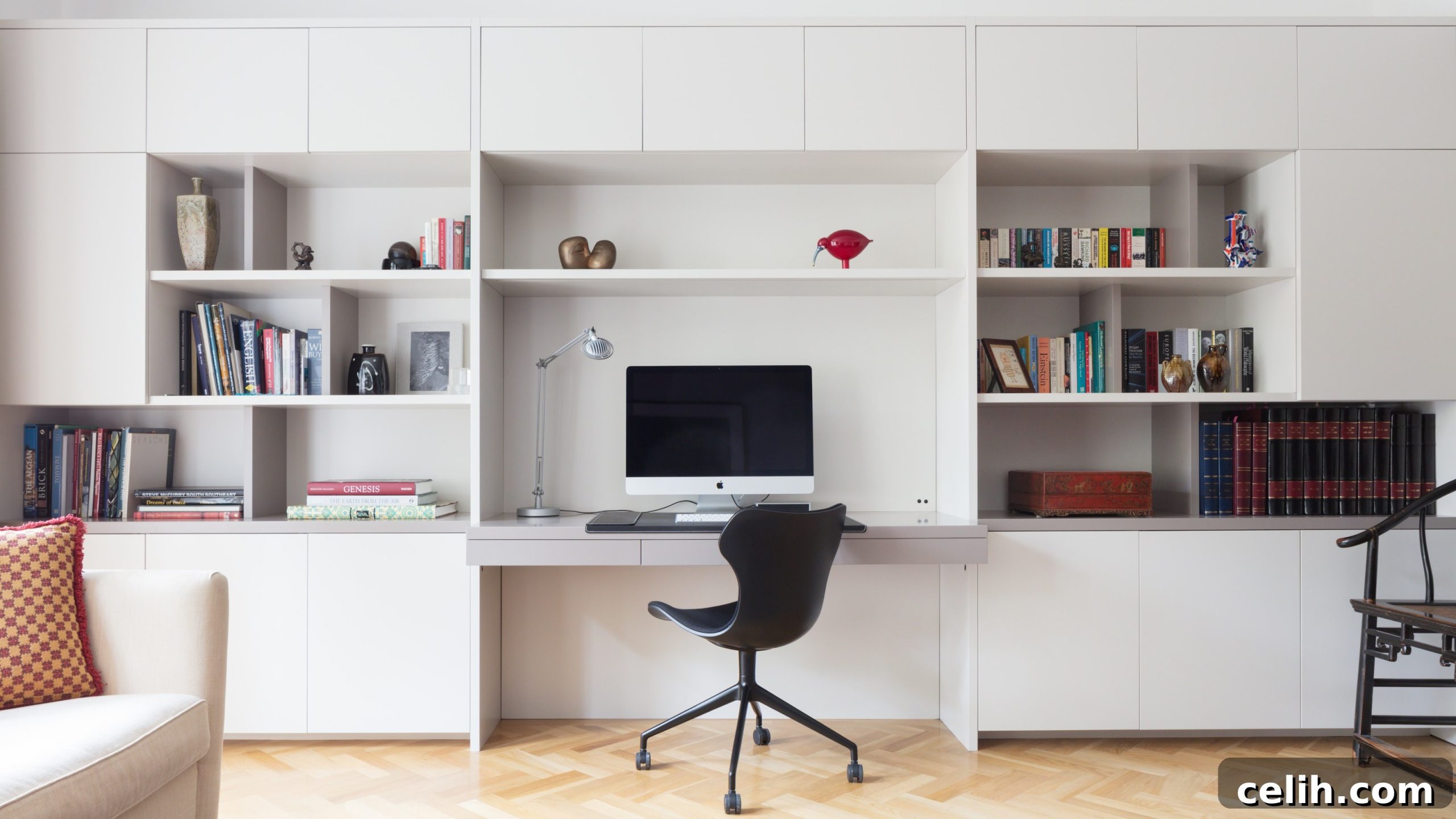
The key to successful office organization lies in a thoughtful approach to storage solutions, designed to keep paperwork, supplies, and equipment readily accessible yet neatly out of sight when not needed. Shelving units, whether built-in or freestanding, offer incredible flexibility and are suitable for home offices of any size, from expansive rooms to compact corners. They are ideal for displaying books, decorative items, and neatly organized files in stylish binders or magazine holders. For items you prefer to keep completely hidden, such as bulky printers, scanners, confidential documents, or personal items, closed cupboards, filing cabinets, or drawer units are invaluable. These solutions create a clean, uncluttered aesthetic while ensuring sensitive materials are secure and out of mind.
Beyond large furniture, smaller storage elements play a crucial role in maintaining order. Decorative bins, labeled boxes, and drawer organizers are perfect for containing small bits and bobs like USB drives, charging cables, pens, stationery, and other office essentials. Consider vertical storage solutions, such as wall-mounted shelves, floating shelves, or pegboards, to maximize space, especially in smaller offices or when converting a corner of a room into a dedicated workspace. These solutions keep items off your desk, freeing up valuable surface area. Before selecting your storage, take a thorough inventory of what you need to store, how frequently you access it, and whether it’s digital or physical. Items used daily should be within arm’s reach, while less frequently used items can be stored further away. By implementing a strategic and systematic approach to storage, you can transform your home office into an impeccably organized, highly efficient, and inspiring work environment that fosters focus and minimizes distractions.
Prioritize Ergonomic Furniture for Long-Term Health and Comfort
Working from home often translates to longer periods spent seated at a desk, a scenario that can exert significant strain on your body. The lack of natural movement inherent in a traditional office environment—like walking to meetings, engaging with colleagues, or moving between different departments—means that your home office setup must proactively support your physical well-being. For this reason, prioritizing ergonomically designed furniture is not merely an option but a critical investment in your long-term health, comfort, and sustained productivity.
An ergonomic chair is the cornerstone of a healthy home workspace. It should offer comprehensive adjustability, allowing you to customize key features such as seat height, seat depth, lumbar support, backrest tilt, and armrests to perfectly fit your unique body dimensions and posture. This tailored support helps maintain proper spinal alignment, reduces pressure on your spine, and prevents the development of common issues like persistent backache, neck strain, shoulder discomfort, and trapped nerves. Beyond the chair, consider an adjustable-height desk, commonly known as a standing desk. Alternating between sitting and standing throughout the day can significantly improve circulation, alleviate back pain, reduce the risk of sedentary lifestyle diseases, and boost energy levels and mental alertness.
Ergonomic principles extend to every aspect of your workstation setup. Ensure your computer screen is positioned at arm’s length and at eye level, with the top of the screen aligned with your eyes, to prevent neck craning and forward head posture. A monitor arm can provide the flexibility needed for optimal screen placement and angle. Your keyboard and mouse should be comfortably within reach, allowing your wrists to remain straight and relaxed, ideally supported by a wrist rest. Proactive ergonomics—implementing these principles *before* pain develops—is paramount. Regular micro-breaks, stretching exercises, and conscious movement throughout the day are equally vital to complement your ergonomic setup, ensuring sustained mobility, comfort, and overall physical health. Investing in high-quality ergonomic furniture is an investment in your health, ensuring your home office setup supports not just your work, but your overall well-being and longevity in your remote career.
Optimize Acoustics: Creating a Zone of Focus and Tranquility
In a bustling household or a multi-functional living space, maintaining concentration in your home office can be a significant challenge. Unwanted noise—whether from family activities, playful pets, household appliances, or outdoor sounds—can be a major distraction, undermining productivity, increasing stress, and making it difficult to engage in virtual meetings. Optimizing the acoustics of your dedicated work area is therefore crucial for cultivating a tranquil and focused environment that supports deep work.
Several design elements can strategically contribute to better sound control and absorption within your home office. Heavy curtains or drapes made from dense fabrics are remarkably effective at absorbing sound and blocking external noise, especially when combined with window treatments designed for glare prevention. Rugs and carpets, particularly those with a thick pile or underlay, significantly reduce echo and absorb ambient sounds, making the room feel quieter, more contained, and acoustically softer. If your office space is part of an open-plan living area, strategically placed furniture, such as tall bookshelves filled with books, large upholstered sofas, or tall cabinets, can act as effective sound barriers, delineating your workspace and muffling noise transmission. For more severe noise issues or dedicated home offices, consider installing specialized acoustic panels on walls or ceilings. These panels are specifically designed to absorb sound waves, drastically improving speech clarity, reducing reverberation, and creating a much calmer auditory environment. Even incorporating soft furnishings like upholstered chairs, throw pillows, and wall tapestries can contribute to a more acoustically comfortable and inviting environment. Lastly, for moments when absolute silence or complete immersion is required, a good pair of noise-cancelling headphones can be an invaluable tool, allowing you to immerse yourself fully in your tasks without external auditory interruptions.
Personalize Your Workspace for Inspiration and Well-being
While functionality, ergonomics, and organization are paramount for an efficient home office, your workspace should also be a reflection of your personality and a source of daily inspiration. A thoughtfully personalized workspace can significantly impact your motivation, creativity, and overall well-being, transforming a mere desk into a vibrant hub that nurtures your professional aspirations.
Start by incorporating elements that bring you joy, comfort, and a sense of calm. This could include artwork that resonates with you, framed photographs of loved ones, or small decorative items that hold personal significance or remind you of your passions. Plants are an excellent addition to any home office, embodying the principles of biophilic design. Not only do they add a touch of natural beauty and greenery, but numerous studies suggest that indoor plants can improve air quality by filtering toxins, reduce stress levels, and even boost creativity and focus. Choose low-maintenance plants like snake plants, ZZ plants, Pothos, or peace lilies for easy care and maximum impact.
Consider creating a mood board or a small whiteboard where you can pin up ideas, inspirational quotes, affirmations, or visual goals. This serves as a constant source of inspiration and keeps your objectives front and center, acting as a visual prompt for your aspirations. The tactile experience of working in a space that feels uniquely yours, surrounded by objects that inspire and calm you, can make a substantial difference in your daily enthusiasm and productivity. However, it’s crucial that personalization doesn’t lead to clutter; a few well-chosen, meaningful items are often more impactful and visually appealing than many random ones. By infusing your home office with thoughtful, personal touches, you create an environment that not only facilitates rigorous work but also nourishes your spirit, making your work-from-home experience more enjoyable, fulfilling, and sustainably productive.
Beyond the Desk: Ambient and Task Lighting Solutions for All Hours
While natural light is an invaluable asset for any home office, it fluctuates throughout the day and is entirely absent at night or on overcast days. A well-designed home office therefore requires a comprehensive artificial lighting strategy that seamlessly complements natural light and provides optimal illumination at all times. This typically involves a thoughtful combination of ambient, task, and accent lighting to create a layered and adaptable lighting scheme.
Ambient lighting provides the overall, general illumination for the room, preventing harsh shadows and creating a comfortable base level of light. This can be achieved with ceiling fixtures, recessed lighting, track lighting, or even floor lamps that bounce light off the ceiling or walls. The goal is to create a soft, even glow that avoids casting direct glare on your computer screen or causing uncomfortable contrasts. For a more modern and diffused look, consider fixtures with opaque shades.
Task lighting is absolutely crucial for focused work, providing direct illumination exactly where you need it most—on your documents, keyboard, or specific work surface. A good quality desk lamp is indispensable here. Look for lamps with adjustable brightness (dimmable) and color temperature settings (measured in Kelvin). Cooler temperatures (4000K-5000K, often described as “cool white” or “daylight”) mimic natural daylight and are ideal for concentration, alertness, and reading tasks, reducing eye fatigue. Warmer temperatures (2700K-3000K, “soft white”) are more relaxing and suitable for less intensive work or winding down. Position your task light strategically to minimize shadows and glare, ideally on the opposite side of your dominant hand to avoid self-shadowing while writing or working.
Accent lighting, though not strictly essential for productivity, can add significant depth, character, and visual interest to your home office. This could involve picture lights highlighting artwork, uplights subtly illuminating plants or architectural features, or LED strips discreetly placed behind shelves or monitors. It contributes to the overall ambiance and can make your workspace feel more inviting, stylish, and personalized. Integrating smart lighting solutions allows for easy adjustment of brightness, color temperature, and even scheduling via apps or voice commands, further enhancing flexibility, comfort, and energy efficiency. By carefully layering different types of artificial light, you can ensure your home office remains optimally lit, regardless of the time of day or external conditions, supporting sustained focus, reducing eye strain, and creating a truly dynamic and adaptable work environment.
In today’s dynamic professional landscape, the home office has evolved from a temporary arrangement into a permanent, integral fixture for countless individuals worldwide. Creating a space that is not only aesthetically pleasing but also profoundly functional and conducive to sustained well-being is paramount for long-term success in remote work. By meticulously considering and implementing aspects such as maximizing natural and optimizing artificial lighting, investing in ergonomic furniture, employing smart storage solutions, implementing effective cable management, choosing thoughtful color schemes, and even enhancing acoustic comfort, you empower yourself to work comfortably, efficiently, and without the unnecessary distractions or physical strains that can arise from a poorly designed environment. These practical insights are designed to inspire and guide you through the comprehensive process of designing a home office that perfectly aligns with your professional needs and personal aspirations. Ultimately, your dedicated workspace should be a sanctuary of productivity and creativity, making every workday a more enjoyable, fulfilling, and truly sustainable experience, regardless of your role or industry. Invest wisely in your space, and it will undoubtedly invest back in your health, happiness, and professional achievements.