
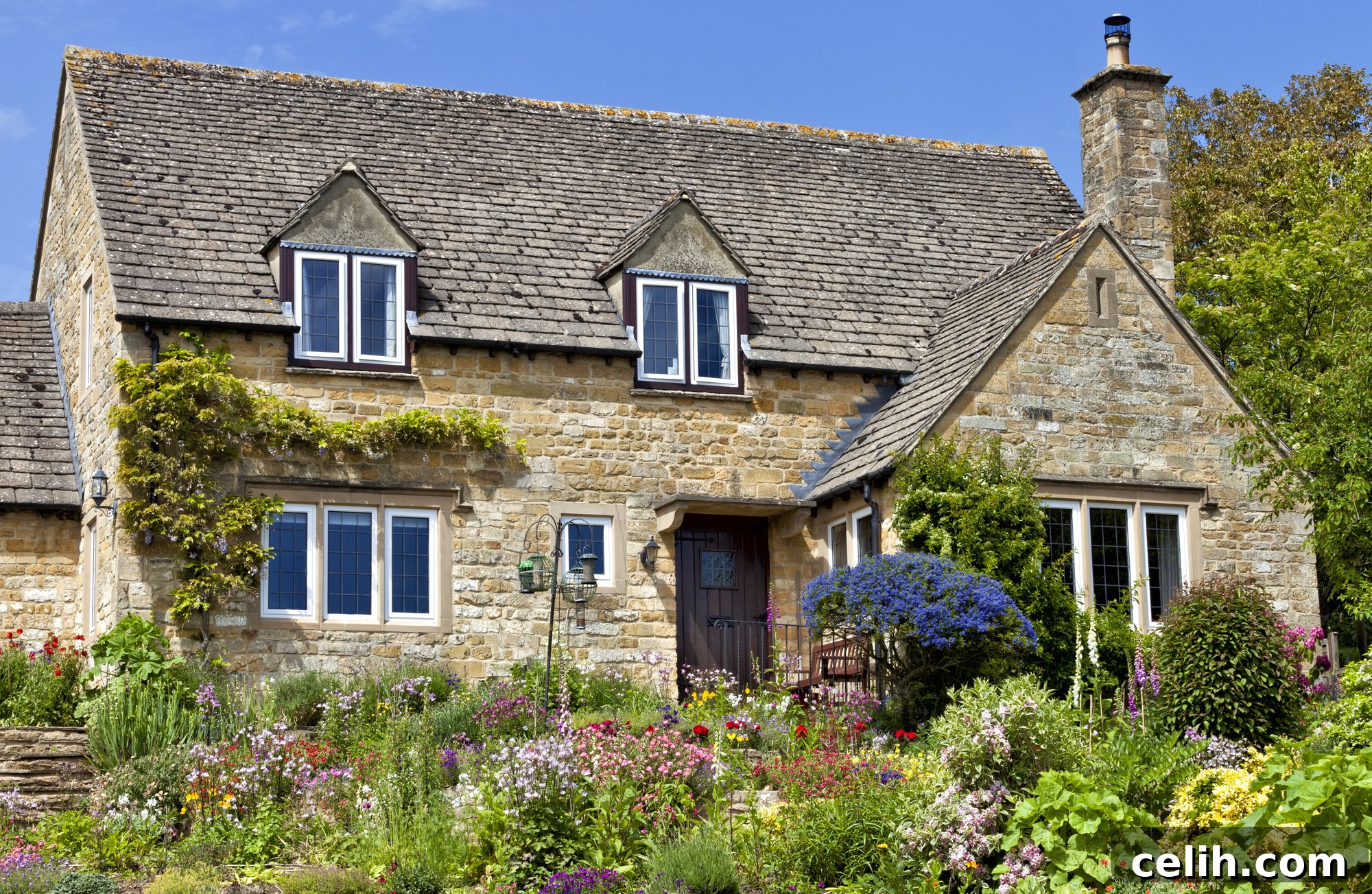
Owning a historic listed building is a unique privilege, offering a profound connection to the past. From the intricate beauty of period features and the rich patina of ancient materials to the enduring presence of master craftsmanship, these properties offer rewards far beyond mere accommodation. Yet, it’s undeniable that embarking on the journey of renovating and updating a listed building is a profound labor of love, presenting distinct challenges that differ significantly from those encountered with a modern home. The aspiration is often to seamlessly integrate contemporary living comforts without diminishing the inherent charm, character, and historical integrity of the property. But with so many considerations, where do you begin? This comprehensive guide provides expert tips and insights on how to achieve that delicate balance, ensuring your historic home flourishes in the modern era while preserving its irreplaceable heritage.
Navigating the Regulations: How Much Can I Update a Listed Building?
The scope of permissible alterations to listed buildings is intricately tied to their grade and the specific nature of their listing. It’s a nuanced system designed to protect architectural and historical significance. As a fundamental principle, the higher a building’s listed status, the more stringent the regulations governing any proposed alterations or extensions. Understanding these distinctions is the crucial first step in any renovation project.
Grade I Listed Buildings: Of Exceptional Interest
These structures represent the pinnacle of architectural or historical significance, deemed to be of exceptional national interest. Consequently, they are subject to the tightest restrictions. Almost all works, beyond routine minor repairs and essential maintenance, necessitate formal listed building consent. This encompasses a broad spectrum of changes, from subtle internal reconfigurations and structural modifications to more visible external alterations that could impact the building’s character and overall appearance. Modern extensions, for example, are rarely permitted unless they are exceptionally well-conceived, minimal in impact, and demonstrably enhance the building’s setting or provide essential functionality that cannot be achieved otherwise. The focus here is on meticulous preservation and conservation.
Grade II* Listed Buildings: Particularly Important
Designated as particularly important buildings of more than special interest, Grade II* listings offer a slightly broader, though still tightly regulated, spectrum for change compared to their Grade I counterparts. Both external and internal works that could affect their historic character or appearance invariably require consent. While the scope for careful, sympathetic change exists, it is always subject to rigorous approval processes. This grade might allow for sensitive contemporary interventions if they are of exceptional design quality, reversible, and clearly do not detract from the building’s significance. Replacing like-for-like features is often acceptable, but significant reconfigurations demand robust justification.
Grade II Listed Buildings: Special Interest
Comprising the vast majority of listed buildings, Grade II properties are considered of special architectural or historical interest, warranting preservation. This category generally offers the most flexibility for updates, but it’s crucial to understand that significant changes, both internal and external, still require listed building consent. However, routine maintenance and repairs, particularly those that use matching materials and techniques, are typically allowed without consent, provided they don’t involve material alteration to the building’s special character. The key lies in understanding what constitutes “significant” change – this often relates to original features, layout, and materials that contribute to its special interest.
When embarking on any update to a listed property, the paramount priority must always be the retention and protection of the key historic features that define the building’s significance. Any proposed changes or modernisation efforts should be carefully focused on areas of lower heritage value and executed with the utmost sensitivity. Begin by envisioning how your listed home needs to function to comfortably accommodate your modern lifestyle, and then work backward to determine what changes are practical, possible, and permissible within the regulatory framework.
The process of obtaining listed building consent involves extensive consultation with your local planning authority and relevant heritage organisations, such as Historic England in the UK. They offer invaluable pre-application advice, guiding you on how to modify proposals to satisfy regulations while effectively meeting your modern needs. It’s also vital to ensure you have all necessary additional permissions, such as party wall agreements with neighbours, particularly if your updates impact any shared boundary walls. With meticulous planning, expert guidance, and a measure of patience, significant yet profoundly sympathetic updates are not only possible but can enhance the building’s longevity and livability.
Deep Dive: Assessing the Building’s Heritage Value
Before drawing up any plans for updating a listed building, the most critical initial step is to thoroughly understand and assess its unique heritage interest and significance. This comprehensive understanding will serve as the guiding framework for all sympathetic changes and ensure that any intervention is respectful and appropriate.
Begin by immersing yourself in the building’s history: research when it was constructed, by whom, and for what original purpose. Delve into historical records, local archives, and even academic studies to construct a rich narrative of its origins, previous occupants, and any significant alterations it has undergone over time. Old maps, photographs, and property deeds can offer invaluable clues.
Next, meticulously analyse the architectural style and features of the building. Pay close attention to its overall layout, external facade, roofing materials, internal decorative schemes, original joinery, floorboards, fireplaces, and the materials used in its construction. These elements provide crucial indicators not only of the period in which it was built but also the specific aesthetic and material palette you should aim to match or complement to ensure your updates remain in harmony with the home’s original look and feel.
Consult the official listing documentation for specific insights from heritage experts regarding what elements of the building are considered most significant. Conduct a thorough, room-by-room survey of the property to meticulously catalogue all original features, as well as any later additions or signs of deterioration. This detailed inventory allows you to distinguish between primary historic fabric that must be preserved and later, less significant alterations that might be more amenable to careful adaptation. Understanding the nuances between original fabric and subsequent changes is paramount for making informed decisions.
This comprehensive assessment clarifies precisely which elements of the building are vital to preserve, and conversely, where there may be genuine potential for careful adaptation to suit modern lifestyles without compromising the building’s heritage significance. It provides the critical context necessary for developing sensitive, sustainable, and ultimately approvable proposals for change in ongoing consultation with regulatory bodies.
The Power of Expertise: Consulting Specialist Professionals
Undertaking the renovation of a listed building is not a solitary endeavour; it demands the formation of a dedicated team of heritage specialists who can sensitively guide the project from its initial conceptualisation through to its successful completion.
A critical first step is to appoint an accredited heritage consultant. This expert will serve as your primary liaison with regulatory bodies, offering invaluable advice on how to design a scheme that is both sympathetic to the building’s heritage and stands the best chance of approval. Their profound expertise in adapting period buildings while meticulously protecting original materials and features is indispensable. They can navigate the complexities of legislation and help articulate your vision in a way that resonates with conservation principles.
Depending on the age, scale, and specific challenges of your property, you will also want to engage architects with demonstrable experience in heritage conservation. These specialists are adept at crafting sympathetic designs that gracefully retain the historic character of the building while seamlessly upgrading amenities to meet contemporary standards. They possess a deep understanding of what alterations are genuinely possible and appropriate within the legislative framework, ensuring your updates are fully compliant and respectful.
Beyond these core professionals, consider engaging other specialists as needed: a structural engineer with experience in historic structures to assess the building’s integrity, a building surveyor to provide detailed condition reports, and specialist craftspeople for specific tasks such as leadwork, lime plastering, stonemasonry, or intricate joinery. These knowledgeable experts are pivotal in guiding the transformation of listed buildings in a manner that profoundly respects and retains their heritage, a factor that is not only crucial for obtaining necessary approvals but also for the long-term preservation and posterity of the property. Their collaborative insights ensure a holistic approach to conservation and modernisation.
Precision and Patience: Executing Works with Utmost Care
Once all necessary heritage approvals have been meticulously secured, the physical renovation of your listed building can commence. However, the execution of these works demands an extraordinary level of care, precision, and diligence to prevent any inadvertent damage to the irreplaceable original fabric of the building.
It is paramount to appoint construction managers who possess extensive experience in heritage projects. They will be responsible for meticulously planning and overseeing the entire programme of works, ensuring that the principle of minimal intervention and reversible changes is strictly adhered to. Furthermore, you must engage reputable builders and contractors who are not only skilled but deeply knowledgeable in traditional building techniques and materials. Crucially, they must demonstrate a clear understanding of the specific requirements to preserve and protect all period details throughout the renovation process. Always check their portfolio for previous heritage projects and obtain multiple references.
Before any significant work begins, agree upon robust protection measures for all vulnerable historic features that will remain in situ. This might involve meticulously covering ornate plasterwork with protective sheeting, carefully removing delicate fireplaces or original fittings for safe storage offsite, or implementing temporary structural supports where necessary. Allowing ample time in your project schedule for specialist tradespeople to carry out any dismantling, repair, and painstaking reinstatement of original fabric with the utmost care is non-negotiable. Rushing can lead to irreversible damage, so a generous timeline is an investment in the building’s integrity.
While the temptation to undertake DIY improvements in a listed building might be strong, it carries significant risks. Without proper training in traditional techniques and an understanding of historic materials, you risk causing irreparable damage to the heritage fabric. Never assume that methods suitable for modern buildings will be appropriate or safe for working with older structures. Traditional builds often utilised different construction processes, materials like lime mortar, and inherent breathability that must be thoroughly understood and respected before any renovation work commences.
The guiding principle should always be to repair rather than replace period features wherever possible. Simple, regular maintenance, executed correctly, can significantly extend their lifespan. However, it is essential that you fully understand and apply the proper, conservation-approved techniques for this type of care before you begin. Incorrect interventions, even with good intentions, can often cause more harm than good, impacting both the building’s authenticity and its structural health.
A Legacy of Care: Preserving History for Future Generations
Bringing historic listed buildings gracefully into the modern era is undoubtedly a complex undertaking that demands patience, profound care, and a clear vision. Yet, when executed correctly, the rewards are immeasurable, extending far beyond the immediate satisfaction of a beautifully renovated home.
Through diligent planning, an unwavering respect for the building’s heritage, and the invaluable guidance of specialist experts, listed buildings can be thoughtfully adapted to suit contemporary life needs. This process allows them to continue serving as comfortable, functional homes while simultaneously ensuring their unique special interest is protected and cherished for generations to come. The more care, thought, and authentic materials invested in the renovation, the greater the reward in preserving the architectural legacy of the past while simultaneously enabling vibrant, modern living within its historic embrace. Such stewardship not only enhances your personal living experience but also contributes significantly to the broader cultural landscape, ensuring these magnificent structures continue to inspire and educate for centuries.