
Kitchens in 2025 are evolving beyond their traditional role as mere cooking spaces. They are now unequivocally the beating heart of the modern home, seamlessly blending cutting-edge technology, unparalleled functionality, sophisticated style, and a deep commitment to environmental sustainability. This shift reflects a broader consumer desire for living spaces that are not only beautiful but also smart, efficient, and mindful of their ecological footprint.
Whether you’re embarking on a full-scale kitchen renovation or simply seeking to inject fresh life into your existing space, this comprehensive guide delves into the most influential kitchen design trends shaping 2025. Here, you’ll discover a wealth of practical and inspiring ideas designed to transform your kitchen into a more efficient, aesthetically stunning, and environmentally responsible hub, perfectly tailored to the demands of contemporary living.
Smart Kitchens: The Epitome of Modern Convenience and Efficiency
The kitchen of 2025 is a testament to how technology has seamlessly integrated into daily life, transforming mundane tasks into effortless experiences. What once seemed like science fiction is now an everyday reality, with smart appliances and innovative tools meticulously designed to simplify cooking, streamline cleaning, enhance organization, and significantly boost energy efficiency. This trend is rapidly accelerating, with projections indicating that nearly 60% of U.S. consumers are expected to adopt smart home technology by 2025, with the kitchen playing a pivotal role in this widespread adoption.
At the forefront of this technological revolution is voice-activated control. Smart assistants such as Amazon Alexa and Google Home have become indispensable kitchen companions. Imagine effortlessly adjusting lighting, fine-tuning thermostat settings, or preheating your oven with a simple voice command – a truly invaluable feature when your hands are busy with meal prep or cleaning. These systems integrate seamlessly with smart ovens that can suggest recipes, smart refrigerators that track inventory and suggest grocery lists, and even smart coffee makers that brew your morning coffee on schedule.
Beyond voice command, touchless technology is rapidly gaining traction, enhancing both convenience and hygiene. Motion-sensor faucets activate with a wave of a hand, automatic soap dispensers minimize germ spread, and hands-free cabinet doors offer unparalleled ease of access. Furthermore, smart kitchen devices extend to induction cooktops with precise temperature control, automated waste sorting bins, and smart security cameras providing peace of mind. These intelligent solutions not only make kitchen operations smoother but also contribute to a healthier, more organized, and energy-conscious home environment. The focus is on creating an intuitive ecosystem where appliances anticipate your needs, making every culinary endeavor a pleasure rather than a chore.
Sustainability Takes Centre Stage: Eco-Conscious Kitchens for the Future
In 2025, the imperative for sustainable living is deeply influencing kitchen design, leading homeowners to create spaces that are not only aesthetically pleasing but also energy-efficient, long-lasting, and profoundly beneficial for the environment. This commitment begins with material selection, where recycled and upcycled options are becoming increasingly popular. Countertops crafted from recycled glass, composite materials, or even recycled plastic offer unique visual appeal with distinct colors and textures, all while diverting waste from landfills. Reclaimed wood cabinetry, sourced from old barns or industrial buildings, infuses kitchens with unparalleled warmth, character, and a compelling narrative, simultaneously reducing the demand for new timber and promoting responsible forestry.
Energy-efficient appliances are no longer a luxury but a fundamental expectation. Modern refrigerators, dishwashers, and ovens are engineered to consume significantly less power and water, delivering exceptional performance without compromising on environmental responsibility. Induction cooktops, in particular, are experiencing a surge in popularity due to their rapid heating capabilities, precise temperature control, and superior energy efficiency compared to traditional gas or electric stoves. These innovations contribute to lower utility bills and a reduced carbon footprint, aligning with global efforts towards a greener future.
Water conservation is another critical aspect of sustainable kitchen design. Low-flow faucets and high-efficiency dishwashers are standard features, drastically cutting water consumption during daily tasks. Beyond these common solutions, advanced greywater systems are emerging, allowing water from sinks and appliances to be filtered and reused for non-potable purposes like garden irrigation, further minimizing water waste. Additionally, smart waste management systems, including built-in composting units and multi-compartment recycling bins, encourage mindful disposal and contribute to a cleaner, more sustainable household. The holistic approach to sustainability in the kitchen encompasses every design choice, from the raw materials to the operational efficiency of each appliance.
Minimalism with a Bold Twist: Injecting Personality into Clean Design
While the timeless appeal of minimalist kitchens continues to dominate in 2025, this classic aesthetic is undergoing an exciting evolution, embracing a bolder, more expressive character. The foundational principles of clean lines, uncluttered open spaces, and serene neutral color palettes remain paramount. However, contemporary minimalist designs are now enriched by the strategic integration of striking accents and unique materials, which collectively add profound personality, unexpected depth, and a touch of drama to the otherwise understated environment.
Matte black finishes are a prime example of this daring shift, making a powerful statement across various kitchen elements. From sleek cabinetry and architectural fixtures to sophisticated lighting, matte black introduces a contemporary edge and a refined industrial feel. When thoughtfully paired with contrasting light countertops, such as pristine white quartz or pale concrete, or warmed by metallic accents like brushed brass and polished gold, these finishes create a sophisticated visual balance that elevates the space without overwhelming it, ensuring a look that is both modern and inviting.
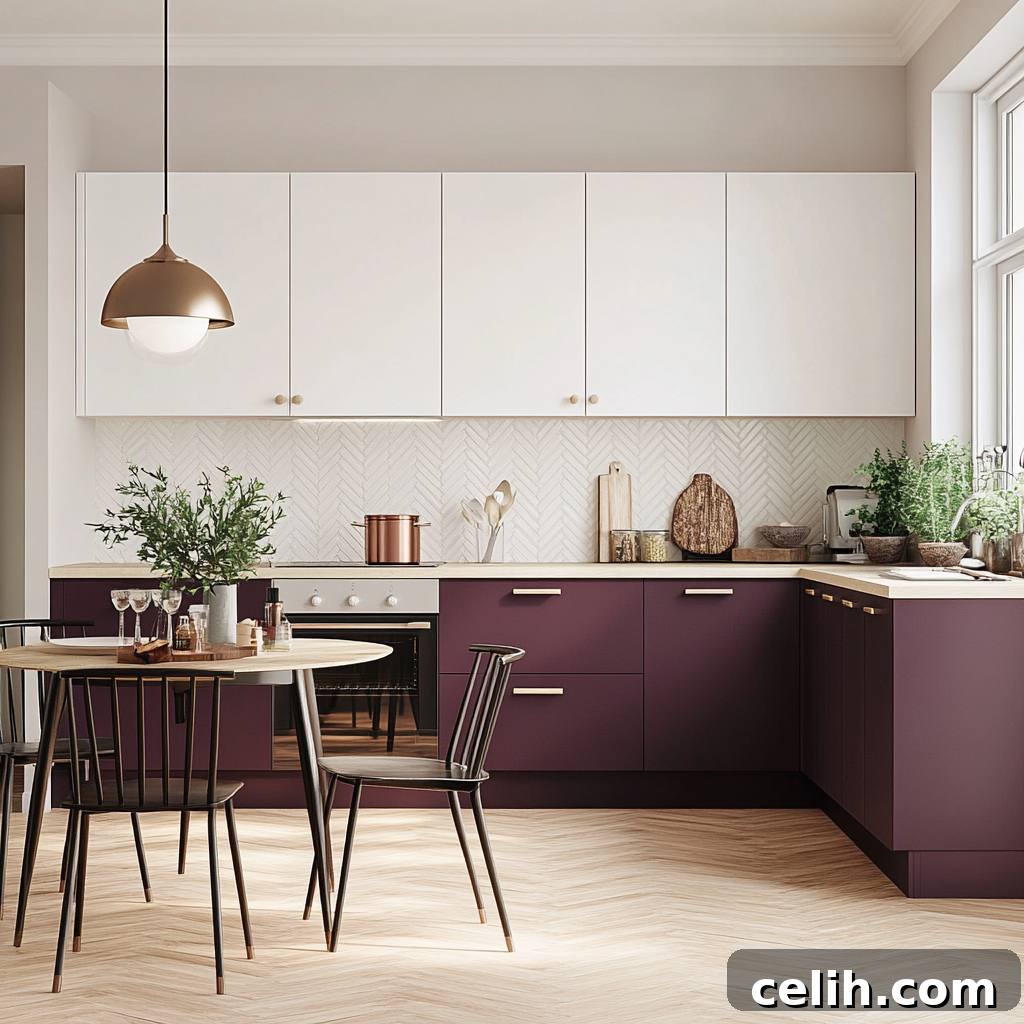
Two-tone cabinetry is another defining characteristic of this refreshed minimalism, offering a dynamic way to introduce color and texture. The trend favors a compelling contrast, often featuring rich, dark lower cabinets in shades like deep navy, forest green, or charcoal gray, juxtaposed with crisp, light upper cabinets in pure white or soft off-white tones. This creates a visually balanced and stylish composition that draws the eye and adds architectural interest. Furthermore, incorporating natural wood elements, whether through open shelving, an accent island, or even a feature wall, alongside painted finishes, introduces organic warmth and tactile texture, preventing the space from feeling stark. This bold take on minimalism celebrates carefully chosen details and thoughtful material combinations, resulting in kitchens that are both serene and strikingly unique.
Multifunctional Kitchen Islands: The Dynamic Core of the Home
The kitchen island has evolved dramatically, transcending its former role as a simple workspace to become the ultimate central hub for a myriad of activities: cooking, dining, working, entertaining, and socializing. Its unparalleled versatility makes it an indispensable and highly sought-after feature in contemporary kitchen design, reflecting the dynamic needs of modern households.
A key aspect of this trend is the seamless integration of appliances and technology. Islands are now meticulously designed to house built-in sinks, discreet dishwashers, specialized wine coolers, or even compact ovens, creating a highly efficient and ergonomic workflow. Beyond culinary functions, many islands incorporate hidden charging stations for mobile devices, integrated smart home hubs that allow for effortless control of lighting, music, and other appliances, and even pop-up power outlets, ensuring connectivity is always within reach. This thoughtful integration transforms the island into a powerhouse of convenience and connectivity.
Aesthetically, kitchen islands are receiving a fresh and inventive makeover through the artful combination of mixed materials. Designers are experimenting with luxurious natural stone, warm solid wood, and sleek metal accents to add rich texture, visual interest, and a distinct sense of style. Waterfall countertops, where the island surface elegantly cascades down one or both sides, remain exceptionally popular. This design choice creates a striking, uninterrupted visual flow that imparts a feeling of sleek modernity and understated luxury, often becoming the focal point of the entire kitchen.
Seating arrangements around islands are also undergoing significant innovation. Contemporary designs feature multi-level surfaces, with a higher counter for meal preparation and a lower, more comfortable height for dining. Integrated dining spaces, complete with built-in banquettes or bespoke seating solutions, allow for a seamless transition from casual family breakfasts to more formal dinner parties. This enhanced flexibility ensures the island truly adapts to the diverse needs of its occupants throughout the day, solidifying its position as the adaptive, beating heart of the home and a true reflection of versatile living.
Personalized Design: Crafting Kitchens with Unique Character
The era of mass-produced, “cookie-cutter” kitchens is steadily fading as homeowners increasingly gravitate towards creating spaces that are deeply reflective of their individual tastes, lifestyles, and personalities. In 2025, kitchens are no longer viewed solely as functional rooms; they are becoming powerful canvases for self-expression, meticulously filled with custom details, unique touches, and curated collections that tell a personal story. This emphasis on bespoke design is transforming kitchens into truly one-of-a-kind sanctuaries.
Custom cabinetry lies at the core of this growing kitchen remodeling trend. Tailor-made storage solutions are designed not just to maximize every inch of space but also to enhance daily convenience and add a profound sense of luxury and thoughtful design. This includes ingeniously designed pull-out spice racks, cleverly concealed pantries that maintain a sleek aesthetic, built-in wine storage, and custom drawer organizers for specific utensils or bakeware. These bespoke elements ensure everything has its place, contributing to an organized and highly efficient kitchen while exuding an air of bespoke craftsmanship.
Color is also playing a significant role in making bold, personal statements. While classic neutrals like crisp whites and sophisticated grays maintain their popularity for their timeless appeal, there’s a distinct movement towards incorporating richer, more saturated hues. Bold shades such as opulent emerald green, luxurious deep plum, earthy terracotta, or even calming sage green are being embraced to infuse warmth, personality, and distinctive character into the space. These vibrant colors are often artfully balanced with natural wood tones, robust stone elements, and delicate metallic accents to create a cohesive, cozy, and profoundly inviting atmosphere that feels both modern and deeply personal. The result is a kitchen that feels curated, lived-in, and utterly unique to its inhabitants.
Warm, Natural Materials: Embracing Authenticity and Comfort
A profound appreciation for warm, tactile, and natural materials is defining kitchen design in 2025, bringing an essential sense of comfort, authenticity, and grounded elegance to the modern home. Materials such as solid wood, natural stone, and artisanal terracotta are celebrated for their inherent beauty, rich textures, and the inviting, lived-in quality they impart. These organic elements create a harmonious balance, effectively softening the sleek lines and sometimes sterile feel of contemporary, high-tech designs, resulting in spaces that feel both sophisticated and genuinely welcoming.
Natural stone countertops, particularly those with intricate and visible veining—like marble, granite, or quartzite—add an undeniable touch of luxury and timelessness. Each slab is unique, turning the countertop into a distinctive work of art and a standout feature in the space. Beyond their aesthetic appeal, these materials offer durability and a connection to the earth. Wood accents are vital in grounding the overall design, whether showcased in bespoke cabinetry crafted from sustainable or reclaimed timber, integrated into flooring, or featured as exposed ceiling beams. The organic warmth of wood creates an inviting atmosphere, fostering a sense of calm and connection to nature. Various wood species, from light oak to rich walnut, offer a spectrum of tones and grains, allowing for diverse design expressions.
Terracotta tiles, with their characteristic earthy tones, rustic charm, and often handcrafted irregularities, are experiencing a significant resurgence. They add a touch of Mediterranean warmth and artisanal character, not only to floors but also as captivating backsplashes or even accent walls. Similarly, handcrafted ceramic tiles, with their subtle variations in glaze and texture, introduce an organic, artisanal feel, moving away from perfectly uniform surfaces. These natural materials contribute to a kitchen that feels not just designed, but thoughtfully curated and deeply connected to its surroundings, offering enduring style and comfort.
Hidden Storage Solutions: The Art of Seamless Organization
With the prevailing trend of open-concept living continuing to shape modern homes, there’s an increasing demand among homeowners for ingenious ways to maintain a clean, uncluttered kitchen without compromising on essential functionality. Hidden storage solutions have emerged as a cornerstone of contemporary kitchen design, offering sophisticated and clever methods to maximize space, enhance organization, and uphold a sleek, streamlined aesthetic that defines a truly modern living environment.
The scope of hidden storage extends far beyond traditional cupboards. Innovations include full-height pull-out pantries that glide effortlessly, revealing a wealth of neatly organized staples and ingredients, making inventory management a breeze. Under-counter drawers are becoming highly specialized, featuring custom inserts for cutlery, spices, or even small appliances, ensuring everything has its designated spot and is easily accessible. Integrated and concealed appliances, such as dishwashers hidden behind cabinet panels or built-in refrigerators that blend seamlessly with the surrounding millwork, create a smooth, uninterrupted visual flow that contributes to a serene and uncluttered look.
Appliance garages are also gaining considerable popularity, providing a dedicated, discreet space where small appliances like blenders, toasters, and coffee makers can be tucked away when not in use. This keeps countertops clear and surfaces pristine, fostering a sense of order and calm. Beyond these, smart corner solutions, vertical pull-down shelving systems, and even toe-kick drawers are revolutionizing how every available inch of kitchen space is utilized. These intelligent storage solutions are not merely about hiding items; they are about creating an intuitively organized and highly efficient kitchen environment that supports a minimalist aesthetic while ensuring every tool and ingredient is readily available yet beautifully out of sight, promoting a harmonious and functional living space.
Create a Kitchen That Works for You: Designing Your Dream Space
The kitchen design trends poised to define 2025 signify a pivotal shift towards creating spaces that are as sustainable and smart as they are undeniably beautiful. From the integration of cutting-edge smart technology and the embrace of eco-friendly materials to the confident expression of bold design choices, today’s kitchens are evolving into truly multifunctional hubs that profoundly enhance daily life, catering to every need from culinary pursuits to social gatherings. For those in the UK looking to bring these visions to life, professional services from experts like kitchen designers in Birmingham, can help turn your dream kitchen into a stunning reality.
Whether your vision is captivated by the seamless convenience of a fully integrated smart kitchen, the comforting allure of warm, natural materials, the striking simplicity of minimalist design with a personalized twist, or the boundless functionality of a dynamic kitchen island, the possibilities for your next kitchen remodel are truly limitless. These trends empower you to design a kitchen that not only reflects your unique personal style but also supports your lifestyle and values, ensuring it remains a cherished and functional centerpiece of your home for years to come.