
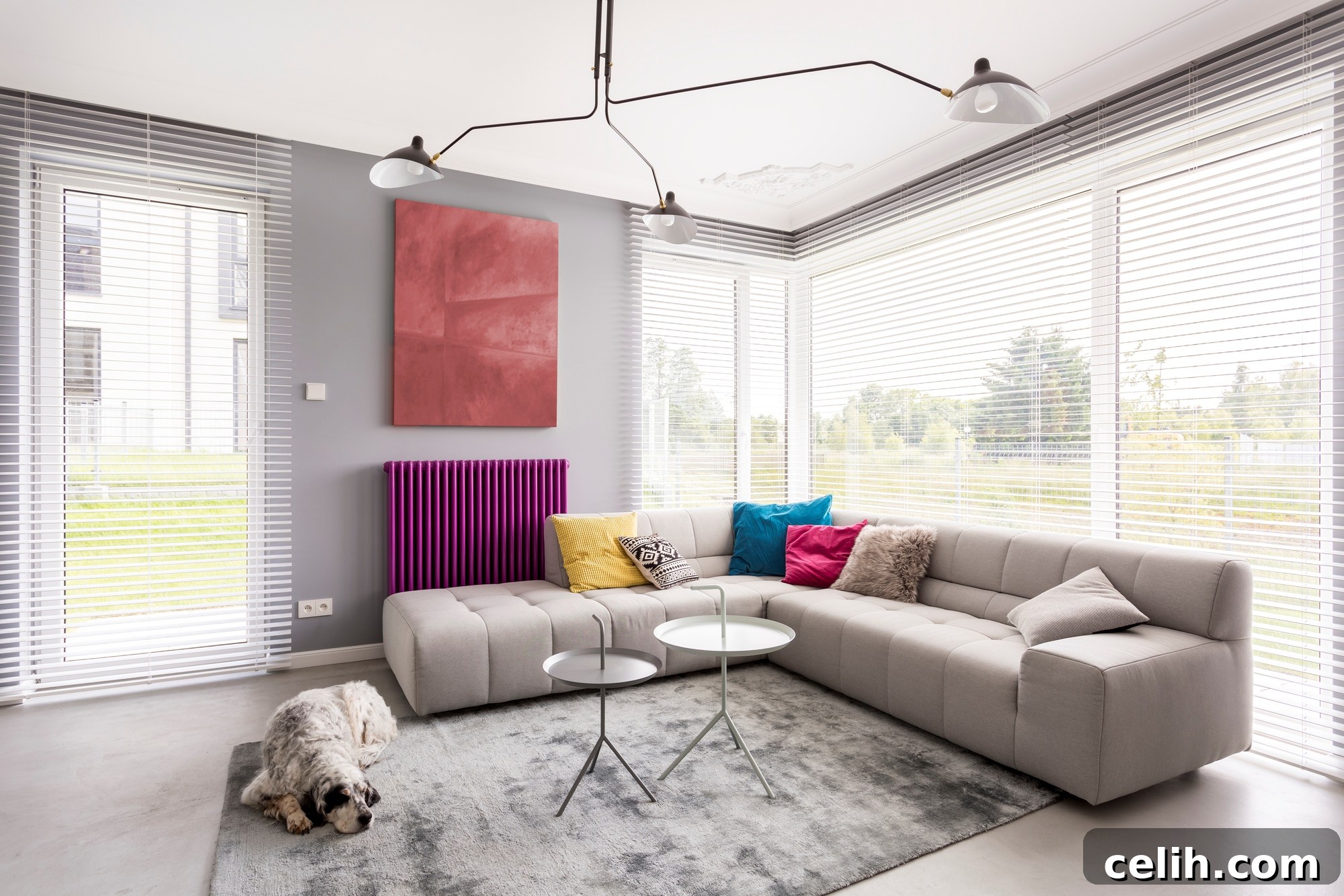
Radiators are far more than mere utilitarian objects; they are fundamental components that significantly influence the comfort, warmth, and aesthetic appeal of your home, especially during the colder months. The process of selecting the right radiator is a pivotal decision, impacting not only your energy consumption and heating bills but also the overall ambiance and design harmony of your living spaces. An informed choice ensures that your home is both functionally efficient and visually pleasing.
With an ever-expanding array of radiator styles, sizes, materials, and advanced types available in today’s market, navigating the options can initially seem overwhelming. This comprehensive guide is designed to demystify the selection process, providing you with essential insights into the critical factors to consider, an in-depth exploration of diverse radiator types, and a clear understanding of their unique benefits. Our goal is to empower you to make well-informed decisions, enabling you to discover the perfect heating solution for every unique room in your household.
Key Factors to Consider When Choosing the Ideal Radiator for Your Home
Before making a significant investment in new radiators, it is imperative to meticulously evaluate several key aspects. This thoughtful assessment will ensure that you select units perfectly tailored to your specific heating requirements, aesthetic preferences, and lifestyle. A strategic approach guarantees optimal performance, maximum energy efficiency, and seamless integration with your home’s existing or planned interior design scheme.
1. Radiator Type: Aligning Functionality with Aesthetic Preferences
The choice of radiator type forms the fundamental pillar of your home’s heating strategy and its visual appeal. Different designs are meticulously engineered to cater to distinct heating demands and to complement specific interior aesthetics.
- Panel Radiators: These are arguably the most ubiquitous and adaptable radiator type, celebrated for their sleek, contemporary appearance and highly efficient heat output. They are an excellent fit for modern homes and are available in single or double panel configurations, offering flexibility based on the required heat output for any given space.
- Column Radiators: Exuding an air of classic elegance and timeless design, column radiators feature multiple vertical or horizontal sections. While traditionally associated with period properties, their enduring style and remarkable heat retention capabilities make them a sophisticated and striking feature in even the most contemporary of homes.
- Designer Radiators: For individuals who view their heating solutions as an integral extension of their interior design narrative, designer radiators offer a world of imaginative shapes, vibrant colours, and unique finishes. They transcend mere functionality, transforming into captivating focal points or true works of art within a room.
- Heated Towel Rails: Primarily conceived for bathrooms and wet rooms, these innovative radiators serve a dual purpose: efficiently warming the space and ensuring your towels are always dry and luxuriously warm. Available in a myriad of styles, from classic ladder designs to minimalist flat panels, they introduce a touch of luxury and practical convenience.
- Electric Radiators: These self-contained units provide unparalleled flexibility, as they operate entirely independently of a central plumbing system. Their ease of installation and often advanced control features make them an ideal choice for extensions, conservatories, or as a supplementary heating source in specific zones of your home.
2. Radiator Size and Heat Output: The Crucial BTU Calculation
Ensuring your radiator generates sufficient heat for its designated area is paramount for effective and efficient heating. This capacity is precisely measured in British Thermal Units (BTUs). A radiator that is undersized for a room will perpetually struggle to reach and maintain the desired temperature, leading to wasted energy and discomfort. Conversely, an oversized radiator will cycle on and off inefficiently, potentially overheating the room and consuming more energy than necessary.
To accurately determine the precise BTU output your room demands, a careful consideration of several key factors is essential:
- Room Dimensions: The exact length, width, and height of the room are foundational measurements. Larger volumes of air naturally require a greater heat output.
- Window Size and Type: Windows are significant pathways for heat loss. While double glazing offers superior insulation compared to single glazing, larger window areas invariably result in increased heat dissipation.
- Insulation Quality: The effectiveness of insulation in your walls, floors, and ceiling plays a pivotal role. Well-insulated rooms are significantly more adept at retaining heat, thereby reducing the required BTU output.
- Number of External Walls: Rooms exposed to more external walls will experience faster heat loss and consequently necessitate a higher BTU rating to maintain comfort.
- Room Orientation: North-facing rooms typically receive less direct sunlight and therefore often require more heat compared to south-facing counterparts.
- Desired Room Temperature: Different rooms have varying temperature needs; for instance, a bathroom typically requires a higher ambient temperature than a bedroom, which influences the BTU calculation.
- Floor Type: The type of flooring can also influence heat retention, with some materials offering better insulating properties.
While this calculation may appear complex, numerous reliable online BTU calculators are readily available to assist you. By simply inputting your room’s specific details, these tools will furnish you with a recommended BTU figure, serving as an invaluable guide for your radiator selection.
3. Radiator Material: Understanding Performance Beyond Appearance
The material from which a radiator is constructed profoundly influences its operational characteristics, including the speed at which it heats up, its capacity to retain warmth, and its overall lifespan and durability.
- Mild Steel: This is the most prevalent and economically viable material for radiators. Mild steel units heat up relatively quickly and are available in a vast array of designs, making them a versatile choice for the majority of domestic environments. They strike an excellent balance between performance and affordability.
- Cast Iron: Highly esteemed for its exceptional heat retention capabilities, cast iron is a superb choice for traditional homes and those seeking a classic, robust aesthetic. Although slower to reach optimal temperature, cast iron radiators emit a gentle, consistent warmth for an extended period, even after the central heating system has been deactivated. This property contributes significantly to maintaining a stable and comfortable room temperature.
- Aluminium: Renowned for being remarkably lightweight and possessing outstanding thermal conductivity, aluminium radiators heat up with impressive speed. This rapid responsiveness makes them highly energy-efficient, as they can quickly adjust to temperature fluctuations and contribute to reduced heating costs. They are frequently favoured in modern, high-efficiency heating systems due to their dynamic performance.
- Stainless Steel: Offering superior resistance to corrosion and a sleek, contemporary finish, stainless steel radiators are exceptionally durable. They are particularly well-suited for modern spaces, especially bathrooms, where elevated humidity levels demand robust, rust-resistant materials.
4. Radiator Shape and Optimal Placement
Radiators are manufactured in various shapes, primarily horizontal and vertical configurations, each offering distinct advantages concerning both aesthetic integration and spatial efficiency. The chosen shape, coupled with its strategic placement, can significantly impact both the visual harmony and heating efficacy of your system.
- Horizontal Radiators: These represent the traditional and most common choice, typically installed beneath windows or along longer sections of wall. They integrate seamlessly into conventional room layouts and are highly effective at counteracting cold draughts originating from windows, forming a thermal barrier.
- Vertical Radiators: Enjoying burgeoning popularity, vertical radiators are an excellent solution for narrow wall sections where horizontal units would be impractical, such as between doors, in tight alcoves, or in compact hallways. They draw the eye upward, serving as a striking design feature and imparting a decidedly modern aesthetic. Their ability to free up valuable horizontal wall space for furniture placement makes them exceptionally practical for contemporary living environments.
- Bespoke Designs: For unique architectural challenges or highly specific design visions, bespoke radiators can be custom-crafted into diverse forms, including sculptural pieces, integrated furniture elements, or even art installations.
Careful consideration of placement is paramount. Traditionally, placing a radiator under a window helps to combat cold air infiltration directly. However, in modern, exceptionally well-insulated homes, there is greater flexibility, allowing radiators to be positioned on any suitable wall without compromising efficiency.
5. Style and Seamless Aesthetic Integration
The era when radiators were purely functional elements destined to be concealed is long past. Today, they are recognised as integral components of interior design, available in an extensive spectrum of colours, sophisticated finishes, and distinctive styles. Irrespective of whether your home showcases a minimalist, industrial, traditional, or eclectic aesthetic, there exists a radiator perfectly crafted to complement it.
- Classic White Radiators: Always a timeless, clean, and safe choice, white radiators effortlessly blend into almost any decor, providing a discreet and unobtrusive heating solution.
- Bold Colours: For those who aspire to make a definitive design statement, radiators rendered in vibrant hues can serve as a captivating pop of colour or a deliberate focal point, either complementing or artfully contrasting with your existing interior design scheme.
- Metallic Finishes: Finishes such as raw metal, polished chrome, sophisticated anthracite, or brushed brass can infuse an industrial edge or a touch of refined sophistication, perfectly aligning with contemporary and modern design narratives.
- Textured Designs: Certain designer radiators feature innovative textured surfaces or unique patterns, adding an additional layer of visual and tactile interest to your space.
It is crucial to consider how the radiator’s chosen style will harmonise with your furniture, wall colours, and the overarching decor. It can be a subtle, blending background element or a powerful, intentional design statement.
6. Room-Type Specific Heating Needs
Each room within your home possesses distinct heating requirements and environmental characteristics, necessitating a highly tailored approach to radiator selection for optimal comfort and efficiency.
- Living Rooms and Dining Rooms: These are typically larger, communal spaces where consistent comfort and ample warmth are paramount. Consequently, larger radiators or multiple units may be required to achieve the desired BTU output. Aesthetic considerations are often significant here, as radiators are frequently prominent.
- Bedrooms: For restful sleep, quiet operation and precise temperature control are key. Panel radiators equipped with thermostatic valves are frequently an ideal choice, offering quiet, controllable warmth.
- Bathrooms: High humidity levels demand materials that are highly resistant to corrosion, such as stainless steel or chrome-plated radiators. Heated towel rails are an immensely popular and practical choice, offering both room heating, towel drying, and excellent space efficiency.
- Kitchens: Often warmer due to the heat generated by cooking appliances, kitchens may require smaller or more compact radiators. Vertical radiators can be exceptionally efficient space-savers in these bustling areas.
- Hallways and Landings: These areas frequently act as transitional thoroughfares and require ambient heating to prevent cold spots from permeating throughout the house, ensuring a consistent internal temperature.
7. Energy Efficiency and Smart Controls
Modern radiators, when strategically paired with intelligent control systems, offer vastly superior energy efficiency. Features such as Thermostatic Radiator Valves (TRVs) empower you to precisely control the temperature of individual radiators, thereby preventing overheating in specific rooms and significantly reducing energy waste. Advanced smart heating systems elevate this capability further, providing programmable schedules, remote control via smartphone applications, and sophisticated zone heating, allowing different areas of your home to be heated independently and only when necessary. Investing in these sophisticated controls can lead to substantial savings on your heating bills and significantly enhance your overall home comfort.
Exploring Diverse Types of Radiators in Detail for Informed Choices
A deeper understanding of the specific characteristics, operational mechanics, and unique benefits associated with each radiator type will further empower you in your decision-making process, ensuring a selection that perfectly aligns with your home’s needs.
1. Panel Radiators: The Modern Home’s Efficient Workhorse
Panel radiators are the most widely adopted radiator type globally, highly valued for their straightforward design, inherent efficiency, and remarkable adaptability across various settings. They typically feature a clean, flat, or subtly profiled front panel and are available in several configurations to suit different heating demands:
- Single Panel: Comprising a single layer of steel, these radiators heat up very quickly and are ideally suited for smaller rooms, well-insulated spaces, or areas where wall space is at a premium.
- Double Panel: Featuring two layers of panels, these configurations offer a significantly higher heat output, making them perfect for larger rooms or areas with greater potential heat loss, such as conservatories.
- Single Convector / Double Convector: Convector fins, strategically placed between the panels, are designed to increase the surface area and, consequently, boost the heat output substantially, often without drastically increasing the radiator’s physical footprint.
Benefits: Possess a modern, sleek, and often minimalist design; provide highly efficient heating due to their rapid heat-up times; exceptionally versatile and cost-effective; available in an extensive range of sizes and heat outputs to cater to virtually any room requirement.
2. Column Radiators: Timeless Elegance and Robust, Enduring Heat
Characterised by their distinctive arrangement of vertical or horizontal columns, these radiators exude a timeless appeal that renders them equally suitable for stately period properties and sleek contemporary interiors. Predominantly crafted from high-quality steel or durable cast iron, column radiators are celebrated for their robust construction and impressive heat retention capabilities.
While they may exhibit a slightly slower heat-up time compared to lightweight aluminium models, their strength lies in their ability to continue emitting a comforting, radiant warmth long after your central heating system has cycled off. This sustained heat output contributes to a more consistent room temperature, reducing temperature fluctuations and potentially leading to a reduction in overall energy consumption. They are available in popular finishes such as raw metal for an authentic industrial aesthetic, classic white for understated sophistication, and vibrant bold colours to create an impactful design statement. Reputable retailers, such as Column Radiators 4u, offer a vast selection of styles and sizes to explore.
Benefits: Impart a classic, elegant, and sophisticated aesthetic; provide high heat output coupled with excellent heat retention; remarkably versatile, seamlessly complementing both traditional and ultra-modern homes; renowned for their durability and longevity; available in a broad spectrum of finishes and sizes to match diverse design schemes.
3. Designer Radiators: Where Form Meets Function as Architectural Art
For homeowners who aspire to elevate their heating solutions into bona fide design statements, designer radiators represent the pinnacle of choice. These innovative radiators consciously break away from conventional forms, offering imaginative shapes, rich textures, and bespoke colours that transform them into captivating focal points within a room. Their variety is immense, ranging from ultra-sleek, minimalist panels that subtly blend into the wall, to sculptural masterpieces that command attention and stand as works of art.
Many designer radiators also offer customisation options, allowing them to be perfectly tailored to unique room dimensions or specific aesthetic preferences, making them ideal for challenging architectural spaces or for those desiring a truly bespoke interior. They are available in an array of premium materials, including steel, aluminium, and even glass, frequently incorporating cutting-edge heating technologies for optimal performance.
Benefits: Offer highly customisable and unique designs; serve as striking aesthetic additions and artistic focal points in any room; available in an unparalleled range of shapes, sizes, and colours; expertly combine essential heating functionality with compelling artistic expression; perfectly suited for modern, high-end, and custom-designed interiors.
4. Heated Towel Rails: The Indispensable Bathroom Luxury
Specifically engineered for the unique environment of bathrooms and shower rooms, heated towel rails are an eminently practical and undeniably luxurious addition to any washroom. They perform a dual function: efficiently warming the room to a comfortable temperature while simultaneously ensuring your towels are always dry, fluffy, and delightfully warm, effectively preventing dampness and the proliferation of mildew. Their sleek, space-saving designs are particularly advantageous for bathrooms, where wall space is frequently at a premium.
Available in both central heating and electric versions, heated towel rails come in a wide variety of styles, including classic ladder designs, elegant curved forms, or contemporary flat panel configurations. They are also offered in a diverse range of finishes such as gleaming chrome, crisp white, or sophisticated anthracite, allowing them to harmonise effortlessly with any bathroom decor.
Benefits: Keeps towels consistently warm and dry, significantly enhancing bathroom comfort; instantly adds a touch of luxury and refined sophistication; provides an efficient, space-saving heating design; effectively helps to reduce humidity levels in bathrooms; available with various power sources and design options to suit all needs.
5. Electric Radiators: Unparalleled Versatility and Independent Heating Solutions
Electric radiators provide unparalleled flexibility, operating entirely independently of a central heating system. This makes them an exceptional choice for rooms where extending traditional plumbing is either impractical or cost-prohibitive, or for properties that lack a gas connection. Installation is remarkably straightforward, typically requiring nothing more than access to a standard power outlet.
Contemporary electric radiators are designed with high energy efficiency in mind, often incorporating sophisticated controls such as fully programmable thermostats, intuitive timers, and smart features like open-window detection. These advanced functionalities enable precise temperature management, ensuring that heat is generated only when and where it is genuinely needed, thereby helping to meticulously manage energy consumption and potentially reduce heating costs. They are available in various internal heating mechanisms, including oil-filled, ceramic, and dry thermal models, each offering distinct advantages in terms of heat-up times and heat retention properties.
Benefits: Offers easy and highly flexible installation (no plumbing infrastructure required); delivers energy-efficient performance with sophisticated, advanced controls; represents an ideal heating solution for rooms without central heating, extensions, conservatories, or outbuildings; provides immediate heat upon activation; often available as portable or easily wall-mountable units.
Frequently Asked Questions About Radiators and Home Heating
How do I accurately determine the right size radiator for a specific room?
Determining the correct radiator size fundamentally relies on calculating the required British Thermal Unit (BTU) output for that particular room. This calculation must meticulously account for several critical factors, including the room’s precise dimensions (length, width, and ceiling height), the number and type of windows present (e.g., single, double, or triple glazing), the quality and effectiveness of the room’s insulation, the number of external walls exposed to colder temperatures, and your desired ambient room temperature. Failing to consider these variables comprehensively can lead to an inefficient or inadequate heating system. It is highly recommended to utilise a reliable online BTU calculator, which will guide you through the input process and provide a precise BTU recommendation tailored to each specific room in your home.
What is generally considered the most energy-efficient type of radiator available?
The concept of “efficiency” can be interpreted in various ways, depending on your specific heating priorities. Radiators constructed from aluminium are frequently regarded as among the most efficient due to their exceptionally rapid heat-up times and superior thermal conductivity. This responsiveness allows them to quickly react to temperature changes and integrate seamlessly with smart control systems. Similarly, modern panel radiators are highly efficient workhorses, offering an excellent balance of quick heating and substantial heat output for most domestic applications.
Conversely, column radiators, particularly those crafted from cast iron, offer a different yet equally valuable form of efficiency. While they may take a little longer to initially heat up, their significant thermal mass enables them to retain heat for much longer periods, continuing to radiate a gentle warmth long after the central heating system has been turned off. This sustained heat output contributes to a more stable and consistent room temperature, potentially reducing the frequency of your boiler cycling and making them an excellent energy-efficient option for continuous, ambient warmth.
Are column radiators genuinely suitable for modern homes and contemporary interiors?
Absolutely, column radiators are remarkably versatile and can beautifully complement both traditional and strikingly modern interiors with ease. While their design undeniably evokes a classic and sometimes vintage charm, contemporary manufacturers now offer column radiators in an expansive array of sizes, innovative styles, and sophisticated finishes. Options range from sleek anthracite or raw metal for an industrial edge, to pristine classic white for subtle elegance, or even vibrant custom colours to create a bold design statement. This versatility allows them to integrate seamlessly into a modern design scheme, often serving as a stylish focal point that adds significant character and warmth, creating an intriguing textural or historical contrast with minimalist furnishings.
Can I install a radiator myself, or is it always advisable to hire a professional?
Installing a new radiator can indeed be a challenging and intricate DIY task, even if you possess competent basic plumbing skills and the correct specialised tools. The typical process involves several critical steps: completely draining the entire central heating system, securely mounting the radiator brackets onto the wall, accurately connecting the intricate pipework, and meticulously checking for any potential leaks before carefully refilling and re-pressurising the system. Any mistakes made during this process can unfortunately lead to costly leaks, significant damage to your property, or ultimately, an inefficient and poorly functioning heating system.
For optimal safety, guaranteed performance, and to ensure full compliance with relevant building regulations, it is almost invariably recommended to engage the services of a qualified professional plumber. Their extensive expertise ensures that complex installations are handled with precision, proper system balancing is achieved, and all work is carried out to the highest industry standards, providing you with peace of mind and an efficiently operating heating system.
Do electric radiators invariably lead to significantly higher energy bills?
Electric radiators generate heat by consuming electricity, which is generally a more expensive energy source per unit compared to natural gas. Therefore, if they are used indiscriminately, or serve as the sole heating source for a large, poorly insulated home, they do indeed have the potential to lead to higher energy bills. However, modern electric radiators are engineered to be highly energy-efficient when utilised strategically and intelligently.
To effectively minimise running costs, it is crucial to select models equipped with advanced features such as fully programmable thermostats, precise temperature controls, integrated timers, and smart functionalities like open-window detection. Employing them for zone heating (only heating specific rooms precisely when needed) or as supplementary heating in well-insulated areas, such as an extension or conservatory, can transform them into a very cost-effective and remarkably flexible heating solution. Proper usage, smart management, and strategic placement are absolutely key to keeping operational expenses down.
How often should I bleed my radiators to ensure optimal performance?
It is generally recommended practice to bleed your radiators at least once annually, ideally just before the colder autumn and winter months commence. However, you should promptly bleed any radiator whenever you observe that it is not heating up uniformly or efficiently, particularly if the top section of the radiator remains distinctly cold while the bottom section feels warm. This specific symptom is a clear indication of trapped air within the heating system, which severely impedes the efficient circulation of hot water and thus diminishes heat output. Bleeding your radiators helps to release this trapped air, thereby restoring maximum efficiency and ensuring optimal heat distribution throughout the unit.
What exactly are Thermostatic Radiator Valves (TRVs) and why are they considered important?
Thermostatic Radiator Valves (TRVs) are ingenious devices that empower you to precisely control the temperature of individual radiators independently within your home. Unlike basic on/off valves, TRVs incorporate a sophisticated sensor that dynamically reacts to the room’s ambient temperature. They automatically adjust the flow of hot water into the radiator to maintain your desired temperature setting. TRVs are critically important for enhancing energy efficiency because they actively prevent rooms from overheating and ensure that heat is supplied only when and where it is truly needed. By installing TRVs, you can effectively create distinct heating zones within your home, leading to significantly increased comfort levels and substantial savings on your overall energy bills.
In conclusion, the process of choosing the ideal radiator for your home is a multifaceted and highly important decision that extends far beyond merely selecting a heating appliance. It necessitates a thoughtful and thorough consideration of essential factors, including precise heat output requirements, the specific properties of various materials, the desired aesthetic appeal, and overall energy efficiency. Whether you are drawn to the timeless elegance and enduring warmth of a classic column radiator, the sleek modernity and rapid efficiency of a panel radiator, or the bold artistic statement offered by a designer piece, the right choice will seamlessly integrate into your unique living space. By leveraging the comprehensive insights provided in this guide, you are exceptionally well-equipped to make informed decisions that will significantly enhance your home’s functionality, comfort, and enduring beauty for many years to come.