
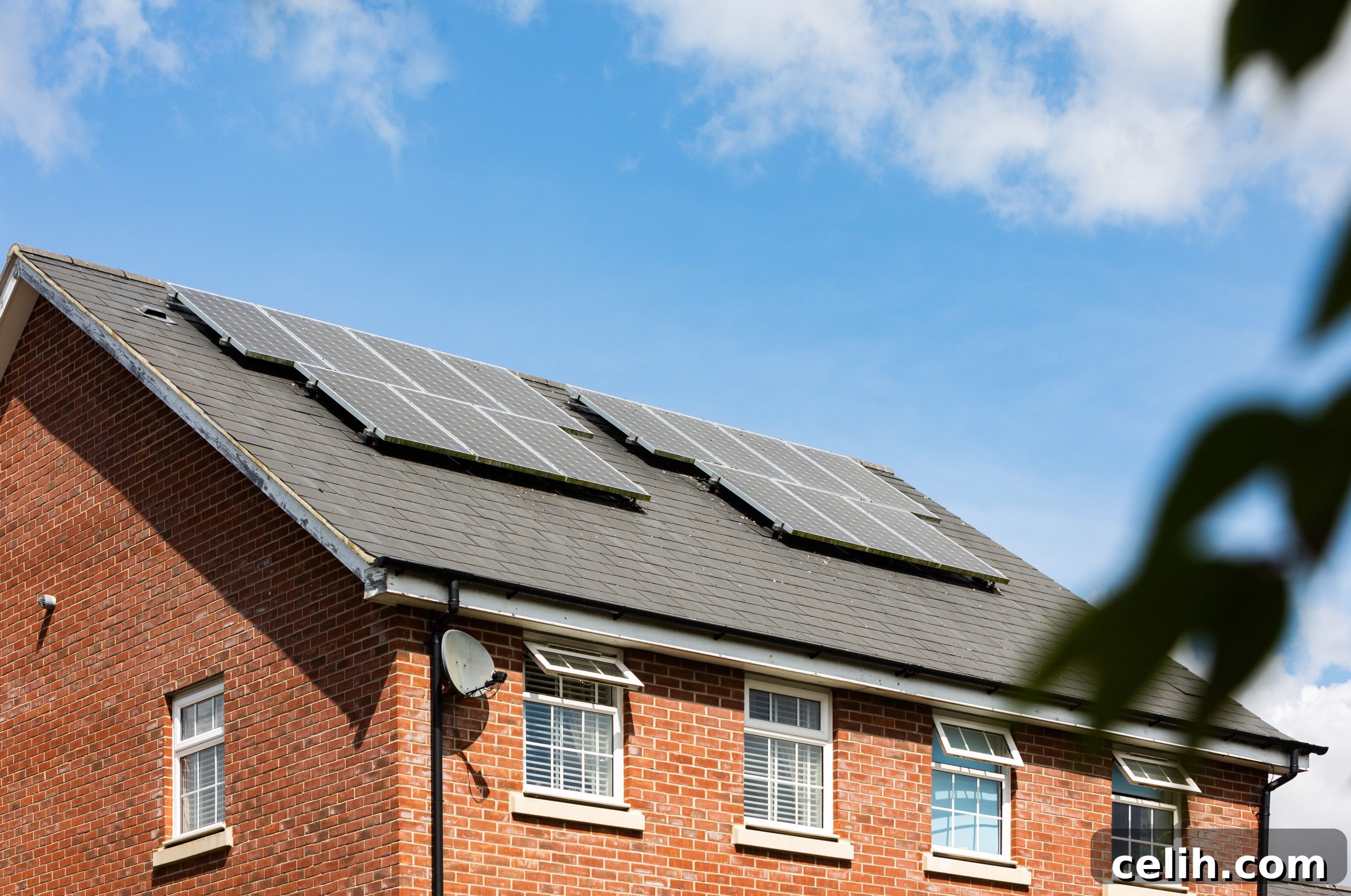
Mastering Energy Conservation: A Comprehensive Guide to Sustainable Energy Practices
In an era defined by growing environmental consciousness and economic pressures, the imperative to conserve energy has never been stronger. More individuals and businesses are recognizing the profound benefits of reducing energy consumption, not only for the planet but also for their bottom line. This guide delves into effective energy conservation methods, drawing inspiration from leading energy-saving companies and offering actionable insights for achieving a more sustainable future.
From individual behavioral shifts to sophisticated technological integrations, the path to energy efficiency is multifaceted. Understanding these strategies is crucial for anyone looking to make a meaningful impact, whether you’re a homeowner aiming to cut utility bills or a business striving for greater corporate social responsibility. Let’s explore the core pillars of energy conservation and how they contribute to a greener, more cost-effective world.
1. Fostering Behavioral Change for Energy Efficiency
One of the most fundamental aspects of energy conservation lies in transforming daily habits. Energy efficiency companies excel at demonstrating how seemingly small behavioral adjustments can lead to significant energy savings. They often lead by example, setting benchmarks for sustainable practices and educating their clients – both individuals and businesses – on adopting more energy-conscious routines.
Simple changes, such as switching off lights when leaving a room, unplugging electronics not in use (phantom load), adjusting thermostat settings seasonally, and opting for natural ventilation, can collectively reduce energy demand. Energy education programs, often championed by these pioneering companies, play a vital role in raising awareness and cultivating environmentally friendly habits. By empowering people with knowledge and practical tips, these initiatives not only reduce individual carbon footprints but also contribute to broader governmental goals of emission reduction and climate change mitigation. Encouraging conscious consumption and responsible energy use forms the bedrock of a truly sustainable society.
2. Harnessing Data Analytics for Optimized Energy Use
In today’s data-driven world, analytics has emerged as an indispensable tool for optimizing energy consumption and reducing operational costs. For businesses and even smart homes, collecting and analyzing large datasets of historical energy usage patterns can unveil critical insights into where energy is being wasted and where significant savings can be achieved.
Advanced data analytics platforms allow organizations to identify energy-intensive processes, pinpoint inefficiencies in machinery, and monitor consumption trends in real-time. By understanding these patterns, companies can implement targeted interventions, such as adjusting equipment schedules, optimizing HVAC systems, or identifying faulty appliances. Furthermore, predictive analytics, leveraging historical data alongside external factors like weather conditions, can forecast future energy demands. This capability enables proactive energy management, allowing businesses to make informed decisions about energy procurement and operational adjustments, thereby preventing peak demand charges and improving overall energy economy.
Beyond identification and prediction, data analytics is crucial for evaluating the effectiveness of energy-saving initiatives. Continuous monitoring allows companies to track progress against established goals, measure return on investment for efficiency upgrades, and dynamically refine their strategies based on real-world performance data. This iterative approach ensures that energy conservation efforts are not static but continually optimized for maximum impact and efficiency.
3. Developing Customized Solutions for Unique Needs
No two homes or businesses are exactly alike, and neither are their energy profiles. This understanding underpins the success of companies that provide tailored energy solutions. Rather than offering a one-size-fits-all approach, these experts conduct thorough assessments of specific energy usage patterns, building structures, operational requirements, and budgetary constraints to design personalized strategies.
These customized solutions often involve a combination of technologies and practices. For a home, this might include high-efficiency insulation, smart thermostats, LED lighting upgrades, and solar panel installation. For a business, it could encompass industrial equipment optimization, power factor correction, waste heat recovery systems, or demand-side management programs. By precisely identifying areas of inefficiency and proposing targeted interventions, these companies ensure that energy reduction efforts are not only effective but also maintain comfort, convenience, and operational integrity. Their innovative approaches are vital for empowering entities with varying resources and needs to achieve significant energy savings efficiently and economically.
4. The Power of Collaboration in Energy Conservation
Achieving widespread energy conservation often requires a collaborative spirit, extending beyond individual companies to encompass partnerships across industries, government bodies, and even communities. By working together, various stakeholders can pool resources, share knowledge, and develop more comprehensive and impactful energy-saving methods.
Collaboration facilitates shared research and development, accelerating the creation of new energy-efficient technologies and sustainable practices. For instance, a technology developer might partner with a utility company to pilot smart grid solutions, or a manufacturing firm might collaborate with an energy consulting service to optimize its production processes. These partnerships allow for a holistic approach to energy saving, leveraging diverse expertise to identify complex interdependencies and unlock greater potential for improvement. Furthermore, collaborative initiatives can lead to economies of scale, reducing development costs and bringing innovative solutions to market faster and more affordably. The collective ability to utilize a group’s varied resources and ideas strengthens the overall movement towards greater energy efficiency across diverse sectors and product offerings, making collaboration a truly potent tool for sustainable progress.
5. Adopting a Lifecycle Approach to Sustainability
Forward-thinking energy conservation companies recognize that true sustainability requires a holistic perspective – a lifecycle approach. This means evaluating the environmental and energy impact of a product, service, or process from its inception to its end-of-life, and identifying opportunities for efficiency at every stage. From the raw materials used in manufacturing to transportation, usage, and disposal, every step contributes to the overall energy footprint.
For example, in product design, companies might choose materials with lower embodied energy, optimize manufacturing processes to reduce waste and energy consumption, and design products for durability and recyclability. In the operational phase, they guide customers on efficient use and maintenance. Applying this methodology to our own lives involves critically assessing our daily journeys, understanding the cumulative impact of our choices, and identifying where behavioral or material changes can reduce our environmental mark. By adopting a lifecycle mindset, we move beyond immediate consumption and embrace a long-term vision, encouraging us to consider the broader implications of our actions for future generations and inspiring a more mindful, sustainable way of living.
6. Effective Marketing and Messaging for Energy Adoption
Even the most innovative energy-saving products and solutions will fail to make an impact if they aren’t effectively communicated to the target audience. Leading energy companies understand that compelling marketing and clear messaging are vital for driving adoption and inspiring widespread energy conservation.
Their strategies often focus on highlighting the tangible benefits of renewable energy and energy-efficient products – not just the environmental advantages, but also the economic savings, increased comfort, and improved quality of life. This requires crafting messages that resonate with diverse audiences, demystifying complex technologies, and addressing common concerns or misconceptions. Case studies, testimonials, and clear data illustrating return on investment are powerful tools in their arsenal. By simplifying the message and demonstrating concrete value, these companies effectively educate consumers, build trust, and motivate action. Ultimately, their approach to marketing and communication offers invaluable lessons on how to sell sustainability, translating technical prowess into relatable, actionable choices for a greener future.
7. Navigating Regulatory Compliance and Incentives
Regulatory compliance is a significant driver for energy conservation, and proficient energy-saving businesses often serve as expert guides through this complex landscape. Through dedicated research and development, they demonstrate the dual value of adhering to environmental and economic regulations: ensuring compliance while simultaneously uncovering opportunities for long-term savings and revenue generation.
Governments worldwide are implementing stricter energy efficiency standards, carbon pricing mechanisms, and incentives for renewable energy adoption. Businesses that proactively invest in solar technology, upgrade their infrastructure, and optimize processes to meet or exceed these regulations often gain a competitive advantage. Energy conservation specialists help businesses navigate these requirements, offering tailored solutions that not only ensure compliance but also identify opportunities to capitalize on grants, tax credits, and other financial incentives. By providing customized compliance pathways, these companies empower businesses to meet their environmental goals, reduce regulatory risks, and safeguard their investments in both their operations and the planet.
8. Seamless Renewable Energy Integration
One of the most impactful methods of energy conservation is the transition to renewable energy sources. Companies specializing in energy efficiency have unequivocally proven that integrating green energy processes into existing infrastructures is not only achievable but also highly beneficial with proper strategic planning. By shifting from fossil fuels to clean, sustainable alternatives like solar, wind, and geothermal power, businesses and homeowners can dramatically reduce their energy bills and significantly lower their carbon footprint.
These forward-thinking organizations offer invaluable insights derived from their extensive experience in energy management and their unwavering commitment to renewable energy. They educate clients on the various types of renewable energy available, their specific benefits, and the most effective methods for their deployment and integration into existing grids or standalone systems. This includes exploring innovations in energy storage, microgrids, and smart grid technologies that ensure a reliable and consistent power supply from intermittent renewable sources. The expertise of these companies makes the transition to a 100% renewable energy future not just a vision, but a practical and economically viable reality.
You may also check here more about renewable energy and how to reduce carbon footprint.
9. Cultivating a Long-Term Vision for Sustainability
Perhaps the most profound lesson from leaders in energy conservation is the importance of a long-term vision. These companies operate with an unwavering focus on sustainability, recognizing that true progress requires planning for the future, prudent resource management, and strategic investments in clean energy technologies. They continuously monitor and update their energy-saving technologies and methodologies, striving for perpetual improvement and adaptation to evolving environmental challenges.
Their primary objective extends beyond immediate gains; it is to identify, develop, and refine ways to minimize reliance on fossil fuels and foster a global energy landscape powered by sustainable sources. This forward-looking perspective is crucial for any entity – be it an individual, a community, or a corporation – aiming for enduring success and a positive legacy in the realm of environmental stewardship. By embracing a long-term vision, we commit to innovation, resilience, and the relentless pursuit of a world where energy needs are met without compromising the health of the planet for future generations.
The Indispensable Role and Benefits of Energy Conservation
The journey towards greater energy efficiency offers a multitude of benefits, lessons that are vividly demonstrated by the thriving energy-saving industry. These pioneering companies not only provide innovative solutions to reduce electricity bills and operational costs but also champion environmental stewardship. From simple acts like encouraging us to turn off unnecessary lights to complex installations of renewable energy systems, their work embodies a commitment to a healthier planet.
By adopting the energy conservation methods outlined above, we collectively contribute to reducing greenhouse gas emissions, mitigating climate change, and preserving natural resources. Investing in energy-saving products and integrating sustainable practices into our daily lives and business operations is more than a financial decision; it’s a vital commitment to the well-being of our planet and future generations. Let’s take action now, embrace these proven strategies, and actively participate in building a more sustainable and energy-efficient world.
If you enjoyed this comprehensive guide and would like to delve deeper into related topics, we invite you to explore the rest of our website for more insightful content on sustainable living and environmental innovation.