
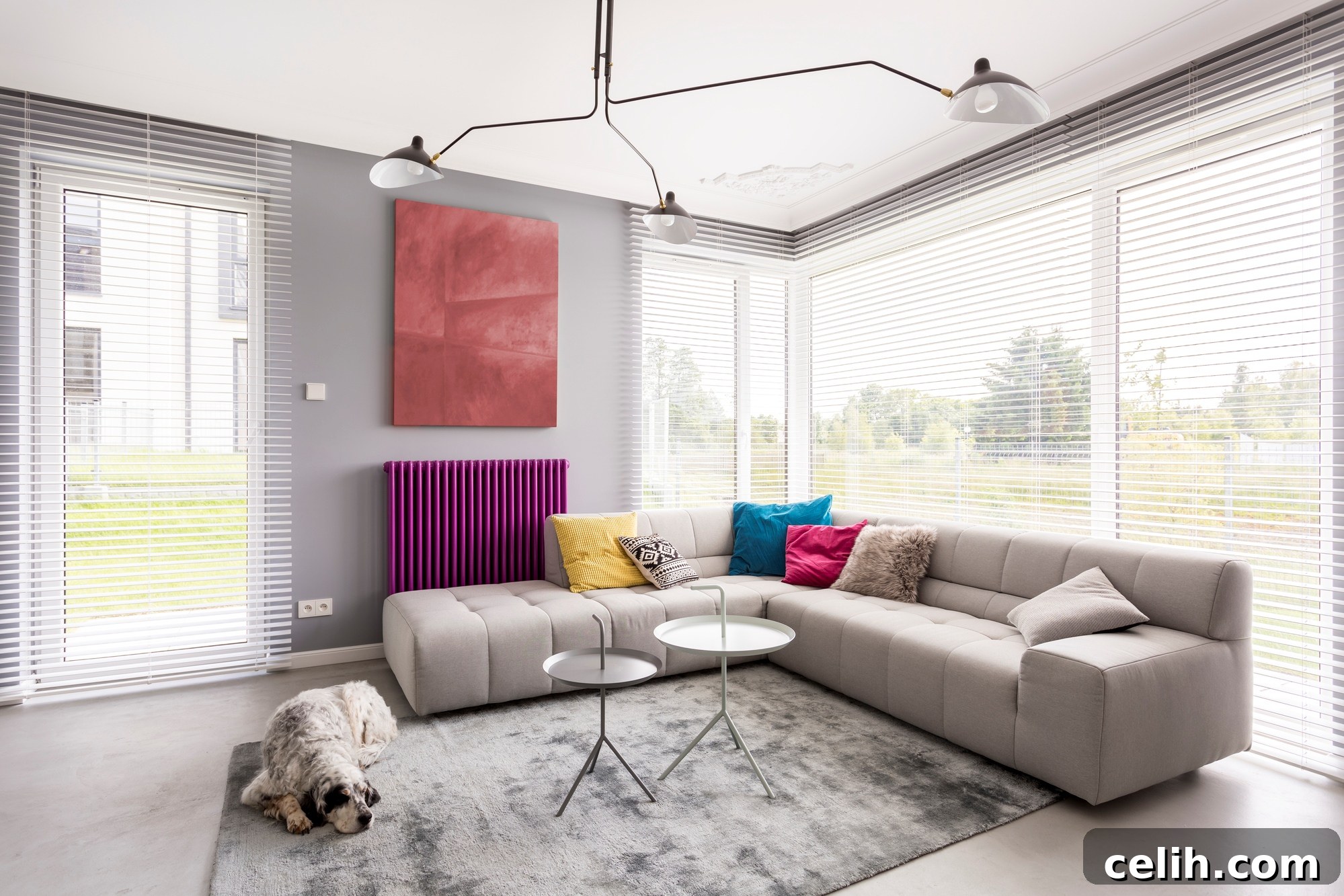
Navigating the vast array of heating solutions for your home can often feel like embarking on a complex journey through a labyrinth of choices. The quintessential question—underfloor heating (UFH) or traditional radiators—stands at the forefront of this decision-making process for countless homeowners. Whether you’re meticulously planning a new build or undertaking a significant renovation, the heating system you select is paramount. It profoundly impacts not only your daily comfort but also the long-term efficiency and cost-effectiveness of your energy bills. This isn’t a decision to be rushed; it demands careful consideration and a clear understanding of each option’s unique benefits and drawbacks. So, settle in with your favorite beverage, and let’s delve deep into this essential debate, uncovering the optimal and most energy-efficient choice for your living space.
Understanding Underfloor Heating Systems
Underfloor heating (UFH) represents a sophisticated, modern approach to home climate control, designed for seamless integration within a building’s flooring structure. Diverging significantly from conventional wall-mounted radiators, UFH systems are ingeniously concealed beneath your chosen floor finish. At their core, these systems consist of either a network of interconnected pipes that circulate warm water (known as ‘wet’ or ‘hydronic’ UFH) or electric heating elements (electric UFH mats or cables). These components are precisely installed within or just below the screed or subfloor, effectively transforming your entire floor into a low-temperature radiant heater.
The operational principle of underfloor heating is rooted in radiant heat transfer. Instead of blowing hot air or heating a small area intensely, UFH gently radiates warmth upwards, directly heating the objects and occupants in a room, rather than just the air. This results in an exceptionally even and consistent temperature distribution from the ground up, eliminating the cold spots often associated with traditional radiator systems. The comfort derived from UFH is often described as luxurious, providing a gentle warmth that permeates every corner of the room. Furthermore, its discreet installation offers unparalleled design freedom and maximizes usable floor and wall space, as there are no visible heating units to contend with. This makes UFH a favoured choice for minimalist aesthetics and contemporary interior designs.
Exploring Traditional Radiators
Radiators have long been the backbone of domestic heating in homes across the globe, a testament to their reliability and straightforward functionality. These familiar metal units are typically mounted on walls and form an integral part of a central heating system. Their operation is elegantly simple: heated water or steam, supplied by a boiler, circulates through a series of internal channels. As the hot fluid passes through, the radiator’s large surface area heats up, transferring warmth into the room primarily through convection, and to a lesser extent, radiation. The heated air rises, cools, and then sinks, creating a continuous cycle of air movement that gradually warms the space.
One of the primary advantages of radiators is their ability to provide rapid and effective heat. They can quickly bring a room to a comfortable temperature, offering a responsive heating solution for immediate warmth. While historically perceived as purely functional, modern radiators have evolved significantly in terms of design. They are now available in an impressive array of sizes, shapes, materials, and colours, ranging from sleek vertical designs and minimalist panel radiators to ornate cast-iron units and towel rails. This versatility allows them to complement various interior styles, from classic to ultra-contemporary. Their relative ease of installation compared to underfloor heating also makes them an attractive and often more budget-friendly option for many homeowners, particularly during renovations where extensive floor disruption is undesirable.
Key Considerations for Choosing Your Heating System
The decision between underfloor heating and radiators is multifaceted, impacting comfort, aesthetics, and long-term costs. Several critical factors must be carefully evaluated to ensure you make the best choice for your specific home and lifestyle.
Assessing Heating Requirements and Comfort Levels
Your desired heating levels and preferred comfort experience are crucial in determining the most suitable system. Underfloor heating excels at providing a consistently even warmth throughout a room, radiating heat from the entire floor surface. This makes it ideal for maintaining a stable, ambient temperature across large open-plan areas and in properties located in colder climates, where sustained warmth is essential. The sensation is often described as a gentle, enveloping warmth, akin to walking on a sun-drenched floor.
Radiators, conversely, offer a more targeted and rapid heating solution. They can quickly heat up a specific zone or bring an entire house to temperature in a relatively short timeframe, which is beneficial for rooms that are used intermittently or require quick bursts of heat. However, they tend to create warmer areas closer to the unit and cooler spots further away, leading to less uniform temperature distribution. Consider how quickly you need rooms to heat, whether you prefer constant background warmth or on-demand heat, and how different spaces in your home are utilized to align with your ideal heating requirements.
Budgeting for Installation and Running Costs
Budgetary considerations play a significant role in the selection process. The initial installation of underfloor heating systems, particularly hydronic (wet) UFH, typically involves specialized machinery, extensive labour, and the disruption of existing flooring. This often translates to a higher upfront cost compared to installing a conventional radiator system. Electric UFH mats can be less disruptive and quicker to install, but still require professional fitting and potentially electrical upgrades.
However, the long-term financial picture often shifts. Underfloor heating systems are renowned for their energy efficiency, operating at lower flow temperatures than radiators while delivering the same level of comfort. This can lead to substantial reductions in energy consumption and, consequently, lower heating bills over time, offsetting the initial investment. Radiators, while boasting lower initial installation costs, tend to have higher running costs due to the higher temperatures required to heat a space effectively. When making your decision, it’s crucial to look beyond the immediate expenditure and project the total cost of ownership, including both installation and estimated energy consumption over the lifespan of the system. An economically viable decision considers both the immediate outlay and the cumulative savings.
Optimizing Space and Layout for Design Freedom
The impact on your home’s interior space and design flexibility is another compelling differentiator. Underfloor heating systems, being entirely concealed beneath the floor, liberate valuable wall and floor space. This provides unparalleled freedom for furniture placement, allowing for cleaner lines, minimalist aesthetics, and the ability to maximize your living area without unsightly or obstructive heating units. UFH is an excellent choice for rooms where wall space is limited, such as those with extensive glazing, or in smaller rooms where the visual footprint of a radiator would feel imposing. It also allows for greater architectural flexibility and helps rooms appear larger and more open.
Radiators, by their nature, occupy wall space and can dictate furniture arrangement, as placing furniture directly in front of them can impede heat distribution. While modern designs offer more aesthetic appeal, they still represent a visible fixture in a room. Assessing the available space in your home, considering future furniture layouts, and contemplating how each heating system will affect the room’s overall aesthetic and spatial functionality will greatly influence your choice. For those prioritizing an uncluttered, expansive feel, UFH typically offers a superior solution.
Flooring Compatibility and Material Considerations
Flooring compatibility is a critical aspect that directly influences the performance of underfloor heating. UFH can operate effectively with a wide range of flooring materials, including ceramic tiles, natural stone, engineered wood, laminate, and some vinyls, particularly those designed for UFH. These materials generally conduct and radiate heat efficiently and consistently across their surfaces. However, certain thick carpets and some solid hardwood flooring can act as insulators, obstructing heat transfer and reducing the efficacy and efficiency of underfloor heating. It’s essential to check the thermal resistance (R-value) of your chosen flooring material when planning UFH installation.
Radiators, conversely, are compatible with virtually any flooring material since they do not directly interact with the floor. This provides greater flexibility in flooring choices without compromising heating performance. However, as mentioned, radiators require adequate wall space for installation and unimpeded airflow. Placing heavy furniture or curtains directly over or in front of radiators can significantly reduce their heating output. Therefore, a thorough analysis of your existing or planned flooring material and its thermal properties, alongside the placement considerations for either system, is crucial for optimal performance and comfort.
Maintenance Requirements and Longevity
The long-term maintenance demands of each system are important considerations for any homeowner. Underfloor heating systems are generally low maintenance once properly installed. With no visible moving parts and being largely concealed, they typically require minimal attention. However, it’s advisable to have wet UFH systems periodically checked for leaks or any issues within the manifold, and to ensure the system is flushed every few years to maintain efficiency. The longevity of UFH is often impressive, with many systems designed to last for decades, often outliving the building itself.
Radiators, while robust, usually require more routine maintenance to ensure efficient operation. They frequently need ‘bleeding’ to release trapped air that can prevent hot water from circulating fully, leading to cold spots on the radiator. Regular cleaning is also necessary to prevent dust and debris from accumulating within the fins, which can hinder heat output and affect air quality. Valves and thermostats may also require occasional adjustment or replacement. Considering the ongoing maintenance process and your comfort with routine tasks will help you choose a suitable option based on your lifestyle and preferences.
Energy Efficiency and Environmental Impact
The final, yet increasingly vital, consideration when deciding between underfloor heating and radiators is energy efficiency and the associated environmental footprint. Underfloor heating systems are celebrated for their superior energy efficiency. By heating a room from the ground up and spreading warmth uniformly, they operate at lower water temperatures (typically 35-50°C for wet systems) compared to radiators (which often require 60-70°C). This lower operating temperature reduces heat loss and significantly decreases energy expenditure, making UFH an excellent partner for heat pumps and other renewable energy sources. This contributes to lower energy bills and a smaller carbon footprint.
While radiators can quickly heat specific zones, they are inherently less efficient in terms of overall room heating. Heat tends to rise and collect near the ceiling, leading to a stratified temperature gradient where your head might be warm but your feet are cold. They also lose heat through the walls they are mounted on. While modern radiators have improved efficiency, they generally consume more energy to achieve the same perceived level of comfort as UFH. Comparing the energy efficiency ratings and the potential long-term energy savings each solution offers is crucial for making an environmentally responsible choice that aligns with your energy investment targets and contributes to a more sustainable home.
Conclusion: Making an Informed Heating Decision
In conclusion, the choice between underfloor heating and radiators is deeply personal, influenced by a myriad of factors unique to your home, budget, and lifestyle. However, for many modern households, underfloor heating emerges as a compelling and often superior choice. Its unparalleled benefits in terms of consistent comfort, significant energy savings, and invaluable space liberation simply outweigh those of traditional radiators. The gentle, pervasive warmth diffused uniformly from the ground level transforms an entire room into an exquisitely cosy and inviting environment, while simultaneously conserving energy and substantially reducing heating costs over the long term. This assured satisfaction and the discreet integration make UFH a wise investment in your home’s future comfort and value.
Ultimately, the best heating solution is one that perfectly aligns with your specific needs and priorities. For tailored advice and to ensure the proper design and installation of an underfloor heating system that maximizes its efficiency and benefits, consulting with a qualified heating specialist is highly recommended. Their expertise will guide you in making an informed decision that ensures optimal comfort, efficiency, and long-term satisfaction for your home.