
Container gardening offers a dynamic and incredibly versatile solution for adding vibrant life and color to any outdoor space, regardless of its size. From sprawling patios to compact balconies, or even just a sunny windowsill, the art of growing plants in pots allows for remarkable flexibility and creativity. This method not only enhances aesthetic appeal by elevating plants off ground level, contributing to a cleaner, more structured look, but also provides practical benefits for gardeners of all experience levels, including those seeking a manageable approach to urban gardening or small space gardening.
The beauty of container gardening lies in its limitless possibilities. Almost any plant imaginable can thrive in a pot, ranging from aromatic herbs and cheerful bedding plants to nutrient-rich vegetables and succulent fruits. Trailing varieties like Lobelia or Petunias often achieve a more dramatic and impactful display when cascading from tall planters or hanging baskets, transforming ordinary corners into captivating splashes of color throughout the warmer months. This comprehensive guide will walk you through everything you need to know to cultivate a thriving container garden, from selecting the perfect pots to mastering watering and feeding, ensuring your potted paradise flourishes.
The Multifaceted Benefits of Container Gardening
Beyond simple aesthetics, container gardening presents a multitude of advantages that make it an increasingly popular choice for modern living. Understanding these benefits can help you appreciate the full potential of this gardening style, whether you’re creating a bustling balcony garden or a serene patio retreat:
- Space Efficiency: Ideal for urban dwellers, apartment living, or homes with limited yard space, containers allow you to grow a diverse range of plants in concentrated areas, maximizing every inch of available space. It’s the ultimate solution for small space gardening.
- Mobility and Flexibility: One of the most significant advantages is the ability to move plants. You can reposition pots to chase the sun, protect sensitive plants from harsh weather, or simply rearrange your garden design to refresh its look. This mobility is invaluable for seasonal planting and protecting tender varieties.
- Soil Control: Container gardening gives you complete command over the soil environment. You can customize potting mixes to suit the specific needs of different plants, such as acid-loving blueberries or drought-tolerant succulents, a feat often difficult to achieve in garden beds with native soil.
- Reduced Weeding and Pest Control: Raised off the ground, container gardens typically suffer from fewer weeds compared to traditional beds. They also offer a distinct advantage in managing pests and diseases, as individual plants or small groups can be isolated and treated more easily, preventing widespread infestations.
- Accessibility: For individuals with physical limitations or mobility challenges, elevated containers and raised beds make gardening more accessible and enjoyable by reducing the need to bend or kneel.
- Design Versatility: Containers are powerful design elements. They can define pathways, create focal points, add architectural interest, and introduce texture and color contrasts, allowing you to craft a personalized outdoor oasis. This allows for diverse garden design possibilities.
- Beginner-Friendly: With controlled environments and smaller scales, container gardening is an excellent entry point for novice gardeners. It simplifies many aspects of plant care, making learning enjoyable and less daunting.
Choosing the Right Containers for Your Plants
The selection of containers is more than just a practical decision; it’s an opportunity to express your personal style and enhance the overall aesthetic of your garden. The right pot can transform a simple plant into a stunning focal point. When choosing pots for your container garden, consider material, size, drainage, and how the style complements your plants and surroundings.
Material Matters: Durability and Style
Containers come in a vast array of materials, each with unique characteristics that affect plant health and garden design:
- Terracotta and Clay: These classic pots offer a timeless, earthy appeal. Their porous nature allows for excellent air circulation to roots, but also means they dry out faster, requiring more frequent watering, especially in hot climates. They are often less frost-resistant and can crack in freezing temperatures if not properly stored or specified as “frost-proof.”
- Plastic: Lightweight, inexpensive, and available in countless colors and shapes, plastic pots retain moisture well, making them ideal for thirsty plants or busy gardeners. High-quality plastic containers can be very durable, though some may fade or become brittle over time in direct sunlight.
- Glazed Ceramic: Offering a sophisticated look, glazed pots come in an endless variety of finishes and colors. The glaze makes them less porous than terracotta, retaining moisture effectively. They are generally heavier and more expensive, and while some are frost-resistant, others can crack if exposed to freezing water.
- Wood: Half barrels, cedar boxes, and other wooden planters lend a rustic, natural charm. Wood provides good insulation for roots against temperature fluctuations. Ensure wooden containers are treated with a non-toxic preservative to prevent rot, or use a liner to prolong their life.
- Metal: Modern and industrial, metal containers (like galvanized steel or iron troughs) can create a striking architectural statement. They can heat up quickly in direct sun, potentially stressing roots, so choose lighter colors or position them strategically. Ensure proper drainage to prevent rust.
- Concrete and Stone: Heavy, durable, and providing excellent insulation, concrete and natural stone containers offer a substantial, permanent feel. They are often frost-proof and ideal for creating structured, architectural looks, but their weight makes them difficult to move.
- Fabric Pots: Made from breathable fabric, these innovative containers promote air pruning of roots, leading to healthier, more fibrous root systems. They are lightweight, flexible, and prevent plants from becoming pot-bound, though they may dry out faster than plastic pots.
Regardless of the material, always ensure your chosen containers have adequate drainage holes at the bottom. Without them, roots will sit in stagnant water, leading to root rot and plant death. For an interesting twist, scour architectural salvage yards, antique shops, or even car boot sales for unique and unusual planters that can add character and a conversation piece to your garden.
Size and Proportion: Matching Pot to Plant
The size of your container is crucial for the health and longevity of your plants. Larger pots generally offer more planting options and provide a more stable environment for roots, allowing for better moisture and nutrient retention. A general rule of thumb is to choose a pot that is at least 1-2 inches wider than the plant’s root ball for annuals, and several inches wider for perennials, shrubs, or trees that you plan to keep for multiple seasons.
Match the style of the container to the plant’s character. Bright, cheerful perennials like petunias or marigolds pop against the earthy tones of terracotta or natural stone. Elegant glazed pots beautifully complement plants with refined foliage such as camellias or delicate Japanese maples. Taller, more structural plants like boxwood, privet, or dwarf conifers look commanding and sophisticated in half barrels, wooden boxes, or sleek metal planters, anchoring your garden design.
The Foundation for Success: Soil and Planting Techniques
The soil, or potting mix, is the lifeblood of your container plants. Unlike garden soil, which can be too heavy and prone to compaction in a confined space, a good potting mix provides the ideal balance of aeration, moisture retention, and nutrients necessary for container-bound roots to thrive.
Choosing the Right Potting Mix
Always use a high-quality, sterile potting mix specifically formulated for containers, rather than garden soil. Garden soil is too dense, lacks proper drainage for pots, and may harbor pests and diseases. Here’s what to consider for effective planting:
- Multi-Purpose Potting Mix: For general-purpose planting of annuals, herbs, and most vegetables, a good quality multi-purpose compost (potting mix) is sufficient. These mixes typically contain peat, perlite, vermiculite, and a starter dose of nutrients.
- Soil-Based Composts: For long-term plantings such as shrubs, trees, or hardy perennials, a heavier, soil-based compost (often labeled ‘John Innes’ in the UK or ‘Potting Soil’ in the US) is often preferred. These mixes contain a proportion of sterilized loam, which provides more stability and nutrients, and doesn’t dry out as quickly as lighter, soilless mixes.
- Specialized Mixes: For plants with specific needs, consider specialized potting mixes:
- Cactus and Succulent Mix: Fast-draining to prevent root rot.
- Orchid Mix: Coarse, bark-based for excellent aeration.
- Acid-Loving Plant Mix: Formulated for plants like blueberries, azaleas, or rhododendrons.
- Seed Starting Mix: Fine texture, sterile, and low in nutrients for delicate seedlings.
Enhancing Your Potting Mix
To further optimize your potting mix, especially for plants that will be in pots for an extended period or those exposed to full sun on a balcony or patio, consider these additions:
- Water-Retaining Crystals: Mixing these polymer crystals into the compost allows them to swell up and absorb excess water when watered, slowly releasing it back to the plant as the soil dries. This helps keep plants hydrated for longer, reducing watering frequency.
- Slow-Release Fertilizer: Incorporating granules of slow-release fertilizer provides a steady supply of nutrients over several months, reducing the need for frequent liquid feeding.
- Perlite or Vermiculite: If your potting mix feels too heavy, adding extra perlite (for drainage and aeration) or vermiculite (for moisture retention and aeration) can improve its structure.
Preparing and Planting Your Containers
Proper planting ensures your container garden gets the best start:
- Prepare the Container: Ensure the container is clean and all drainage holes are clear. For very deep pots, a layer of lightweight, inert material like packing peanuts or empty plastic bottles (with caps on) can be added to the bottom to reduce the amount of potting mix needed. However, ensure a fabric layer or newspaper separates this material from the soil to prevent mix from sifting down. While some gardeners place large stones at the bottom for drainage, modern advice suggests this can create a ‘perched water table’ at the bottom of the soil layer, which can actually hinder drainage by keeping the roots sitting in water. A good quality potting mix and clear drainage holes are usually sufficient for effective drainage.
- Fill with Potting Mix: Fill the container with your chosen potting mix, leaving a few inches of space from the rim. This “headroom” is essential for watering without overflowing.
- Position the Plant(s): Gently remove the plant from its nursery pot, loosening any circling roots. Place it in the center or arrange multiple plants for your desired composition (e.g., “Thriller, Filler, Spiller” design – a tall central plant, bushier plants to fill, and trailing plants to spill over the sides).
- Backfill and Water: Fill around the plant’s root ball with more potting mix, gently firming it down to remove air pockets. Do not compact it too much. Water thoroughly until water drains from the bottom.
To help retain soil moisture and suppress weeds, consider adding a layer of decorative mulch on top of the potting mix. Options include clay “pearls,” gravel, shredded bark, or small stones. If your pot will be standing on a hard surface, raise it up on pot feet, bricks, or small wooden blocks. This ensures unimpeded drainage and prevents waterlogging, while also improving air circulation underneath the pot.
Watering and Feeding: Essential Care for Container Plants
Container plants are entirely dependent on you for their water and nutrient needs, making proper watering and feeding arguably the most critical aspects of their care. Due to their limited soil volume and exposure to sun and wind, pots tend to dry out much faster than garden beds. Mastering these techniques is key to a flourishing container garden.
Mastering the Art of Watering
During the warmer growing season (typically spring through early autumn), monitor your pots daily. In hot, sunny, or windy weather, they may even require watering twice a day. The key is to water thoroughly and deeply, rather than frequent shallow sprinklings.
- When to Water: The best way to check if your plant needs water is to feel the soil. Stick your finger about an inch or two into the potting mix. If it feels dry, it’s time to water. Wilting leaves are also a clear sign of thirst, but it’s better to water before this point of stress.
- How to Water: Water early in the morning or late in the evening to minimize evaporation. Direct the water onto the potting mix, not the foliage of the plant itself, which can encourage fungal diseases. Fill the container to the brim slowly, allowing the water to soak down and drain through. Once it has drained, fill it a second time. This ensures the entire root ball is thoroughly moistened, not just the top layer.
- Ensure Good Drainage: Regularly check that drainage holes aren’t blocked by roots or debris. Most plants abhor sitting in a pool of stagnant water, which suffocates roots and promotes rot. If water isn’t draining, gently clear the holes.
- Environmental Factors: Adjust watering frequency based on weather (hotter, windier days mean more water), pot material (terracotta dries faster than plastic), and plant type (thirsty annuals versus drought-tolerant succulents).
Feeding Your Thriving Container Garden
Since container plants have a finite amount of potting mix, they quickly deplete the available nutrients. Regular feeding is essential to support vigorous growth and abundant blooms or harvests throughout the growing season (typically April to early September).
- Liquid Feeds: The most common method is to use a general-purpose liquid plant food, diluted according to the manufacturer’s instructions. Feed most plants once a week during their active growth period. For heavy feeders like tomatoes or petunias, you might increase this frequency slightly, or use a more concentrated feed.
- Slow-Release Fertilizers: As mentioned earlier, incorporating slow-release granular fertilizers at planting time can provide a continuous supply of nutrients for several months, reducing the need for weekly liquid feeds. This is a convenient option for many gardeners.
- Organic Options: For organic gardening, consider using fish emulsion, compost tea, or other natural liquid fertilizers. These also nourish the soil microbes, promoting a healthier environment.
- Signs of Nutrient Deficiency: Look for yellowing leaves, stunted growth, or poor flowering/fruiting as signs that your plants might need more nutrients.
Re-potting Your Plants for Continued Vigor
One inherent challenge of growing plants in containers is that they will eventually outgrow their allotted space, becoming “pot-bound.” When roots fill the entire container, circling around themselves and becoming a dense mass, the plant’s growth will stall, water absorption becomes inefficient, and nutrient uptake is compromised. This is a clear signal that your plant needs to be re-potted for ongoing plant care.
Recognizing a Pot-Bound Plant
Signs that your plant needs re-potting include:
- Water quickly runs straight through the pot without being absorbed.
- Roots are visibly emerging from the drainage holes or pushing up from the soil surface.
- Stunted growth, despite adequate watering and feeding.
- Leaves turning yellow or drooping, even when the soil is moist.
- The plant seems top-heavy and easily tips over.
The Re-potting Process
Re-potting gives your plant a fresh start and room to expand its root system:
- Choose a Larger Container: Select a new container that is at least one-third larger in diameter than the old one. For slow-growing plants or those you want to keep at a certain size, you might choose a pot only slightly larger, or consider root pruning.
- Prepare the Plant: Water the plant thoroughly a day before re-potting to ease its removal. Gently ease the plant out of its old pot. If it’s stubborn, you might need to tap the sides of the pot or even carefully cut a plastic pot away.
- Inspect and Loosen Roots: Once out, inspect the root ball. If it’s a tight, circling mass, gently tease apart some of the outer roots with your fingers or a small tool. This encourages them to grow outwards into the new soil. Avoid damaging the main root structure.
- Add Fresh Potting Mix: Place a layer of fresh, high-quality potting mix at the bottom of the new container. Position the plant so its base is at the same level as it was in the old pot, or slightly lower if the new pot is very deep.
- Backfill and Water: Fill the remaining space around the root ball with new potting mix, gently firming it down. Water generously to settle the soil and eliminate air pockets.
- Retain Old Compost (Optional): While it’s generally best to use fresh compost for its nutrient content and good structure, you can sometimes mix a portion of the old compost (if it’s still relatively loose and not exhausted) with new compost, especially for very large plants where a lot of new mix would be needed. However, fresh mix is always preferred for optimal results.
Winterizing and Frost Protection for Your Potted Treasures
As the gardening season draws to a close and temperatures begin to drop, protecting your vulnerable container plants from frost and freezing conditions becomes crucial. Many plants grown in pots, especially non-native species or those categorized as tender perennials, will not survive winter outdoors without intervention. Effective frost protection ensures the longevity of your beloved container plants.
Protecting Tender Plants
For sensitive perennials such as bay trees, citrus trees, geraniums (pelargoniums), fuchsias, and many tropical varieties, moving them to a sheltered, frost-free location is the best course of action. This could be:
- Indoors: A bright, cool room in your house, a sunroom, or a heated garage. Reduce watering frequency during their dormant period and cease feeding.
- Greenhouse or Cold Frame: These structures offer protection while still providing light. Ensure adequate ventilation on warmer days.
- Shed or Garage: For truly dormant plants (e.g., fuchsia tubers after pruning), a dark, cool, frost-free shed or garage is suitable.
Protecting Outdoor Pots and Hardy Plants
Even hardy perennials and shrubs in pots can be more vulnerable to frost damage than their counterparts in the ground. Their root systems are more exposed to temperature fluctuations. Here’s how to protect them:
- Insulate Pots: Wrap vulnerable pots with layers of bubble wrap, burlap, or old blankets, securing them with twine or tape. This provides crucial insulation for the root ball against freezing temperatures.
- Group Pots Together: Clustered pots offer mutual protection against cold winds and retain a bit more heat.
- Raise Off the Ground: Continue to keep outdoor pots slightly raised off the ground using pot feet or bricks. This prevents waterlogging from winter rains and ensures proper drainage, reducing the risk of roots freezing in standing water.
- Mulch the Surface: A layer of straw, shredded bark, or leaves on top of the potting mix can provide an extra layer of insulation for the roots.
- Reduce Watering: During winter dormancy, plants require much less water. Check them regularly but only water sparingly on mild days when the soil is dry to the touch, and never if frost is expected.
- Empty and Store Terracotta: Empty and store terracotta pots indoors during winter if possible. Their porous nature makes them highly susceptible to cracking when wet soil freezes and expands.
Ideal Plants for Your Thriving Container Garden
The versatility of container gardening means that a vast array of plants can thrive in pots, offering endless possibilities for creating stunning and productive displays. Whether you’re growing vegetables in pots, herbs in containers, or colorful patio plants, there’s a perfect choice for every gardener. Here’s an expanded look at some particularly suitable choices:
Culinary Herbs: A Kitchen Garden on Your Doorstep
Herbs are exceptionally well-suited for containers, making fresh flavors accessible right outside your kitchen door. Consider:
- Mint: Best grown in its own pot due to its vigorous, spreading nature.
- Basil: Loves warmth and sun, perfect for a sunny patio.
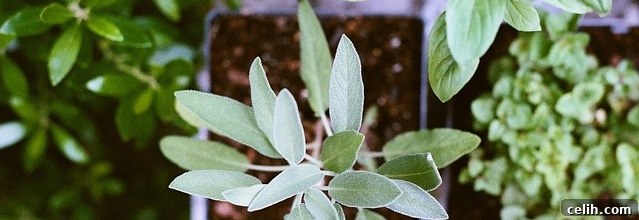
- Rosemary, Thyme, Oregano, Sage: Drought-tolerant once established, thriving in well-drained conditions.
- Chives, Parsley, Cilantro: Can be grown from seed or small plants, offering continuous harvests.
Vegetables: Bountiful Harvests in Compact Spaces
Many vegetables are surprisingly productive in containers, especially dwarf or bush varieties:
- Leafy Greens: Lettuce, spinach, arugula, and mesclun mix grow quickly and can be harvested repeatedly.
- Tomatoes: Bush or determinate varieties are ideal for pots, as are cherry tomatoes. Provide staking for support.
- Peppers: Both sweet and hot peppers thrive in warm, sunny pots.
- Radishes and Carrots: Choose shorter, stubby varieties for container growing.
- Beans and Peas: Bush varieties are great, or climbing types can use a small trellis in the pot.
- Potatoes: Can be grown in large bags or specialized potato planters.
Fruits: Sweet Treats from Your Pots
Enjoy fresh fruit even with limited space:
- Strawberries: Trailing varieties are perfect for hanging baskets or strawberry pots.
- Blueberries: Require acidic soil, making containers ideal for controlling pH. Choose dwarf varieties.
- Dwarf Citrus Trees: Lemons, limes, and kumquats can thrive in pots and be moved indoors in winter.
- Fruit Bushes: Dwarf varieties of blackcurrants, raspberries, or gooseberries can be very productive.
Flowering Plants: Dazzling Displays of Color
Containers are perfect for creating eye-catching floral arrangements:
- Annuals: Petunias, impatiens, marigolds, snapdragons, begonias, and calibrachoa offer continuous blooms all season.
- Perennials: Hostas (excellent for shade, and far easier to protect from slug damage in pots – try putting a copper band around the pot rim), daylilies, dwarf coneflowers, and sedum.
- Fuchsias and Geraniums: Classic choices for their vibrant, long-lasting flowers.
- Lavender: Provides beautiful blooms and a delightful fragrance, preferring full sun and good drainage.
- Bulbs: Tulips, daffodils, hyacinths, and crocuses can be layered in pots for successive blooms in spring.
Shrubs and Small Trees: Structured Elegance
Even woody plants can be grown in containers, providing structure and permanence:
- Boxwood: Can be pruned into formal shapes, offering year-round greenery.
- Dwarf Conifers: Provide evergreen interest and texture.
- Japanese Maples: Many varieties are stunning in pots, offering delicate foliage and vibrant fall color.
- Bay Trees: Can be shaped into standards and are great for formal entrances.
Creating Eye-Catching Combinations: Thriller, Filler, Spiller
For truly dynamic container displays, apply the “Thriller, Filler, Spiller” design principle:
- Thriller: A tall, dramatic plant that serves as the focal point, placed in the center or back of the pot (e.g., a tall ornamental grass, canna lily, or a dwarf shrub).
- Filler: Medium-height, bushy plants that fill out the middle ground, providing volume and color (e.g., petunias, coleus, impatiens, marigolds).
- Spiller: Trailing plants that cascade over the edges of the pot, softening the lines and adding elegance (e.g., sweet potato vine, calibrachoa, lobelia, ivy).
Mixing pots containing vegetables with those containing flowers will not only produce an eye-catching display all summer long but also create a functional and beautiful edible landscape. With careful planning and consistent care, your container garden will become a source of continuous joy and beauty, transforming any space into a lush, vibrant sanctuary.
By Sara Walker