
In the dynamic world of home improvement and construction, selecting the ideal roofing material is a monumental decision. The roof serves as your home’s primary shield against the elements, significantly impacting its curb appeal, energy efficiency, structural integrity, and long-term value. Homeowners often find themselves weighing two predominant options: time-tested asphalt shingles and increasingly popular durable metal roofing. The debate of metal roofing vs. asphalt shingles is not just about aesthetics; it’s a comprehensive comparison of cost, performance, longevity, and environmental impact. Understanding the nuanced differences between these materials is crucial for making an informed choice that aligns with your budget, climate, and personal preferences. While a reputable roofing service like London Eco Metal can offer expert guidance and seamless installation, this detailed guide provides a thorough overview of both roofing solutions to help you navigate this critical decision.
Understanding Metal Roofing
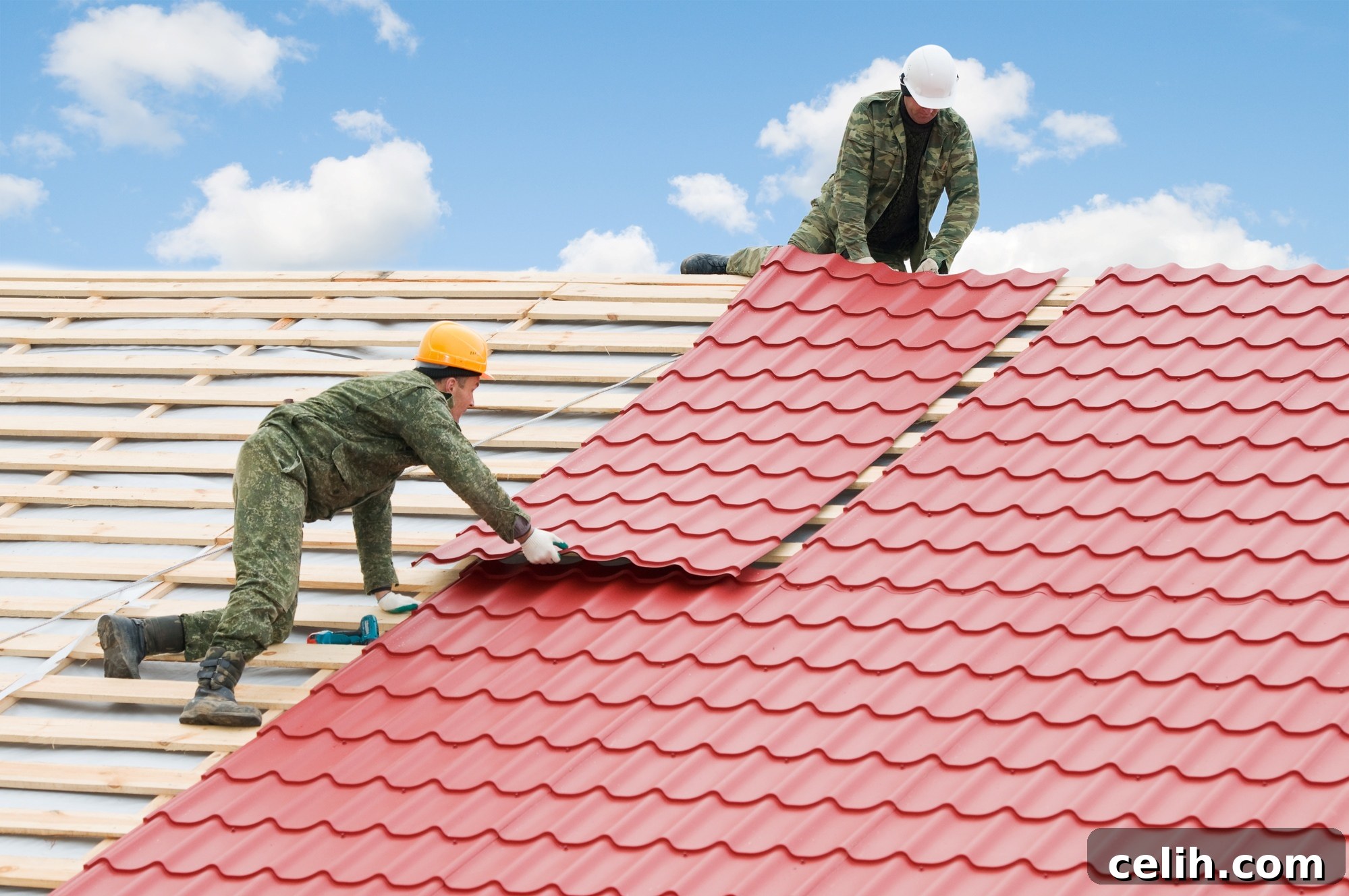
Metal roofing systems are constructed from various metal alloys, designed into panels, shingles, or tiles. Common metals used include steel (galvanized, galvalume), aluminum, zinc, and copper, each offering distinct properties regarding strength, corrosion resistance, and aesthetic appeal. These materials are renowned for their exceptional durability, extended lifespan, and superior resistance to a wide array of severe weather conditions. Modern metal roofing comes in an impressive spectrum of styles, textures, and colors, capable of mimicking traditional roofing materials like slate, tile, or wood shakes, while also providing a sleek, contemporary appearance that complements diverse architectural designs. Their robust nature and minimal maintenance requirements make them an attractive long-term investment for many property owners.
Understanding Asphalt Shingles
Asphalt shingles are arguably the most ubiquitous roofing material in residential construction across North America. Their composition typically involves a fiberglass or organic felt base mat, which is then saturated with asphalt for waterproofing. This core is subsequently coated with ceramic granules that provide UV protection, add color, and enhance fire resistance. Asphalt shingles are favored for their cost-effectiveness, straightforward installation process, and the vast array of styles, colors, and textures available. From basic 3-tab shingles to more robust architectural or laminate shingles, and even premium luxury shingles, they offer versatility to match almost any home style and budget. They provide a classic, familiar look that has been a staple in roofing for decades.
Metal Roofing vs. Asphalt Shingles: A Comprehensive Comparison
Delving deeper into the characteristics of metal roofing and asphalt shingles reveals significant differences that can sway a homeowner’s decision. This detailed comparison outlines the key aspects where these two popular roofing materials diverge.
Material Composition and Design Versatility
- Metal Roofing: Typically fabricated from high-grade steel (often galvanized or galvalume for enhanced corrosion resistance), aluminum, copper, or zinc. Each metal brings unique attributes; for example, copper develops a distinctive patina over time, while aluminum is exceptionally lightweight and rust-proof. These metals are shaped into various profiles, including standing seam panels (known for their clean lines and concealed fasteners), corrugated sheets (offering an industrial aesthetic), and metal shingles or tiles that replicate traditional roofing materials. The finishes available range from matte to glossy, with advanced coatings providing enhanced durability and color retention. This variety allows for incredible design flexibility, suiting everything from rustic farmhouses to ultra-modern homes.
- Asphalt Shingles: Constructed with a base layer of fiberglass or organic felt, which provides strength and flexibility. This base is thoroughly impregnated with asphalt, making the shingle waterproof and durable. The exposed surface is embedded with mineral granules (ceramic-coated for color and UV protection), which also contribute to fire resistance and texture. Asphalt shingles come in three primary types: 3-tab (basic, flat appearance), architectural or laminate (thicker, multi-layered, creating a dimensional look), and luxury (designed to mimic high-end materials like slate or wood shakes). The vast color palette and style options mean asphalt shingles can complement nearly any architectural style, offering a timeless and conventional appeal.
Durability and Lifespan
- Metal Roofing: Renowned for its unparalleled durability, metal roofing systems can easily withstand extreme weather conditions, including torrential rains, heavy snowfall, hailstorms, and high winds (often rated for wind speeds up to 140 mph or more). They are impervious to common roofing antagonists such as rot, mold, mildew, and insect infestations. Unlike organic materials, metal does not crack, warp, or decompose. A well-installed metal roof often boasts an impressive lifespan of 50 years or even longer, with many manufacturers offering warranties for 30-50 years, making it a truly long-term investment that requires significantly less frequent replacement than asphalt.
- Asphalt Shingles: Modern high-quality asphalt shingles are quite durable and can perform admirably in moderate weather. They typically offer a lifespan ranging from 20 to 30 years, though this can vary based on quality, climate, and maintenance. However, they are more susceptible to wear and tear from severe weather events. Extreme temperature fluctuations can cause shingles to crack, curl, or blister. Hail can cause granule loss, exposing the asphalt layer to UV degradation. High winds can lift and tear off shingles, necessitating repairs or premature replacement. Their shorter lifespan means homeowners can expect at least one, if not two, replacements during the same period a metal roof would last.
Cost Considerations: Upfront vs. Long-Term Value
- Metal Roofing: The initial installation cost for a metal roof is generally higher than that of asphalt shingles. Prices can vary significantly based on the type of metal, the complexity of the roof design, and the specific profile chosen. While the upfront investment is substantial, the long-term cost of ownership is often lower. This is due to its extended lifespan, reduced maintenance needs, potential for lower energy bills (due to reflective properties), and in some cases, lower homeowner’s insurance premiums. Over 30-50 years, the total expenditure for a metal roof can be less than replacing an asphalt shingle roof multiple times.
- Asphalt Shingles: Asphalt shingles are celebrated for their affordability, making them a popular choice for homeowners with immediate budget constraints. The material cost and labor for installation are typically lower, allowing for a more budget-friendly initial outlay. However, this lower upfront cost needs to be balanced against potential higher long-term expenses. The shorter lifespan of asphalt shingles means they will likely need replacement every 20-30 years, incurring repeated material and labor costs. Maintenance can also be more frequent, especially after severe weather, further contributing to the overall cost over decades.
Aesthetics and Curb Appeal
- Metal Roofing: Modern metal roofing offers a sophisticated and often striking aesthetic. It can range from the sleek, minimalist lines of a standing seam roof, which lends a contemporary or industrial look, to metal shingles designed to perfectly replicate the rustic charm of wood shakes, the classic elegance of slate, or the Mediterranean style of clay tiles. The wide spectrum of colors, profiles, and finishes available allows homeowners to achieve a unique and upscale appearance that significantly enhances curb appeal and often increases property value.
- Asphalt Shingles: Asphalt shingles provide a classic, traditional, and universally accepted roofing aesthetic. With an extensive range of colors, textures, and shingle styles (from flat 3-tab to multi-dimensional architectural and luxury options), they offer incredible versatility to match virtually any home style, from colonial to ranch to craftsman. Their timeless appeal ensures they remain a widely popular choice for homeowners seeking a conventional and aesthetically pleasing roof without venturing into more contemporary or specialized looks.
Installation Process and Complexity
- Metal Roofing: Installing a metal roof is generally a more specialized and intricate process. It requires trained professionals with specific tools and expertise in handling metal panels, ensuring precise cuts, proper fastening techniques, and effective sealing. While installation can be more labor-intensive and time-consuming, the robust nature of the material means it can often be installed over existing asphalt shingles in certain conditions, potentially saving on tear-off costs and landfill waste.
- Asphalt Shingles: Asphalt shingles are relatively straightforward to install, a factor that contributes significantly to their widespread use. Most roofing contractors are highly familiar with the installation process, which typically involves nailing shingles to a prepared roof deck over an underlayment. This simplicity often translates to quicker installation times and lower labor costs compared to metal roofing. Repairs, such as replacing damaged individual shingles, are also generally simpler and less expensive.
Energy Efficiency and Environmental Impact
- Metal Roofing: Metal roofing is a champion of energy efficiency. Its highly reflective surfaces can deflect a significant portion of the sun’s radiant heat away from the building, especially lighter-colored metal roofs or those with specialized coatings (cool roofs). This dramatically reduces heat absorption, which in turn can lead to substantial reductions in air conditioning costs during warmer months. Furthermore, metal roofing is an environmentally friendly choice as it is often made with a percentage of recycled content and is 100% recyclable at the end of its exceptionally long lifespan, minimizing landfill waste.
- Asphalt Shingles: While traditional asphalt shingles tend to absorb more solar radiation, modern advancements have introduced “cool asphalt shingles” with reflective granules designed to mitigate heat absorption. These can offer improved energy efficiency compared to standard asphalt, though they typically do not match the reflective capabilities of a light-colored metal roof. From an environmental perspective, asphalt shingles are made from petroleum-based products, and while efforts are increasing to recycle them, a significant portion still ends up in landfills. Their shorter lifespan also means more frequent manufacturing and disposal cycles.
Fire Resistance and Safety
- Metal Roofing: Metal roofs are non-combustible and carry the highest possible fire rating (Class A), offering superior protection against external fire sources, such as airborne sparks from wildfires or neighboring property fires. This inherent fire resistance provides an added layer of safety and can sometimes lead to reduced insurance premiums.
- Asphalt Shingles: Asphalt shingles are manufactured to meet specific fire resistance ratings. Most architectural shingles achieve a Class A fire rating when installed with appropriate underlayment, meaning they are effective against severe exposure to external fire. However, the material itself is combustible, unlike metal.
Weight and Structural Considerations
- Metal Roofing: Metal roofs are surprisingly lightweight compared to many other roofing materials, often weighing between 50 to 150 pounds per 100 square feet (one “square”). This lightness places less stress on the home’s structural framing and can sometimes make it a suitable option for re-roofing over an existing asphalt shingle roof without requiring additional structural reinforcement.
- Asphalt Shingles: Asphalt shingles are heavier than metal, typically weighing between 200 to 400 pounds per square. While most homes are designed to support this weight, it’s a consideration when assessing structural capacity, especially if contemplating layering new shingles over old ones.
Noise Levels
- Metal Roofing: A common misconception is that metal roofs are inherently noisy during rain or hail. However, when properly installed with adequate decking, insulation, and underlayment, the sound level inside the home is typically no louder than with other roofing materials. In fact, many modern metal roofing systems are designed with sound-dampening features.
- Asphalt Shingles: Asphalt shingles offer good sound absorption properties, typically dampening outside noise from rain or hail effectively due to their mass and granulated surface.
Maintenance Requirements
- Metal Roofing: Metal roofs are notoriously low-maintenance. They resist the growth of moss, algae, and mildew, which can plague other roofing types. Periodic inspections for loose fasteners or sealant issues are generally sufficient. Any debris can usually be easily cleared, and light cleaning can maintain their aesthetic appeal for decades.
- Asphalt Shingles: Asphalt shingle roofs require more regular maintenance. This includes cleaning moss and algae (which can degrade shingles), inspecting for granule loss, curling, cracking, or missing shingles, and clearing gutters frequently. Timely repairs are crucial to prevent minor damage from escalating into major leaks.
Why Consider Metal Roofing for Your Home?
While asphalt shingles offer a budget-friendly and traditional choice, the growing preference for metal roofing stems from a compelling array of long-term benefits and advanced performance characteristics. For homeowners seeking a durable, sustainable, and aesthetically forward-thinking solution, metal roofing presents a strong argument.
Unmatched Longevity and Durability
The primary draw of metal roofing is its incredible lifespan and resilience. Engineered to last 50 years or more, a metal roof is often the last roof you’ll ever need. It stands up to the harshest environmental challenges, from hurricane-force winds and heavy snow loads to relentless hail and intense UV radiation. Unlike organic materials, metal won’t crack, rot, warp, or become a feast for pests. This exceptional durability translates into fewer replacements, less waste, and greater peace of mind over the decades.
Superior Energy Efficiency
Metal roofs are celebrated for their “cool roofing” properties. By reflecting a significant portion of the sun’s solar radiation, especially lighter-colored or specially coated panels, they effectively reduce the amount of heat absorbed by your home. This can lead to a cooler interior, significantly lowering reliance on air conditioning during warmer months and resulting in tangible savings on your energy bills. For homeowners in hot climates, the energy efficiency of a metal roof can be a game-changer.
Modern Aesthetics and Design Versatility
Beyond its robust performance, metal roofing offers unparalleled aesthetic flexibility. Gone are the days when metal roofs were limited to utilitarian corrugated sheets. Today, you can find metal roofing in a stunning array of profiles, from sleek standing seam panels that lend a contemporary edge to elegant metal shingles, shakes, and tiles that flawlessly mimic natural materials like slate, clay, or wood. The vast selection of colors and finishes means a metal roof can perfectly complement any architectural style, significantly boosting your home’s curb appeal and creating a distinctive look.
Environmental Sustainability
For environmentally conscious homeowners, metal roofing is an outstanding choice. Many metal roofing products are manufactured with a significant percentage of recycled content. Crucially, at the end of its exceptionally long life, metal roofing is 100% recyclable. This drastically reduces the amount of construction waste sent to landfills, making it a truly sustainable roofing solution compared to materials that are often disposed of after a shorter lifespan.
Enhanced Resale Value
Investing in a metal roof can notably increase your home’s resale value. Prospective homebuyers are increasingly aware of the long-term benefits of metal roofing, including its durability, energy efficiency, and low maintenance. A new or relatively new metal roof signals a well-maintained home with reduced future expenses, making it a highly attractive selling point in the competitive real estate market.
Low Maintenance Requirements
Once installed, a metal roof requires minimal upkeep. Its non-porous surface naturally resists the growth of moss, algae, and mildew, which often necessitate cleaning and treatment on other roofing materials. Metal roofs don’t degrade from UV exposure in the same way asphalt does, meaning less granule loss and fewer concerns about cracking or curling. This translates to more time enjoying your home and less time worrying about roof maintenance and repairs.
Superior Fire Resistance
Metal roofing provides an inherent safety advantage with its non-combustible nature. Achieving a Class A fire rating, metal roofs offer the highest level of protection against external fire sources, such as embers from wildfires or nearby burning structures. This added layer of safety is a significant benefit, especially in regions prone to wildfires, and may even qualify you for reductions in homeowner’s insurance premiums.
Final Thoughts: Making Your Roofing Decision
Ultimately, the choice between metal roofing and asphalt shingles is a personal one, influenced by a blend of factors specific to your home, budget, climate, and long-term aspirations. While asphalt shingles offer an accessible and traditional option with a lower initial cost, metal roofing provides a premium solution with unparalleled longevity, superior durability, remarkable energy efficiency, and significant environmental benefits. Careful consideration of these elements, alongside a clear understanding of both the upfront investment and the long-term value, will guide you toward the best decision. We recommend consulting with experienced roofing professionals who can assess your specific needs, provide detailed estimates for both materials, and help you select a roofing system that will protect and enhance your home for decades to come.