
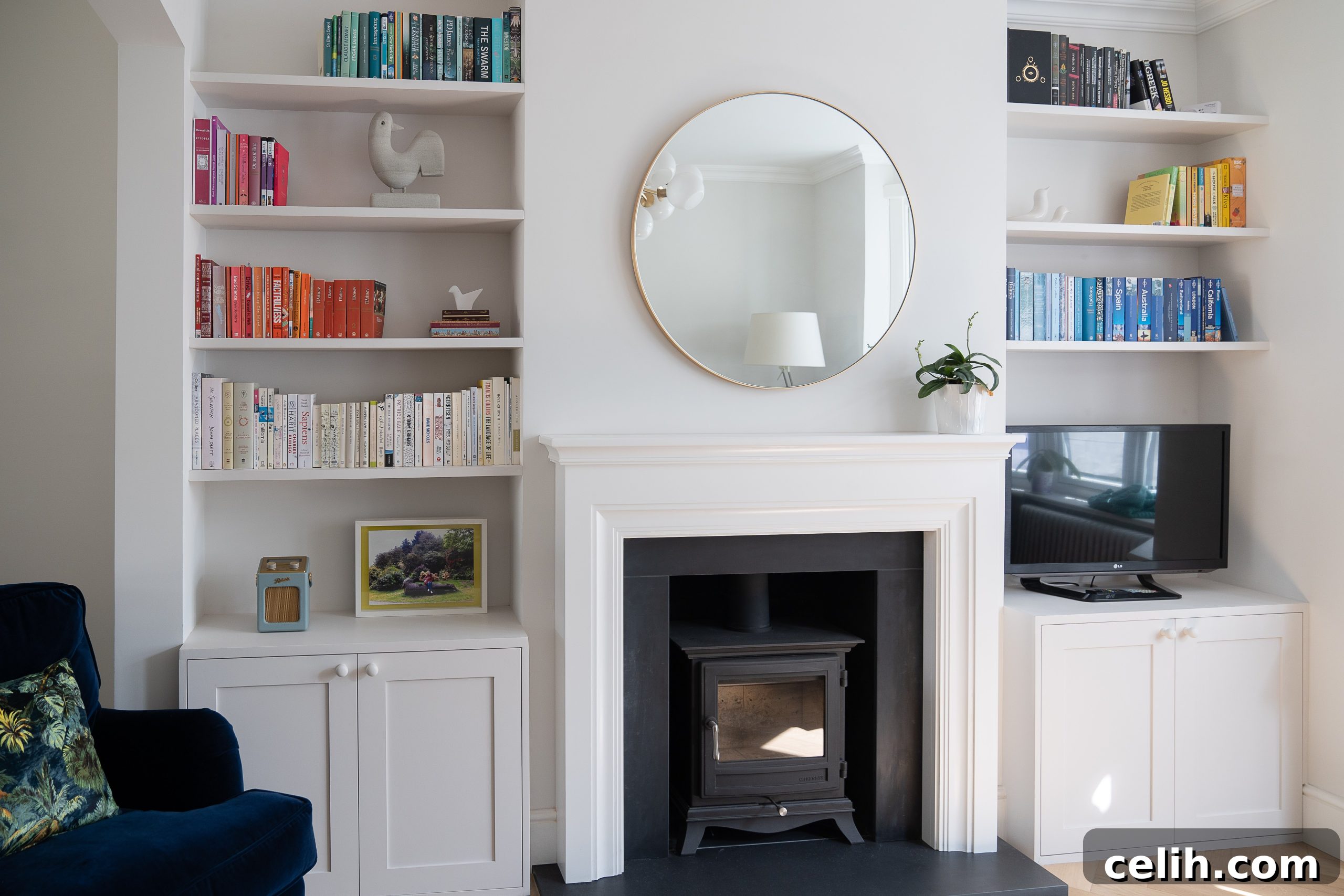
Transforming a home into a kid-friendly sanctuary doesn’t mean sacrificing style or personal aesthetics. Many parents believe that once children enter the picture, their beautifully curated interiors must give way to primary colors, plastic toys, and a perpetual state of clutter. This couldn’t be further from the truth. With thoughtful planning and smart design choices, you can create a comfortable, practical, and aesthetically pleasing living space that caters to the needs of every family member, children included. The key lies in blending functionality with enduring style, ensuring that your home remains an inviting haven for both adults and little ones. This guide will explore practical strategies to achieve a harmonious family home, proving that elegance and playfulness can coexist.
Create a Dedicated Space Just for Them
One of the most effective strategies for a kid-friendly home is to designate a specific area exclusively for children. This doesn’t necessarily mean an entire playroom, though that’s an excellent option if space allows. It could be a corner of a living room, a section of a basement, or even a converted closet. The goal is to provide children with a sense of ownership and a dedicated zone where they can engage in their activities without constantly encroaching on shared family spaces. This helps set boundaries, reduces clutter in communal areas, and fosters independence.
When designing this special place, consider your child’s interests and age. For a budding artist, set up an art station with an easel, drawing supplies, and an easy-to-clean surface. For a reader, create a cozy nook with comfortable seating, soft pillows, and a bookshelf filled with their favorite stories. If your child is energetic, ensure there’s room for active play, perhaps with a mini climbing wall or a soft mat for tumbling. Involving your children in the design process, even in simple ways like choosing colors or furniture, can make the space even more meaningful to them. Think about incorporating flexible elements like modular furniture or storage bins that can adapt as your child grows and their interests evolve. This dedicated space becomes a sanctuary where kids know they can retreat for alone time, creative play, or energetic activities, fostering a harmonious environment for the entire family. For more complex structural changes, consulting with home design professionals can help bring your vision to life, ensuring safety and functionality.
Prioritize Ample and Accessible Storage Solutions
A kid-friendly home is often synonymous with an organized home, and that means having an abundance of well-thought-out storage. Children accumulate toys, books, art supplies, and countless other items at an astonishing rate, and without proper storage, these can quickly overwhelm any living space. Effective storage isn’t just about hiding clutter; it’s about teaching children organizational skills, making it easy for them to access their belongings, and encouraging them to tidy up after themselves.
Consider a variety of storage options to suit different needs. Large toy chests are excellent for bulky items, while smaller bins and baskets are perfect for organizing smaller toys, blocks, or art supplies. Shelving units with clear, labeled containers can help children easily find what they need and, more importantly, put it back in its designated spot. Built-in storage, like window seats with lift-up lids or custom cabinetry, offers seamless integration into your decor while maximizing space. Remember to place storage at your child’s height, making it accessible and fostering their independence. Vertical storage solutions, such as tall, narrow bookshelves or wall-mounted cubbies, can utilize wall space effectively without taking up valuable floor area.
Beyond physical storage, implementing a system for decluttering and toy rotation can be incredibly beneficial. Regularly review toys with your children, encouraging them to donate or discard items they no longer use. Rotating toys keeps them fresh and exciting, preventing children from becoming overwhelmed by too many choices. When everything has its place and is easily accessible, your home will feel less cluttered, more inviting, and significantly more functional for the entire family. For more genius ideas, explore storage solutions tailored for kids’ rooms.
Opt for Safe and Durable Furniture Choices
Safety is paramount in a kid-friendly home, and furniture plays a significant role in creating a secure environment. When selecting furniture, especially for areas where children play or spend a lot of time, it’s crucial to avoid pieces with sharp edges or corners that could cause injury. Children are often energetic and uncoordinated, making them prone to bumps and falls. Opting for furniture with rounded edges, soft finishes, or upholstered surfaces can significantly reduce the risk of accidents.
Beyond aesthetics, consider the materials and construction of your furniture. Fabric-covered sofas, ottomans, and bean bag chairs offer comfort and safety, while pieces made from durable, non-toxic materials are essential. Look for sturdy construction to prevent tipping, and always anchor tall furniture like bookshelves and dressers to the wall to prevent them from falling over, a common hazard for curious climbers. For coffee tables, consider models with rounded corners or even upholstered versions that double as extra seating. Glass tables, while stylish, might not be the safest choice in a bustling family home.
In addition to avoiding sharp edges, think about the overall practicality and resilience of your furniture. Kids are messy, so choose fabrics that are stain-resistant and easy to clean. Removable, washable slipcovers can be a lifesaver for sofas and chairs. By making conscious choices about furniture, you create a home where children can move freely, play safely, and truly feel comfortable, allowing parents to relax without constant worry about potential hazards. Prioritizing both safety and durability ensures your furniture can withstand the rigors of family life while maintaining its aesthetic appeal.
Encourage Engaging Outdoor Activities at Home
While indoor spaces are crucial, a truly kid-friendly home extends beyond its four walls. Encouraging outdoor activities is vital for children’s physical health, mental well-being, and overall development. Spending time outdoors provides opportunities for exercise, fresh air, sensory exploration, and creative play that indoor environments often cannot replicate. Even if your outdoor space is modest, there are numerous ways to transform it into an exciting and stimulating play area.
For larger gardens, consider installing active play equipment. A trampoline is a perennial favorite, offering hours of bouncing fun and a great way for kids to burn off energy. A basketball hoop, a soccer goal, or a badminton net can encourage team sports and develop coordination. If you have a smaller patio or yard, think about more compact options like a water table for sensory play on hot days, a sandpit for creative construction, or a simple swing set. Raised garden beds can introduce children to gardening, fostering a connection with nature and teaching them about growth and responsibility.
Don’t overlook the potential of existing structures. An unused garden shed, for instance, can be transformed into a magical playhouse or a “den” where kids can retreat, imagine, and store their outdoor treasures. A simple picnic blanket and some outdoor cushions can create an impromptu reading nook under a tree. Ensuring there’s designated space for outdoor play not only keeps children active but also helps contain the inevitable mess that comes with outdoor adventures, preventing it from tracking into your carefully curated indoor spaces. Providing these outdoor opportunities makes your home a complete environment for childhood exploration and joy.
Creating a Harmonious Family Haven
Designing a kid-friendly home is not about sacrificing your aesthetic preferences but rather about integrating practical solutions with thoughtful design. By designating specific play areas, implementing smart storage, choosing safe and durable furniture, and fostering outdoor engagement, you can create a harmonious environment that caters to both adults and children. These strategies contribute to a home that feels organized, stylish, and most importantly, welcoming and safe for everyone. The aim is to build a space where children can thrive, explore, and grow, while parents can relax and enjoy their beautifully designed surroundings without constant worry. Embrace these guidelines, and you’ll discover that a home can be both elegantly designed and perfectly suited for the vibrant energy of family life, offering a truly comfortable and functional sanctuary for all.