
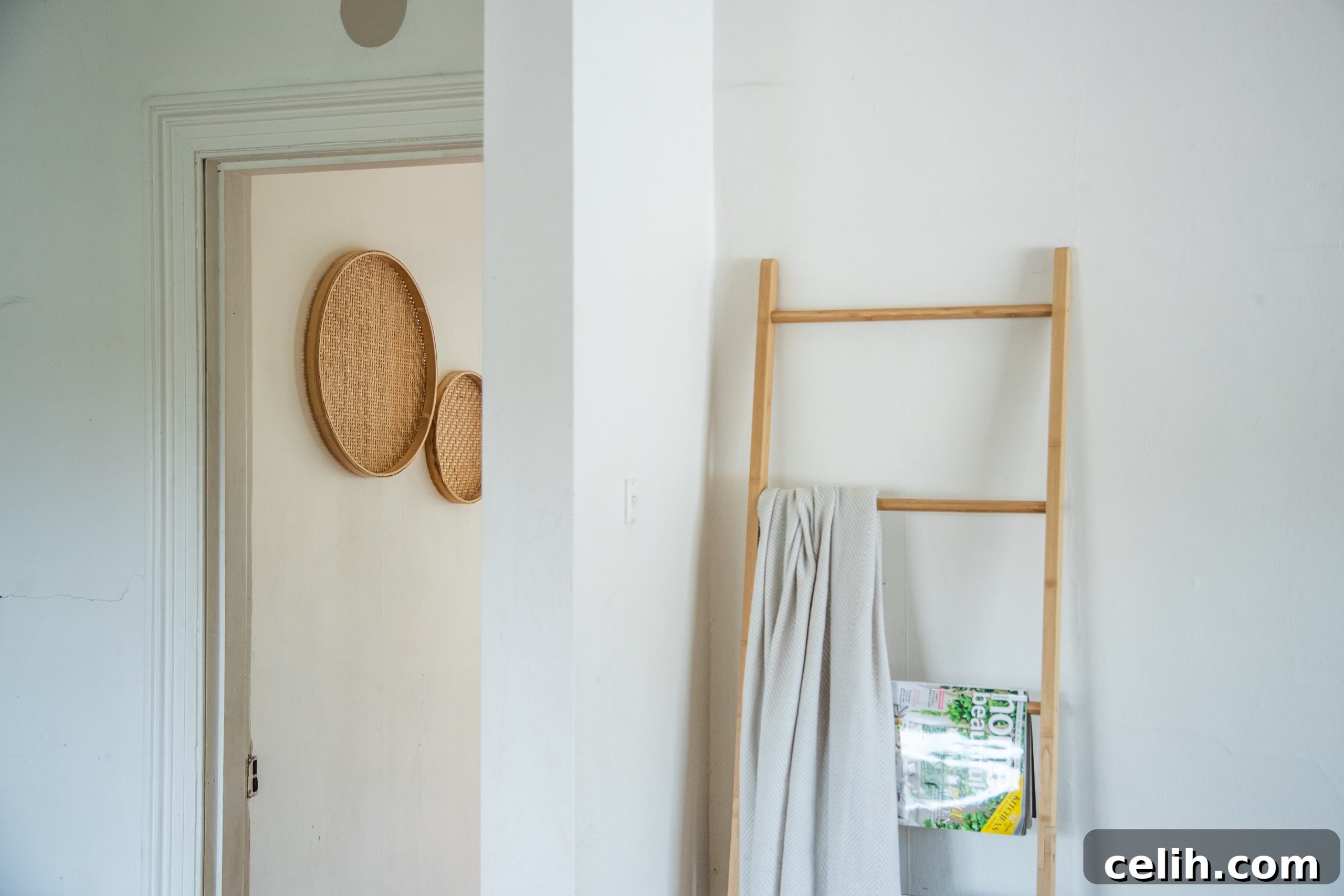
In an increasingly complex world, the allure of simplicity has never been stronger. Minimalist home design isn’t just a fleeting trend; it’s a profound philosophy that brings tranquility, functionality, and beauty into our living spaces. Emphasizing clean lines, essential furniture, and a harmonious palette of neutral colors, this design approach crafts uncluttered environments that feel both expansive and incredibly inviting. The result is a home that exudes a calm, relaxing atmosphere, free from the visual noise and distractions that often plague modern homes.
From the pages of high-end home decor magazines to popular lifestyle blogs and the serene homes of real-life advocates, minimalist aesthetics are everywhere. Whether you identify as a minimalist at heart, are seeking a more streamlined existence, or simply wish to enhance your home’s functionality and aesthetic appeal, embracing minimalist principles can transform your living experience. This comprehensive guide will explore eight foundational ideas to help you cultivate an elegant, simplified space that feels significantly larger and more serene than its physical dimensions suggest.
1. Embrace Multipurpose and Functional Furniture
At the core of minimalist home design lies the intelligent selection of furniture that transcends a single function. This concept is not merely about saving space; it’s about maximizing utility and reducing the overall number of items in a room, thereby contributing to an uncluttered aesthetic. Imagine a stylish ottoman that not only offers comfortable seating but also features hidden storage for blankets, books, or remote controls. Consider a sleek sofa that effortlessly converts into a comfortable guest bed, or a dining table that can be folded away or transformed into a compact desk when not in use. Modular shelving units that can be reconfigured to adapt to changing needs are another excellent example of this principle in action.
While multipurpose furniture might initially represent a higher investment, it is an investment in enduring quality and thoughtful design. Pieces crafted to serve multiple roles are often built with superior materials and construction to withstand diverse uses. This commitment to quality ensures longevity, making these items cherished fixtures in your home for years to come. By choosing fewer, more versatile pieces, you create a more adaptable and visually cohesive environment, perfectly embodying the minimalist ethos of efficiency and understated elegance.
2. Integrate Natural Elements with Thoughtful Plant Selection
In a minimalist space, where ornamentation is kept to a minimum, plants emerge as powerful decorative accents, introducing life, texture, and a soothing touch of nature. They offer a refreshing contrast to clean lines and neutral palettes, bringing organic shapes and vibrant greens that instantly elevate the aesthetic and purify the air. Even if wall space is limited or your desire is simply to infuse your minimalist design with a breath of fresh air, strategically placed plants are an excellent solution. When selecting plants, consider low-maintenance varieties that thrive indoors and are well-suited to your local climate.
Popular choices for minimalist interiors include snake plants, ZZ plants, succulents, and peace lilies, all known for their architectural forms and resilience. The choice of pots and planters is equally important; these can serve as subtle design elements themselves. Explore a wide array of styles and materials, from sleek ceramic and terracotta to concrete or woven baskets, to complement your home’s aesthetic. Materials Market, for instance, offers diverse options. For those without abundant natural light, consider growing plants indoors with artificial grow lights, expanding the possibilities almost limitlessly. Plants not only enhance visual appeal but also contribute to a calmer, healthier indoor environment, aligning perfectly with the holistic principles of minimalist living.
3. Curate Your Theme Colours with Intention
Creating a minimalist design doesn’t necessitate painting every wall a singular, stark color. Instead, the power lies in a thoughtful and unified approach to your color scheme, which can significantly influence the mood and perceived spaciousness of your home. A monochromatic color scheme, for instance, is an exceptionally effective way to unify your home design, creating a seamless flow between rooms and elements. This involves selecting one dominant color and then utilizing its various shades, tints, and tones throughout your space. For example, a room might feature light gray walls, a darker gray sofa, and accessories in varying shades of charcoal and silver.
Beyond monochromatic schemes, a palette of neutrals—whites, creams, beiges, and muted grays—forms the backbone of many minimalist interiors. These hues create a serene and expansive backdrop, allowing architectural details, natural light, and carefully chosen textures to shine. To prevent a neutral space from feeling bland, introduce subtle variations in texture through textiles like linen, wool, or cotton, and materials such as wood, stone, or metal. The easiest practical application is to choose a foundational neutral color for your walls and then introduce a single, subdued accent color through smaller elements like cushions, throws, or decorative objects. This considered approach ensures coherence and sophistication, making your home feel both peaceful and intentionally designed.
4. Mindfully Select and Place Accessories
Accessories, when chosen and displayed with intention, are the perfect means to infuse a minimalist room with personality, warmth, and a subtle splash of color without succumbing to clutter. The key is to adopt a “less is more” philosophy, opting for decorative items that are minimalist in their design and color palette. Think muted-colored throw blankets draped artfully over a sofa, a pair of elegantly simple decorative pillows, or a collection of handcrafted pottery pieces that add artisanal charm without overwhelming the eye. Each accessory should feel deliberate, either serving a purpose or holding significant aesthetic value.
Consider using candle holders not just for their light, but also as sculptural elements that introduce color or metallic accents. When choosing candles, opt for those with subtle or no scents to avoid overpowering the senses and to maintain a fresh atmosphere. Decorative baskets are another minimalist’s best friend; they are incredibly functional for discreetly hiding remote controls, magazines, or other small items that can quickly clutter tables and countertops. By selecting accessories that are beautiful, functional, and thoughtfully placed, you can add depth and character to your minimalist space, ensuring every item contributes to the overall sense of calm and order.
5. Harness the Transformative Power of Quality Lighting
Regardless of your chosen home décor style, lighting is an indispensable element that profoundly influences a space’s beauty, functionality, and atmosphere. In minimalist design, where simplicity reigns, lighting takes on an even greater significance, often serving as a focal point or a key architectural feature. Strategic lighting can dramatically alter the perception of space, mood, and even color within a room. For instance, investing in a few high-quality lamps—be it elegant floor lamps, sleek table lamps, or striking pendant fixtures—can introduce a warm, inviting glow that softens the clean lines characteristic of minimalist aesthetics.
Beyond general illumination, incorporating ambient lighting allows you to transform a large, open space into a more intimate and cozy sanctuary, ideal for unwinding, reading, or quiet reflection. Dimmable lighting systems offer unparalleled customization, allowing you to adjust the intensity to suit different times of day or activities, from bright task lighting to a soft, romantic glow. Natural light should also be maximized through uncluttered windows and reflective surfaces. With an abundance of innovative lighting options available today, from smart home systems to beautifully designed fixtures, take the time to explore solutions that not only fit your budget but also perfectly complement your unique design style, elevating your minimalist home to new levels of sophistication and comfort.
6. Embrace Simplicity in Design Choices
At its core, minimalist design celebrates the beauty of simplicity. This isn’t merely about having fewer items, but about choosing items whose design embodies clean lines, unadorned surfaces, and an absence of unnecessary embellishments. If your home currently features an abundance of highly decorative furniture, ornate accessories, or intricately patterned items, achieving a truly minimalist aesthetic will be considerably more challenging. The essence of this principle lies in a conscious preference for understated elegance.
Before embarking on your minimalist transformation, take a critical inventory of your existing possessions. Identify items that contribute to visual clutter through their complexity or sheer number. For instance, opt for a sofa with a simple silhouette rather than one with elaborate carvings. Choose lighting fixtures that are sleek and functional over overly decorative chandeliers. Embrace furniture made from natural materials with straightforward finishes. By actively selecting simpler designs, you cultivate an environment where every object feels intentional and harmonious, making your minimalist design journey far more effortless and rewarding. It’s about letting the quality of materials and the integrity of form speak for themselves.
7. Systematically Declutter Your Home
Decluttering is arguably the most fundamental and transformative step in creating a minimalist home. It’s the process of intentionally removing excess items that no longer serve a purpose, bring joy, or contribute to the overall aesthetic. This can be a particularly challenging endeavor for collectors, individuals with sentimental attachments to items, or those who appreciate vintage pieces often accompanied by numerous knick-knacks. The emotional weight attached to certain possessions can make the decision to let go incredibly difficult.
If you find yourself struggling with items of sentimental value, begin there. It’s perfectly acceptable to keep cherished mementos, but consider storing them thoughtfully in designated, out-of-sight locations rather than having them openly displayed and contributing to visual clutter. Explore various decluttering methodologies, such as the KonMari method or the “Swedish Death Cleaning” approach, to find a system that resonates with you. For valuable items you no longer wish to keep, consider selling them. Remember, decluttering is not about getting rid of everything you love; it’s about curating your collection, keeping only those items that genuinely add value, meaning, or beauty to your life. This ongoing process fosters a sense of lightness and freedom in your living space.
8. Make a Statement with Large-Scale Wall Art
In a minimalist interior, where surfaces are kept clean and decor is sparse, wall art becomes a powerful tool for defining a space and adding character. Far from being an afterthought, strategically chosen wall art can either enhance or detract from a room’s minimalist design. The secret to success lies in going big. Select large-scale art pieces for prominent walls, especially in high-traffic areas such as your living room, dining room, or a central hallway. A single, commanding piece of art can create an impactful focal point without introducing visual clutter.
Large artwork draws the eye upward, instantly creating an illusion of greater ceiling height and more expansive space. This visual trick works by providing a strong anchor point, which then makes the surrounding areas feel less empty and more intentional. Whether you opt for an abstract painting with a muted color palette, a striking black-and-white photograph, or a minimalist graphic print, ensure the piece resonates with your aesthetic. The key is to choose art that complements the room’s overall theme and color scheme, rather than competing with it. When a few carefully selected, large pieces adorn your walls, they introduce depth, interest, and sophistication, visually expanding the room and making it feel grander and more thoughtfully curated.
Conclusion: The Enduring Appeal of a Minimalist Home
As this guide illustrates, a minimalist home is far from being bland, cold, or sterile. Instead, it offers a sanctuary that can be both glamorous and profoundly welcoming. The essence of minimalism in design is to meticulously craft a cozy, comfortable, and highly functional space by eliminating superfluous clutter and unnecessary details. It’s about intentional living, where every item serves a purpose or brings joy, and every design choice contributes to a harmonious environment.
While the journey to creating a minimalist home might sometimes feel like an uphill battle, especially for those not naturally inclined towards paring down, the rewards are immense and long-lasting. The struggle to declutter, simplify, and curate your living space is always worthwhile. The outcome is a home that fosters peace, enhances productivity, and truly reflects a life lived with purpose and serenity. Embrace these principles, and discover the transformative power of a minimalist aesthetic in your own life.
Related posts for further inspiration:
How to achieve a minimalist kitchen
Minimalist home ideas
Modern minimalist bathroom ideas