
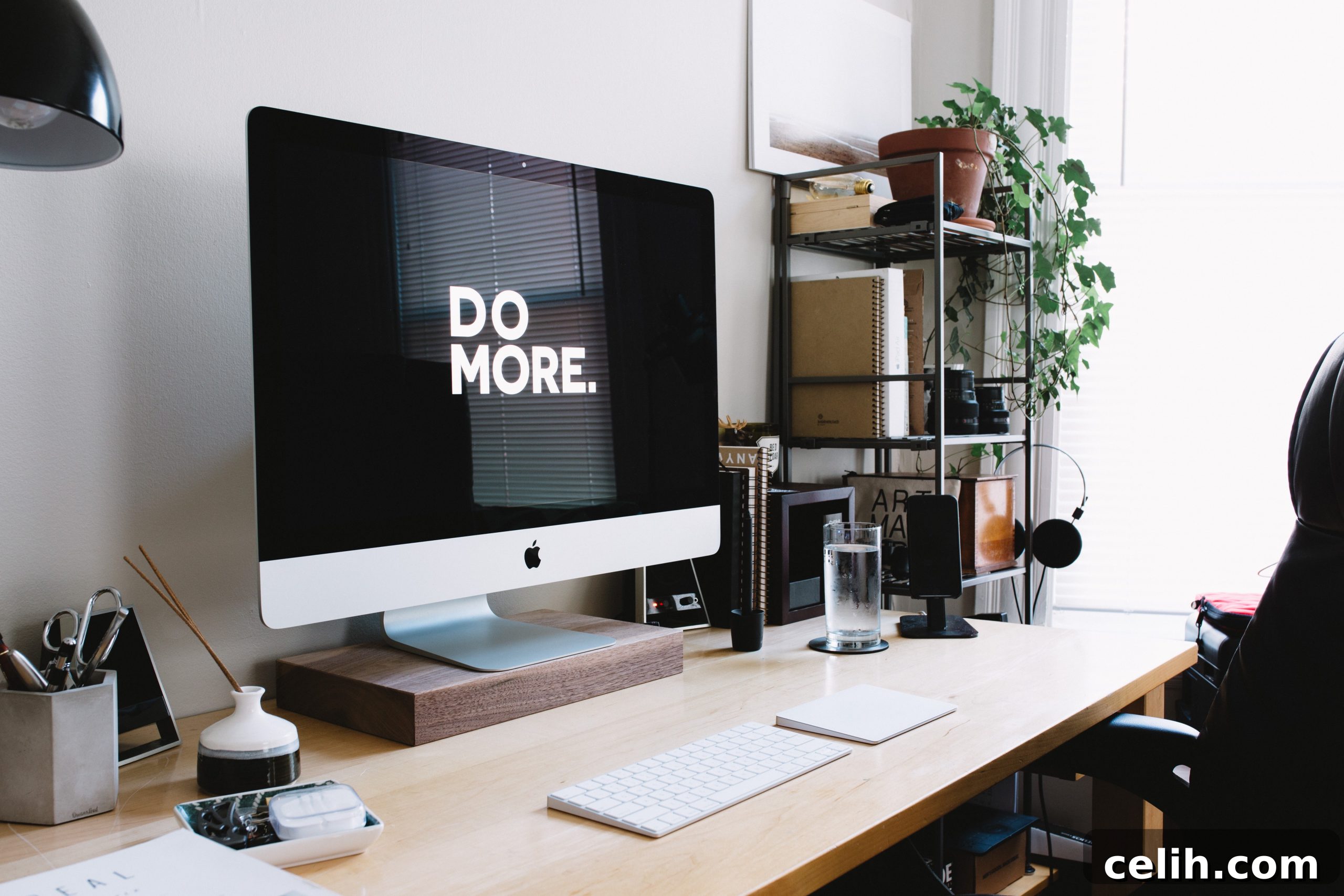
The global shift in 2020 irrevocably changed our perception of the traditional workspace. What was once confined to corporate buildings and cubicles quickly transformed, making way for the necessity and prominence of the home office. This evolution wasn’t merely a temporary adjustment; it established the home office as a critical environment for fostering productivity, inspiring creativity, and maintaining sharp focus in our daily professional lives. As we navigate this new era of work, designing a home office that perfectly blends functionality with aesthetic appeal is no longer a luxury but a fundamental requirement. Crafting such a space is essential not only for optimizing work output but also for sustaining motivation and overall well-being throughout the demanding work week.
A truly effective home office goes beyond just placing a desk and chair in an available corner. It demands thoughtful consideration of every element, from the structural foundation to the smallest decorative detail. The goal is to cultivate an atmosphere that actively supports your work style, reduces distractions, and promotes a healthy, engaging experience. This comprehensive guide will explore the key pillars of creating an ideal home office – focusing on ergonomics, organization, flooring, decoration, and lighting – ensuring your dedicated workspace is not just functional, but truly transformative for your remote work journey.
Ergonomic Furniture: The Cornerstone of Comfort and Health in Your Home Office
When setting up or upgrading your home office, the single most critical investment you can make is in ergonomic furniture. Considering the countless hours spent seated or standing, your furniture directly impacts your physical health, comfort, and ultimately, your productivity. Poor posture and inadequate support can lead to chronic back pain, neck strain, carpal tunnel syndrome, and reduced concentration, diminishing both your work quality and overall well-being. Prioritizing ergonomics ensures a healthy, pain-free foundation for your remote work setup.
At the heart of any ergonomic setup is a supportive office chair. This isn’t just about cushioning; it’s about providing dynamic support that promotes proper spinal alignment and reduces pressure points. Look for chairs with a comprehensive suite of adjustable features: lumbar support that can be raised, lowered, and adjusted for depth; armrests that can be set to the height of your desk to prevent shoulder strain; seat height adjustability to allow your feet to rest flat on the floor or a footrest; and even seat pan depth and tilt mechanisms. These customizable elements enable you to tailor the chair precisely to your body’s unique contours and preferences, supporting a neutral posture that minimizes fatigue during long work sessions.
Equally vital is your desk. A well-chosen desk provides ample surface area for your monitor, keyboard, mouse, and any essential documents, all while allowing you to maintain an ergonomic posture. However, modern ergonomic design often takes this a step further with the introduction of adjustable standing desks. These innovative desks offer unparalleled flexibility, enabling seamless transitions between sitting and standing throughout the day. Alternating postures can significantly reduce the sedentary risks associated with prolonged sitting, improve circulation, boost energy levels, and even enhance focus. Look for electric standing desks with memory presets for effortless height adjustments, making it easy to integrate movement into your daily routine. Investing in these key pieces of ergonomic furniture transforms your home office from a mere workstation into a sanctuary of health and efficiency.
Home Office Organization: Streamlining Your Space for Peak Efficiency and Focus
The impact of clutter on productivity and mental well-being cannot be overstated, especially within the confines of your home office. A disorganized workspace is a breeding ground for distractions, increasing stress levels and making it challenging to concentrate on critical tasks. In contrast, a well-organized office fosters clarity, promotes efficiency, and cultivates a sense of calm, allowing your mind to focus solely on the work at hand. Implementing strategic organizational solutions is paramount to creating a highly functional and productive home office environment.
To maintain a tidy and efficient space, embrace a variety of smart storage solutions. Filing cabinets, whether vertical or horizontal, are indispensable for managing physical documents, keeping sensitive information secure and out of sight. Open shelving units provide accessible storage for books, binders, and decorative items, adding both functionality and personality. Desk organizers, including pen holders, drawer dividers, and document trays, are essential for keeping smaller items within immediate reach while preventing visual clutter on your primary workspace. The key is to assign a specific place for everything, making it easy to find what you need and put things away promptly, thus minimizing visual noise and mental overload.
Beyond traditional storage, consider adopting a minimalist approach to your home office design. This philosophy advocates for keeping only the absolute essentials on your desk and within your immediate workspace. A clean, uncluttered surface encourages a focused mindset, reducing potential distractions and allowing for a more streamlined workflow. Complement physical organization with robust digital tools for document storage, project management, and communication. Cloud storage services, digital note-taking apps, and paperless invoicing systems can dramatically reduce paper clutter, enhance accessibility to important files from anywhere, and contribute to a more sustainable work practice. By thoughtfully organizing both your physical and digital assets, you create a powerful environment that supports uninterrupted workflow and sustained productivity, making your home office an optimized hub for success.
Flooring: Setting the Stage for Success and Comfort in Your Workspace
The choice of flooring in your home office plays a more significant role than you might initially imagine. It’s not just about aesthetics; the right flooring materially contributes to the overall comfort, acoustics, and even the ergonomic functionality of your workspace. Selecting appropriate flooring materials can enhance the professional atmosphere, improve sound dampening, and provide a comfortable underfoot experience that supports long hours of work, directly impacting your daily well-being and productivity.
For a sophisticated and enduring choice, many professionals gravitate towards wood flooring. Both solid wood and engineered wood options offer timeless beauty, durability, and a clean, professional look that complements almost any decor style. Solid wood flooring, known for its natural warmth and ability to be refinished multiple times, adds significant value and luxury to your office. Engineered wood flooring provides a similar aesthetic with added stability and often a more cost-effective price point, making it a highly practical choice. Both types are relatively easy to clean and maintain, and their smooth surfaces are ideal for office chairs with casters, allowing for effortless movement around your desk area without snagging or resistance.
If you’re seeking a softer, warmer, and more acoustically friendly option, carpet might be the perfect fit for your home office. Carpet excels at absorbing sound, which is particularly beneficial in a home setting where ambient noise can be a distraction, helping to create a quieter, more focused environment. It provides exceptional comfort underfoot, adding a cozy and inviting feel to your workspace. Available in a vast array of colors, textures, and patterns, carpet offers immense design versatility. However, if you use an office chair with rollers, ensure you choose a low-pile or commercial-grade carpet that can withstand the constant movement without significant wear and tear, or consider investing in a durable chair mat to protect the carpet and facilitate smoother chair mobility. Whether you opt for the elegance of wood or the comfort of carpet, prioritizing a flooring solution that aligns with your specific needs and enhances the functionality of your home office is crucial for establishing a successful work environment.
Decoration: Inspiring Creativity and Focus Through Thoughtful Design
Beyond mere aesthetics, the decoration of your home office holds significant power to influence your mood, creativity, and overall focus. By thoughtfully incorporating elements that inspire and personalize your space, you can transform a simple workstation into a vibrant hub of innovation and concentration. Your environment should be a reflection of your aspirations, a visual anchor that keeps you motivated and engaged throughout your workday.
Surrounding yourself with visually stimulating imagery or meaningful artwork can serve as a powerful wellspring of inspiration, especially when facing creative blocks. Choose pieces that resonate with your personal taste, evoke positive emotions, or feature motivational quotes that align with your professional goals. Whether it’s abstract art, landscape photography, or graphic designs, the right visual stimuli can spark new ideas and provide a welcome mental refresh. Similarly, infusing your office with colors known to boost productivity or evoke calmness, such as soothing blues and greens or energetic yellows, can subtly impact your psychological state.
Integrating plants into your home office decor is another highly effective and innovative idea. Beyond their aesthetic appeal, scientific studies have shown that indoor plants can significantly improve air quality by filtering toxins, reduce stress levels, and even enhance cognitive performance and concentration. This connection to nature, known as biophilia, can make your workspace feel more vibrant and less sterile. Opt for low-maintenance plants like succulents, snake plants, ZZ plants, or Pothos, which thrive in various indoor environments and require minimal attention, making them perfect companions for busy professionals. Their presence adds a touch of natural beauty and promotes a healthier atmosphere.
While maintaining a clutter-free environment is important for focus, strategically including personal touches can make your office feel uniquely yours – a comfortable and motivating space where you genuinely want to spend time. This could involve displaying cherished family photos, mementos from memorable travels, awards, or small curated collections that hold sentimental value. These personal items serve as reminders of your life outside of work, adding warmth and personality without overwhelming the space. The key is balance: create an office that feels professionally stimulating yet personally comforting, ensuring every decorative choice contributes positively to your productivity and well-being.
Lighting: Illuminating Your Workspace for Optimal Productivity and Well-being
The importance of proper lighting in your home office cannot be overstated; it is a fundamental element that directly influences your mood, visual comfort, and overall productivity. Inadequate or poorly designed lighting can lead to eye strain, headaches, fatigue, and even disrupt your circadian rhythm, all of which detract from an effective work environment. Conversely, a well-lit space enhances alertness, reduces discomfort, and makes tasks easier to perform, contributing significantly to a productive home office.
Maximizing natural light is always the ideal starting point for any home office setup. Position your desk near a window whenever possible to leverage daylight exposure, which has been shown to enhance mood, boost energy levels, and improve cognitive function. Natural light is dynamic and refreshing, providing a sense of connection to the outside world. To mitigate glare on your monitor, consider adjustable blinds, shades, or sheer curtains that can diffuse harsh sunlight without completely blocking the light. Strategic placement can also help you avoid direct overhead sun, which can cause shadows and uneven lighting.
Since natural light alone is often insufficient, especially during darker hours or on overcast days, it’s crucial to supplement it with carefully chosen artificial lighting. A layered lighting approach is best, combining ambient (general room lighting), task, and potentially accent lighting. Task lighting, such as a high-quality desk lamp, is essential for providing direct, focused illumination on your work surface, reducing shadows and eye strain during detailed tasks like reading or writing. Overhead fixtures provide ambient light, ensuring the room is evenly lit without harsh contrasts. Look for LED options for energy efficiency and longevity.
Consider the color temperature of your lighting fixtures as well. Light is measured in Kelvin (K), with lower numbers indicating warmer, more yellow light and higher numbers indicating cooler, bluer light. For a productive home office, cool white or daylight bulbs (typically ranging from 4000K to 6500K) are often recommended. These temperatures simulate natural sunlight, promoting alertness, focus, and accurate color rendering. Warm white light (2700K-3000K) is more relaxing but can make you feel drowsy. Dimmable lighting options are also a valuable feature, providing flexibility to adjust brightness levels according to your preference, the time of day, and the specific task at hand, preventing both under-illumination and over-illumination. By carefully curating your home office lighting, you create an environment that supports visual health, sustained focus, and elevated productivity throughout your workday.
Creating a Productive Home Office: Your Blueprint for Success
In the evolving landscape of modern work, the home office has transitioned from a temporary solution to an indispensable and permanent fixture in our professional lives. Crafting a space that is not only functional but also deeply inspiring is key to thriving in this new paradigm. By prioritizing ergonomic furniture, implementing smart organizational solutions, selecting comfortable and durable flooring, curating influential decor, and optimizing your lighting strategy, you are building more than just a room – you are creating a dedicated ecosystem designed for your success.
Each element discussed contributes synergistically to a cohesive and high-performing workspace. Ergonomics protect your physical health, ensuring comfort during long hours. Strategic organization clears mental clutter, enhancing focus and efficiency. Thoughtful flooring choices improve comfort and acoustics. Inspirational decor sparks creativity and personalizes your environment, fostering a sense of belonging and motivation. And finally, optimized lighting supports visual comfort and sustains alertness, reducing fatigue. Together, these components forge a sanctuary where you can concentrate, innovate, and achieve your professional goals without compromise.
Your home office should be a reflection of both your practical needs and your unique personality. It’s an investment in your productivity, your well-being, and your future career trajectory. Embrace these design principles to cultivate an environment that not only meets the demands of remote work but also provides a continuous source of motivation and focus. By designing with intention, you create a powerful workspace that empowers you to excel, transforming your home into a true hub of professional achievement and personal fulfillment.