
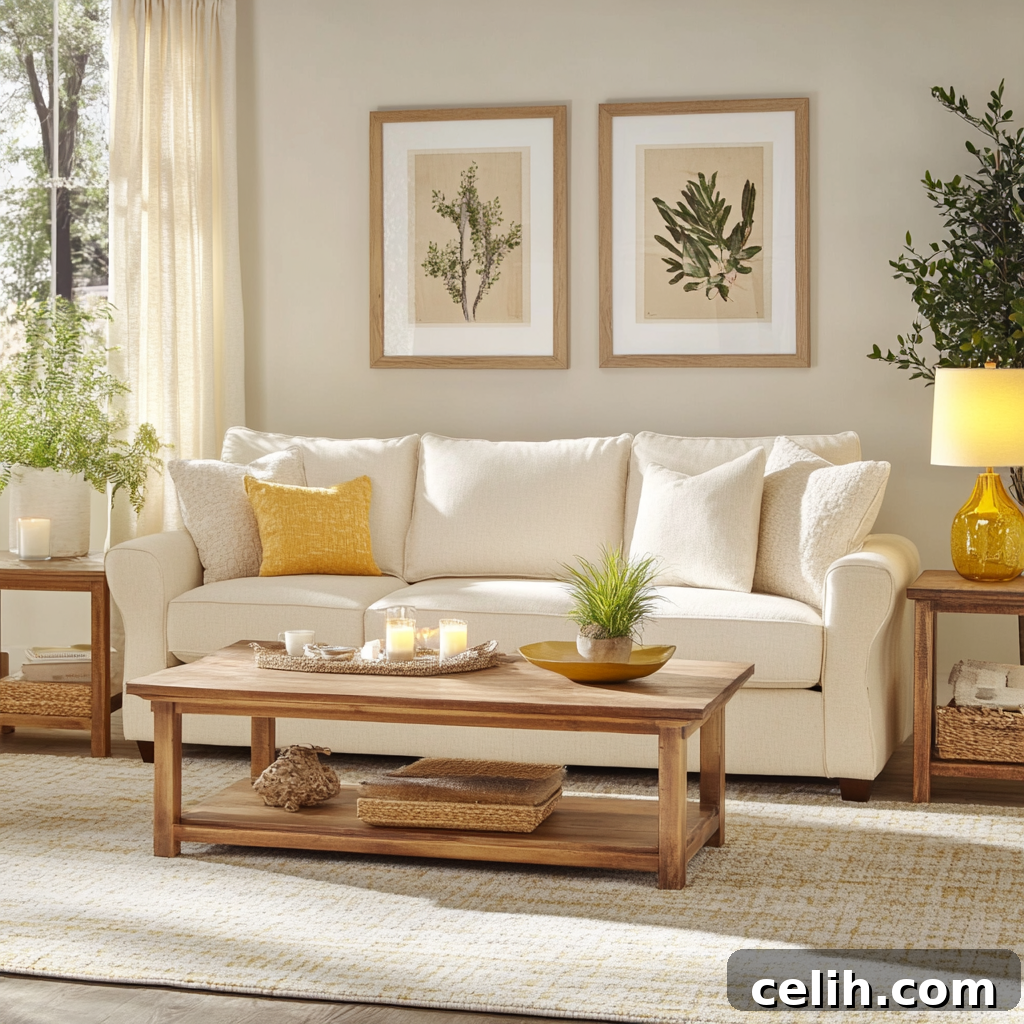
Maximizing Natural Light: Transform Your Home with Brighter, More Welcoming Spaces
Natural light possesses an extraordinary ability to transform any home, elevating its ambiance, promoting well-being, and enhancing its aesthetic appeal. It bathes interiors in warmth, creates a visibly brighter and more welcoming atmosphere, and significantly contributes to a positive mood. By reducing the reliance on artificial lighting, homeowners can also enjoy energy savings and a more sustainable lifestyle. Moreover, rooms saturated with natural light often feel more expansive and open, adding a sense of grandeur to even modest spaces. Whether you’re embarking on a comprehensive home renovation or considering a few strategic upgrades, prioritizing the maximization of daylight should be at the forefront of your design agenda. Many discerning homeowners today seek expert guidance from reputable teams like GIA Renovations, renowned for their specialization in crafting homes that exude openness, brightness, and a beautifully balanced connection to their surroundings.
Below, we delve into the most effective and innovative strategies for significantly increasing natural light during a home renovation, empowering you to harness every sun-lit opportunity and create truly luminous living environments.
Strategic Light Path Assessment: Understanding Your Home’s Unique Illumination
Before implementing any structural modifications, a thorough understanding of how sunlight interacts with your property is paramount. This initial assessment forms the bedrock of any successful light-enhancing renovation. Take time to observe your home throughout different seasons and at various times of the day. Consider these crucial aspects:
- Peak Sunlight Exposure: Identify where the most intense and beneficial sunlight falls throughout the day. Which facades receive morning light, and which are bathed in afternoon warmth? Understanding these patterns will inform window placement and room functions.
- Identifying Dim Areas: Pinpoint rooms or corners that consistently feel dim, shadowed, or lack adequate natural illumination. These are prime candidates for targeted light-boosting interventions.
- External Obstructions: Evaluate how surrounding elements such as neighboring buildings, fences, mature trees, or dense landscaping cast shadows and obstruct incoming daylight. Strategic pruning or landscape adjustments can sometimes yield surprising results.
- Room Orientation and Function: Analyze the orientation of your primary living areas, bedrooms, and workspaces. Aligning these spaces with optimal natural light exposure can dramatically improve their functionality and comfort. For instance, northern light (in the Southern Hemisphere) is consistent and diffused, ideal for art studios or home offices, while eastern light is bright and energizing for kitchens and breakfast nooks.
Engaging a professional designer or an experienced building team can prove invaluable during this phase. They possess the expertise to accurately map out your home’s natural light potential, utilizing specialized tools and knowledge to recommend strategic upgrades that not only enhance illumination but also seamlessly align with your family’s lifestyle, architectural style, and budget.
Embrace Openness: Revolutionizing Your Floor Plan for Enhanced Light Flow
One of the most transformative strategies for allowing natural light to permeate every corner of your home is to open up the floor plan. By systematically removing unnecessary physical barriers, you create unobstructed pathways for light to travel freely and effortlessly throughout the entire dwelling. This could involve the removal of a non-load-bearing internal wall to merge a kitchen and dining area, widening an existing doorway to connect previously separate spaces, or completely reconfiguring how your kitchen, dining, and living areas harmoniously integrate. The objective is to establish clearer sightlines and expansive zones where light can spread without interruption.
Even in situations where full wall removal isn’t feasible or desired, innovative solutions exist. The incorporation of transparent or semi-transparent room dividers – such as glass partitions, decorative screens, or even open shelving units – can make a remarkable difference. These elements maintain a sense of separation while allowing light to filter through, preserving the feeling of spaciousness. Once light is liberated and encouraged to travel, even the most compact or historically confined spaces begin to feel significantly larger, brighter, and infinitely more inviting, fostering an atmosphere of contemporary comfort and connectivity.
Expand Your Horizons: Adding or Enlarging Windows for Maximum Impact
If your renovation project allows for structural modifications, upgrading or adding windows offers arguably the most significant impact on your home’s natural light intake. Windows are not merely openings; they are portals that connect your interior to the outside world, bringing in light, views, and a sense of expansiveness.
Consider the following impactful window upgrades:
- Larger Windows: Swapping out small, inefficient windows for larger counterparts can dramatically boost the amount of light entering a room. This is a straightforward yet highly effective way to brighten any space.
- Floor-to-Ceiling Glazing: For a truly modern, airy, and luxurious effect, consider installing floor-to-ceiling windows. These expansive glass panels not only maximize light intake but also blur the lines between indoor and outdoor spaces, creating an uninterrupted visual flow and a breathtaking connection to your garden or views.
- Bifold or Sliding Glass Doors: These versatile systems serve a dual purpose: they function as vast windows when closed, flooding rooms with light, and when opened, they completely transform a wall into an expansive entryway to outdoor living areas. Perfect for seamlessly integrating patios, decks, or alfresco dining spaces with your interior.
- Corner Windows: Designed to wrap around the corner of a room, these architectural features allow light to stream in from two different directions, significantly increasing overall brightness and offering unique panoramic views. They add a sophisticated, contemporary edge to any design.
Beyond increasing light, modern window technology plays a crucial role. Opting for energy-efficient glazing, such as low-E (low-emissivity) coatings or double/triple-pane units, ensures superior thermal performance. This means you can enjoy abundant natural light without compromising on indoor comfort, effectively minimizing heat gain in summer and heat loss in winter, leading to lower energy bills and a more comfortable home year-round. Frame materials like thermally broken aluminium, timber, or uPVC also contribute to energy efficiency and design aesthetics.
Harnessing Overhead Light: The Brilliance of Skylights and Roof Windows
For areas of the home where traditional vertical windows are either impractical or impossible – such as internal hallways, centrally located bathrooms, deep-plan living spaces, or attic conversions – skylights and roof windows offer an exceptional solution for introducing abundant daylight from above. This overhead light is often the brightest and most consistent, unaffected by surrounding buildings or ground-level obstructions, providing a dramatic wash of illumination that can profoundly alter a space.
Popular and effective options include:
- Fixed Skylights: These non-opening units are perfect for maximizing light in areas where ventilation isn’t a primary concern, such as hallways or stairwells. They are typically cost-effective and low-maintenance.
- Venting Skylights: Ideal for moisture-prone areas like bathrooms and kitchens, or for introducing passive ventilation into living spaces. These can be manual, electric, or even solar-powered, often coming with integrated rain sensors for convenience.
- Tubular Skylights (Sun Tunnels): Designed for compact areas or where a full skylight isn’t feasible. These small, reflective tubes channel daylight from the roof through the ceiling, delivering surprisingly bright and diffused light to closets, laundries, or small corridors without significant structural work.
- Roof Windows: Specifically designed for lofts, attic conversions, or rooms with pitched roofs, roof windows open like traditional windows, allowing for both light and ventilation, and often providing stunning views of the sky or surrounding landscape.
Careful positioning is key. Consider orienting skylights to capture specific lighting effects – an east-facing skylight will flood a kitchen with invigorating morning sun, while a west-facing one might bring warm, golden light to a living room in the afternoon. Modern skylights also offer options for integrated blinds or smart controls, allowing you to manage light intensity, privacy, and thermal performance with ease.
The Power of Reflection: Choosing Light-Enhancing Materials and Finishes
Even without undertaking major structural changes, the selection of materials and finishes can make an astonishing difference in how bright and open your home feels. These elements work synergistically to reflect and amplify existing light, making it travel further and appear more abundant.
Consider these impactful choices:
- Light-Coloured Walls: The most immediate and effective change. Soft whites, creamy neutrals, gentle greys, and pale pastels instantly bounce light around a room rather than absorbing it. A crisp white can make a small room feel vast, while warmer neutrals create an inviting glow.
- Gloss and Satin Finishes: Beyond colour, the sheen of your paint or surfaces matters. High-gloss and satin finishes inherently possess a reflective quality, helping to distribute light more effectively throughout a space. Matte finishes, while popular for their contemporary look, absorb more light.
- Polished or Pale Flooring: The floor is a significant surface area. Highly polished tiles, light-coloured polished concrete, pale timber, or light-toned carpets can reflect light upwards, making rooms appear brighter and ceilings feel higher.
- Incorporating Glass and Mirrored Surfaces: Strategically placed mirrors are an interior designer’s secret weapon for maximizing light. Position them opposite windows to visually double the light source and expand the perception of space. Beyond feature mirrors, consider mirrored furniture, glass tabletops, or reflective splashbacks in kitchens and bathrooms. These elements add visual interest while actively contributing to a lighter aesthetic.
Collectively, these material and finish selections work in harmony to enhance the natural light within your home, ensuring that even indirect light is leveraged to its fullest potential, fostering an overall feeling of brightness, airiness, and spaciousness.
Seamless Transitions: Upgrade to Glass Interior Doors
Interior doors, often solid and opaque, can act as significant barriers to light flow within a home. By replacing these traditional solid doors with alternatives featuring glass or frosted glass, you enable light to travel unimpeded between rooms without sacrificing essential privacy. This strategic upgrade is particularly effective in areas such as long hallways, laundries, home offices, and internal living spaces that are positioned between brighter, window-filled rooms.
Options range from clear glass doors that promote maximum transparency and visual connection, to frosted, reeded, or obscured glass options that diffuse light beautifully while maintaining discretion. Semi-transparent doors allow daylight to permeate deep into the home’s core, illuminating otherwise dark corridors and creating a more cohesive, brighter living environment. This simple yet impactful change can dramatically enhance the overall sense of openness and light diffusion throughout your interior.
Thoughtful Drapery: Reworking Your Window Treatments
The impact of your window treatments on the amount of natural daylight a room receives is often underestimated. Heavy, dark, or outdated coverings can obstruct a significant portion of light, even when pulled open. Rethinking and upgrading your window treatments offers an immediate and often cost-effective way to brighten your space instantly.
Consider these light-optimizing alternatives:
- Sheer Curtains: These lightweight, transparent fabrics create a soft, ethereal ambiance, allowing ample light to filter through while still offering a degree of privacy and adding gentle texture and elegance to your interiors. They soften harsh sunlight and prevent glare.
- Translucent Blinds: Designed to permit light penetration without full visibility, translucent blinds are excellent for maintaining privacy while ensuring your rooms remain bathed in natural light. They come in various styles, including roller, Roman, or Venetian, offering flexibility in design.
- Adjustable Plantation Shutters: These provide exceptional control over light and privacy. Their louvered design allows you to angle the slats to direct light upwards or downwards, block harsh sun, or open them fully for maximum illumination throughout the day. They also add a timeless architectural element.
- Minimalist Roller Shades: For a sleek, modern, and uncluttered look, simple roller shades are an ideal choice. When fully retracted, they disappear almost entirely, leaving windows completely unobstructed to welcome the outdoors in. Light-coloured, semi-transparent fabrics can further enhance their light-boosting capabilities.
Beyond the type of treatment, also consider the way they are installed. Mounting curtain rods wider and higher than the window frame allows curtains to be pulled completely clear of the glass, maximizing the visible window area and thus, the light intake.
Streamline Your Space: Declutter and Reconfigure Your Layout
Sometimes, the perception of a lack of natural light isn’t solely due to the absence of windows, but rather the internal configuration of the room itself. Bulky furniture, excessive décor, or an ill-conceived layout can inadvertently obstruct the path of natural light, preventing it from reaching its full potential. A thoughtful decluttering and reconfiguration of your space can dramatically improve light distribution.
Try implementing these spatial adjustments:
- Position Furniture Strategically: Avoid placing large pieces of furniture directly in front of windows. Instead, arrange seating and storage solutions to either side of light sources, allowing windows to remain clear.
- Opt for Low-Profile Furniture: In smaller rooms, choose furniture pieces with lower profiles and open designs. This minimizes visual obstruction and allows light to flow more freely across the room, enhancing the sense of space and brightness.
- Minimise Bulky Décor and Dark Accessories: Overly ornate, large, or dark accessories can absorb light and make a room feel heavy. Swap them for lighter, simpler pieces that reflect light, such as glass vases, polished metals, or light-coloured textiles.
- Embrace Open Shelving: Where possible, replace closed cabinetry or heavy bookcases with open shelving units. This creates visual lightness, prevents walls from feeling oppressive, and allows light to penetrate further into the room.
A clean, streamlined, and intentionally arranged layout empowers natural light to perform its job unimpeded, creating an environment that feels airy, calm, and effortlessly bright.
Reflect and Multiply: The Art of Mirrored and Reflective Décor
Mirrors are one of the most effective, versatile, and often surprisingly affordable tools for dramatically maximizing daylight within any interior. Their ability to reflect light and create an illusion of depth makes them invaluable in brightening dark corners and expanding the perceived size of a room. Position them strategically to amplify their effect:
- Opposite Windows: Placing a large mirror directly opposite a window will essentially double the light source, bouncing natural light deep into the room. It also brings the outdoor view indoors, enhancing the connection to nature.
- In Darker Nooks or Hallways: A well-placed mirror can brighten naturally dim areas, making them feel less enclosed and more inviting. Consider a gallery wall of smaller mirrors to distribute light even further.
- Mirrored Furniture and Surfaces: Incorporating furniture pieces with mirrored accents, such as a coffee table, console, or wardrobe, adds reflective surfaces that catch and diffuse light throughout the day.
- Metallic Finishes and Glass Tabletops: Beyond mirrors, other reflective elements contribute to increased brightness. Metallic accents in décor (e.g., polished chrome, brass, or silver), glass tabletops, and even high-gloss lacquer finishes on furniture can subtly amplify light, adding a touch of glamour without overpowering the design.
These reflective elements act as silent partners to your natural light strategy, subtly yet powerfully working to distribute brightness and enhance the overall luminosity of your home.
Seamless Harmony: Connecting Indoor and Outdoor Spaces
A fundamental principle of modern Australian home design is the effortless integration of indoor and outdoor living areas. This connection not only invites an abundance of sunlight into your home but also creates a seamless flow and expansive feeling between your interior comfort and the natural environment beyond. When the boundaries between inside and out are blurred, your home feels significantly larger, airier, and more connected to its surroundings.
Effective strategies for forging this vital connection include:
- Installing Large Sliding or Stacking Doors: These broad door systems can entirely open up a wall, creating an expansive aperture that merges an interior living room with an outdoor patio or garden. They offer maximum light penetration and ventilation when open.
- Adding Verandas or Pergolas with Adjustable Slats: While providing essential shade, well-designed verandas or pergolas can still allow filtered light to enter. Adjustable louvered roofs offer the flexibility to control sunlight and shade throughout the day, ensuring comfortable outdoor use and optimal indoor light.
- Creating Cohesive Outdoor Living Zones: Design your outdoor areas to be an extension of your indoor spaces. Matching flooring materials, consistent colour palettes, and harmonious furniture styles can visually draw the eye outward, extending the perceived boundaries of your living area and inviting more light in.
- Maintaining a Bright, Open Backyard or Garden Aspect: Ensure that your garden or backyard is well-maintained and doesn’t feature overly dense planting or tall structures that could block light. Strategic landscaping can open up views and allow sunlight to reach your home more effectively.
Incorporating lush greenery and vibrant planting into your outdoor spaces further softens the incoming light, adds a refreshing visual element, and enhances the overall biophilic appeal of your home. This holistic approach not only maximizes natural light but also significantly enriches the living experience.
Final Thoughts: Illuminating Your Home for a Brighter Future
Enhancing natural light is undeniably one of the most rewarding objectives you can pursue in a home renovation. It’s a design goal that transcends mere aesthetics, profoundly improving your home’s overall comfort, increasing its inherent value, and significantly boosting its aesthetic appeal. The benefits extend far beyond visual brightness, encompassing improved mood, enhanced productivity, and a tangible connection to the rhythm of the day.
Whether your transformation involves enlarging existing windows, strategically installing new skylights, refreshing your interior with a lighter colour palette, or undertaking the more ambitious project of opening up your floor plan, each thoughtful design choice contributes to a noticeable and lasting difference. With the expert guidance and meticulous execution from dedicated renovation specialists, you can truly transform your home into a sanctuary that feels lighter, brighter, more expansive, and beautifully aligned with the relaxed yet sophisticated Australian lifestyle. Invest in light, and you invest in the enduring joy and livability of your home.