
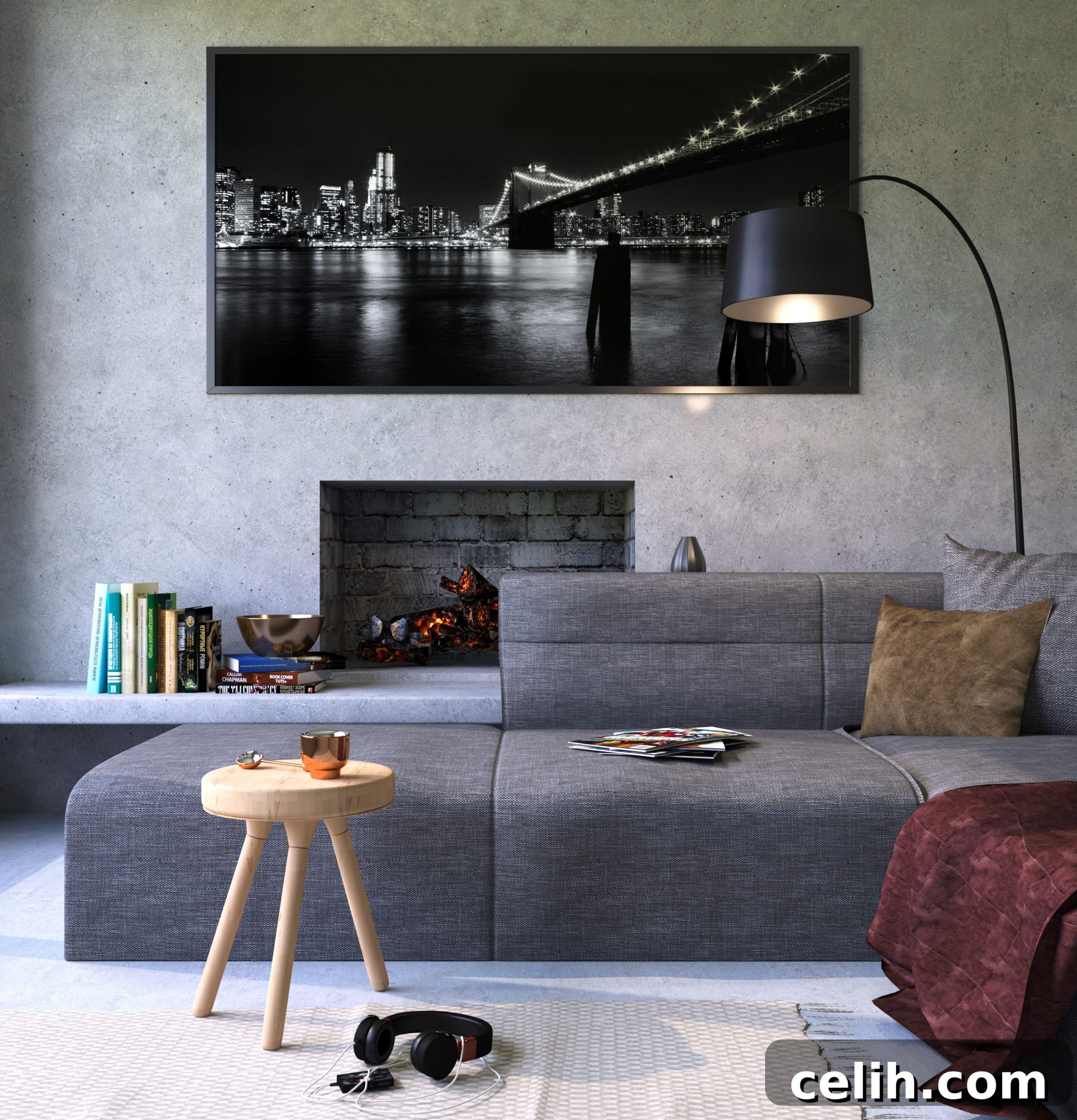
Lighting is far more than just a source of illumination; it’s a powerful design tool that can dramatically shape the perception and atmosphere of any room in your home. Once you’ve envisioned your interior design theme, the next crucial step is to meticulously plan your lighting scheme. Thoughtful lighting can highlight architectural features, define different zones, enhance specific activities, and ultimately set the mood for both residents and guests. It’s the silent orchestrator of ambiance, influencing everything from productivity to relaxation. Are you looking to create a cozy sanctuary, a vibrant entertaining space, or a highly functional work area? Understanding the nuances of lighting design is the key to unlocking your home’s full potential.
The Art of Lighting Placement: Crafting the Perfect Illumination
The placement of your lighting fixtures is fundamental to achieving your desired effect. A single central light source, while providing general illumination, often distributes light evenly, potentially leaving certain areas dim or creating a flat, uninspired look. True lighting mastery lies in layering different types of light to achieve depth, flexibility, and visual interest.
Consider three primary categories of lighting: ambient, task, and accent.
- Ambient Lighting: This is your room’s general illumination, providing overall brightness and setting the foundational mood. Examples include overhead fixtures like chandeliers, flush-mount lights, semi-flush mounts, and recessed lighting. It’s crucial for safety and general visibility, ensuring you can move comfortably through the space. When planning ambient light, think about the room’s size and how much light is needed to fill it without being overly harsh.
- Task Lighting: As the name suggests, task lighting is focused illumination designed to help you perform specific activities. This is where precision matters. In a kitchen, under-cabinet lights brighten countertops for cooking and food preparation, saving you from relying on the main ceiling light. In a home office, a desk lamp reduces eye strain during reading or computer work. Reading nooks benefit greatly from a well-placed floor lamp or a focused wall sconce. Consider areas where detailed work occurs – sewing corners, vanity mirrors, or children’s study desks – and provide adequate, glare-free task lighting. Websites like Pagazzi.com offer a wide selection of table lamps that are perfect for enhancing specific work or leisure zones.
- Accent Lighting: This type of lighting is all about drama and highlighting specific features. It draws the eye to artwork, architectural details, houseplants, or treasured collections. Recessed lights with adjustable gimbals, track lighting, or even small picture lights are excellent for accentuating focal points. Imagine placing subtle lights within bookshelves to showcase your literary collection or using uplighting to emphasize a textured wall. Accent lighting adds depth and dimension to a room, creating visual pathways and moments of intrigue.
By strategically combining these three layers, you create a dynamic and functional lighting scheme that can adapt to various needs and moods throughout the day. Don’t forget to consider how natural light enters your room and how artificial lighting can complement or extend its presence, especially during darker hours.
Embracing the Future: Intelligent Smart Lighting Solutions
For those looking to truly elevate their home’s lighting capabilities, investing in smart lighting is the next logical step. Smart lighting transcends basic on/off functionality, offering unparalleled convenience, energy efficiency, and atmospheric control. Imagine adjusting the brightness, color, or even turning lights on and off with a simple tap on your smartphone, a voice command, or a programmed schedule.
The benefits of integrating smart lighting into your home are extensive:
- Unmatched Convenience: Control individual lights or entire groups from anywhere, whether you’re relaxing on the couch or halfway across the globe. Schedule lights to turn on before you arrive home, or have them gradually dim as you drift to sleep. Integration with smart home assistants like Alexa or Google Home allows for hands-free operation, making daily routines smoother and more intuitive.
- Enhanced Energy Efficiency: Smart lighting systems, particularly when paired with LED bulbs, are incredibly energy-efficient. Features like dimming capabilities significantly reduce power consumption. You can program lights to turn off automatically when a room is vacant using motion sensors, or set schedules to ensure lights aren’t left on unnecessarily, leading to tangible savings on your energy bills. This “going green” approach is not just environmentally friendly but also economically smart.
- Dynamic Mood and Ambiance Creation: This is where smart lighting truly shines. With the ability to instantly change brightness and color temperature (and often even the full spectrum of colors), you can transform the mood of a room in seconds. Create a vibrant, cool-toned environment for working, a warm, soft glow for a romantic dinner, or a playful, color-changing scene for a party. The flexibility to create and save personalized lighting scenes empowers you to adapt your home’s atmosphere to any occasion or personal preference.
- Improved Security: Smart lighting can deter potential intruders by mimicking occupancy. Schedule lights to turn on and off at random intervals when you’re away, giving the impression that someone is home. Some systems can even integrate with security cameras or doorbell cameras, triggering lights when motion is detected.
From individual smart bulbs that simply screw into existing fixtures to fully integrated smart switches and custom intelligent lighting strips, there are smart lighting solutions available for every budget and technical comfort level. They represent a significant upgrade, making your home more adaptive, efficient, and enjoyable.
Exploring Diverse Lighting Styles and Fixtures
The aesthetic appeal of your lighting fixtures plays a crucial role in defining your home’s overall style. Whether you lean towards a sleek, contemporary vibe or a timeless, classic elegance, there’s a vast array of lighting styles to complement your chosen decor. The key is to select fixtures that not only provide adequate light but also act as cohesive design elements.
- Modern and Contemporary: Characterized by clean lines, minimalist designs, and often geometric shapes. Materials frequently include polished metals (chrome, brushed nickel), glass, and sometimes concrete or raw wood. Industrial-inspired fixtures with exposed bulbs and metal cages also fall under this umbrella, offering an edgy, urban feel.
- Classic and Traditional: These styles often feature ornate details, symmetrical designs, and rich materials like brass, bronze, crystal, and fabric shades. Chandeliers with multiple arms and delicate embellishments are quintessential traditional pieces, as are elegant wall sconces and decorative table lamps with intricate bases.
- Rustic and Farmhouse: Embracing natural textures and a lived-in feel, these fixtures often incorporate wood, wrought iron, distressed metals, and sometimes burlap or linen shades. They evoke a sense of warmth, comfort, and connection to nature.
- Bohemian and Eclectic: For those who love global influences and unique finds, bohemian lighting features unique materials like rattan, macrame, colored glass, and intricate patterns. It’s about mixing and matching to create a personalized, free-spirited look.
- Transitional: A popular choice, transitional lighting strikes a balance between modern and traditional elements. It offers the comfort of classic forms with the updated simplicity of contemporary finishes, making it versatile for many home styles.
Beyond style, consider the type of fixture itself:
- Pendants: Hanging from the ceiling, ideal for kitchen islands, dining tables, or as accent lighting in corners.
- Chandeliers: Grand, decorative fixtures that serve as a focal point, often in dining rooms or entryways.
- Wall Sconces: Mounted on walls, providing ambient or accent lighting, perfect for hallways, staircases, or flanking a fireplace.
- Floor Lamps: Portable and versatile, they add ambient or task lighting to reading nooks or living room corners.
- Table Lamps: Essential for task lighting on bedside tables, desks, or side tables, they also contribute significantly to the room’s decor through their bases and shades.
- Recessed Lights: Integrated into the ceiling for a clean, unobtrusive look, providing general or accent lighting.
- Track Lighting: A rail system with adjustable heads, excellent for highlighting artwork or providing flexible task lighting.
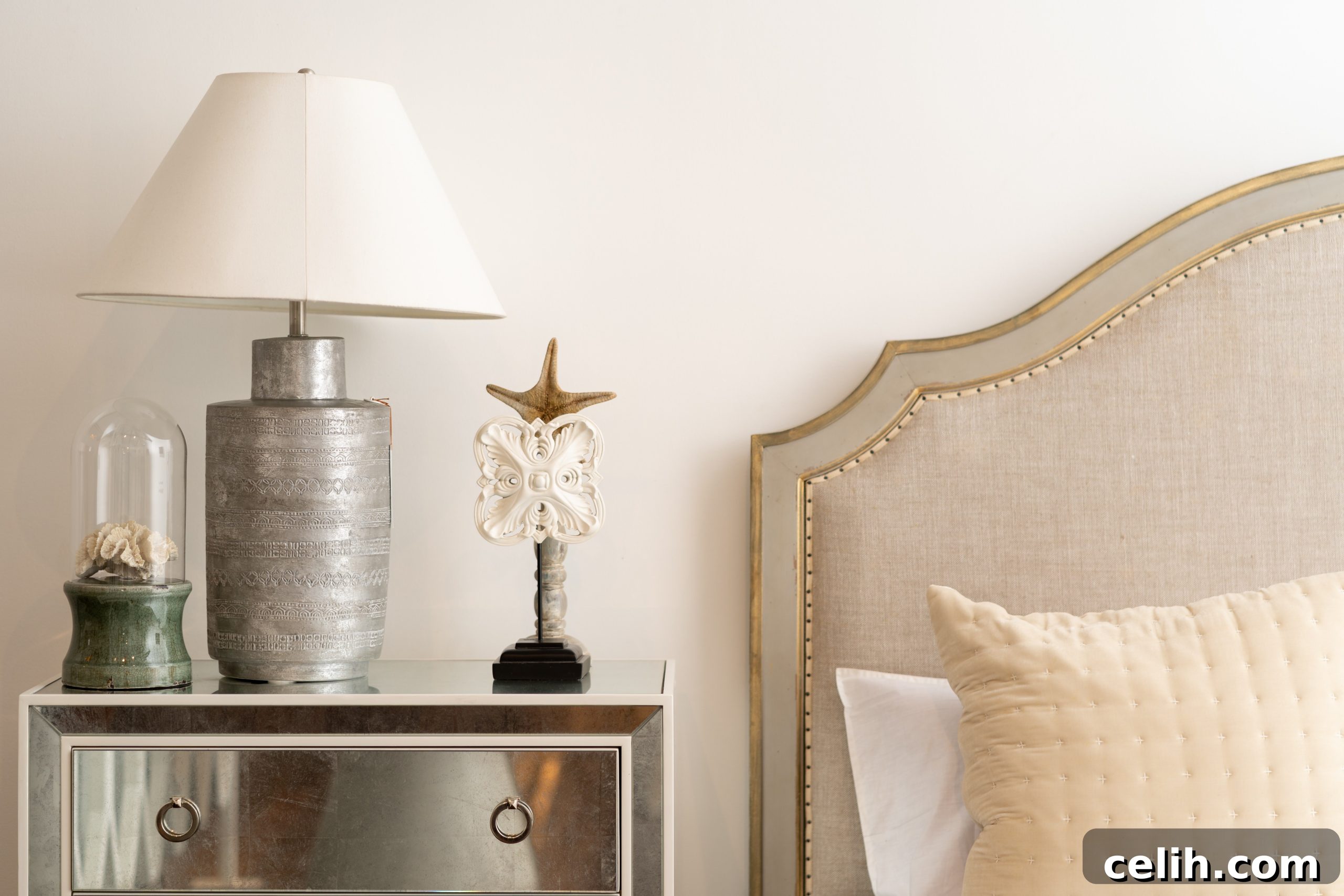
Remember, the color of the lamp and its lampshade is just as important as its style. A simple, chic design is often more impactful than something overly decorated. Lampshades come in a variety of materials—from crisp paper and elegant fabric to modern metal or jeweled embellishments—each diffusing light differently and contributing uniquely to the room’s theme. Choose each item with care, ensuring it harmonizes with your overall interior design vision.
The Psychology of Lighting Colors and Temperatures
The “color” of light, more accurately referred to as color temperature, is measured in Kelvins (K) and profoundly impacts the mood and functionality of a space. Beyond merely changing colors, understanding color temperature is vital for creating specific atmospheres and even influencing your well-being.
Light temperatures typically range from:
- Warm White (2700K – 3000K): Emitting a soft, yellowish glow similar to candlelight or incandescent bulbs. This temperature promotes relaxation and comfort, making it ideal for living rooms, bedrooms, and dining areas where you want to create a cozy, inviting atmosphere. It helps to wind down and is less disruptive to your circadian rhythm in the evenings.
- Cool White (3500K – 4500K): A more neutral white light, often described as bright and crisp. It’s excellent for areas requiring alertness and concentration, such as kitchens, home offices, laundry rooms, and bathrooms. It helps with task visibility and can make spaces feel cleaner and more energetic.
- Daylight (5000K – 6500K): Mimicking natural midday sunlight, this is a very bright, bluish-white light. It’s highly energizing and provides excellent clarity for detailed work. Areas like workshops, garages, or spaces where true color representation is crucial (e.g., art studios, makeup application areas) benefit from daylight bulbs.
For those seeking true mood lighting with dynamic capabilities, smart bulbs that literally change from color to color (RGB lighting) offer unparalleled versatility. Imagine setting a vibrant blue for a party, a soothing green for meditation, or a romantic red hue for an intimate evening. These lights allow you to instantly transform the ambiance to suit any occasion or personal whim.
Moreover, the impact of light on well-being cannot be overstated. If you suffer from Seasonal Affective Disorder (SAD) or simply struggle with the darkness of winter, investing in bulbs that reflect natural sunlight (daylight temperature bulbs) can make a significant difference. Exposure to brighter, bluer-toned light in the morning and early afternoon can help regulate your circadian rhythm, boost your mood, increase energy levels, and improve focus. This simulation of natural light helps combat the lethargy and mood changes associated with reduced sunlight exposure, truly perking you up and making you feel energized. Doesn’t that sound fantastic for your mental and physical health?
Beyond the Bulb: Essential Lighting Considerations
To truly master your home’s illumination, a few additional considerations can make all the difference:
- Dimmer Switches: These are indispensable tools for flexibility. Installing dimmer switches allows you to adjust the intensity of light, instantly transitioning a space from bright and functional to soft and intimate. They also contribute to energy savings by allowing you to use less power when full brightness isn’t needed.
- Scale and Proportion: Ensure your lighting fixtures are appropriately sized for the room and the furniture they accompany. An oversized chandelier in a small entryway can overwhelm the space, just as a tiny table lamp on a grand sideboard might look insignificant. Proper scale creates visual balance and harmony.
- Energy Efficiency: Modern LED technology has revolutionized lighting. LED bulbs consume significantly less energy, last far longer than traditional incandescent bulbs, and are available in a full spectrum of color temperatures and brightness levels. Opting for LED ensures lower electricity bills and less frequent bulb replacements, making it a sustainable and cost-effective choice.
- Accessibility and Maintenance: Consider how easy it will be to change bulbs or clean fixtures. While stunning, a chandelier with dozens of tiny bulbs might become a chore to maintain. Practicality should always be a factor in your design choices.
- Professional Guidance: For complex lighting schemes or extensive renovations, consulting an interior designer or a lighting specialist can be invaluable. They can help with electrical planning, suggest innovative solutions, and ensure your lighting design is both beautiful and functional.
Illuminate Your Life: Crafting a Harmonious Home
Ultimately, thoughtful lighting design is about more than just brightening a room; it’s about crafting an experience, enhancing functionality, and evoking specific emotions within your home. By understanding the interplay of ambient, task, and accent lighting, embracing smart home technology, selecting fixtures that align with your style, and utilizing the psychological impact of color temperature, you gain the power to transform every corner of your living space.
Don’t view lighting as an afterthought; instead, consider it an integral component of your interior design journey. Experiment with different light sources, play with shadows and highlights, and personalize your home’s glow to reflect your unique personality and lifestyle. A well-lit home is not just visually appealing; it’s a harmonious sanctuary that supports your well-being, inspires creativity, and welcomes all who enter. Invest in your lighting, and watch your home come alive.