
Maximizing Your Home’s Efficiency: Comprehensive Guide to Saving Money on Utility Bills
 As the seasons change and household expenses often increase, finding effective ways to save money at home becomes a top priority for many. Beyond the immediate financial relief, implementing energy-saving practices contributes significantly to a more sustainable lifestyle and a reduced environmental footprint. This comprehensive guide will walk you through actionable strategies to enhance your home’s efficiency, cut down on utility bills, and create a more comfortable living environment year-round. From simple behavioral changes to smart investments in home improvements, discover how you can keep more money in your pocket while enjoying a greener home.
Imagine the cumulative savings if every household adopted these straightforward tips. It’s not just about tightening your belt during holiday seasons; it’s about fostering smart habits that yield long-term financial benefits and peace of mind. Let’s delve into specific areas of your home where you can make a real difference, transforming your residence into a beacon of efficiency.
Optimizing Your Home’s Envelope: Retaining Heat and Cool Air
One of the most significant factors influencing your utility bills is how well your home retains heat in winter and coolness in summer. A well-sealed and insulated home acts like a thermal shield, preventing energy from escaping or entering unnecessarily. Addressing the “envelope” of your house – its walls, roof, windows, and doors – is paramount for effective energy management.
Insulation: Your First Line of Defense
Insulation is undoubtedly one of the most cost-effective ways to improve your home’s energy performance. Heat naturally rises, making your attic a critical area for heat loss. Ensuring your attic is properly insulated can dramatically reduce heat escaping through your roof, which can account for up to 25% of a home’s heat loss.
- Attic Insulation: Consider different types of insulation such as fiberglass batts, loose-fill cellulose, or spray foam. Each offers varying R-values (a measure of thermal resistance) and installation complexities. While DIY options exist, professional installation can ensure optimal coverage and performance. Proper attic insulation doesn’t just keep your home warmer; it also helps maintain a consistent indoor temperature, reducing the strain on your heating and cooling systems.
- Wall Insulation: For homes with cavity walls, insulation can be blown into the gaps, significantly reducing heat transfer. Solid wall insulation, either internal or external, is a more involved process but offers substantial long-term savings for older properties.
- Floor Insulation: Insulating floors, especially those above unheated spaces like crawl spaces or basements, can prevent heat loss and make your living areas feel warmer and more comfortable. Even adding thick rugs or carpets can offer a minor but noticeable improvement in heat retention.
Windows and Doors: Sealing the Deal
Windows and doors are common culprits for drafts and heat loss. Upgrading these elements can lead to substantial energy savings and enhance your home’s comfort and security.
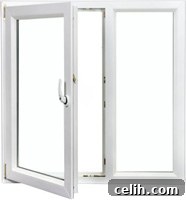
- Double Glazing (or Triple Glazing): Investing in modern double-glazed windows is essential for energy efficiency. These windows feature two panes of glass with a sealed gap filled with air or an inert gas like argon, which acts as an insulating barrier. The benefits extend beyond thermal efficiency to include significant noise reduction and improved home security. Look for windows with low-emissivity (Low-E) coatings, which reflect heat back into the room during winter and outwards during summer, maximizing thermal performance. While the initial investment might seem high, the long-term savings on heating and cooling bills, coupled with increased property value, make them a worthwhile upgrade.
- Draft Proofing: Even the most efficient windows and doors can be undermined by tiny gaps and cracks. Draft proofing is a remarkably simple and inexpensive way to prevent heat loss. Check around window frames, door frames, letterboxes, keyholes, and even electrical outlets. Use weatherstripping for doors and windows, apply caulk to seal cracks in walls and around frames, and consider draft excluders for the bottom of doors. Sealing these minor leaks can collectively make a significant difference in maintaining a consistent indoor temperature and stopping those precious warmth from escaping into the cold.
Smart Electricity Usage: Powering Down Your Bills
Electricity consumption accounts for a significant portion of household expenses. Adopting energy-efficient habits and upgrading to smarter appliances can lead to remarkable savings and a greener lifestyle.
Illuminating Your Home Efficiently with LEDs
The days of incandescent bulbs are long gone. The most impactful change you can make in your lighting strategy is to switch to LED (Light Emitting Diode) bulbs. If you haven’t already, make this transition a priority.
- Longevity and Efficiency: LED bulbs consume up to 90% less energy than traditional incandescent bulbs and last 15-25 times longer, often upwards of 25,000 hours. This means fewer replacements and drastically lower electricity bills.
- Instant Brightness and Versatility: Unlike older energy-saving bulbs (CFLs), LEDs provide instant full brightness and are available in a wide range of color temperatures, from warm white to cool daylight, allowing you to create the perfect ambiance for any room.
- Smart Lighting: For even greater control, consider smart LED bulbs that can be programmed, dimmed, and controlled remotely via your smartphone or voice assistant, further optimizing energy usage.
Energy-Efficient Appliances: Making Smart Choices
When purchasing new appliances, always prioritize energy efficiency ratings. These ratings provide a clear indication of how much energy an appliance will consume over its lifetime.
- ENERGY STAR Certification: Look for the ENERGY STAR label, a government-backed symbol for energy efficiency. ENERGY STAR certified appliances meet strict energy performance standards and can save you hundreds of dollars over their lifespan.
- Smart Usage Habits:
- Unplug “Phantom Loads”: Many electronics continue to draw power even when turned off or in standby mode (e.g., phone chargers, TVs, coffee makers). This “vampire power” can add up. Use power strips with on/off switches to easily cut power to multiple devices when not in use.
- Full Loads for Laundry and Dishwashers: Maximize efficiency by only running your washing machine and dishwasher when they are full. Use cold water cycles for laundry whenever possible, as heating water consumes significant energy.
- Refrigerator Maintenance: Keep your refrigerator and freezer coils clean to ensure they run efficiently. Ensure door seals are tight to prevent cold air from escaping.
- Cooking Smarter: Use microwaves or slow cookers for smaller meals, as they are generally more energy-efficient than a conventional oven. Match the size of your pot or pan to the burner size to avoid wasted heat.
Mastering Your Home’s Heating & Cooling: Comfort with Savings
Controlling your home’s temperature effectively is crucial for both comfort and cost savings. While it’s tempting to blast the heat or AC, smart strategies can maintain a pleasant indoor climate without breaking the bank.
Thermostat Management: The Key to Efficient Heating
Your thermostat is your primary tool for managing heating costs. How you use it can make a huge difference.
- Programmable and Smart Thermostats: Upgrade to a programmable thermostat that allows you to set schedules for different times of the day and week, aligning with your family’s routine. Even better, smart thermostats learn your preferences, can be controlled remotely via apps, and optimize heating and cooling based on occupancy and external weather conditions. This means your heating is only on when and where it’s needed, preventing wasted energy.
- Optimal Temperatures: Experiment with finding the lowest comfortable temperature during winter. Experts often suggest that turning your heating down by just 1°C can reduce your heating bill by up to 10%. In colder climates, consider setting your thermostat slightly lower at night or when you’re away from home. During summer, aim for the highest comfortable temperature for your air conditioning.
- Layer Up: A simple, timeless tip: before reaching for the thermostat, consider wearing an extra layer of clothing. A cozy jumper or blanket can often be all it takes to feel comfortable without increasing your energy consumption.
Boiler and Radiator Efficiency
Your heating system’s efficiency relies on proper maintenance and usage.
- Annual Boiler Service: Ensure your boiler or furnace is serviced annually by a qualified professional. Regular maintenance keeps the system running efficiently, prolongs its lifespan, and identifies potential issues before they become costly breakdowns.
- Bleed Radiators: If your radiators aren’t heating evenly, they might have trapped air. Bleeding them releases this air, allowing hot water to circulate properly and increasing their efficiency.
- Don’t Block Radiators: Avoid placing large pieces of furniture directly in front of radiators, as this can block the heat from circulating effectively around the room. Using reflective radiator foils behind radiators on external walls can also help bounce heat back into the room.
Alternative Heating Solutions: Storage Heaters
For homes on specific electricity tariffs, storage heaters can be an economical option.
- How They Work: Storage heaters contain ceramic bricks that heat up overnight using cheaper off-peak electricity. This stored heat is then gradually released throughout the day. This system can be very economical if you are on an economy 7 or similar tariff, which offers significantly cheaper electricity rates during specific off-peak hours.
- Considerations: While efficient for off-peak users, they might not be suitable for everyone, depending on their lifestyle and electricity tariff.
Water Heating Efficiency
Hot water usage also contributes significantly to energy bills.
- Insulate Your Hot Water Tank and Pipes: A well-insulated hot water tank loses less heat, meaning your water stays hotter for longer without the heater kicking in as often. Insulating hot water pipes further reduces heat loss as water travels to your taps.
- Shorter Showers: Reduce the duration of your showers. Even a minute or two less per shower can save a surprising amount of hot water and energy over time. Consider installing a low-flow showerhead to reduce water consumption without compromising pressure.
Embracing a Greener, More Economical Home
The journey to a more energy-efficient home is ongoing. By implementing these tips, you’re not just cutting down on bills; you’re also contributing to a healthier planet. Start with the easiest changes and gradually work towards more significant improvements. Every small step, from switching off lights to insulating your attic, builds towards a more sustainable and financially stable future for your household. Making your home a haven of energy efficiency ensures comfort, reduces your carbon footprint, and delivers tangible savings that truly add up over time.