
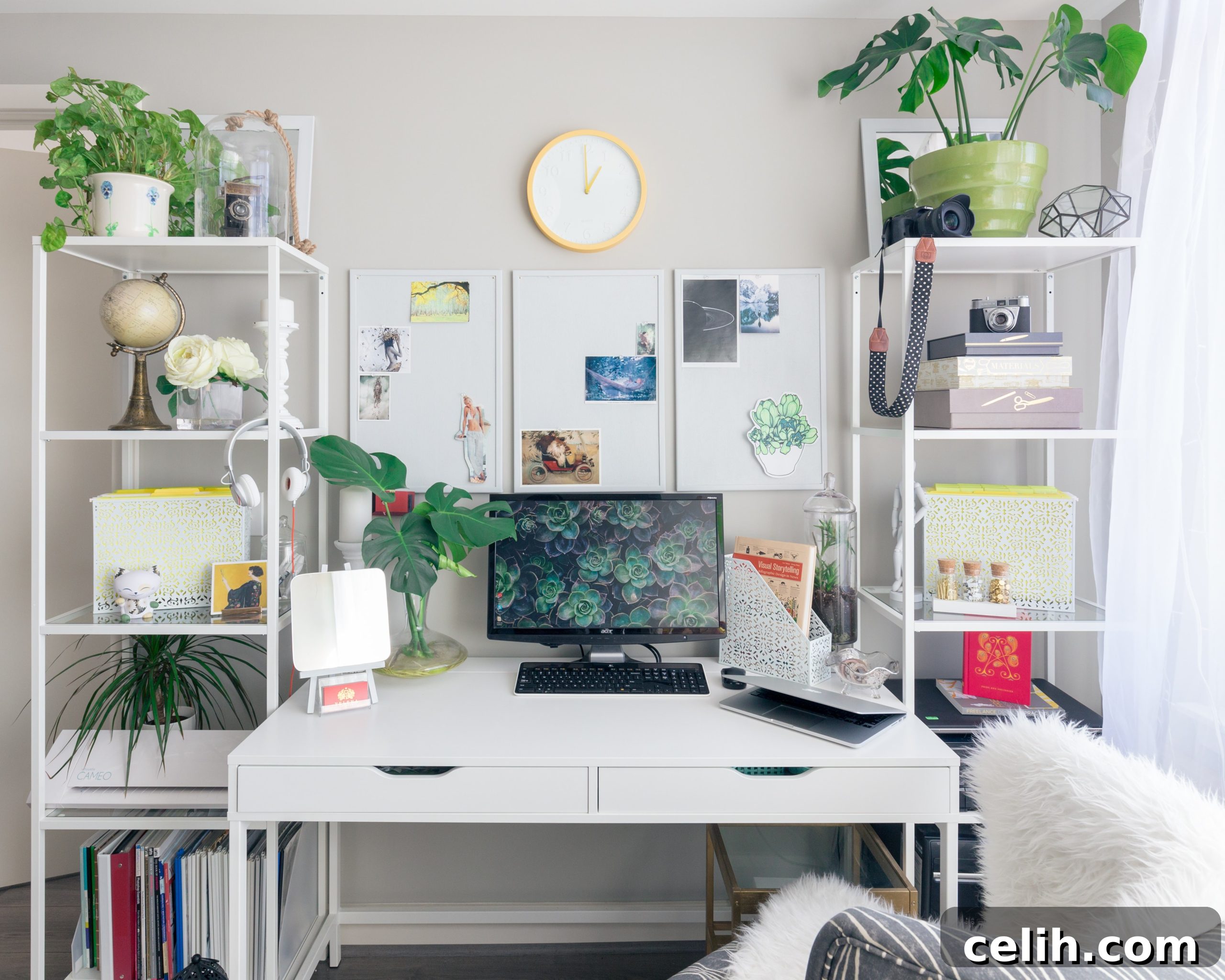
Transforming an ordinary office chair into a personalized haven of comfort and productivity doesn’t demand a hefty investment in a brand-new ergonomic model. With a dash of creativity, some readily available materials, and a commitment to simple DIY upgrades, you can revitalize your existing chair, making it significantly more ergonomic, supportive, and conducive to long hours of focused work. This comprehensive guide explores a myriad of accessible DIY office chair upgrades that promise to elevate your workspace experience, enhance your well-being, and boost your efficiency, all without straining your budget. Embrace the power of customization to craft a workspace that truly supports your body and inspires your best work.
Customized Lumbar Support for Enhanced Posture
One of the most common deficiencies in many standard office chairs is inadequate lumbar support, which can lead to discomfort, poor posture, and even chronic back pain over time. Addressing this crucial ergonomic need can dramatically improve your sitting experience. Creating a DIY lumbar pillow is a simple yet incredibly effective solution. You can use a small, firm cushion, a rolled-up towel, or even a piece of memory foam cut to size. The key is to position it precisely at the natural curve of your lower back. Secure it firmly to the backrest using elastic straps, Velcro strips, or by sewing a fabric sleeve that slides over the chair back. This targeted support helps maintain the natural inward curve of your spine, alleviating pressure on your lumbar region and encouraging a healthier, more upright posture throughout your workday. Investing a few minutes in this upgrade can prevent future aches and contribute significantly to your long-term spinal health.
Memory Foam Seat Cushion for Superior Comfort
The standard foam found in most office chair seats often compresses quickly, leading to an uncomfortable and unsupportive sitting surface. Upgrading to a memory foam seat cushion is a game-changer for enhancing your chair’s comfort level and promoting better circulation. Memory foam contours to your body’s unique shape, evenly distributing pressure and reducing strain on your hips, tailbone (coccyx), and thighs. You have the option to purchase a pre-made memory foam cushion, which come in various shapes and densities, often with non-slip bottoms. Alternatively, for a truly custom fit, you can buy a sheet of memory foam and cut it to the exact dimensions of your chair seat. Cover it with a durable, breathable fabric – perhaps one that complements your existing decor – and attach it securely to your chair, either by placing it directly on top or by using fabric adhesive or ties to prevent shifting. This modification significantly reduces pressure points, prevents numbness, and provides a plush yet supportive foundation for extended periods of sitting.
DIY Chair Mat for Seamless Mobility on Carpet
If your office chair rolls on carpet, you’re likely familiar with the struggle of restricted movement and the potential damage to your flooring. The friction created by casters on carpet can make moving around your desk a frustrating chore, putting strain on both your chair’s wheels and the carpet fibers themselves. A DIY chair mat offers an ingenious and cost-effective solution. Instead of buying an expensive plastic mat, repurpose an old rug, a piece of heavy-duty vinyl flooring, or even a large, sturdy carpet remnant. Measure the area around your desk where your chair typically moves, then cut the chosen material to fit. To prevent fraying and give it a polished look, you can bind the edges with fabric tape or heavy-duty adhesive strips. For added stability and to prevent slipping, consider adding a non-slip backing material or rug pad underneath. This simple DIY mat creates a smooth, low-friction surface that allows your chair to glide effortlessly, protecting your carpet from wear and tear while making your movements more fluid and less taxing.
DIY Armrest Pads for Superior Upper Body Support
Hard, unpadded, or poorly designed armrests can be a significant source of discomfort, leading to sore elbows, wrist strain, and even shoulder tension during long work sessions. Elevate your arm and shoulder comfort by creating your own DIY armrest pads. This upgrade involves wrapping the existing armrests with soft, supportive materials. Good options include memory foam, gel pads, or even multiple layers of soft fabric batting. Once the padding is in place, cover it with a durable and aesthetically pleasing fabric – consider options like soft fleece, breathable mesh, or even a spill-resistant upholstery fabric. Secure the new pads with strong fabric adhesive, Velcro strips for easy removal and cleaning, or custom-sewn fabric sleeves with elastic or ties. This quick and affordable DIY solution provides a cushioned surface for your forearms and elbows, reducing pressure, preventing discomfort, and promoting a more relaxed upper body posture, which can significantly reduce the risk of repetitive strain injuries (RSI).
Adjustable Headrest Addition for Neck and Head Support
Many office chairs, particularly older or more basic models, lack a built-in headrest, leaving your neck and head unsupported and prone to strain, especially during periods of contemplation or when leaning back. Crafting a DIY adjustable headrest can provide that much-needed support, improving overall comfort and preventing neck fatigue. Start with a sturdy piece of foam or dense padding – memory foam or high-density upholstery foam works well. Shape it to provide comfortable support for the back of your head and neck. Cover this foam with a fabric that either matches your chair or adds a pop of complementary color or texture. The key to its effectiveness is adjustability and secure attachment. You can create a system of straps, buckles, or Velcro fasteners that wrap around the upper portion of your chair’s backrest, allowing you to position the headrest at the perfect height for your body. This personalized headrest promotes proper neck alignment, reduces tension in your shoulders, and provides a comfortable place to rest your head during breaks or phone calls, making your chair feel more luxurious and ergonomically complete.
Caster Wheels Upgrade for Enhanced Mobility and Floor Protection
The standard caster wheels that come with many office chairs are often flimsy, noisy, and unsuitable for certain floor types, leading to scuffs on hard floors or sluggish movement on carpets. Upgrading your chair’s caster wheels is a simple yet impactful DIY project that can significantly enhance mobility, reduce noise, and protect your flooring. You can find a wide variety of replacement wheels designed for specific surfaces: soft, rubberized wheels are ideal for hardwood, laminate, and tile floors as they prevent scratches, while hard, durable nylon wheels are better suited for carpeted areas. Rollerblade-style wheels, with their smoother glide and quiet operation, are also a popular choice for all floor types. Swapping them out is usually straightforward – typically, you just pull the old casters out of their sockets and push the new ones in. Before purchasing, ensure the stem size and type (grip ring or threaded) match your chair’s base. This upgrade not only makes moving around your workspace more effortless and quiet but also prolongs the life of both your chair and your floors.
Personalized Seat Cover for Style and Protection
Beyond comfort and ergonomics, the aesthetic appeal of your workspace plays a vital role in your mood and productivity. A custom-crafted seat cover is an excellent way to give your office chair a fresh, personalized look and protect its original upholstery from wear, spills, and dirt. Choose a fabric that not only complements your existing workspace aesthetic but also offers practical benefits. Consider breathable cotton or linen for warmer climates, durable canvas for high traffic, or even a soft velvet for a touch of luxury. You can sew a custom cover with an elasticized edge for a snug fit, or incorporate ties or zippers for easy removal and cleaning. This DIY project allows you to express your personal style, refresh an outdated or stained chair seat, or even adapt your chair’s look to seasonal decor changes. It’s a simple yet impactful way to make your office chair truly yours and extend its lifespan.
DIY Cable Management for a Clutter-Free Workspace
A tangle of cables and wires around your chair and desk can be a major eyesore, a distraction, and even a safety hazard. Implementing DIY cable management solutions for your chair can significantly improve the aesthetics and functionality of your workspace. This upgrade focuses on organizing and securing charging cables, headset wires, and other peripherals that often snake around your chair’s base. Use simple cable organizers, such as reusable Velcro straps, adhesive clips, or spiral cable wraps, to bundle wires together and route them neatly along the chair’s frame or legs. You can even attach a small mesh bag or hook under the seat to hold power bricks or excess cable length. By keeping cables tidy and out of sight, you eliminate visual clutter, prevent snags, make cleaning easier, and create a more professional and focused work environment. This small DIY effort contributes immensely to a sense of order and calm, allowing you to concentrate better on your tasks.
Repaint or Refinish for a Revitalized Look
If your office chair’s metal or plastic frame is showing signs of wear, scratches, or simply looks dated, a repaint or refinish can provide an incredible visual transformation. This DIY project breathes new life into an old chair, making it feel brand new without the cost. Start by thoroughly cleaning the frame and, if necessary, lightly sanding any rough spots or peeling paint to create a smooth surface. Apply a primer suitable for the material (metal or plastic) to ensure paint adhesion and durability. Then, choose a paint color that complements your workspace’s decor – whether it’s a vibrant hue to make a statement, a classic black or white for a minimalist look, or a metallic finish for a touch of sophistication. Use spray paint for a smooth, even finish, or brushes for more detailed work. A clear protective topcoat will ensure longevity. For chairs with wooden components, sanding and applying a fresh stain or varnish can bring out the natural beauty of the wood. This aesthetic overhaul not only improves the chair’s appearance but also contributes to a more inspiring and enjoyable work environment.
DIY Massage Features for On-Demand Relaxation
Long hours spent sitting can lead to muscle stiffness and tension. Incorporating DIY massage features into your office chair can provide a luxurious touch and offer on-demand relaxation during short breaks or at the end of a long workday. This budget-friendly upgrade doesn’t require complex machinery. You can discreetly integrate small, battery-operated massage units or vibrating pads into your chair. One effective method is to sew small, internal pockets into a custom chair cover or attach them directly to strategic areas of your chair’s backrest or seat. Place compact, portable massagers (designed for travel or handheld use) into these pockets. Alternatively, you can secure vibrating seat cushions or lumbar massagers with elastic straps or ties. These simple additions allow you to enjoy a soothing massage experience whenever you need it, helping to alleviate muscle tension, improve circulation, and enhance your overall well-being. It’s a smart way to transform your ordinary office chair into a personal relaxation station, promoting better focus and reducing stress.
Integrated DIY Storage Solutions for Enhanced Efficiency
A cluttered desk often translates to a cluttered mind, hindering productivity. Integrating smart DIY storage solutions directly onto your office chair can help keep essential items within reach while maintaining a tidy workspace. This ingenious upgrade minimizes desk clutter and improves efficiency by allowing you to store frequently used small items like pens, notebooks, sticky notes, or even a remote control. You can sew simple fabric pockets that attach to the side of your chair’s armrest or backrest using Velcro, snaps, or ties. For a more robust solution, consider attaching a small, lightweight mesh or fabric organizer to the side or underneath the seat of your chair. Ensure that any attached storage doesn’t interfere with your movement or comfort. This creative use of space keeps your workspace streamlined, ensures your tools are always accessible, and helps you maintain focus by reducing the need to constantly search for items, making your work environment more organized and productive.
DIY Footrest Integration for Optimal Leg Circulation
Proper ergonomics extends beyond just your back and arms; supporting your feet is equally crucial for comfort and circulation, especially if your feet don’t sit flat on the floor. A DIY footrest can significantly improve your sitting posture and reduce pressure on your thighs, promoting healthy blood flow to your lower extremities. While numerous commercial footrests exist, a custom DIY version can be tailored to your specific needs and chair height. You can construct a simple, sturdy platform from wood, old textbooks, or even a dense foam block. Cover it with a soft fabric or carpet remnant for added comfort and grip. For a more sophisticated option, consider adding an angled surface or even adjustable elements using simple hinges or risers. The ideal footrest should allow your feet to rest flat, with your knees at roughly a 90-degree angle, reducing strain on your back and legs. This simple addition elevates your legs slightly, takes pressure off your lower back, and improves circulation, making long periods of sitting much more comfortable and healthier.
Conclusion: Unleash Your Creativity for a Better Workspace
The journey to a more comfortable, ergonomic, and aesthetically pleasing workspace doesn’t have to be an expensive one. As demonstrated, DIY office chair upgrades offer a cost-effective, creative, and highly personalized approach to enhancing your work environment. By incorporating these thoughtful modifications – from customized lumbar support and plush memory foam cushions to stylish seat covers and practical cable management – you can transform an ordinary chair into a powerhouse of comfort and functionality. Each simple adjustment contributes to improved posture, reduced discomfort, enhanced productivity, and a workspace that truly reflects your style and needs. These DIY projects not only empower you to take control of your comfort but also promote sustainability by giving existing furniture a second life. So, gather your materials, ignite your creativity, and embark on your DIY journey. A few hours of effort can lead to years of improved well-being and a more enjoyable, efficient, and inspiring place to work.