
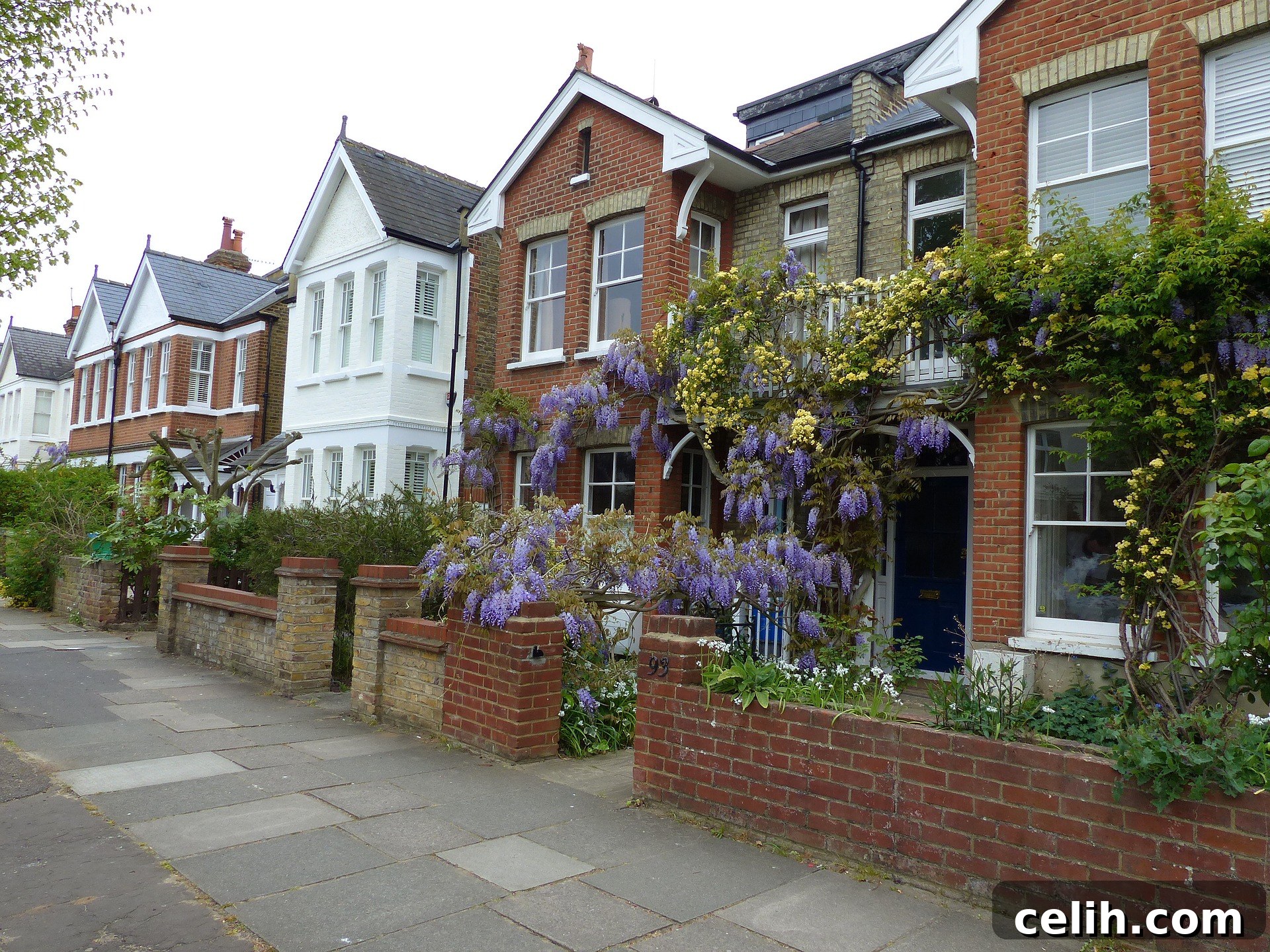
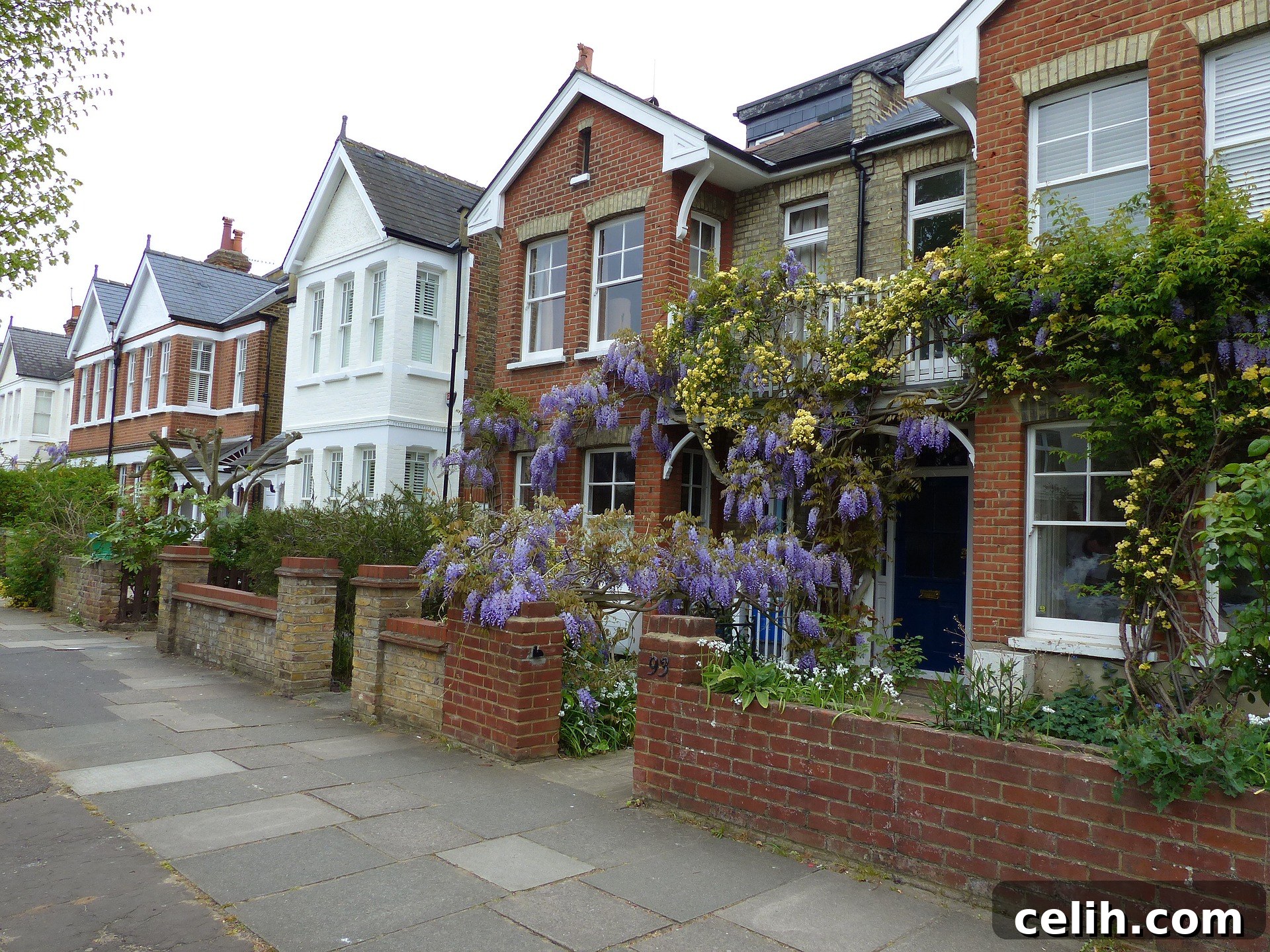
The allure of a period property is undeniable. With their unique character, timeless architecture, and a rich history etched into every brick and beam, older homes offer a charm that modern constructions simply cannot replicate. Many are drawn to the exceptional craftsmanship of yesteryear, envisioning a life steeped in heritage and elegance. However, beneath this captivating façade often lie a unique set of challenges and potential problems that, if not properly understood and addressed, can quickly transform a dream renovation project into a daunting, costly nightmare for the unprepared homeowner or investor. Navigating the intricacies of a period property requires a blend of appreciation for its past and a pragmatic approach to its future.
If you’re considering purchasing an older property, whether as your primary residence, a passion project for renovation, or a strategic investment, it’s crucial to approach the venture with open eyes and a thorough understanding of the specific areas that demand special attention. Proactive investigation and expert advice can save significant time, money, and stress down the line, ensuring that your period property journey is as rewarding as it is challenging.
Understanding Period Property Floors
Let’s begin our journey from the ground up: the floors. Most historic homes feature either robust solid wood floorboards or impressive flagstone and quarry tile floors. Each offers distinct characteristics, benefits, and potential drawbacks.
Stone Floors: Grandeur and Ground-Level Challenges
Stone floors, such as flagstones or quarry tiles, exude an undeniable sense of history and permanence. They are incredibly durable and, at first glance, appear to be a problem-free foundation. However, their solidity comes with specific considerations. During colder months, stone floors can become incredibly cold, significantly impacting the internal temperature and overall energy efficiency of the home. Modern solutions like underfloor heating can mitigate this, but installation can be complex and expensive in an existing structure. Furthermore, stone is unforgiving; a dropped precious item or a tumble can result in significant damage or injury. Another common issue with aged stone floors is unevenness. Years of settling, movement, and the inherent irregularities of natural stone mean that floors are rarely perfectly level, which can create difficulties when trying to place furniture without wobbling or installing fitted cabinetry seamlessly. Addressing severe unevenness might require professional leveling compounds or extensive remedial work, preserving their aesthetic while enhancing practicality.
Solid Wood Floors: Classic Appeal with Hidden Depths
Solid wood floors, whether original wide planks or intricate parquet, are often a prized feature in period properties, celebrated for their warmth, elasticity, and enduring beauty. They are generally more forgiving than stone, offering a softer landing and better thermal properties. A well-maintained solid wood floor is a significant selling point, often promising character and longevity. However, appearances can be deceptive. It is absolutely essential to have these floors thoroughly inspected by a qualified professional. They will check for structural integrity, signs of woodworm, rot, damp, or widespread damage that could compromise the entire subfloor. Common issues include loose boards, excessive creaking, unevenness due to settling joists, and damage from previous alterations or water ingress. Restoring original floorboards often involves sanding, filling gaps, and sealing, which can bring them back to life. In cases of severe damage or deterioration, careful repair or replacement with sympathetic materials might be necessary.
Modern Flooring Solutions and Integration
Even if you encounter significant problems with existing wood flooring, or find flagstones too impractical, you have numerous viable options. Replacing or installing new solid wood flooring can be a worthwhile investment, and it doesn’t have to be prohibitively expensive. Options range from cost-effective laminates that mimic natural wood to luxurious engineered or solid oak and walnut flooring. The good news is that many modern flooring solutions, including engineered wood and even some laminates, can be laid relatively easily over existing stone floors, often with the addition of a suitable underlay for insulation and sound dampening. This flexibility ensures that you can achieve both the aesthetic you desire and the practical benefits of warmth and comfort, while respecting the historical context of your home. It’s about finding the right balance between preservation and modern living.
Enhancing Energy Efficiency: Insulation Challenges in Older Homes
Having addressed the ground level, our gaze turns upwards to the roof and beyond – specifically, to the critical area of insulation and overall energy efficiency. While period architectural methods boast incredible durability and aesthetic appeal, energy conservation was rarely a primary design consideration. Consequently, you must be prepared for the strong possibility that insulation will be either non-existent or woefully inadequate by contemporary standards.
Loft and Roof Insulation
The loft is usually the easiest place to start. A quick inspection of your attic space will reveal what, if any, insulation is present. Current recommendations for loft insulation typically suggest a minimum thickness of 250mm, with 300mm or more being ideal for optimal thermal performance. If you find anything less than this, be prepared to invest in materials and potentially a weekend afternoon with gloves, a dust mask, and knee pads to lay fresh insulation. Options include mineral wool, sheep’s wool, or cellulose fibre, each with varying costs and benefits. Crucially, ensure that insulation doesn’t block eaves ventilation, as this can lead to condensation and timber decay. For more complex roof structures, such as those with rooms in the roof, specialist insulation boards or spray foam might be considered, though the latter requires careful consideration of its breathability in older properties.
Wall and Window Insulation
Beyond the loft, addressing wall insulation in period properties presents greater challenges. Many older homes feature solid walls, making conventional cavity wall insulation impossible. Internal wall insulation (IWI) and external wall insulation (EWI) are options, but both have significant implications. IWI reduces internal room dimensions and requires careful management of moisture and condensation risk. EWI can alter the external appearance of the property and may not be permissible in conservation areas or for listed buildings. Draught-proofing windows and doors is a cost-effective initial step. Original single-glazed sash windows, while beautiful, are major heat loss points. Restoring and draught-proofing them, or installing discreet secondary glazing, can dramatically improve thermal performance without compromising the property’s character. Replacing them with modern double glazing is often not advisable or permitted in heritage contexts, as it can detract from the aesthetic integrity of the building.
Comprehensive Energy Audits
For a holistic approach to energy efficiency in your period home, consider commissioning a professional energy audit. This will identify specific areas of heat loss and recommend tailored solutions, helping you prioritize improvements for maximum impact. Investing in better insulation and draught-proofing not only improves comfort but also significantly reduces heating bills and your home’s carbon footprint, adding long-term value to your historical asset.
Uninvited Residents: Dealing with Pests and Protected Species
Before you even open that loft hatch, or indeed any part of an older property, a word of caution: in a period home, you might not be alone. Older buildings offer countless nooks and crannies, making them attractive habitats for a variety of creatures. Awareness and preparedness are key to dealing with these “unexpected guests” effectively and legally.
Common Pests: Mice, Rats, and Insects
A few mice or even the occasional rat are unfortunately common companions in old houses. Signs include droppings, gnaw marks, and scratching sounds. While unpleasant, these general pests are usually relatively easy to deal with through traps, baits, and sealing entry points. However, a persistent problem might indicate a larger infestation requiring professional pest control. Beyond rodents, period properties are also susceptible to timber pests like woodworm (common furniture beetle) and, more seriously, deathwatch beetle. Signs include small exit holes, fine sawdust (frass), and crumbling timber. These can cause significant structural damage if left unchecked, necessitating specialist timber treatment. Damp conditions can also attract various insects and mould growth, highlighting the importance of good ventilation and moisture control.
Protected Species: Bats in Residence
The real challenge arises when you encounter protected species, particularly bats. Before disturbing any loft space, check carefully for signs of bat droppings – these are often elongated and crumbly, unlike mouse droppings which are harder and more uniform. If you suspect bats are in residence, you must proceed with extreme caution. In many countries, all bat species and their roosts are legally protected. This means you cannot simply remove them, block their access points, or disturb their roosts. However, in most cases, bats are harmless; they typically do no damage, keep themselves to themselves, and can coexist happily with human residents. The primary issue arises when you need to perform any repair or renovation works in the loft space or near their roosting areas. Any work that might disturb bats or their roosts requires a specific license from the relevant environmental authority. Organizations like the Bat Conservation Trust or local wildlife organizations can offer invaluable advice and support. They can guide you through the legal requirements, help identify species, and even assist with obtaining licenses or suggesting alternative timings for works to avoid sensitive periods like breeding or hibernation.
Structural Integrity: The Backbone of Your Period Home
While often overlooked until problems become visible, the structural integrity of a period property is paramount. Older buildings, by their very nature, have experienced decades or even centuries of movement, weather exposure, and modifications. Understanding potential structural weaknesses is crucial during the initial survey phase.
Foundations and Walls
Many period homes were built on shallow or rudimentary foundations compared to modern standards. This can make them more susceptible to ground movement, leading to subsidence (sinking) or heave (upward movement). Look for significant cracks in external or internal walls, particularly those that are wider at the top than the bottom (indicating subsidence) or vice versa (indicating heave). Leaning walls, bowing brickwork, or distorted door and window frames are also red flags. Damp penetration is another common issue; rising damp, where moisture travels up from the ground, or penetrating damp, caused by faulty rainwater goods or porous masonry, can compromise structural timbers and plasterwork.
Roofs and Chimneys
The roof is the primary protector of any home, and in period properties, it often bears the brunt of the elements. Sagging rooflines, missing or broken tiles/slates, damaged lead flashing around chimneys or valleys, and blocked or overflowing gutters can all lead to water ingress, rotting timbers, and extensive internal damage. Chimneys, exposed to wind and rain, can suffer from deteriorating mortar, cracked pots, or structural instability, posing a risk of collapse or internal damp issues. A professional roof inspection is non-negotiable for any prospective period property owner.
Professional Structural Surveys
Due to these inherent complexities, a standard homebuyer’s report is often insufficient when purchasing a period property. It is highly recommended to commission a comprehensive Level 3 RICS Building Survey (formerly known as a full structural survey). This in-depth inspection goes beyond the visible, examining the structure, fabric, and services of the property. A specialist surveyor with experience in heritage buildings can identify subtle signs of structural distress, recommend appropriate investigations (e.g., damp surveys, timber reports), and provide crucial insights into the property’s long-term health, ensuring you are fully aware of any significant investment required for structural repairs.
Navigating Regulations and Preserving Period Features
One of the most rewarding aspects of owning a period property is the opportunity to preserve and restore its original features. However, this comes hand-in-hand with a strict regulatory framework, particularly if the property is located within a conservation area or is a listed building.
Original Features: Restoration vs. Replacement
From ornate cornices and ceiling roses to original sash windows, fireplaces, and intricate floor tiles, these features are integral to the property’s character. Whenever possible, restoration should be prioritized over replacement. Expert craftspeople specializing in heritage skills can often breathe new life into seemingly beyond-repair elements. For example, restoring original sash windows to improve their efficiency and functionality is often preferred over replacing them with modern units, which can look out of place and diminish the property’s value. Understanding the historical context and appropriate materials is key to sympathetic renovation.
Conservation Areas and Listed Building Consent
If your property is within a conservation area, even minor external alterations might require planning permission to ensure they harmonize with the street scene. For listed buildings (Grade I, Grade II*, or Grade II), the restrictions are far more stringent. Listed Building Consent is required for almost any alteration, internal or external, that affects the property’s special architectural or historic interest. This can include anything from changing windows and doors to altering internal layouts or even repainting the exterior in a different colour. Working with local conservation officers and architects experienced in heritage buildings is essential to navigate these regulations successfully and ensure your renovation plans are approved and carried out sympathetically, protecting the property’s heritage for future generations.
Electrical and Plumbing Systems: Modern Comfort in an Old Shell
While the visible charm of a period property is often its main draw, the hidden infrastructure of electrical and plumbing systems is equally, if not more, critical for safety and modern living. These systems in older homes are almost certainly outdated and require careful assessment.
Outdated Electrical Systems
Original electrical wiring in period properties often consisted of rubber or fabric-insulated cables, which degrade over time, becoming brittle and posing a significant fire risk. Old fuse boards, lacking modern circuit breakers, offer inadequate protection against electrical faults. A full electrical inspection by a qualified electrician is paramount. It’s highly probable that a complete rewiring will be necessary to meet current safety standards and support modern energy demands. This is a substantial undertaking, but it’s an essential investment in the safety and functionality of your home.
Plumbing and Heating
Similarly, older plumbing systems often feature antiquated pipework, sometimes lead pipes which pose health risks, or steel pipes prone to corrosion and leaks. Heating systems might be inefficient, unreliable, or simply absent. Upgrading the plumbing to modern materials (e.g., copper or plastic) and installing a new, efficient boiler and heating system will greatly improve comfort, reliability, and energy efficiency. Integrating these modern services sensitively into a period property, perhaps by concealing pipework or choosing period-appropriate radiators, is key to maintaining aesthetic integrity while enjoying contemporary comforts.
The Period Property Journey: Budget, Time, and Professional Expertise
Embarking on a period property renovation is a journey that demands patience, a realistic budget, and the right team of professionals. It’s often said that a period property comes with a ‘period property tax’ – the additional costs associated with specialist materials, heritage craftsmanship, and unforeseen issues that frequently arise once work begins.
Realistic Budgeting and Timeframes
Always factor in a significant contingency fund, typically 15-20% of your estimated renovation costs, for unexpected problems. Renovations in older homes rarely run exactly to plan or budget. Be prepared for longer timescales as well; specialist work often takes more time, and working around regulations or unforeseen structural issues can cause delays. Breaking down the project into manageable phases can help, focusing on essential repairs and safety upgrades first, then tackling cosmetic improvements.
The Value of Professional Expertise
The success of your period property project hinges on engaging the right professionals. This includes not just the aforementioned structural surveyors and heritage architects, but also builders, electricians, plumbers, and specialist craftspeople who have demonstrable experience with older buildings. They understand the unique challenges, materials, and techniques required to work sympathetically with historical structures, ensuring that renovations enhance rather than detract from the property’s character. Their expertise will be invaluable in guiding you through the complexities, from initial planning and regulatory approvals to the final touches that restore and preserve your home’s unique charm.
Conclusion: A Rewarding Endeavour for the Prepared
Owning and renovating a period property is undoubtedly a commitment, demanding a significant investment of time, money, and emotional energy. The potential pitfalls – from structural weaknesses and inadequate insulation to hidden pests and stringent regulations – are numerous and varied. However, for those who approach the challenge with thorough research, realistic expectations, and a dedicated team of experts, the rewards are immeasurable. The satisfaction of preserving a piece of history, creating a truly unique and characterful home, and contributing to the enduring legacy of a historic building far outweighs the initial hurdles. With careful planning and a deep appreciation for its heritage, your period property can indeed become the dream home you envisioned, blending timeless charm with modern comfort and efficiency.