
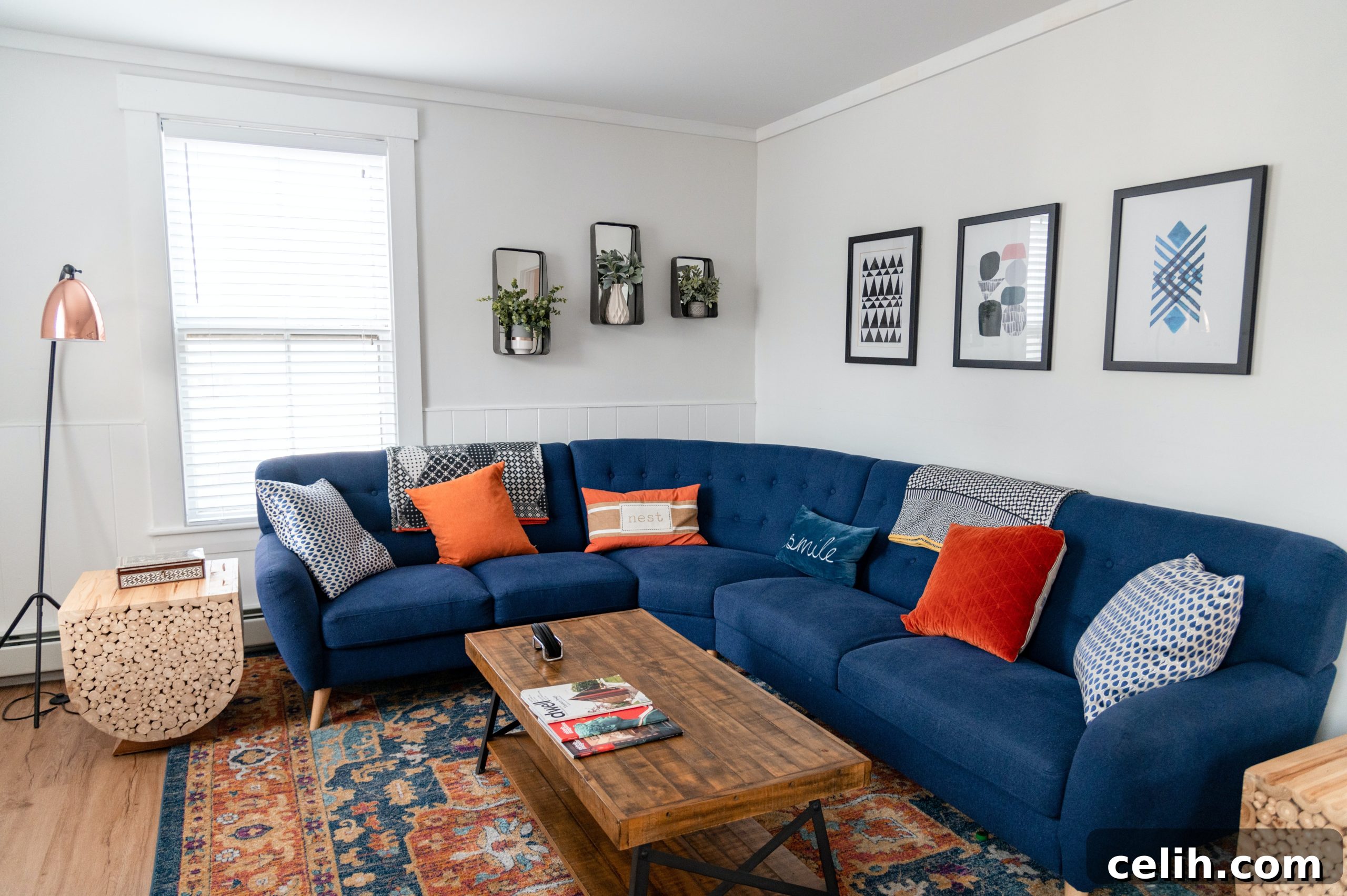
In today’s fast-paced world, and especially after recent global events, the concept of home comfort has taken on unprecedented importance. Your home is more than just a place to live; it’s a sanctuary, a refuge, and a reflection of your inner peace. If you’ve found yourself feeling a disconnect with your living space, perhaps feeling that it lacks a certain warmth or functionality, even if it appears perfectly adequate, you’re not alone. Extended periods spent indoors have sharpened our perceptions, leading us to scrutinize our surroundings more intensely. Creating a home environment that genuinely nurtures your mind, body, and soul is essential for overall well-being. While a complete home renovation might seem like a distant dream, particularly if resources are limited, transforming your space into a haven of comfort is entirely achievable through thoughtful, smaller upgrades. This guide explores practical and inspiring ways to enhance your home’s design and atmosphere, turning it into a truly pleasurable and comfortable living experience without breaking the bank.
Elevating Your Bedroom into a Restful Retreat
In an era where stress levels are frequently elevated, prioritizing proper rest and downtime is paramount, and your bedroom plays a pivotal role in this. Even without investing in an entirely new bed frame, numerous upgrades can significantly enhance your sleep quality and overall bedroom comfort. The foundation of a good night’s sleep begins with your mattress. While revolutionary “bed in a box” options have made quality mattresses more accessible, you can also uncover fantastic deals on beds and mattresses online by knowing where to search. Websites such as Netvouchercodes.co.uk often feature discount codes, allowing you to find a mattress that aligns with both your comfort preferences and your budget.
For those with tighter financial constraints, simple yet effective solutions abound. Begin by thoroughly cleaning your existing mattress; a fresh, clean sleep surface can make a noticeable difference. Beyond the mattress, focus on accoutrements that elevate comfort. Investing in comfortable pillows tailored to your sleeping style (side, back, stomach sleeper) and seasonal blankets will instantly transform the feel of your bed. Consider options like memory foam for support, down for plushness, or hypoallergenic alternatives. Furthermore, the power of scent in creating a tranquil atmosphere cannot be overstated. An aroma diffuser with calming essential oils like lavender, chamomile, or peppermint can significantly impact your mood and promote relaxation. These subtle sensory enhancements contribute immensely to a restful sanctuary, proving that the right ambiance can have a profound impact on your mental well-being and sleep quality.
Designing an Efficient and Comfortable Home Office Space
Establishing a dedicated home office, if you haven’t already, can profoundly revolutionize your approach to remote work and enhance your overall home comfort. The ideal home office setup is largely dictated by the space available. While many dream of a dedicated spare room, a functional and comfortable workspace can be carved out even in a small corner of an existing room. The essential components remain a sturdy desk, an ergonomic chair, and adequate lighting. Resources like Realsimple.com offer practical guides for creating makeshift offices, but the true advantage of working from home lies in the ability to tailor your environment for maximum comfort and productivity.
However, it’s a delicate balance; while you want comfort, you must avoid making it *too* comfortable, lest your productivity wane. For instance, working from your bed, though seemingly convenient, can blur the lines between rest and work, ultimately hindering both. Instead, focus on creating a defined workspace that fosters a professional mindset. This might involve utilizing portable or makeshift tables, such as a laptop stand designed for use on a couch or a small folding desk that can be tucked away. Ergonomics should be a key consideration; ensure your chair provides good lumbar support, your screen is at eye level, and your keyboard and mouse are positioned comfortably. Proper lighting, whether natural or supplemented by a good task lamp, is also crucial to reduce eye strain. By consciously designing a space that supports both comfort and concentration, you can create a home office that genuinely enhances your work-from-home experience and contributes to your overall sense of well-being within your comfortable home.
Revitalizing Your Space Through Furniture Rearrangement
One of the most impactful, yet often overlooked, ways to breathe new life into your home and completely reinvigorate your perception of your living space is by strategically rearranging your furniture. This simple act can make an old, familiar room feel entirely new and exciting, without the cost of new purchases. When planning a furniture refresh, adopting an “architectural view” is highly beneficial. Start by measuring your furniture pieces and the dimensions of your room. Sketch out a floor plan, or even better, use masking tape on the floor to physically mark out where your furniture could go. This blueprint approach helps visualize the new layout and ensures that each piece will fit harmoniously, preventing the frustration of endlessly moving heavy items for no substantial gain.
Consider the flow and functionality of each room. Are there clear pathways for movement? Does the arrangement support the primary activities performed in that space, whether it’s conversation in the living room, dining in the kitchen, or relaxation in the bedroom? Think about creating focal points and balancing the visual weight of your furniture. For instance, a large sofa might be balanced by two smaller armchairs opposite it. Don’t be afraid to experiment with angles or move pieces to unexpected locations. A console table might work perfectly behind a sofa, or an armchair could find a new purpose in a quiet corner. Rearranging furniture isn’t just about aesthetics; it’s about optimizing the energy and functionality of your home, making it feel more expansive, intentional, and ultimately, more comfortable and inviting.
Infusing Personality Through Thoughtful Interior Decorating
One of the most rewarding aspects of creating a comfortable home is the ability to personalize your interior spaces, often with your own hands. When your home is dotted with details that reflect your unique personality and creativity, it inherently feels more like “yours” – a feeling especially valuable if you’re renting and major structural changes aren’t an option. Harnessing traditional crafts can yield beautiful and personal decorative elements. For instance, if you’re skilled in knitting or sewing, you can create bespoke bedspreads, throws, or rugs that add warmth, texture, and a distinct character to any room. Many individuals are currently learning how to knit and sew, recognizing the joy and practicality of handmade items, particularly as the colder months approach.
Beyond textiles, consider other artistic outlets. If you enjoy drawing or painting, frame your artwork and display it on your walls to create a unique gallery. Homemade ceramics, pottery, or sculptural pieces can serve as eye-catching focal points on shelves or tables, drawing attention and adding an artisan touch. Incorporating these personal, handmade elements not only makes your home distinctly yours but also imbues it with a sense of history and care. Remember, the definition of a comfortable space is deeply personal; it doesn’t necessitate adhering to a specific style or being filled with commercially produced items. Instead, true comfort stems from an environment that authentically expresses who you are, making every corner feel welcoming and filled with personal significance.
Cultivating Dedicated Relaxation Corners for Ultimate Comfort
In our increasingly busy lives, it’s crucial to be intentional about how and where you spend your downtime at home. Understanding your relaxation habits – whether you prefer curling up in an armchair with a book, engaging in board games around a table, or simply enjoying a quiet moment – should guide your furniture placement and overall home design. However, even if your schedule doesn’t always allow for extensive leisure, intentionally creating a designated relaxation corner can serve as a vital permission slip to embrace much-needed downtime and enhance your home comfort.
This corner doesn’t require vast space. In an apartment, a small table and a comfortable chair by a window or on a balcony can become a cherished spot for morning coffee, evening sunsets, or simply observing the world outside. Adding a cozy blanket, a favorite mug, and perhaps a small plant can further enhance its appeal. For a more unique touch, consider a hammock. Options for a hammock online abound, from traditional indoor hanging styles to free-standing models that can transform a corner into an instant oasis of calm. These carefully curated nooks provide a mental and physical break from daily stressors, offering a dedicated space for reflection, reading, or simply being. It’s these small, thoughtful considerations – creating spaces specifically designed for unwinding – that collectively contribute to making your entire home a more comfortable, serene, and restorative environment.
Embracing Nature: The Benefits of Adding Greenery to Your Home
Integrating greenery into your home is a powerful and surprisingly simple way to enhance comfort, aesthetics, and even air quality. Plants are natural air purifiers, absorbing toxins and releasing oxygen, which contributes to a fresher, healthier indoor environment. Beyond their functional benefits, indoor plants instantly revitalize a space, adding vibrant splashes of color and organic textures that soften harsh lines and create a more inviting atmosphere. For those who might feel apprehensive about turning their home into a veritable jungle, there are many low-maintenance options that thrive indoors, such as snake plants, ZZ plants, Pothos, and peace lilies. These resilient species are perfect for beginners and require minimal fuss.
If live plants aren’t feasible or desirable, consider bringing nature indoors through fresh cut flowers. Beautifully arranged bouquets can instantly elevate the mood of a room, though it’s important to remember they’ll need replacing every few weeks. Another excellent alternative is high-quality faux plants. Modern artificial plants are incredibly realistic and offer all the aesthetic benefits without any of the care requirements, making them ideal for busy individuals or those without a green thumb. Whether through living flora or carefully chosen arrangements, incorporating nature is an incredible way to inject an organic touch, a sense of calm, and a refreshing vitality into your living spaces, making your comfortable home feel even more harmonious and alive.
Ultimately, creating a truly comfortable home begins with a shift in mindset: learning to relax and appreciate your space. In an age where we spend more time than ever within our walls, it’s easy to become overly critical or frustrated with perceived imperfections, especially when budget constraints add to the challenge. However, achieving a comfortable, inviting home doesn’t require extensive renovations or deep pockets. By focusing on these thoughtful, incremental upgrades – from enhancing your sleep environment and optimizing your workspace to personalizing your decor and embracing the power of nature – you can transform your living space into a sanctuary that genuinely supports your well-being. These small adjustments collectively create a profound impact, proving that a comfortable home is indeed easily within reach.