
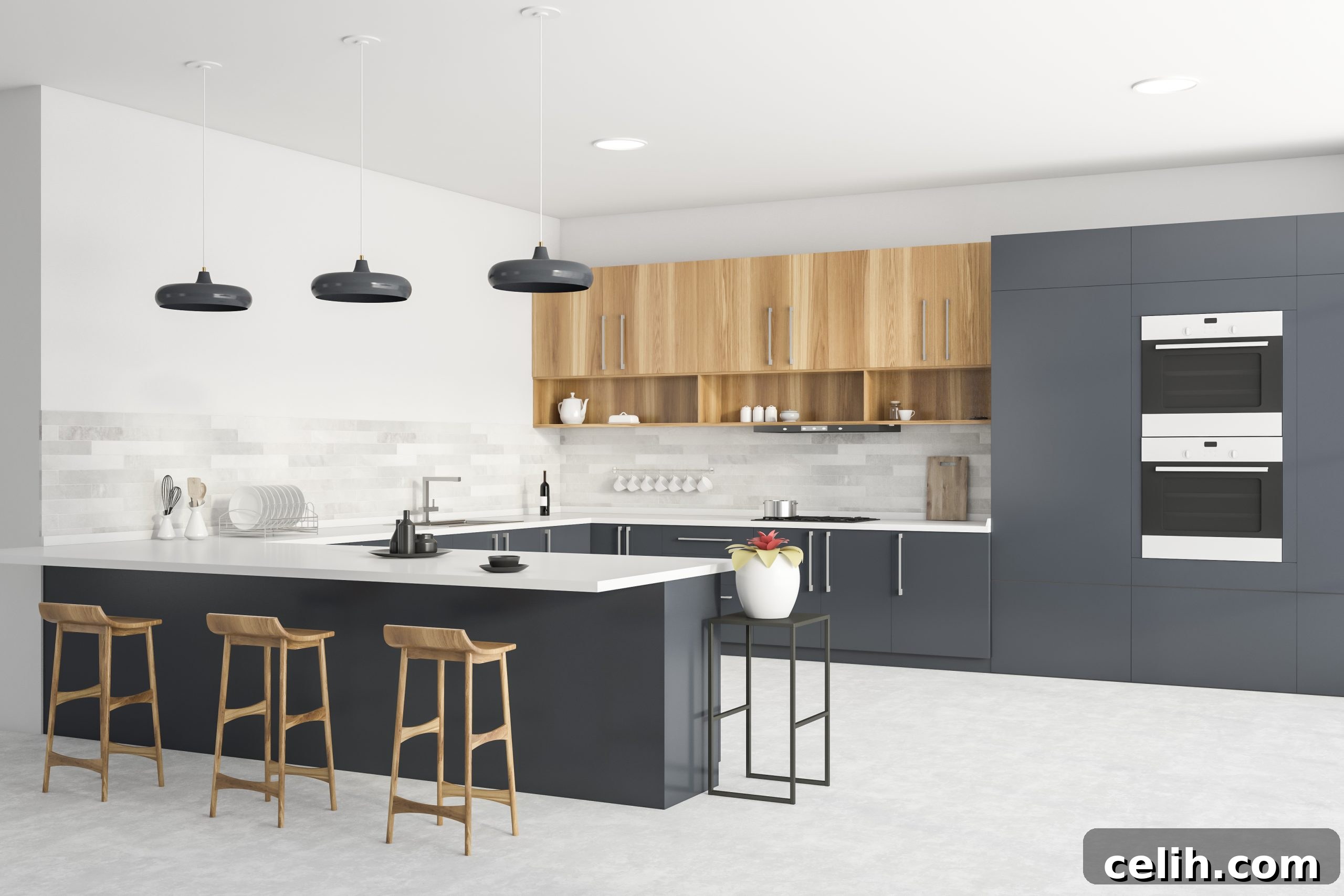
A kitchen remodel often tops the list for homeowners looking to boost their property’s value, enhance functionality, and infuse style into the heart of their home. The excitement of planning your dream kitchen makeover can be intoxicating, making it easy to fall for fleeting trends or impulsive decor decisions. While these choices might seem brilliant in the moment, they can quickly transform into costly mistakes and sources of regret down the line. Whether you’re embarking on a comprehensive kitchen renovation or simply making minor cosmetic updates like refreshing backsplash tiles or upgrading cabinet hardware, understanding and avoiding common pitfalls in kitchen design is crucial. Thoughtful planning now will ensure you achieve the beautiful, highly functional kitchen you envision, free from buyer’s remorse. To guide you through this important process, here are several key areas demanding close attention when undertaking your kitchen update.
Creating a truly magnificent kitchen involves a blend of aesthetic appeal, robust functionality, and smart, sustainable choices. By anticipating potential issues and making informed decisions, you can design a space that not only looks stunning but also serves your family’s needs efficiently for many years to come. This guide will delve into specific design elements, offering insights and practical advice to help you navigate your kitchen remodel with confidence, ensuring every investment contributes to lasting satisfaction and enduring value.
Selecting the Right Materials for Worktops
While countertops might appear to be a straightforward choice in your dream kitchen design, selecting the wrong material can lead to frustrating and ongoing maintenance issues. The allure of natural stones like beautiful granite or luxurious marble is undeniable; they can undeniably elevate your kitchen’s style with their unique patterns and exquisite veining. However, this aesthetic comes with a significant trade-off: they are porous materials that require consistent resealing to prevent staining from common kitchen culprits like red wine, coffee, oils, and acidic foods. Without proper care, etching and other damage can quickly diminish their pristine appearance, requiring costly professional restoration.
Tile countertops, while initially appearing to solve some maintenance woes due to their durability, introduce their own set of challenges. The grout lines, no matter how diligently cleaned, inevitably trap grime, food particles, and bacteria, making them a less hygienic option and notoriously difficult to keep spotless. Over time, grout can also crack or discolor, further detracting from the kitchen’s appeal. These practical drawbacks often overshadow their initial visual appeal, leading to constant frustration for homeowners.
Fortunately, the market offers a wide array of high-performance alternatives that combine durability with stunning aesthetics. Engineered quartz, for instance, has surged in popularity due to its non-porous nature, making it highly resistant to stains, scratches, and chips, thus requiring minimal maintenance. It flawlessly emulates the look of natural stone while standing up exceptionally well to the heavy demands of a busy kitchen. Similarly, solid surface materials like Corian offer seamless integration, a non-porous surface, and the ability to be easily repaired if damaged. Even advanced laminate products have evolved significantly, perfectly mimicking the appearance of natural stones and tiles with improved durability and affordability.
Investing a bit more upfront in these worry-free countertop materials can save you substantial money, time, and stress over the years. They provide the look you love without the burden of constant upkeep, ensuring your kitchen remains both beautiful and functional for decades. When choosing, consider your lifestyle, cooking habits, and tolerance for maintenance to make an informed decision that truly enhances your kitchen experience.
Avoiding Lacklustre Lighting Choices
Lighting profoundly impacts a kitchen’s atmosphere and functionality, making a significant impression on visitors and potential buyers, often on a subconscious level. While you might personally tolerate working under dim, warm-toned downlights, shadowy spaces inevitably come across as dreary, unwelcoming, and even smaller than they are. Lacklustre lighting not only creates an uninviting ambiance but also fails to showcase all those beautiful new cabinets, sparkling backsplash tiles, and meticulously chosen finishes you’ve invested in, essentially hiding your design efforts in the dark.
Effective kitchen lighting is about more than just illumination; it’s about creating layers of light that serve different purposes. You need a robust ambient light source for general illumination, bright task lighting over work surfaces for safe and efficient food preparation, and accent lighting to highlight architectural features or decorative elements. Relying on a single overhead fixture often results in an unevenly lit space with harsh shadows and glares, compromising both aesthetics and practicality.
Instead, focus on designing a multi-layered lighting scheme that incorporates bright, neutral light sources. Neutral color temperatures (around 4000K) are generally flattering to all color schemes, ensuring your kitchen’s true palette shines through. For ambient lighting, recessed LED lights provide even, unobtrusive illumination. For task lighting, consider under-cabinet strip lighting to brighten countertops and pendants positioned strategically over islands or dining areas to offer focused light without glare. These elements not only improve visibility but also add depth and visual interest to the room. When choosing fixtures, opt for classic styles in timeless finishes that complement your overall design aesthetic and will remain appealing even as trends evolve. Integrating dimmers for various light sources allows you to adjust the mood and intensity, transforming the kitchen from a brightly lit workspace to a warm, inviting social hub. Keeping future resale appeal in mind with this key element helps future-proof your kitchen decor and enhances its desirability.
The Importance of Proper Ventilation
The increasing popularity of open-concept home layouts, while fostering a sense of spaciousness and connectivity, introduces a unique and often underestimated challenge when it comes to containing kitchen smells and moisture. Potent food odors, whether from frying fish or strong spices, drifting freely through open living spaces become far more than a minor nuisance. They can quickly make entertaining guests unpleasant, permeate fabrics throughout adjoining rooms, and even linger for days, creating an unwelcome atmosphere. Beyond just odors, the build-up of steam and grease vapor from cooking significantly increases the risk of mold and mildew forming from condensation, not just in the kitchen itself but also on nearby walls and ceilings, posing health risks and requiring extensive cleaning.
Focused and efficient ventilation is therefore absolutely key to enjoying an uninterrupted flow between kitchen and living zones without unwanted scents, grease buildup, or moisture issues. A well-designed ventilation system actively extracts cooking byproducts from the air, expelling them outside the home rather than merely recirculating them. Traditional ducted range hoods positioned above the cooktop are a common and effective solution, available in various styles to complement any kitchen aesthetic, from sleek chimney hoods to integrated under-cabinet units.
For those who prefer a more minimalist look or have island cooktops where an overhead hood might obstruct sightlines, downdraft ventilation systems offer an innovative and convenient alternative. These systems discreetly rise from the countertop or integrated within the cooktop itself, drawing steam, grease, and odors down and away, out of sight, rather than pulling them upwards. Their narrower profiles blend seamlessly into counters and islands, without imposing on sightlines, disrupting open-concept aesthetics, or sacrificing precious storage space above. When planning your ventilation, consider the power of your cooktop and choose a system with an adequate CFM (Cubic Feet per Minute) rating to effectively handle your cooking style. Integrating the ventilation system early in the design process ensures proper ductwork can be installed, optimizing its performance and ensuring your kitchen remains fresh, clean, and healthy.
Rethinking Ultra-Deep Cabinets
The promise of abundant storage offered by deep kitchen cabinets often sounds like a dream come true during the planning phase. However, this dream can quickly turn into a frustrating reality once you find yourself constantly reaching, bending, and rummaging for items tucked away in the shadowy recesses of the back. While the expanded capacity certainly grants plenty of space to stash gadgets, small appliances, and cookware, the inherent difficulty lies in the wasted zones at the very back of these deep interiors. Items become easily forgotten, inaccessible, and contribute to an inefficient workflow, undermining the very purpose of increased storage.
Rather than letting these generous proportions go underutilized and create storage black holes, the key is to integrate smart organizational systems that effectively leverage every available inch of space. For base cabinets, pull-out shelves or drawers that fully extend are revolutionary. They bring the contents of the deep interior forward, making every item easily visible and accessible without requiring you to get on your hands and knees. Similarly, for those often-problematic corner cabinets, spinning Lazy Susans are incredibly efficient for arranging stacked goods like pots, pans, or dry goods, allowing for quick retrieval with a simple rotation. Modern solutions like “Magic Corner” units further maximize these challenging spaces with intricate pull-out mechanisms.
For upper cabinets, incorporating vertical dividers for baking sheets, cutting boards, or platters can prevent clutter and make specific items easier to grab. Drawers, both shallow and deep, can also subdivide cavernous cavities into more efficiently sized compartments, perfect for organizing cooking tools, spices, or bakeware. Investing in drawer organizers and inserts tailored to your specific needs transforms these deep cabinets from a nuisance into a truly valuable asset. You’ll enjoy the peace of mind knowing exactly where to find any item, minimize countertop clutter by having designated homes for everything, and significantly improve the overall efficiency and enjoyment of your kitchen space. Smart storage is about accessibility, not just capacity.
Choosing the Right Type of Flooring
The kitchen floor is arguably one of the most hardworking surfaces in your entire home, enduring some of the heaviest foot traffic, constant movement of appliances, and an inevitable barrage of spills, drops, and general wear and tear. Therefore, choosing flooring solely for its visual appeal without meticulously evaluating its practical factors is a common misstep that sets the stage for disappointing performance, relentless maintenance headaches, and potential safety issues. What appears ultra-chic in glossy photos or small samples may simply not hold up well to the rigors of everyday life in an actual, busy kitchen, leading to premature aging and dissatisfaction.
Before committing to trendy but temperamental surfaces like highly polished concrete or delicate white marble tile, it’s crucial to realistically assess how they will age and perform after just a few years of relentless foot traffic, the shifting and dragging of appliances, the scuff marks from furniture, and the inevitable spills from cooking. Will they show every scratch, stain easily, or become dangerously slippery when wet? Consider the comfort level too; hard surfaces can be tiring to stand on for extended periods. Opt instead for practical, durable, and kitchen-suited flooring materials that are designed to stand the test of time and activity. Options like luxury vinyl plank (LVP) or tile (LVT), porcelain or ceramic tiles, and even engineered hardwood offer excellent durability, moisture resistance, and a wide range of aesthetic options.
When selecting your kitchen flooring, prioritize features such as water resistance, ease of cleaning, slip resistance, and durability against impacts and scratches. Porcelain tiles, for instance, are incredibly hard-wearing and water-resistant, making them a superb choice, though they can be hard underfoot. Luxury vinyl offers excellent water resistance, resilience, and a warmer feel than tile, often mimicking wood or stone flawlessly. Engineered hardwood can bring warmth but requires more vigilance against spills. Choosing wisely will save you money by avoiding costly replacements after early failure and ensure your floor retains its visual charm and functional integrity after years of enjoyment. A well-chosen kitchen floor is a cornerstone of a truly practical and beautiful kitchen design.
Thorough Electrical Planning is Non-Negotiable
It’s surprisingly easy to underestimate the sheer number of electrical sockets and the strategic placement needed in a modern kitchen until you find yourself juggling appliances, relying on unsightly and potentially hazardous extension cords, or constantly searching for an available outlet. Skimping on ample plug-in capacity and failing to plan for current and future electrical needs directly interferes with your cooking workflow, restricts flexibility in where you can place essential appliances, and can even compromise safety. Imagine trying to run a stand mixer, coffee maker, and toaster simultaneously only to find you have just two outlets conveniently located.
You will never regret overestimating your kitchen plug requirements during the initial planning stages of your renovation. Attempting to add them in after you’ve spent significant time and money on decorating, installing cabinets, and finishing walls is not only disruptive and messy but also considerably more expensive and complicated. Such afterthoughts can lead to compromised aesthetics and frustrating compromises.
The key is to plan socket placement early on in your renovation design, ideally before settling on final cabinet layouts and finishes. Be generous with your estimates for the number of outlets, and consider both dedicated circuits for high-power appliances (like ovens, refrigerators, and microwaves) and general-purpose outlets for small countertop gadgets. Think about every item that needs power: blenders, food processors, phone chargers, tablet holders for recipes, under-cabinet lighting, and even smart home devices. Strategically place outlets near prep zones, in kitchen islands, inside pantry cabinets for charging cordless vacuums, and even in unexpected places like charging stations at seat level along a counter or island. This allows you to discreetly accommodate small electronics without cluttering up premium counter space. Ensure all outlets near water sources are Ground Fault Circuit Interrupter (GFCI) protected for safety. Having excess outlets unnoticeably tucked behind appliances or subtly integrated into the design is infinitely preferable to scrambling to meet power needs down the road, ensuring both convenience and compliance with electrical codes. Collaborate closely with a qualified electrician from the very beginning to ensure your kitchen is not only beautiful but also safe and truly functional for modern living.
Kitchen remodels, fueled by the latest trends, open layouts, and luxurious materials, undeniably represent an exciting, and often substantial, investment. However, not all gorgeous decorating choices stand the test of time, and the initial thrill of the renovation can quickly fade when faced with the realities of daily use and ongoing maintenance. To truly save money and minimize hassle in the long run, the emphasis must shift from fleeting aesthetics to durable, low-maintenance materials and timeless design principles.
Prioritizing robust functionality, ease of care, and enduring style over flashy, ‘for-the-moment’ looks is paramount. Materials that require frequent upkeep or are prone to damage will inevitably lead to frustration and additional expenses. Furthermore, timelessness should be a guiding principle in all aesthetic decisions. Chasing bold, highly specific trends can shorten your kitchen’s appeal, making it feel dated much sooner and potentially reducing its attractiveness to future home buyers. By focusing on quality, practicality, and design that transcends passing fads, you will create a kitchen that not only serves your family beautifully for years but also maintains its value and appeal as a significant asset to your home.