
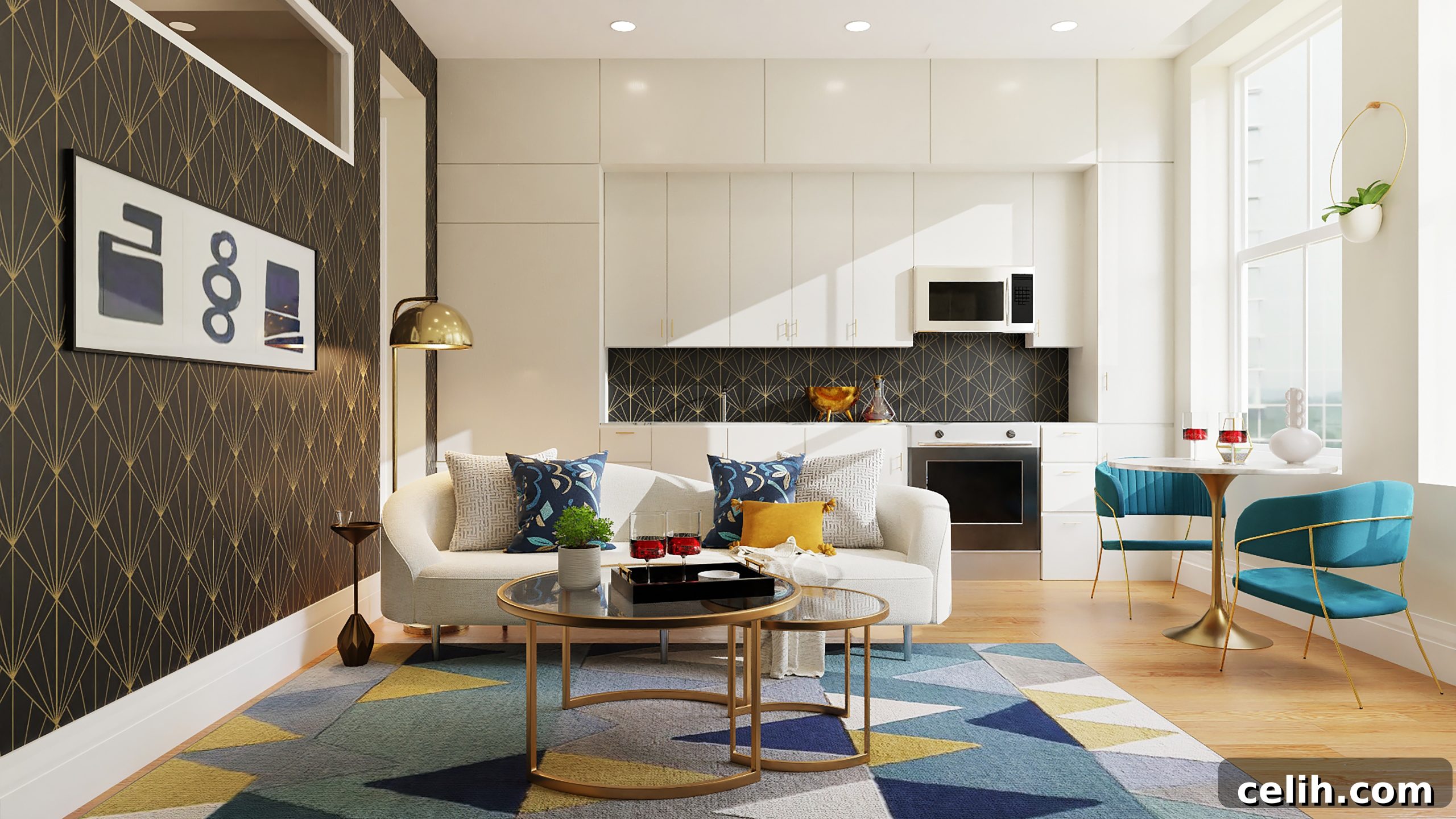
Purchasing a new home is an exhilarating and significant life event, marking the beginning of a fresh chapter, often in a new location, and invariably, with the exciting prospect of new furnishings. The popularity of new build properties has surged in recent years, largely thanks to their pristine, modern finishings and the undeniable appeal of a blank canvas awaiting your personal touch. However, this very blankness, while a significant advantage, can also feel a little daunting when it comes to decorating, leaving many homeowners wondering where to begin their interior design journey.
Whether you’re embarking on an exciting upgrade, looking to downsize into a more manageable space, or starting completely from scratch with your very first home, transforming a new build property into a beloved living space requires thoughtful planning and creative execution. This comprehensive guide offers invaluable tips and strategies to help you furnish the new build property you’ve always envisioned, ensuring it evolves into the perfect, comfortable, and stylish home for you and your family.
Begin with Thoughtful Investment Pieces
The term “investment piece” might initially evoke thoughts of exorbitant expenses, but it’s more beneficial to perceive these items as essential, foundational expenditures for your home. Prioritizing these key pieces early in your decorating process is a wise approach, as they form the backbone of your home’s aesthetic and functionality. When selecting these items, focus on furniture that epitomizes both exceptional durability and supreme comfort. Due to their often considerable size and central placement, investment pieces naturally become one of the main focal points in any room, dictating much of the overall atmosphere and flow. Consequently, they must not only seamlessly align with the room’s overarching theme and chosen colour scheme but also maintain a high degree of practicality and versatility for years to come.
A quality dining set is unequivocally a must-have for any home, serving as a central hub for family meals, entertaining guests, and even informal work sessions. It’s crucial to make the right choice here. Aim for a dining table that is generously sized to comfortably accommodate your entire family, ensuring ample space for everyone, alongside a sufficient number of matching or complementary chairs. Consider the material and finish carefully; while glossy or matte designs can impart a sleek, contemporary, and clean aesthetic, natural timber or rich wood finishes often provide a much-needed sense of texture, warmth, and timeless elegance to the dining space. The choice between materials can dramatically alter the room’s character, from minimalist chic to rustic charm.
Similarly, a high-quality sofa will serve as a resilient centrepiece for your living area for many years, significantly reducing the frequency and cost of replacement. Again, the principle of scale is paramount: opt for a sofa that is large enough to comfortably seat your family and fits harmoniously within the dimensions of your living space. Beyond size, material selection is key. While luxurious leather upholstery might be inherently appealing for its sophisticated look and durability, a darker fabric may prove to be a more beneficial and practical choice, especially in busy households, as it is more forgiving of everyday spills and general wear, helping it maintain a clean and fresh appearance over time. Consider performance fabrics for added stain resistance, particularly if you have children or pets. The frame construction is equally vital; look for kiln-dried hardwood frames and high-density foam cushions for lasting support and comfort. A well-chosen sofa is not just a place to sit, but a sanctuary for relaxation and connection.
When thinking about other potential investment pieces, consider your lifestyle. A sturdy, ergonomic bed frame in the master bedroom, a substantial media console that offers both storage and style, or a well-built, comfortable desk for a home office can all be considered long-term investments that enhance both the functionality and aesthetic appeal of your new build. These pieces should be chosen with a balance of enduring style, robust construction, and personal comfort in mind, ensuring they contribute positively to your home’s character for many years.
Elevate Your Floor Space with Style and Texture
New build properties often feature neutral-coloured carpets or simple tiling, which, while offering a clean foundation, can sometimes feel a bit impersonal. The good news is that adding character to your floor space doesn’t necessitate an expensive overhaul of your existing flooring. A simple yet remarkably effective strategy is to introduce strategically placed rugs under your dining table, in the heart of your living room, or even in key transitional areas. Rugs are transformative elements that can define zones, add warmth, absorb sound, and inject significant visual interest into any room.
Opting for a beautifully designed rug, perhaps one that resembles a piece of abstract art or features an intricate pattern, can truly tie the entire look of a room together. It serves as a subtle yet powerful way of adding a splash of colour, texture, and personality without overwhelming the space. When choosing a rug, consider its material – wool for luxury and durability, cotton for ease of cleaning, jute for natural texture, or synthetics for stain resistance and affordability. Beyond aesthetics, proper rug sizing is crucial. A common mistake is selecting a rug that is too small for the space; ensure your living room rug allows for at least the front legs of all major furniture pieces to rest on it, and your dining room rug extends far enough for chairs to remain on it even when pulled out. This creates a sense of cohesion and defines the area effectively.
To further enhance the room’s appeal, don’t forget to incorporate some accent colours that beautifully complement the tones found in your rug and other furnishings. These splashes of colour can be introduced through throw pillows, soft blankets, elegant curtains, or captivating artwork. These elements work in harmony to create a layered, inviting look. Additionally, consider adding some thoughtful finishing touches. This could manifest as a dark wood shelf displaying cherished items, a stylish side table offering both functionality and aesthetic appeal, or even well-placed indoor plants that bring life and freshness into the space. Mirrors are also excellent for reflecting light and making a room feel larger, especially when positioned opposite a window. These details, no matter how small, contribute immensely to the overall character and comfort of your new home, making it distinctly yours.
Illuminate Your Space with Strategic Lighting Design
Effective lighting is a cornerstone of exceptional interior design, capable of transforming the mood, perceived size, and functionality of any room. It’s highly recommended to design your lighting scheme as early as possible, ideally as soon as you have a floor plan for your new build. This proactive approach allows you to meticulously plan the placement of all electrical points, ensuring optimal functionality and aesthetic appeal. Start by working out where you’d like your three main types of lighting – task, decorative, and ambient – to go, carefully considering all necessary fittings and switches. Depending on the complexity and scope of the electrical work involved, consulting with a qualified electrician or a professional lighting designer early in the process is often a prudent investment.
Regardless of the amount of glorious natural light that streams into your new home, thoughtful planning for artificial light sources is essential for those dark winter mornings, overcast days, and particularly for creating warm, inviting atmospheres during cosy evenings. The key to a well-lit home is layering different light sources in each room. Ensure you have a balanced mixture that includes ambient or general lighting (such as overhead linear lighting or recessed downlights for overall illumination), task lighting (like reading lamps by a sofa or bedside, or under-cabinet lights in the kitchen for specific activities), and decorative or accent lighting (such as stylish table lamps, elegant wall sconces, or picture lights to highlight artwork and create mood). Dimmers are also invaluable tools, offering flexibility to adjust the light intensity and adapt the ambiance to different times of day or specific occasions. Consider the colour temperature of your bulbs as well; warmer temperatures (lower Kelvin) create a cozier feel, while cooler temperatures (higher Kelvin) are more energizing.
Beyond the functional aspects, lighting fixtures themselves are powerful decorative elements. Choose styles that complement your home’s overall design aesthetic, whether it’s sleek modern pendants, rustic farmhouse chandeliers, or classic traditional sconces. In the living room, a combination of ceiling lights for general illumination, floor lamps for reading, and accent lamps on side tables can create a dynamic and inviting space. In the dining room, a statement pendant light over the table can serve as a dramatic focal point, complemented by subtle recessed lighting. Bedrooms benefit from soft ambient lighting, paired with functional bedside lamps for reading. Even hallways and entryways can be elevated with appropriate lighting, making them welcoming and safely navigable. Strategic lighting not only illuminates your space but also enhances its beauty, functionality, and emotional appeal, truly transforming a house into a home.