
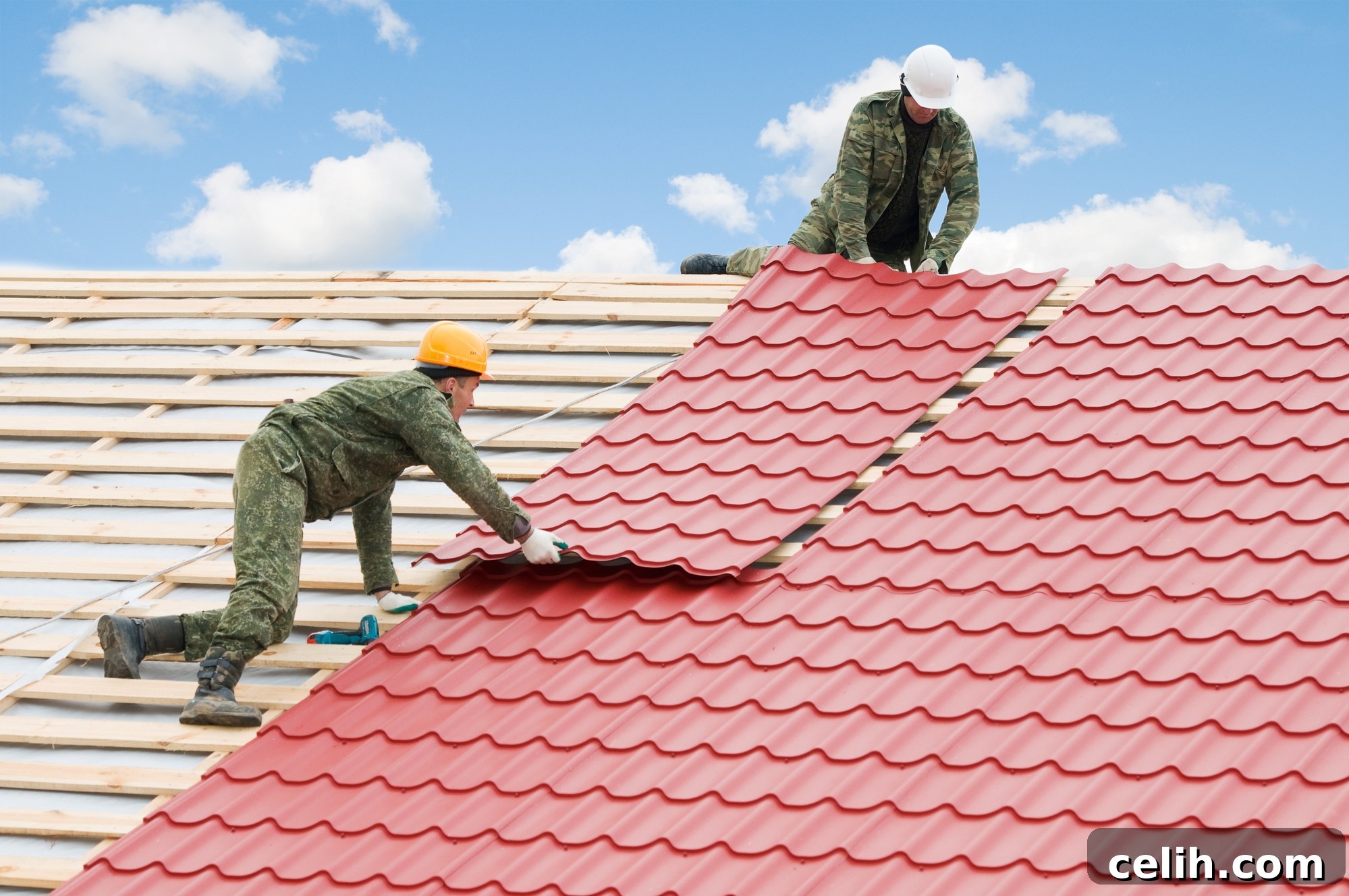
Deciding to replace your home’s roof is a significant undertaking, representing a substantial investment in your property’s future. Whether prompted by visible damage, the roof’s age, or a desire to enhance your home’s curb appeal and energy efficiency, understanding the multifaceted aspects of this project is paramount. A comprehensive grasp of both the financial implications and the myriad benefits associated with a complete roof replacement will empower you to make an informed decision that truly adds value to your home. This guide delves into the essential considerations, from budgeting and material selection to timing and contractor choice, ensuring you are well-equipped to navigate this crucial home improvement journey.
Understanding the Financial Landscape of Roof Replacement
The cost of a roof replacement project is highly variable, influenced by numerous factors. While national averages often range from $5,000 to $25,000, specific projects can fall outside this spectrum. Key determinants include the overall size and complexity of your roof (e.g., pitch, number of valleys, chimneys), the specific roofing materials chosen, and the prevailing labor costs in your geographic region. Approximately 60% of the total cost can be attributed to labor, highlighting the importance of skilled professionals. Additional factors such as the removal of your existing roof, structural repairs, or special equipment requirements can also impact the final price.
Investing in high-quality materials, such as durable metal roofing or elegant slate, might involve a higher upfront cost. However, these materials often boast significantly longer lifespans and superior resilience, leading to substantial savings on repairs and maintenance over time. When evaluating the total cost of roof replacement, it’s crucial to consider the potential long-term return on investment (ROI). Data suggests that a new roof can yield an ROI of approximately 60% to 70% upon selling your home, making it one of the most impactful home upgrades.
Beyond the direct increase in property value, a new roof contributes to improved energy efficiency, which translates into lower monthly utility bills. Modern roofing materials and proper installation techniques can significantly enhance your home’s insulation, reducing the workload on your heating and cooling systems. Furthermore, an aesthetically pleasing, updated roof dramatically boosts your home’s curb appeal, making it more attractive to prospective buyers. Homes with a well-maintained, contemporary roof often sell faster and command higher offers, solidifying the financial wisdom of this important investment.
Beyond the Numbers: Assessing the Comprehensive Benefits of a New Roof
While the financial aspects are compelling, homeowners often discover a wealth of benefits extending far beyond monetary considerations. A new roof is not merely a repair; it’s a revitalization that profoundly impacts your home’s safety, comfort, and longevity. An aging roof typically exhibits tell-tale signs of wear, such as curling or missing shingles, cracks, granules shedding, or even noticeable leaks. Ignoring these issues can lead to more severe problems, including water infiltration, mold growth, structural damage, and pest infestations, all of which carry significant repair costs and compromise your home’s integrity.
Modern roofing materials and installation practices provide enhanced protection against a range of environmental threats. A robust new roof acts as an impenetrable barrier, safeguarding your home from harsh weather, strong winds, hail, and heavy precipitation. This superior protection prevents costly internal damage and extends the life of your home’s structure. Many contemporary roofing products are engineered with advanced features like improved fire resistance, impact resistance, and even reflective properties that help reduce heat absorption, contributing directly to a cooler home in warmer climates.
One of the most immediate and tangible benefits is enhanced energy efficiency. Today’s roofing systems are designed to offer superior insulation, helping to maintain a stable indoor temperature regardless of external conditions. This reduction in thermal transfer means your HVAC system operates more efficiently, leading to noticeable decreases in your monthly energy bills. Staying compliant with increasingly stringent energy codes is another advantage, as modern roofs often meet or exceed current standards, further increasing your home’s marketability and appeal. Ultimately, a new roof provides invaluable peace of mind, alleviating concerns about unexpected leaks or storm damage and ensuring a safe, comfortable, and protected living environment for your family.
Exploring Diverse Roofing Materials: A Guide to Selection
Selecting the appropriate roofing material is a pivotal decision that impacts your roof’s performance, longevity, and overall aesthetic appeal. Each material type presents unique advantages and disadvantages, making it essential to align your choice with your budget, climate, architectural style, and maintenance preferences.
- Asphalt Shingles: The most prevalent roofing material in North America, asphalt shingles are celebrated for their affordability, ease of installation, and wide array of colors and styles. They typically last 20-30 years, with architectural shingles offering enhanced durability and a more dimensional look compared to traditional 3-tab shingles. While budget-friendly, their lifespan can be shorter in extreme climates or if maintenance is neglected.
- Metal Roofing: Gaining significant popularity, metal roofs are prized for their exceptional longevity (40-70 years), durability, and resistance to fire, wind, and impact. Available in various forms like standing seam, corrugated panels, or shingles designed to mimic other materials, metal roofs can be energy-efficient due to their reflective properties. While the upfront cost is higher, their minimal maintenance and extended lifespan often result in a lower lifecycle cost.
- Tile Roofing: Known for their distinctive aesthetic appeal and extreme durability, tile roofs (clay or concrete) are common in Mediterranean, Spanish, and Southwestern architectural styles. They are highly resistant to fire, rot, and insects, boast excellent energy efficiency, and can last 50-100 years. However, tiles are heavy, requiring robust roof framing, and installation can be more complex and costly.
- Wood Shakes and Shingles: Offering a natural, rustic charm, wood roofs (typically cedar, redwood, or cypress) can last 25-50 years with proper maintenance. Shingles are sawn for a smooth, uniform appearance, while shakes are split for a more textured look. They provide good insulation but require regular maintenance, including cleaning and treatment, and are not suitable for fire-prone areas without special treatment.
Beyond these common options, other materials like synthetic shingles (mimicking slate or wood but with enhanced durability and often recycled content), EPDM or TPO for flat roofs, and genuine slate (offering unparalleled longevity and elegance but at a premium price) are also available. Factors such as local building codes, which may dictate material requirements for fire safety or wind resistance, and your specific climate, which influences a material’s performance against heat, cold, or moisture, are crucial considerations. Finally, the environmental impact of materials, including their source, recyclability, and energy footprint, is an increasingly important factor for many homeowners.
Optimizing Your Investment: The Strategic Timing of Roof Replacement
The “when” of roof replacement can be as critical as the “what” and “how.” Identifying the best time for a roof replacement can significantly maximize your investment benefits and streamline the entire process. Beyond simply reacting to a failing roof, strategic timing involves considering seasonal factors, market conditions, and the practicalities of installation.
Seasonality plays a vital role. In many regions, late spring and early fall offer ideal weather conditions—moderate temperatures, minimal precipitation, and stable conditions—which are conducive to optimal installation quality and efficient project completion. Extreme heat can make asphalt shingles brittle and difficult to work with, while freezing temperatures can affect the adhesion of sealants and make materials inflexible. During peak seasons, contractor availability might be limited, and prices could be higher due to demand. Conversely, scheduling during off-peak seasons, such as late winter or early spring in milder climates, might open opportunities for contractor discounts and faster project scheduling.
Market timing is another important consideration, particularly if you’re contemplating selling your home. Home sales typically surge in the spring and summer months. Completing a roof replacement ahead of these peak selling periods can significantly enhance your home’s market value and curb appeal, potentially leading to a quicker sale and more competitive offers. A new roof signals to buyers that they won’t face immediate major expenses, making your property more attractive. Planning well in advance also allows homeowners to secure preferred materials and coordinate with highly-rated professionals, avoiding rushed decisions.
Critically, delaying a necessary roof replacement can lead to escalated costs. What starts as a minor leak can quickly evolve into extensive structural damage, mold proliferation, and compromised insulation. Regular inspections can help identify issues early, allowing you to plan for replacement before an emergency arises. Scheduling your project during periods of mild weather also minimizes the risk of weather-related delays, ensuring a smoother and more predictable timeline. Finally, aligning your roof replacement with other major exterior home improvements, such as siding or window upgrades, can create efficiencies, reduce overall disruption, and potentially save on labor costs.
Ensuring Success: Choosing the Right Roofing Contractor
The success of your roof replacement hinges significantly on the quality and reliability of your chosen contractor. A thorough vetting process is essential to ensure a smooth project, superior craftsmanship, and lasting peace of mind. Begin by researching potential candidates extensively, reviewing their online presence, customer testimonials, and portfolios of past projects. Personal recommendations from trusted friends, family, or neighbors can also provide invaluable insights into a contractor’s work ethic and customer service.
Verifying proper licensing and comprehensive insurance is non-negotiable. A reputable contractor should hold all necessary state and local licenses for roofing work, ensuring they operate legally and meet industry standards. Crucially, they must carry both liability insurance to protect your property against accidental damage and worker’s compensation insurance to cover their crew in case of injury. Requesting proof of these documents is a critical step in mitigating potential risks and financial exposure.
A legitimate warranty, covering both the materials and the labor, is a testament to the contractor’s confidence in their work and the products they install. Understand the terms and duration of these warranties thoroughly. Reputable contractors will offer clear guidance on material selection, project timelines, and cost estimates, providing transparent and competitive bids. Effective and consistent communication throughout the entire project is vital. Ensure your chosen contractor maintains open lines of communication, promptly addressing any questions or concerns that arise, from the initial consultation to final inspection.
Always obtain multiple detailed quotes from at least three different contractors to compare pricing, the scope of services included, and proposed timelines. Ask specific questions about their experience with your chosen roofing material, as specialized expertise can significantly influence the quality of installation. Confirm that the contractor employs certified or manufacturer-approved installers, especially for specialized materials like metal or tile, as this can affect warranty validity. Insist on a thorough written contract that outlines all project details, including materials, labor, payment schedules, cleanup procedures, and warranty specifics, to prevent misunderstandings. Finally, inquire about post-installation support, such as final inspections, minor adjustments, or emergency contact information, demonstrating a commitment to long-term satisfaction.
Embarking on a complete roof replacement may initially seem daunting, but when approached with careful planning and informed decisions, the potential costs are significantly outweighed by the numerous, lasting benefits. A comprehensive understanding of the financial implications, the tangible and intangible advantages, the diverse material options, strategic timing, and the critical process of selecting a reputable contractor collectively contribute to a well-rounded and successful project. Homeowners who invest the necessary time and resources into this crucial home improvement will undoubtedly be rewarded with an upgraded roof that not only enhances their property’s value and aesthetics but also provides decades of reliable protection and invaluable peace of mind.