
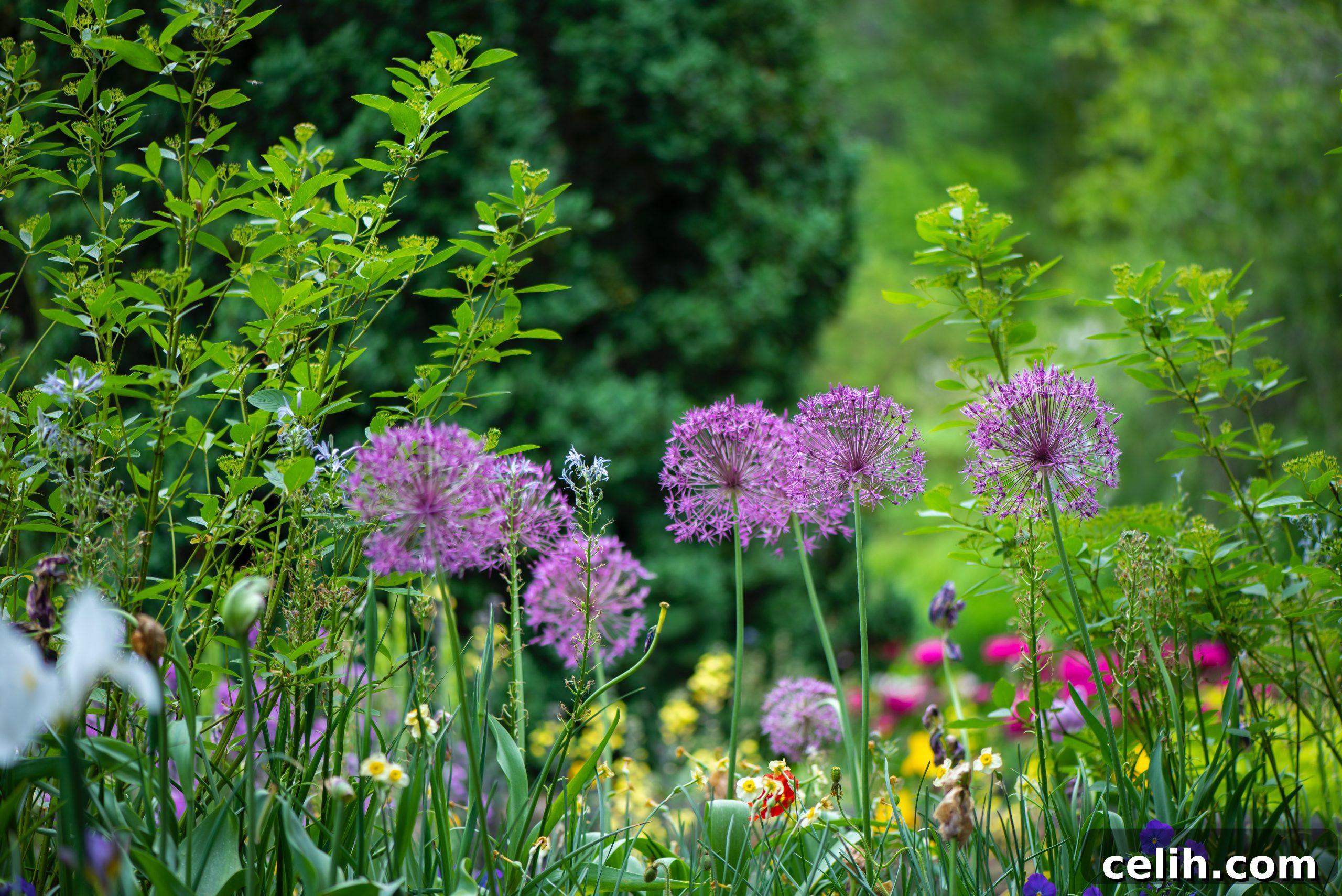
Embarking on a garden design project, whether you’re a novice homeowner, an experienced green thumb, or simply looking to maximize your backyard’s potential, is an exciting endeavor. Every outdoor space is unique, presenting its own set of challenges and opportunities. While individual goals for a garden vary widely, there are several common pitfalls that many people encounter during the design and development process. The good news is that these mistakes are largely preventable with careful planning, foresight, and a bit of knowledge. This comprehensive guide will explore some of the most frequently made garden design errors and offer actionable strategies to help you avoid them, ensuring you create a beautiful, functional, and long-lasting outdoor sanctuary.
Overlooking the Importance of Decluttering Your Outdoor Space
Upon acquiring a new property or simply observing your existing one, it becomes strikingly clear how quickly clutter can accumulate, both indoors and out. While indoor clutter often refers to unused items, decorative ornaments, or objects lacking daily purpose, the same principle applies with equal weight to your garden. Outdoor spaces can easily become repositories for forgotten gym equipment, redundant garden ornaments, broken furniture, or items awaiting a trip to the local dump. This accumulation not only detracts from the garden’s aesthetic appeal but also limits its usability and potential.
A crucial first step in any garden design or redesign project is active decluttering. This goes beyond merely tidying items away into a hidden corner, behind a shed, or under a tarpaulin. True decluttering involves a thoughtful assessment of every item in your garden. Ask yourself: Is this item functional? Does it serve a purpose? Does it bring joy or enhance the space? If the answer is no, it’s time to consider donating, repurposing, or disposing of it. By actively designing a clutter-free environment, you create a blank canvas, allowing your garden’s true potential to shine through and fostering a sense of peace and order.
Neglecting to Create Adequate Storage Solutions
Following the essential step of decluttering, the next common mistake is failing to incorporate practical storage solutions into your garden design. It’s often neither practical nor sensible to simply discard everything you own, even if certain items aren’t used daily. Essential tools like your lawnmower, various gardening tools, bicycles, and outdoor cushions all need a dedicated, protected home. Without proper storage, these items inevitably contribute to an untidy appearance, can deteriorate from exposure to the elements, and make your garden feel disorganized.
Surprisingly, many homeowners overlook the integration of storage spaces, opting instead to tolerate a perpetually cluttered garden. The minimum requirement is often a small garden shed, which can house tools, pots, and other bulky items. However, the world of outdoor storage offers far more creative and space-saving options. Consider multi-functional outdoor furniture with hidden storage, such as benches or coffee tables. Vertical storage units can be perfect for smaller tools or decorative items. Deck boxes, designed to be weather-resistant, are ideal for cushions and pool accessories. By thoughtfully planning storage from the outset, you protect your investments, maintain a clean aesthetic, and ensure your garden remains a pleasure to use.
Failing to Establish a Solid Foundation for Your Garden
Whether you’re moving into a new home or finally tackling a long-neglected garden, a critical mistake often made in the rush to see immediate results is overlooking the quality of the ground and existing structures. The foundation of your garden, encompassing its soil health, evenness, and underlying infrastructure, dictates the success and longevity of everything built upon it. For instance, if your lawn suffers from poor grass coverage, simply scattering new seeds over patchy areas might offer a temporary fix. However, for a truly strong, resilient, and healthy lawn, it’s advisable to start from scratch. This involves turning and airing the soil, enriching it with nutrients, and addressing any underlying issues before seeding.
Beyond soil, foundational issues can include old, broken pathways that pose tripping hazards and need removal, uneven grounds that require leveling for safety and aesthetic appeal, or remnants of old structures that demand proper demolition and disposal. Neglecting these fundamental elements can lead to ongoing problems, from poor plant growth and drainage issues to structural failures and increased maintenance. Investing time and effort in preparing a robust foundation—through soil testing, proper grading, and removal of unwanted elements—ensures that your garden design is built to last and thrive.
Disregarding the Local Weather and Climate Conditions
A common oversight during garden planning is failing to adequately consider the local weather and climatic conditions. Most garden projects tend to commence in the warmer, drier, and longer days of spring and summer. This seasonal bias can lead to decisions focused solely on fair-weather enjoyment, such as installing hot tubs, swimming pools, or extensive barbecue areas without thought for cooler, wetter months. While these additions are entirely desirable, it’s crucial to evaluate their usability and protection during off-peak seasons.
Effective garden design necessitates year-round consideration. How will your plants fare in winter frosts or summer droughts? Will your outdoor furniture withstand heavy rain or strong winds? Planning ahead allows you to integrate protective measures and design choices that extend your garden’s utility. For instance, a hot tub can be sheltered under a stylish pergola or canopy, not only protecting it from harsh elements but also enabling its use even during rainy days. Similarly, selecting weather-resistant materials for patios and furniture, incorporating proper drainage systems, and choosing plants appropriate for your hardiness zone are all vital steps. By designing with the full spectrum of your local climate in mind, you create a resilient garden that can be enjoyed throughout the year.
Insufficient Planning for Vehicle Accommodation
With many households now owning multiple vehicles, finding convenient and secure parking at home has become a growing challenge. A frequent solution, especially for properties with a front garden or spare land, is to simply pave or brick over an area to create private vehicle storage. Even homeowners with large driveways in quiet areas often opt for this straightforward and practical approach. However, while functional, this can sometimes detract significantly from your property’s curb appeal – the aesthetic impression your home makes from the street.
A front garden dominated solely by parked vehicles can appear untidy and uninviting. To mitigate this, consider integrating dedicated, aesthetically pleasing solutions. Installing a carport, for example, not only protects your vehicles from sun, rain, and snow but also enhances the overall look of your property. Modern carports can be designed to complement your home’s architecture, providing a more structured and organized appearance. Beyond carports, consider permeable paving solutions that reduce runoff, strategic planting around parking areas to soften their impact, or even integrating smaller storage areas within the carport structure for tools or outdoor gear. Balancing practical vehicle accommodation with visual harmony is key to maintaining an attractive and valuable property.
Prioritizing Aesthetics Over Practical Functionality
One prevalent mistake in garden design is creating a space purely for visual appeal, only to later discover its functional limitations. While aesthetics are undeniably important, a garden that looks stunning but doesn’t serve your practical needs will ultimately lead to frustration and underutilization. A prime example is the installation of artificial grass. While it offers a perpetually green, manicured look that many desire, it comes with significant drawbacks. You lose the ability to grow plants or vegetables directly in that area, and while lawn mowing is eliminated, you’re tasked with constantly clearing debris (leaves, dust, pet waste) that no longer naturally decomposes or integrates into the soil. This can transform a low-maintenance solution into a different kind of chore.
When planning any significant changes, it’s crucial to think about *how* you intend to use your garden. Will it be a space for entertaining, quiet relaxation, children’s play, growing food, or a combination? Consider the flow of movement, seating arrangements, accessibility, and the practicalities of maintenance. For instance, a beautiful pathway made of intricate stepping stones might be aesthetically pleasing but impractical for wheelbarrows or strollers. Similarly, a stunning water feature might require more maintenance than you’re willing to commit to. Striking a balance where form complements function ensures your garden is not just a pretty picture, but a truly usable and enjoyable extension of your home.
Designing Your Garden for a Single Purpose Only
Gardens possess immense versatility, capable of serving a multitude of purposes beyond a singular function. They can be vibrant spaces for growing vegetables, elegant settings for dinner parties, dynamic playgrounds for games, tranquil retreats for relaxation, or even vital havens for local wildlife. A common pitfall is to conceptualize and design a garden around one exclusive use, inadvertently limiting its potential and leading to later regrets.
Instead of restricting your garden to a single function, consider the concept of “zoning” or “sectioning.” This involves dividing your outdoor space into distinct areas, each tailored to a different activity. For example, a corner might be dedicated to raised vegetable beds, another area might feature a comfortable lounge set for entertaining, while a secluded spot could house a small pond or a bench for quiet contemplation. Even in smaller gardens, clever design techniques like multi-functional furniture, strategic planting, or permeable dividers (like trellises or low hedges) can create the illusion and reality of separate spaces. Remember that for centuries, gardens have been multi-functional living areas. Embracing this versatility in your own design ensures that your garden can adapt to your evolving needs and provide a richer, more diverse outdoor experience.
Ignoring the Impact on Property Value
Just like any interior home renovation, changes to your garden can significantly influence your property’s market value. This impact can be positive or negative, depending on the decisions you make. One of the most obvious ways to decrease property value is to allow your garden to become overgrown, neglected, and untidy. Not only does this present a poor first impression, but rectifying such a situation can be a long, costly, and arduous process for a prospective buyer. While the desire for a “wilder” or more nature-friendly garden is commendable, it can be achieved through thoughtful, managed planting and design without resorting to uncontrolled growth.
Conversely, investing time and effort in your garden can significantly enhance your property’s value. This doesn’t necessarily mean elaborate landscaping projects. Even simple, consistent maintenance, such as regularly mowing the lawn, weeding flowerbeds, and trimming bushes or trees, contributes to a tidy and well-kept appearance. Features like well-designed patios, functional outdoor kitchens, efficient irrigation systems, and mature, healthy trees (properly pruned) are all known to increase buyer appeal and property value. When planning major changes, consider the return on investment and how your design choices will be perceived by future potential buyers, ensuring your outdoor space is an asset, not a liability.
Blindly Following Fleeting Garden Trends
In the age of social media and constant inspiration, it’s incredibly easy to get swept away by the latest garden trends and desire the “next best thing” you’ve seen online. While staying current can be inspiring, a critical mistake is to adopt trends indiscriminately without considering their long-term viability or suitability for your specific space and lifestyle. Rapidly chasing trends can lead to impulsive purchases and additions that quickly become outdated, unwanted, or simply don’t align with your personal aesthetic.
This tendency to jump on every garden trend is a fast track to accumulating clutter, as discussed earlier, which inevitably has a negative impact on your garden’s functionality and visual appeal. Instead, differentiate between timeless design principles (like creating balance, focal points, and good flow) and temporary fads. If a trend genuinely resonates with your personal style and contributes positively to your garden’s long-term vision, incorporate it thoughtfully. Otherwise, prioritize classic, durable elements and designs that will stand the test of time and provide enduring enjoyment, rather than being a temporary fixation.
Failing to Integrate Sufficient Privacy
For many, a garden serves as a private sanctuary—a place to unwind, entertain, or cultivate a personal escape. After investing significant effort in creating a space you love, a lack of privacy can be a major deterrent to actually enjoying it. Issues with nosy neighbors or an overly exposed layout can quickly undermine the sense of peace and seclusion your garden should offer. Therefore, when designing your garden, the consideration of privacy should be paramount.
Strategically planning for privacy involves a variety of elements. Natural solutions include planting dense hedges, tall shrubs, or climbing plants on trellises, which not only create visual barriers but also add greenery and life. Structural elements such as fences, privacy screens, pergolas, or even strategically placed garden walls can offer immediate and effective seclusion. When choosing and placing these elements, aim for a balance: ensure they provide adequate privacy without overwhelming the garden, blocking essential light, or becoming an aesthetic eyesore. Thoughtful design can integrate privacy features seamlessly, transforming your garden into a truly intimate and comfortable outdoor living area where you can relax without feeling exposed.
In conclusion, a well-designed garden is a source of immense pleasure and a valuable extension of your home. While garden design can feel daunting, most mistakes are ultimately fixable. However, taking the time for careful planning and foresight can save you considerable time, money, and effort in the long run. By proactively avoiding these common pitfalls—from decluttering and establishing a strong foundation to considering functionality, weather, privacy, and property value—you can cultivate an outdoor space that you truly cherish. Hopefully, these comprehensive pointers will empower you to create a garden that not only reflects your dreams but also thrives for many years to come.