
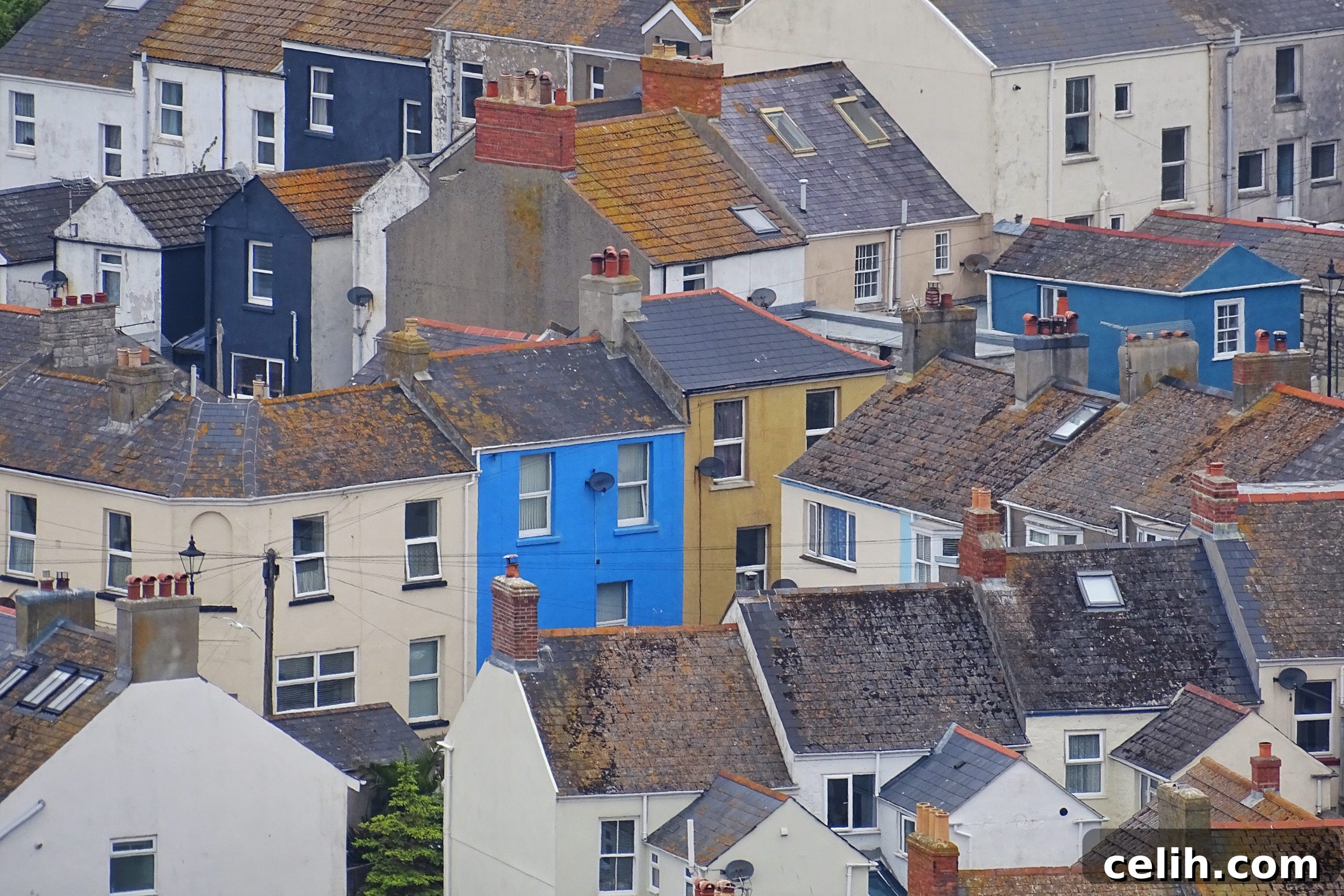
Purchasing a home represents one of life’s most significant investments, demanding a profound commitment not just financially, but also in terms of time, family considerations, and professional adjustments. This monumental decision precedes even the daunting thought of potential renovations or repairs required for the property. It’s widely acknowledged that moving house consistently ranks among the most stressful experiences an individual will navigate in their lifetime.
To embark on this journey with confidence and ensure the property you’re considering is indeed the right fit, engaging licensed professionals for detailed inspections is absolutely critical. This due diligence is paramount before you commit your life savings to a purchase. Among these vital assessments, a thorough roof inspection stands out as an indispensable step. Should a roof inspection uncover severe damage requiring thousands of pounds in repairs, it provides compelling grounds to reconsider or withdraw your offer, potentially saving you from a disastrous investment.
Delving deeper into this essential topic, we explore the compelling reasons why a comprehensive roof inspection is non-negotiable before you finalize the purchase of your next home.
The Indispensable Role of a Pre-Purchase Roof Inspection
The roof is more than just a cover; it’s your home’s primary defense against the elements, crucial for structural integrity, energy efficiency, and overall property value. Overlooking its condition before buying a house is a risk that can lead to significant financial strain and unexpected stress down the line. A professional roof inspection provides a detailed assessment, offering peace of mind and powerful negotiation leverage.
Averting Costly Future Repairs and Protecting Your Finances
While the upfront cost of a roof inspection by a licensed NFRC professional roofing firm might seem like an added expense when you’re already facing numerous financial commitments, it consistently proves to be a wise and worthwhile investment. Roofing professionals possess specialized expertise, allowing them to meticulously identify all types of roofing issues, regardless of their size or apparent significance. Beyond merely spotting obvious damage, a top-tier roof inspection can pinpoint minor deficiencies that, if left unaddressed, could escalate into major, expensive, and challenging problems in the future. These small issues might include hairline cracks, loose fastenings, or early signs of material degradation that an untrained eye would easily miss.
Professional roof inspectors will diligently look for a variety of issues that could drain your finances down the line, including:
- Leaks, Cracks, and Rust: Even minor leaks can lead to significant damage to insulation, structural components, and interior finishes, fostering mold and mildew growth.
- Weather Damage: Hail, wind, snow, and UV exposure can cause hidden damage to shingles, membranes, and flashing that compromises the roof’s integrity.
- Installation Problems: Faulty original installation or subpar repairs can significantly shorten a roof’s lifespan and lead to premature failure.
- Damage to Vents, Gutters, and Drains: Clogged or damaged gutters can cause water to back up, leading to fascia and soffit rot, foundation issues, and ice dams.
- Mould or Fungus: Indicates moisture problems, poor ventilation, and potential health hazards, often requiring extensive remediation.
An experienced roof inspection firm can effectively identify not only existing structural issues but also poor-quality materials or subpar workmanship from previous repairs on the property’s roof. Addressing these maintenance problems proactively, before they cause further damage, can save you thousands of pounds. This cost-saving doesn’t even factor in the potential value of goods inside your home that could be ruined by water ingress from a failing roof, such as furniture, electronics, and personal belongings. Early detection allows you to either negotiate repairs with the seller or walk away from a financially draining purchase.
Protecting Your Investment and Enhancing Resale Value
Savvy homebuyers always consider the long-term prospects of their investment, including the ease with which they can resell the property in the future. There’s nothing more frustrating than needing to move but finding yourself stuck because potential buyers are deterred by significant roof damage. In today’s market, prospective purchasers are increasingly diligent, almost invariably employing professionals to conduct comprehensive surveys that include detailed roof inspections. A roof in poor condition will not only significantly reduce your property’s curb appeal but will also be a major red flag for lenders and insurance companies. Investing in a property with a compromised roof means inheriting a liability that will undoubtedly impact its marketability and potential selling price.
Uncovering Hidden Structural Vulnerabilities with a Professional Inspection
Structural problems are fundamental issues that building surveys are specifically designed to identify as critical red flags. In the context of a roof, structural problems can range from compromised trusses and rafters to weakened support beams, all of which could ultimately lead to a partial or complete roof collapse. Such an event is not merely a financial catastrophe; it poses a direct and severe danger to the lives of those residing within the property, who may not have sufficient time to react. Beyond the immediate safety risks, a collapsing roof can inflict immense financial costs due to extensive damage to furniture, appliances, and other valuable possessions inside your home. The subsequent cost of repairing or entirely replacing a roof with significant structural issues, especially after a collapse, can easily run into thousands of pounds, further compounding the homeowner’s financial burden and stress.
The Elusive Nature of Roof Damage: Why Experts Are Essential
One of the most deceptive aspects of roofing issues is their often-hidden nature. Roof damage is frequently difficult to detect and is certainly not always visible to the naked, untrained eye. Many significant problems with roofs are internal, obscured by surface materials, or located in hard-to-reach areas, making them invisible from the ground or even from a superficial glance at the tiles. These issues can include compromised underlayment, rotting decking, or fatigued flashing around chimneys and skylights. This is precisely why trained roofing contractors, equipped with professional experience, specialized tools, and the necessary safety gear, are your most reliable resource for successfully identifying existing and potential roofing damage in a property you’re considering buying.
Even if you pride yourself on your DIY skills around the house, attempting to diagnose or fix major roofing problems in a new property is ill-advised. The complexities of roofing systems, the safety risks involved in working at heights, and the specific knowledge required for various materials and structures mean that DIY attempts can often cause more harm than good. A botched DIY repair can exacerbate existing damage, invalidate warranties, or even create new, more severe issues, leading to far greater repair costs than if you had initially called a professional. When it comes to something as crucial as your home’s roof, it is unequivocally a wise decision to entrust the job to qualified experts.
Beyond the Shingles: What a Comprehensive Inspection Covers
A professional roof inspection goes far beyond a quick visual check. It’s a systematic evaluation designed to uncover any and all vulnerabilities. Here’s a deeper look at what a comprehensive inspection typically covers:
- Roof Material Assessment: Inspectors examine the condition and integrity of various roofing materials – asphalt shingles, tiles, metal panels, or flat roof membranes (EPDM, TPO). They look for signs of wear, deterioration, blistering, cracking, curling, or missing components, assessing the roof’s age and estimated remaining lifespan.
- Flashing and Sealants: These are critical areas prone to leaks. Inspectors meticulously check the flashing around chimneys, skylights, vents, and wall junctions for corrosion, dislodgement, or improper installation. They also assess the condition of sealants, which can degrade over time.
- Gutters and Downspouts: Beyond just checking for clogs, inspectors evaluate the entire drainage system. They look for proper pitch, secure attachment, signs of overflow, rust, or damage, ensuring water is effectively channeled away from the foundation.
- Soffit and Fascia: These components are vital for protecting your roof structure and attic. Inspectors check for signs of rot, decay, insect infestation, or water staining, which can indicate poor ventilation or gutter issues.
- Attic Inspection: A crucial internal component, the attic is inspected for signs of water stains, mold, mildew, proper ventilation, and adequate insulation. These interior clues often provide direct evidence of roof leaks or ventilation problems not visible from the exterior.
- Workmanship Quality: Even if the roof appears new, poor installation practices can lead to premature failure. Inspectors can identify signs of substandard workmanship, such as incorrectly fastened shingles, inadequate nailing patterns, or improper layering.
The Bat Survey: An Unseen Yet Critical Consideration
While the focus is often on structural and material integrity, especially when considering older properties for purchase, it’s also a highly prudent idea to commission a bat survey. Bats are legally protected species in many regions, including the UK, and they commonly choose roofs, attics, and dark, undisturbed spaces as their roosts. The presence of bats is often indicated by their droppings, which are typically dark brown or black, granular, and approximately 4 to 8 mm in size. Disturbing a bat roost without the appropriate license can lead to significant legal penalties and project delays.
Moreover, bat surveys are frequently a mandatory requirement to obtain planning permission when conducting any work in your attic, loft space, or on your roof, particularly for renovations or extensions. This is to ensure that protected species are not inadvertently harmed or displaced. To secure the services of a quality UK bat survey firm with over a decade of specialized experience, consider exploring Bat Surveys. This proactive step can prevent costly delays and legal complications during future renovation plans.
Navigating Post-Purchase Roofing Issues: A Proactive Approach
Even with the most thorough pre-purchase inspections, sometimes issues can emerge after you’ve bought a new home, or they might simply be the result of natural wear and tear over time. If you find yourself encountering problems with your roof post-purchase, the first step is to swiftly address them to prevent further damage. Begin by drawing up a shortlist of two to three reputable roofing contractors to inspect the roof and provide detailed quotes for the necessary work. When evaluating these quotes, your primary focus should be on selecting a contractor who demonstrates the highest quality of advice, transparency, and professionalism, rather than simply opting for the cheapest bid. Look for contractors who are members of industry associations like the NFRC, are fully insured, and can provide references or examples of previous work.
A reliable contractor will not only offer a competitive price but also provide a comprehensive breakdown of the proposed work, detailing materials, timelines, and warranties. Their ability to clearly explain the issues and their proposed solutions, coupled with a track record of customer satisfaction, should be key factors in your decision-making process. Remember, a roof is a long-term investment, and choosing the right professional for repairs or replacement ensures its longevity and protects your home.
Conclusion: The Ultimate Safeguard for Your Home Investment
In conclusion, a meticulous roof inspection is an absolutely essential step in the process of purchasing any home, or even when successfully securing planning permissions for renovations in the UK. It acts as a critical safeguard, protecting your substantial investment from unforeseen and potentially catastrophic expenses. This isn’t merely about finding visible damage; it’s about uncovering hidden problems that could compromise the entire property’s structural integrity, safety, and long-term value. If, following professional inspections, a roof is found to be significantly damaged, substandard, or nearing the end of its lifespan, it compels you to critically reassess whether purchasing that property remains a worthwhile and financially sound decision. Prioritizing this inspection offers invaluable peace of mind, ensures the safety of your future home, and ultimately protects your financial well-being.