
Cultivating a Buzz: The Essential Guide to Creating a Thriving Bee-Friendly Garden
In the intricate tapestry of nature, few creatures are as vital and hardworking as bees. These incredible pollinators play an indispensable role in our ecosystems, ensuring the reproduction of countless plants, from the food we eat to the flowers that beautify our landscapes. However, bee populations worldwide are facing significant threats, making it more crucial than ever for individuals to step up and create havens for these essential insects. If you’re keen to attract more beneficial wildlife and insects into your garden, focusing on bees is not just a good cause, but a rewarding endeavor for both you and the environment.
Why Bees Are Indispensable: More Than Just Honey
The importance of bees extends far beyond the production of honey. Bees are primary pollinators, meaning they facilitate the fertilization of flowering plants. This process is fundamental to the survival of terrestrial ecosystems and human agriculture. Here’s why bees are truly indispensable:
- Food Security: An estimated one-third of the food we consume relies on insect pollination, with bees being the most significant contributors. This includes a vast array of fruits, vegetables, nuts, and seeds, such as apples, almonds, blueberries, avocados, and coffee. Without bees, our diets would be severely restricted, and food production would plummet.
- Biodiversity: Bees support plant diversity, which in turn supports a wider variety of other wildlife. Many birds and mammals depend on fruits, seeds, and plants that exist thanks to bee pollination. A decline in bees triggers a ripple effect throughout the food chain, threatening the stability of entire ecosystems.
- Economic Impact: The pollination services provided by bees are incredibly valuable, contributing billions of dollars to the global agricultural economy annually. Farmers rely heavily on these natural pollinators to achieve successful harvests.
- Ecosystem Health: Healthy bee populations indicate a healthy environment. They act as bio-indicators, meaning their well-being reflects the overall health of the ecosystem. Their decline often signals broader environmental issues like habitat loss and pesticide use.
Understanding the Threats: Why Bees Need Our Help
Despite their critical role, bees are under severe pressure from various human-induced factors. Understanding these threats is the first step toward effective conservation:
- Habitat Loss and Fragmentation: Urbanization, intensive agriculture, and deforestation have led to the destruction and fragmentation of natural habitats, reducing the availability of nesting sites and diverse food sources for bees.
- Pesticide Use: Neonicotinoid pesticides, in particular, have been widely implicated in bee declines. Even at sub-lethal doses, these chemicals can impair bees’ navigation, foraging abilities, immune systems, and reproductive success.
- Climate Change: Shifting weather patterns, extreme temperatures, and changes in flowering times disrupt the delicate balance between bees and their food sources, making it harder for them to forage and thrive.
- Diseases and Parasites: Varroa mites and various viruses pose significant threats to bee colonies, especially when bees are already stressed by other environmental factors.
Providing a Haven: The Power of a Bee House
One of the most direct and effective ways to support local bee populations, especially solitary bees, is by providing dedicated nesting sites. This is where a well-placed bee house comes into play. Unlike social bees (like honeybees and bumblebees) that live in large colonies, solitary bees (such as mason bees and leafcutter bees) do not produce honey or live in hives. Instead, individual females build nests for their offspring, often in hollow stems, holes in wood, or tunnels in the ground. Solitary bees are incredibly efficient pollinators, often more so than honeybees, and are non-aggressive, making them perfect garden guests.
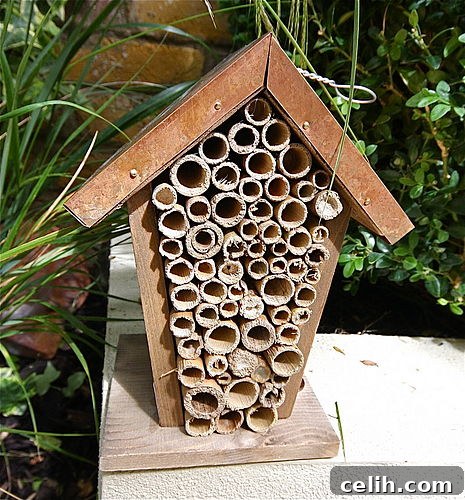
A high-quality bee house, such as the copper-roofed bee house, provides these vital nesting opportunities. It gives solitary bees a safe, sheltered place to lay their eggs, ensuring the next generation of pollinators can thrive. By installing one in your garden, you’re not just offering shelter; you’re actively participating in bee conservation and directly benefiting your garden’s pollination needs. It’s a truly win-win situation all around.
Choosing the Right Bee House for Your Garden
When selecting a bee house, durability and design are key. The copper-roofed bee house, available for £25 from The London Garden Trading Company, is an excellent example. Its durable copper roof offers superior protection from the elements, ensuring the nesting tubes remain dry and secure for many seasons. Look for features like:
- Robust Materials: Solid wood construction is preferable, providing insulation and stability. Avoid plastic or flimsy materials that may not last or provide adequate protection.
- Appropriate Tube Sizes: Ensure the bee house contains nesting tubes or drilled holes of varying diameters (typically 2-10mm) to accommodate different species of solitary bees. Materials like bamboo, cardboard tubes, or hollow reeds are common and effective.
- Proper Placement: Mount your bee house in a sunny, south or southeast-facing location, protected from strong winds and rain. Ideally, it should be at least three to six feet off the ground.
- Easy Maintenance: Some bee houses are designed for easy cleaning and replacement of nesting tubes, which is crucial for preventing the buildup of parasites and diseases.
Beyond the Bee House: Cultivating a Truly Bee-Friendly Ecosystem
While a bee house is an excellent starting point, creating a truly bee-friendly garden involves a holistic approach. By integrating several key practices, you can transform your outdoor space into a vibrant sanctuary for pollinators and other wildlife.
Planting for Pollinators: A Feast for Bees
The most crucial element of a bee-friendly garden is a diverse and abundant supply of flowering plants. Bees need nectar for energy and pollen for protein, especially during the spring, summer, and fall. When planning your garden, consider the following:
- Native Plants: Prioritize native plants that have evolved alongside local bee species. They are perfectly adapted to your climate and soil, require less maintenance, and provide the specific nectar and pollen sources that native bees prefer.
- Diverse Blooms: Plant a variety of flowers with different shapes, colors, and sizes. Bees have preferences; for instance, long-tongued bees prefer tubular flowers, while short-tongued bees favor open, disc-shaped flowers.
- Extended Bloom Times: Ensure continuous blooms from early spring to late autumn. This provides a steady food source throughout the bees’ active season. Plant early bloomers like crocuses and willows, mid-season favorites like lavender and coneflowers, and late bloomers like asters and sedum.
- Single-Petal Flowers: Opt for single-petal varieties over highly hybridized or “double” flowers. While aesthetically pleasing to humans, double flowers often have reduced nectar and pollen content, or their dense petals can make it difficult for bees to access the floral rewards.
- Mass Plantings: Plant flowers in clusters or drifts rather than scattering individual plants. This creates a more visible target for foraging bees, making their work more efficient.
- Trees and Shrubs: Don’t overlook trees and shrubs like fruit trees, willows, linden, and hollies. They can provide significant amounts of nectar and pollen, especially in early spring.
Examples of excellent bee-friendly plants: Lavender, Borage, Sunflowers, Cosmos, Zinnia, Catnip, Coneflower (Echinacea), Asters, Sedum, Foxglove, Delphinium, Calendula, Thyme, Rosemary, Mint, Clover, Fruit trees (apple, cherry, pear), Berries (raspberry, blueberry), and many native wildflowers.
Providing Essential Water Sources
Just like any living creature, bees need water to survive, especially during hot weather. They use it to drink, regulate hive temperature, and dilute honey for feeding larvae. Provide a safe and accessible water source by:
- Shallow Dishes with Pebbles: Fill a shallow dish or bird bath with water and place pebbles, marbles, or small stones in it. This creates safe landing spots and prevents bees from drowning.
- Mud Puddles: Some bees, like mason bees, use mud to build their nests. A small patch of consistently damp, bare soil can be a valuable resource.
Embracing Pesticide-Free Gardening
This is perhaps the most critical step in protecting bees. Even organic pesticides can harm beneficial insects. The best approach is to avoid synthetic pesticides, herbicides, and fungicides altogether. Instead:
- Practice Organic Gardening: Foster healthy soil with compost, rotate crops, and choose disease-resistant plant varieties.
- Integrated Pest Management (IPM): Focus on prevention and use natural solutions first. Encourage beneficial insects like ladybugs and lacewings, hand-pick pests, and use physical barriers.
- Tolerate Some Damage: A truly bee-friendly garden embraces a little imperfection. A few nibbled leaves are a small price to pay for a thriving ecosystem.
Creating Diverse Shelter and Nesting Opportunities
Beyond a dedicated bee house, you can enhance your garden’s appeal by offering various natural nesting and resting spots:
- Leave Areas Wild: Dedicate a corner of your garden to wildness. Allow weeds to grow, let leaves accumulate, and postpone spring cleaning. Many ground-nesting bees prefer undisturbed soil, and stem-nesting bees use hollow or pithy plant stems that have overwintered.
- Log Piles and Brush Piles: Create small piles of logs, twigs, and branches in a quiet corner. These provide shelter for various insects, including some bee species.
- Bare Soil Patches: Many solitary bee species nest in tunnels they dig in bare, undisturbed soil. Leaving a small, sunny patch of unmulched soil can be highly beneficial.
The Rewarding Joys of a Bee-Friendly Garden
Creating a bee-friendly garden is an enriching experience that offers a multitude of rewards. You’ll witness a dramatic increase in biodiversity as not only bees, but also butterflies, hummingbirds, and other beneficial insects flock to your vibrant space. Your garden will burst with more beautiful blooms, thanks to enhanced pollination, leading to a more productive vegetable patch or fruit trees. Beyond the aesthetic and ecological benefits, there’s a profound sense of satisfaction in knowing you are actively contributing to the conservation of these vital creatures. It’s an opportunity to connect with nature, observe fascinating insect behaviors, and educate others about the importance of pollinators. Imagine the quiet hum of happy bees, a testament to your efforts in building a thriving, living landscape.
Start Your Journey Today
The journey to creating a truly bee-friendly garden starts with a single step. Whether it’s planting a few new bee-attracting flowers, setting up a simple water source, or investing in a durable and inviting copper-roofed bee house, every action makes a difference. By embracing these practices, you’re not just cultivating a garden; you’re nurturing a healthier planet, one bee at a time. Join the movement to protect our precious pollinators and transform your garden into a buzzing oasis of life and beauty.