
Transforming your living space often starts with the details, and few elements offer as much impact on a room’s aesthetic and functionality as window dressings. The choice between curtains and blinds is a classic dilemma for homeowners, whether you’re furnishing a new property or simply refreshing your current decor. This decision goes beyond mere preference; it involves weighing various factors, from visual appeal and cost to practical considerations like maintenance, light control, and energy efficiency. Understanding the unique attributes of each option is crucial to making an informed decision that perfectly complements your home and lifestyle.
Before diving into a final choice, it’s essential to consider how each option aligns with your specific needs. Do you prioritize a luxurious, flowing look or a sleek, minimalist finish? Is budget your primary concern, or are you investing in long-term energy savings? How much light and privacy do you need? By exploring these critical aspects, you can navigate the vast world of window treatments and narrow down the perfect solution for your windows.
Visual Impact and Aesthetic Appeal
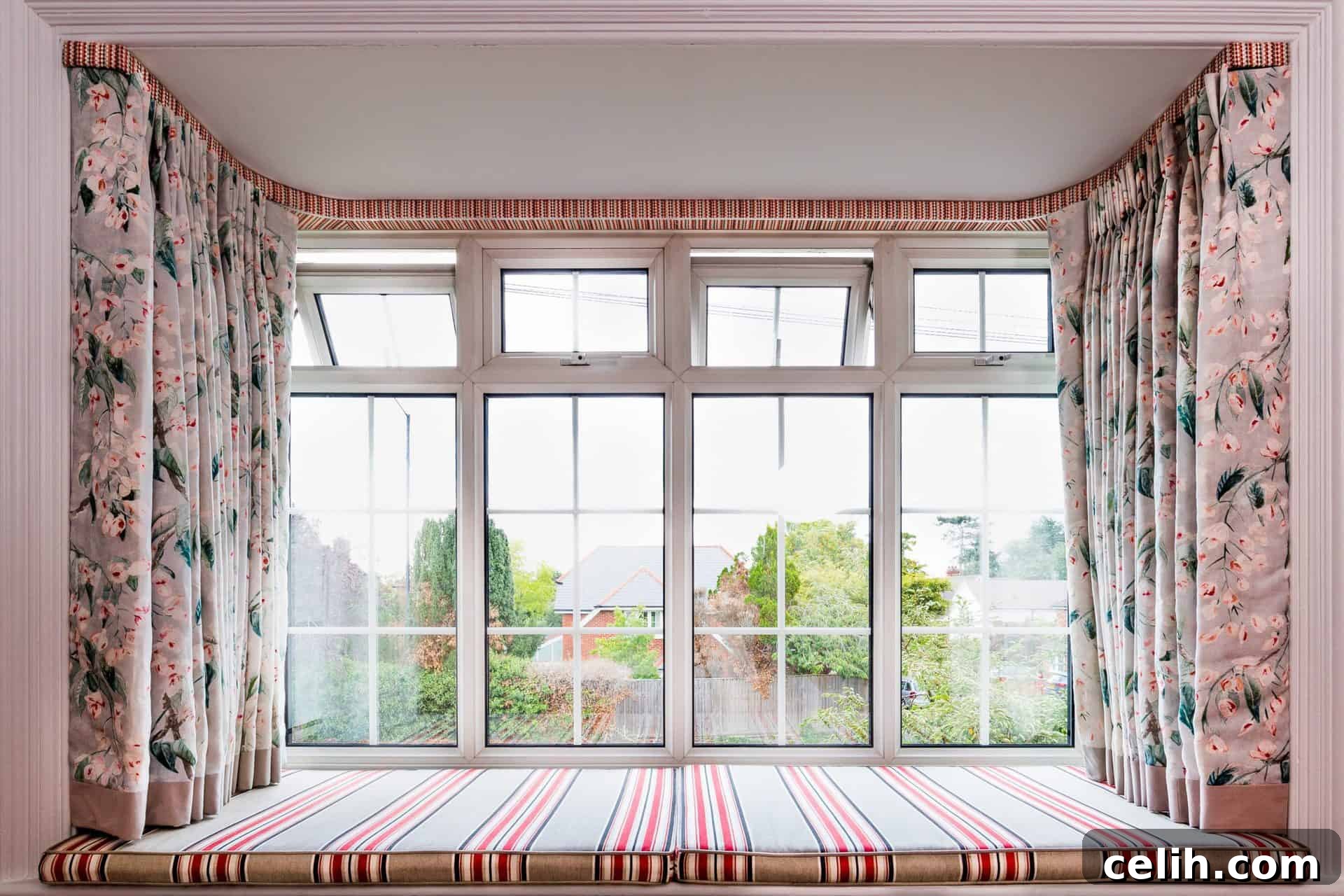
The aesthetic contribution of window treatments cannot be overstated; they are often a focal point that defines the character of a room. Curtains, with their inherent softness and generous fabric, are typically best suited for creating a grand, luxurious statement. They excel on large or tall windows, and over doors, where their flowing lines can truly shine. Curtains offer an unparalleled range of design possibilities, from classic pleated styles like pencil pleat, pinch pleat, and goblet pleat, to more contemporary eyelet, wave, or bunched designs. The choice of fabric—be it sumptuous velvet, crisp linen, elegant silk, or durable cotton—further dictates the mood. Their versatile fixings, including decorative metal poles, discreet tracks, or upholstered pelmets, allow for seamless integration into any interior design scheme, adding depth, warmth, and a touch of traditional elegance.
Blinds, on the other hand, often present a more modern and streamlined appeal. While sometimes perceived as purely functional, their creative application can make them a striking design element. Requiring less fabric than curtains, blinds allow you to indulge in bold, dramatic prints or luxurious, high-end materials without the prohibitive cost associated with larger fabric quantities. This means you can achieve significant visual impact in a more understated manner. Blinds are particularly effective in smaller or narrower spaces where curtains might feel overwhelming. Their clean lines and compact nature create a contemporary and often minimalist effect, making them ideal for modern homes, offices, or rooms where space is at a premium. From the soft folds of Roman blinds to the crisp precision of Venetian or roller blinds, each type offers distinct visual characteristics that can enhance the architectural features of your windows.
A Comprehensive Cost Comparison
Many assume curtains are inherently more expensive than blinds due to the greater volume of fabric required. However, the reality of cost comparison is far more nuanced, involving numerous variables that can significantly sway the final price. The choice of fabric, for instance, is a major determinant; a rare silk for a small Roman blind could easily surpass the cost of a standard cotton fabric for a large pair of curtains. Furthermore, the complexity of the pattern and the need for precise pattern matching across multiple panels can increase fabric requirements and manufacturing time, thus elevating the cost.
Manufacturing quality also plays a pivotal role. A meticulously handmade blind crafted from premium materials by skilled artisans might well be dearer than a mass-produced, machine-made set of curtains. Conversely, a tiny, off-the-shelf blind for a utility room window will undoubtedly be more economical than bespoke, wall-to-wall, floor-length curtains designed for a grand living room. Other factors include the type of heading (e.g., more intricate pleats require more fabric and labor), the lining (standard, blackout, or thermal interlining), hardware (decorative poles versus simple tracks), and any optional features like motorization, particularly for blinds, which adds a significant premium. Installation costs, especially for complex or heavy custom treatments, should also be factored in. Therefore, a true cost comparison necessitates a detailed assessment of specific needs, chosen materials, and the level of customization desired. Prioritizing quality and value for money, regardless of the initial outlay, will ensure a durable product with a beautiful finish that enhances your room for years to come. Consulting with experts, such as those at Sarah Wooldridge Design, can provide invaluable insights and accurate cost estimates tailored to your specific project, helping you make an informed financial decision.
Upkeep and Durability Considerations
The longevity and pristine appearance of your window dressings largely depend on proper maintenance. For both made-to-measure curtains and blinds, it’s generally recommended to avoid washing or dry cleaning them. This is because most window treatment fabrics are constructed from multiple layers, often including delicate linings and interlinings, which can react unpredictably to harsh chemicals or high heat, leading to warping, shrinking, or distortion. Instead, regular, gentle care is the best approach to keep them looking fresh and extending their lifespan.
For everyday maintenance, a soft brush attachment on your vacuum cleaner can effectively remove dust and allergens from both curtains and blinds. Occasional airing, by opening windows on a dry day, can also help to refresh fabrics and prevent odors. For households with children or pets, fabrics treated with “spot clean” technology are an excellent choice, allowing for easy removal of minor marks without needing full cleaning. With diligent care, high-quality curtains and blinds are designed to withstand years of use, maintaining their beauty and functionality. Always refer to the manufacturer’s specific care instructions, as some specialty fabrics may have unique requirements.
Beyond general upkeep, safety is a paramount concern, particularly with blinds. Made-to-measure blinds are typically operated using chain or cord systems. Reputable manufacturers adhere strictly to the Child Safety Act 2014, ensuring all corded blinds are equipped with quick-release mechanisms or breakaway connectors designed to prevent strangulation hazards. These safety features mean that if a child becomes entangled, the cords or chains will separate under pressure, reducing the risk of harm. While these safety components are designed to break for protection, they are often simple to click back into place, restoring the blind’s functionality. When purchasing blinds, it is crucial to choose a reputable supplier who prioritizes child safety and complies with all current regulations. Experts at establishments like Sarah Wooldridge Design not only provide compliant products but also offer demonstrations of these breakaway systems during installation, ensuring homeowners understand how to reattach them safely if they activate.
Energy Efficiency and Functional Benefits
Window dressings play a crucial role in regulating indoor temperatures, contributing significantly to a home’s energy efficiency. Curtains are exceptionally effective at preventing heat loss through windows when closed. Their generous fabric acts as an insulating barrier, and this effect is dramatically enhanced when they are lined with thermal padding, commonly known as interlining. Interlining not only boosts insulation but also adds body and fullness to the curtains, giving them a more luxurious and opulent appearance. This thermal benefit applies equally to both floor-length and sill-length curtains, so homeowners need not worry about curtains covering radiators when drawn, as the insulating properties will still be effective in trapping heat within the room and preventing drafts.
Beyond thermal regulation, curtains, especially those made from heavier fabrics or with blackout linings, offer superior light control and privacy. They can completely block out external light, making them ideal for bedrooms, media rooms, or any space where darkness is desired at any time of day. This also translates to effective glare reduction, improving comfort for screen use.
Blinds offer varying degrees of insulation and functionality depending on their type and installation. Roman blinds, particularly when interlined and installed above the window frame (rather than inside), can provide insulation comparable to curtains, thanks to their layered fabric construction. They create an air pocket that helps to slow heat transfer. Roller blinds and Venetian blinds are excellent for adding privacy and filtering light, but they generally offer less thermal efficiency on their own. However, specialized roller blinds with blackout or reflective coatings can significantly block light and reduce heat gain from sunlight.
For superior energy efficiency among blinds, cellular or honeycomb blinds are an outstanding choice. Their unique multi-layered, hexagonal cell structure traps air, creating an exceptional insulating barrier that keeps rooms warmer in winter and cooler in summer. This makes them highly effective for homes seeking to reduce heating and cooling costs. Vertical blinds are often chosen for large windows and sliding doors, offering excellent light control and privacy through their rotatable slats. While not as insulating as cellular blinds, they allow for precise angling of light. Ultimately, if significant heat loss is a concern, pairing blinds with curtains, or opting for thermally efficient specific types like interlined Roman or cellular blinds, would be the most effective strategy for enhancing your home’s thermal performance.
Installation and Practicality
When choosing between curtains and blinds, considering the installation process and ongoing practicality is key. Curtains typically require a curtain pole or track, which needs to be securely mounted above the window frame. While DIY installation is possible for lighter curtains, heavier, bespoke drapes, especially those with intricate headings or requiring precise measurements, often benefit from professional installation to ensure they hang perfectly and operate smoothly. Curtains also demand sufficient wall space on either side of the window for stacking when open, which is an important consideration for narrower walls.
Blinds, in contrast, offer more flexibility in installation. They can be fitted either inside the window recess (known as an inside mount) or outside the recess (an outside mount). An inside mount creates a clean, flush look, while an outside mount can make a window appear larger and reduce light leakage around the edges. Many types of blinds, such as roller and Venetian blinds, are relatively straightforward to install for a competent DIYer. However, precise measurements are critical for a perfect fit, especially for custom-made blinds, and professional installation ensures optimal functionality and aesthetic integration. Blinds also conserve space, as they stack neatly either at the top of the window (roller, Roman) or along the sides (vertical), making them ideal for areas where wall space is limited or where furniture is placed close to the window.
For added convenience, motorization is an increasingly popular option for both curtains and blinds. Motorized window treatments can be controlled via remote, wall switch, or integrated into smart home systems, allowing for effortless adjustment of light and privacy. This feature is particularly practical for hard-to-reach windows, large installations, or for individuals with mobility challenges. While adding to the initial cost, motorization enhances daily practicality and offers a touch of modern luxury.
Contact The Experts For Tailored Guidance
The journey to selecting the ideal window dressings for your home can be intricate, given the multitude of options and factors to consider. From the architectural style of your property to your personal aesthetic preferences, functional needs, and budgetary constraints, each element plays a vital role in the decision-making process. Navigating these choices can be overwhelming, but you don’t have to do it alone.
For personalized advice and expert guidance tailored to your specific home and window spaces, consider consulting with professionals. Companies like Sarah Wooldridge Design offer invaluable expertise. During a consultation, their seasoned specialists will meticulously assess your window areas, discuss your precise requirements for light control, privacy, insulation, and overall ambiance, and explore your personal style and design vision. They will help you find the perfect solution that not only meets all functional necessities but also beautifully enhances your interior decor. Their comprehensive service ensures your window dressings are a harmonious blend of practicality, style, and enduring quality. To begin your transformation and ensure your windows are dressed to perfection, contact Sarah Wooldridge Design today at 01628 333400.