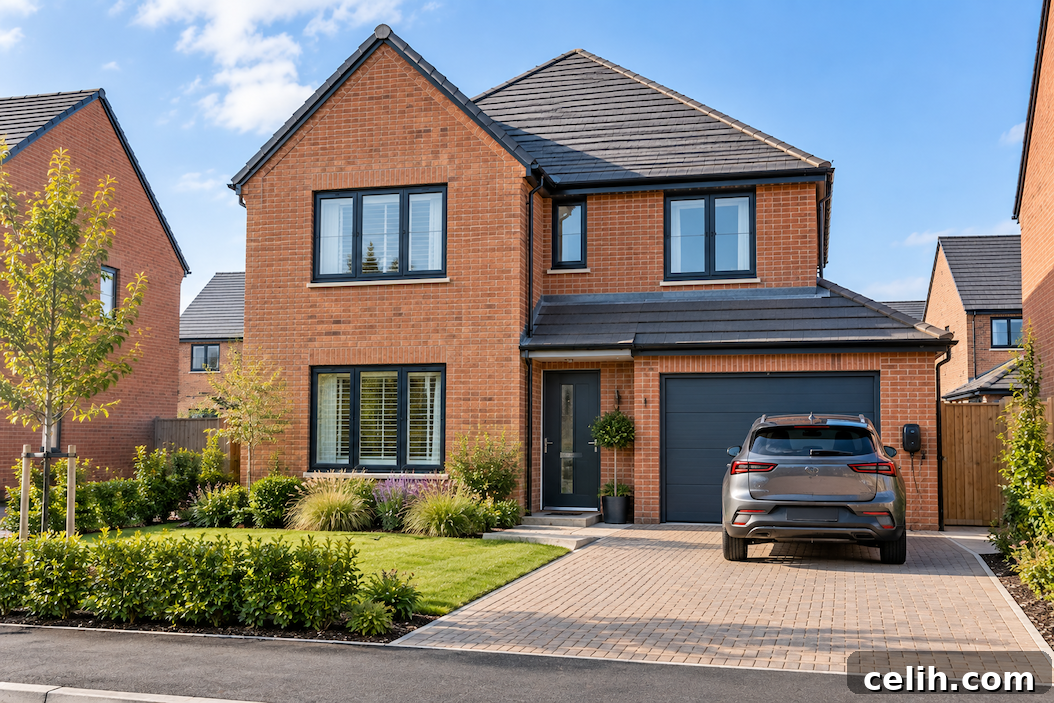
If you’re buying a new-build home, you have a rare chance to shape the property before you move in. Depending on the builder and how far construction has progressed, you may be invited to select kitchen worktops, flooring, electrical points, fitted wardrobes, garden finishes and more.
It’s exciting, but it’s surprisingly easy to spend a lot. A staged show home highlights upgrades and can make the standard specification feel basic. Upgrade items such as flooring, premium kitchen finishes and extra sockets add up quickly, so it helps to be selective.
A simple rule: prioritise upgrades that would be difficult, disruptive or expensive to add after completion. Be more cautious with decorative choices you can change easily once you’ve moved in.
Below is a practical guide to help you decide which new-build extras are worth spending on and which you can usually skip.
Table of Contents
Quick Answer: What New Build Extras Are Worth It?
Generally, the extras most worth paying for are those that would be disruptive or expensive to add later: extra plug sockets, additional lighting points, practical kitchen storage and layout changes, outdoor power and water, and certain bathroom or plumbing upgrades. Flooring and fitted wardrobes can be valuable but compare the developer’s price and specification with independent options first. Cosmetic extras—premium paint, wallpaper, designer fittings, handles and accessories—are usually best left until after you move in.
What Are New-Build Extras?
New-build extras are optional upgrades offered on top of the builder’s standard specification. Options differ between developers, sites and even individual plots, and availability often depends on the stage of construction.
Typical options include upgraded kitchens and appliances, flooring, bathroom tiles and fittings, extra sockets and lighting, fitted wardrobes, smart-home wiring, garden landscaping, outdoor power and plumbing, upgraded doors and decorative packages. Some are structural or technical, others are cosmetic—this distinction matters when deciding what to buy now and what to defer.
First, Find Out What’s Actually Included
Ask for a detailed written specification for the specific property you’re buying before you fall for the show home. Show homes are staged and often contain upgrades not included in the base price. Identify exactly what is standard and ask for individual prices for any package items so you can judge value.
Also clarify deadlines: decisions that affect wiring, plumbing or kitchen layout usually have to be made early in the build, so know when you must confirm choices.
New-Build Extras That Can Be Worth Paying For
Your priorities depend on lifestyle and budget, but some upgrades are worth serious consideration because they’re far easier to include during construction than retrofit later.
1. Extra Plug Sockets
Extra sockets are unglamorous but often the most useful upgrade. Modern homes need power in many places—bedsides, behind TVs, home office zones, hallways and garages. Use a floor plan to mark furniture locations and plan socket placement. USB or USB-C sockets can be handy but prioritise the right number and positions of standard sockets first.
2. Additional Lighting Points
Consider the electrical provision for lighting rather than the decorative fitting. Adding lighting points—wall lights, pendants above islands, utility lighting or exterior lights—is much easier during construction. Aim for layered lighting in each room instead of relying solely on one bright central light.
3. Practical Kitchen Upgrades
Developers often emphasise kitchen upgrades. Focus on changes that boost functionality: extra cabinets, deep drawers, improved internal storage, and a more practical layout. Structural or plumbing changes are disruptive to add later, so they can justify an early upgrade. Decorative choices, like premium handles, are easy and inexpensive to change after moving in.
4. Integrated Appliances – But Check the Specification
Integrated appliances are convenient, but check the exact models and compare value. Sometimes a developer package carries a premium for middling appliances. Also consider whether freestanding options would better suit your needs or be easier to replace later.
5. Additional Bathroom Tiling
If you want more tiling coverage than the standard spec offers, having it done before you move in avoids removing fittings, dealing with dust and trying to match discontinued tiles later. Choose practical coverage over paying heavily for a trendy tile that may date quickly.
6. Practical Shower Upgrades
Changes to shower layout or plumbing—adding a shower over a bath, improving an enclosure—are often best sorted during construction because retrofitting can be disruptive and costly. Prioritise function over designer fixtures.
7. Fitted Wardrobes
Fitted wardrobes are convenient but compare internal layouts and prices with independent suppliers. Check hanging space, drawers and whether the units reach the ceiling. If the developer option fits well and is competitively priced, it can save time; if not, independent specialists may offer better use of space.
8. An Outside Tap and Electrical Sockets
Outdoor taps and sockets are small, practical extras you may regret not having. They make gardening, cleaning and powering outdoor tools far more convenient. Where they’re not standard, check the cost to add them during construction versus retrofitting later.
9. EV Charging Provision
Check whether EV charging infrastructure is already included. If not, consider whether you’ll want it soon—installing the electrical groundwork during construction is usually easier and cheaper than adding it afterwards.
10. Garage Electrics
Garages often become workshops or utility spaces. Good lighting and ample sockets are useful and easier to install during the build than retrofit later, so consider upgrading the garage’s electrical provision if it’s a space you’ll use frequently.
New-Build Extras You Can Often Skip
Many attractive upgrades are easy and inexpensive to add later, so you can often skip them at the purchase stage.
1. Premium Paint Colours
Painting is relatively simple and it’s useful to live in the house first to see how light and furnishings affect colours. You’ll have more choice and can avoid paying a premium for a limited developer palette.
2. Feature Walls and Wallpaper
Wallpaper and feature walls are easy to change and offer a far wider selection if you source them yourself, so save the money and decide after you’ve settled in.
3. Expensive Light Fittings
Pay for the electrical point if needed, but shop independently for fittings. Pendants, shades and designer lights are easy to replace and you’ll get far more choice outside the developer’s package.
4. Premium Kitchen Handles
Handles transform the look of a kitchen but are simple to replace. If you want a distinctive finish, it’s often more cost-effective to change them yourself after moving in.
5. Bathroom Accessories
Mirrors, shelves and towel rails are easy and inexpensive to source independently. The exception is anything that requires concealed wiring or plumbing—plan electrical provision for a hardwired mirror, for example, if that’s important.
6. Furniture Packages
Furnished homes look great, but buying furniture gradually usually produces a more personal result. Measure rooms and live in the space first to make better furniture choices.
7. Smart-Home Gadgets You Don’t Really Need
Smart technology can be useful, but check what you’re getting. Look at compatibility, upgrade paths, subscription requirements and whether wiring or infrastructure alone would serve you better than a bundle of branded gadgets that might become obsolete.
Is New-Build Flooring Worth Paying For?
Flooring is often a major line item. There’s value in having it fitted by the developer so the house is move-in ready without coordinating contractors. But independent quotes may offer better quality or choice for a similar price. Ask for precise product details—manufacturer, range and specification—and compare like-for-like, including underlay, trims and preparation. Convenience is worth something, but don’t accept poor quality or a large markup for it.
Should You Pay for New-Build Garden Upgrades?
Practical garden work—patios, proper drainage preparation, access and hard landscaping—can be worth doing early to avoid disruption later. Decorative planting or turf can wait until you know sun patterns, how you’ll use the space and whether the soil has been prepared properly. If you pay for landscaping, confirm what ground preparation and drainage work are included.
Will New-Build Extras Add Value to Your Home?
Upgrades don’t automatically add equivalent resale value. Some extras enhance daily life—better storage, sensible sockets and a practical kitchen—without producing a clear sale-price uplift. Others improve appeal to buyers. Decide whether you’re spending for personal comfort or with resale value in mind, and don’t assume every cost will be recouped.
Use the Retrofit Test Before Saying Yes
To evaluate each option, ask: how difficult would this be to add later? Then consider disruption (walls opened, floors lifted), cost (cheaper during construction?), choice (could you get something better independently?) and urgency (do you need it before moving in?). If it’s hard to retrofit, reasonably priced and genuinely useful, prioritise it. If it’s decorative, expensive and easy to add later, wait.
Can You Negotiate New-Build Extras?
Ask the developer—flexibility varies by site, demand and stage of construction. Developers may prefer offering incentives—flooring, appliance upgrades or a contribution toward options—over reducing the asking price. Ensure any agreed extras are documented in writing and don’t let a “free” upgrade override whether the property is the right fit for you.
Spend Your Upgrade Budget Behind the Finish
The most useful upgrades are often the unseen ones: wiring, plumbing, well-placed lighting points, practical kitchen layout and infrastructure that are hard to change later. Prioritise those, along with anything that would be inconvenient to replace once you’ve moved in, such as extensive tiling or fitments. Leave cosmetic choices—paint, handles, light shades and accessories—until you’ve lived in the space and can make informed decisions that reflect how you actually use the home.
The best new-build extras aren’t always the most luxurious; they’re the ones you’ll be glad you chose years down the line.