Transform Your Home: The Ultimate Guide to Modern Wood Paneling Trends
Once considered a relic of grand estates and traditional libraries, wood paneling has dramatically re-emerged as a dominant force in contemporary interior design. What began as one of 2021’s most significant trends shows no signs of slowing down, continuing its reign as a versatile and stylish choice for homeowners in 2024 and beyond. This enduring appeal stems from its ability to effortlessly blend classic elegance with modern aesthetics, offering a transformative power that few other design elements can match. Whether you’re aiming to infuse your space with warmth, introduce architectural interest, or cleverly conceal imperfections in older homes, wall paneling provides a stunning visual effect that is surprisingly accessible to implement. Beyond traditional wood, innovative approaches incorporating wall paneling wallpaper and panels crafted from cutting-edge materials are also gaining traction, pushing the boundaries of this timeless trend. Dive into our comprehensive guide to discover why and how you can integrate this captivating design element into your living spaces.
The Enduring Appeal of Wall Paneling: Advantages & Considerations
Integrating wood paneling into your home offers a myriad of benefits, from aesthetic enhancements to practical advantages. However, like any significant design choice, it also comes with certain considerations. Understanding both the positive aspects and potential drawbacks is crucial for making an informed decision that aligns with your vision and lifestyle.
The Many Benefits of Wall Paneling
- Timeless Elegance and Character: Foremost among its advantages, wall paneling allows you to channel a sense of historical grandeur, reminiscent of stately homes and classic architecture. It instantly bestows an air of sophistication and a touch of refined elegance upon virtually any room, creating an atmosphere that is both inviting and distinguished.
- Enhanced Warmth and Coziness: Wood is an inherently warm material. When applied to walls, paneling significantly contributes to a room’s cozy ambiance, making spaces feel more welcoming and comfortable. This natural warmth is especially effective in creating a snug retreat in bedrooms or a comforting living area.
- Acoustic and Thermal Insulation: Modern paneling solutions often incorporate an insulated panel backing. This not only adds an extra layer of warmth, helping to regulate indoor temperatures and potentially reduce energy costs, but also provides excellent acoustic protection. It can dramatically reduce noise transmission between rooms and dampen echoes within a space, creating a quieter and more peaceful environment. This is particularly beneficial for home offices, bedrooms, or media rooms.
- Ease of Installation and Versatility: Compared to more complex wall treatments, many contemporary paneling systems are designed for relatively quick and easy fitting. This makes it an appealing option for DIY enthusiasts looking to tackle a home improvement project. Furthermore, paneling offers incredible versatility in materials and finishes. You can opt for traditional solid wood, environmentally friendly recycled wood, or even more budget-conscious hardboard. Hardboard panels can be painted any color, allowing for endless customization and the ability to easily refresh the look as your style evolves.
- Masterful Concealment of Wall Imperfections: For those living in older properties with uneven plaster, cracks, or other wall flaws, paneling acts as a brilliant camouflage. It effortlessly hides a multitude of imperfections, providing a smooth, uniform, and visually appealing surface without the need for extensive plastering or repair work. This can save considerable time and expense during renovations.
Potential Drawbacks to Consider
- Initial Cost: While there are budget-friendly options, using “real” solid wood for paneling can be a significant investment. The cost can vary widely depending on the type of wood, its grade, and the complexity of the installation.
- Maintenance Requirements: Unpainted real wood paneling, especially in high-moisture areas, requires careful maintenance. This typically involves regular waxing or oiling to prevent warping, cracking, and to maintain its luster. Wood is also susceptible to changes in humidity, which can lead to expansion or contraction over time.
- Impact on Room Perception: Dark wood paneling, while undeniably luxurious, can absorb light and make a room feel smaller or more enclosed. This is a crucial design consideration for rooms with limited natural light or smaller dimensions. Careful planning with lighting and complementary decor is essential to counteract this effect.
- Installation Complexity for Intricate Designs: While basic paneling can be DIY-friendly, intricate designs, precise cuts, or fitting around complex architectural features may require professional installation to achieve a flawless finish.
Redefining Interiors: Modern Interpretations of Wood Paneling
While wood paneling traditionally evokes images of grand stately homes and opulent ballrooms, its adaptability allows it to integrate seamlessly into the modern home. Contemporary designers are reimagining its application, moving beyond the conventional to create truly unique and striking interiors.
Beyond the Walls: Creative Paneling Applications
- Ceiling Paneling: Don’t limit paneling to just your walls! Extending it to the ceiling is a powerful design choice that can completely transform a room. This application adds significant visual and textural interest overhead, drawing the eye upwards and creating a sense of coziness and enclosure. It can prevent a room from feeling too stark or “boxy,” lending a bespoke, architectural quality that elevates the entire space.
- Room Dividers and Feature Panels: Paneling can be ingeniously used to define and separate spaces within an open-plan layout without the need for solid walls. A free-standing or partial paneling partition can effectively zone areas, such as creating a dedicated home office corner within a larger room, or delineating a dining area from a living space. This offers both functionality and a sophisticated aesthetic.
- Wainscoting: For those who appreciate classic charm without overwhelming a room, wainscoting is an excellent option. This style involves paneling only the bottom third or half of a wall. Fact fans will appreciate that wainscoting serves historical purposes of protecting walls from bumps and damp, but today it primarily adds character, texture, and a sense of architectural detail. It’s a fantastic way to introduce paneling’s benefits while allowing for other wall treatments above.
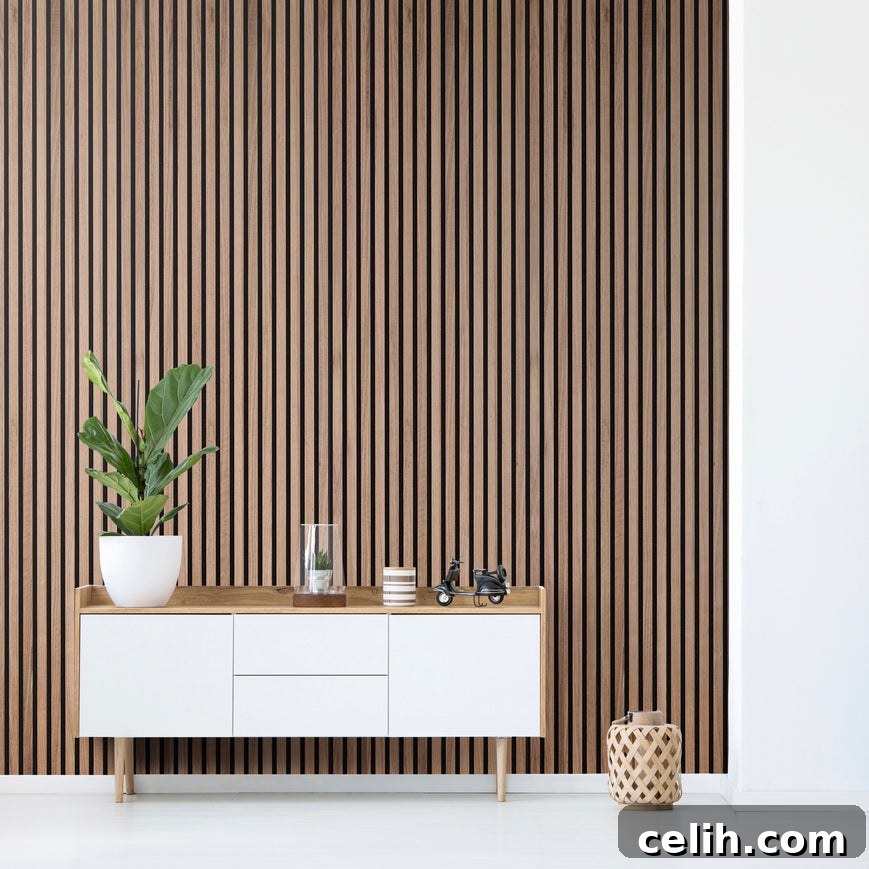
- Diverse Paneling Styles: Move beyond the traditional wide, flat panels often associated with period properties. Narrow tongue-and-groove panels, for instance, can be laid vertically or horizontally to achieve a sleeker, more contemporary look. Slat panels, composed of thin wooden strips with gaps, create a striking linear pattern that is inherently modern, often favored for their acoustic properties and minimalist appeal. Geometric patterns and custom-cut designs also offer endless possibilities for unique wall art.
The Acoustic Advantage: Combining Style with Functionality
Modern paneling isn’t just about aesthetics; it’s increasingly about enhancing the functionality of your space. Acoustic paneling represents a significant leap in this regard, offering both visual appeal and practical sound dampening benefits. These panels are engineered to absorb sound waves, reducing echo and improving the overall acoustics of a room. This makes them ideal for environments where sound quality is paramount, such as home theaters, music rooms, or bustling open-plan offices, while also being a stylish choice for any living space.
A prime example of this innovative approach is the Rustic Walnut Acoustic Wall Panels by Acupanel. These beautiful wood strip decorative panels are not only visually stunning but also boast high-quality acoustic properties. Their contemporary design personifies modern styling, making them a perfect fit for a wide range of applications, from enhancing the acoustics of a bustling commercial space to creating a serene atmosphere in a domestic setting. The panels, measuring a convenient 240cm by 60cm, are designed for easy application to both walls and ceilings. Crafted with both aesthetics and functionality in mind, they offer a sophisticated solution for managing sound while simultaneously elevating your interior design. You can acquire these versatile and stylish panels for £159.99 from The Wooden Veneer Hub.
Faux Paneling: Achieve the Look Without the Commitment or Cost
For those who love the sophisticated aesthetic of wood paneling but are seeking a less permanent solution, a more budget-friendly option, or a quicker installation, faux paneling offers an ingenious alternative. This category primarily includes wood paneling effect wallpaper, which has evolved dramatically to provide incredibly realistic and tactile finishes.
Take, for instance, the Mustard Paneling Wallpaper by Mineheart (pictured above and as the main image). This sumptuous wallpaper brilliantly fuses Georgian elegance with a bold, contemporary color palette. The result is a design that is both historically rich and strikingly modern. Wallpaper that mimics paneling is an excellent choice for a traditional home, where it can amplify existing period features, but it also effortlessly introduces a luxurious and unexpected feel in a modern setting. Made with meticulous attention to detail in England by Mineheart, this wallpaper is printed onto high-quality 300g textured paper, providing a tactile experience that further enhances its realistic appearance. A generous 10m x 52cm roll is available for £48 from Lime Lace, offering an affordable and impactful way to transform your walls.
For an even quicker transformation, consider a custom-sized stick-on mural, such as the Dark Blue Panelled Wallpaper Mural from Wallsauce. This innovative solution allows you to achieve the paneling look in a hurry, with minimal fuss. These murals are designed for exceptional ease of installation; simply peel and stick them onto your wall. This makes them perfect for renters, those who enjoy frequent decor updates, or anyone seeking a high-impact design change without the commitment of traditional paneling. Each mural is custom-sized to fit your specific wall dimensions, ensuring a perfect, seamless finish. Priced from £30 per square meter, this convenient and striking option is available directly from Wallsauce. The rich dark blue hue adds depth and sophistication, creating a focal point that is both modern and elegantly timeless.
Strategic Paneling: Design Tips for Maximizing Impact
While full-room paneling can create a cohesive and immersive environment, sometimes less is more. Strategic application of paneling can yield equally stunning results, allowing you to highlight architectural features, create visual depth, or simply add a touch of texture without overwhelming the space.
- The Accent Wall: If you feel that paneling an entire room might be overkill, consider applying it to just one wall. An accent wall paneled in a distinctive style or color can become a powerful focal point, drawing the eye and defining the room’s character. For instance, paneling an end wall in a narrow room can create an illusion of greater depth, making the space feel more expansive than it truly is. This is a clever trick for small living rooms or hallways.
- Highlighting Key Features: Paneling can be brilliantly utilized to emphasize existing architectural elements or focal points within a room. Wrapping paneling around a fireplace, for example, transforms it from a simple hearth into a grand statement piece, making it a true eye-catcher. Similarly, paneling behind a bed can create a luxurious headboard effect, adding a bespoke feel to the bedroom. This technique naturally draws attention to what you want to showcase.
- Color and Finish Choices: The color and finish of your paneling will dramatically influence the mood of the room. Light-colored or painted paneling can brighten a space, making it feel airy and modern. Darker woods, on the other hand, evoke a sense of warmth, intimacy, and traditional luxury. Consider painting paneling in a bold, contrasting color to add a playful contemporary twist, or match it to your wall color for a subtle, textural effect.
- Mixing Materials and Textures: Don’t be afraid to experiment with combining paneling with other wall treatments. A wainscoted wall, for instance, provides an excellent opportunity to pair paneling with wallpaper, paint, or even fabric above. This layering of textures adds complexity and visual interest to your decor, creating a truly unique and personalized space.
Your Paneling Journey: DIY vs. Professional Installation
Deciding whether to embark on a DIY paneling project or hire a professional is a crucial step in your renovation journey. Both options have their merits, and the best choice depends on your skill level, budget, and the complexity of the desired outcome.
- Considerations for the DIY Enthusiast: For those with a moderate level of home improvement experience and access to basic tools, many types of paneling (especially simpler designs like wainscoting or pre-cut slat panels) can be a rewarding DIY project. You’ll need to accurately measure, cut, and secure the panels, which requires patience and attention to detail. This approach can save significantly on labor costs and offers the satisfaction of transforming your space with your own hands. However, proper tools, safety measures, and a clear understanding of the installation process are essential for a successful outcome.
- Benefits of Professional Installation: For more intricate designs, large-scale projects, or if you simply prefer a flawless, seamless finish, hiring a professional installer is often the superior choice. Experienced carpenters or decorators possess the expertise, specialized tools, and precision required to handle complex cuts, tricky corners, and ensure perfect alignment. While it’s a greater initial investment, professional installation guarantees a high-quality finish, often completed more quickly and efficiently, and can prevent costly mistakes that might occur with an inexperienced DIY attempt. Furthermore, professionals can advise on the best materials and techniques for your specific space.
The Future of Wall Paneling: A Timeless Trend Reimagined
The resurgence of wall paneling is more than just a fleeting trend; it’s a testament to its enduring versatility and its ability to adapt to evolving design sensibilities. From providing architectural depth and acoustic benefits to offering sustainable material choices and accessible faux alternatives, paneling continues to prove its value in contemporary interiors. It offers a unique opportunity to inject character, warmth, and sophistication into any space, seamlessly blending historical charm with modern functionality. As we look ahead, paneling will undoubtedly remain a beloved element in home decor, continually reimagined and reinterpreted by designers and homeowners alike. Whether you choose the rich texture of real wood, the innovative design of acoustic panels, or the convenience of a wallpaper mural, embracing wall paneling is an investment in timeless style and enhanced living.
Main image shows mustard panelling wallpaper by Mineheart.