
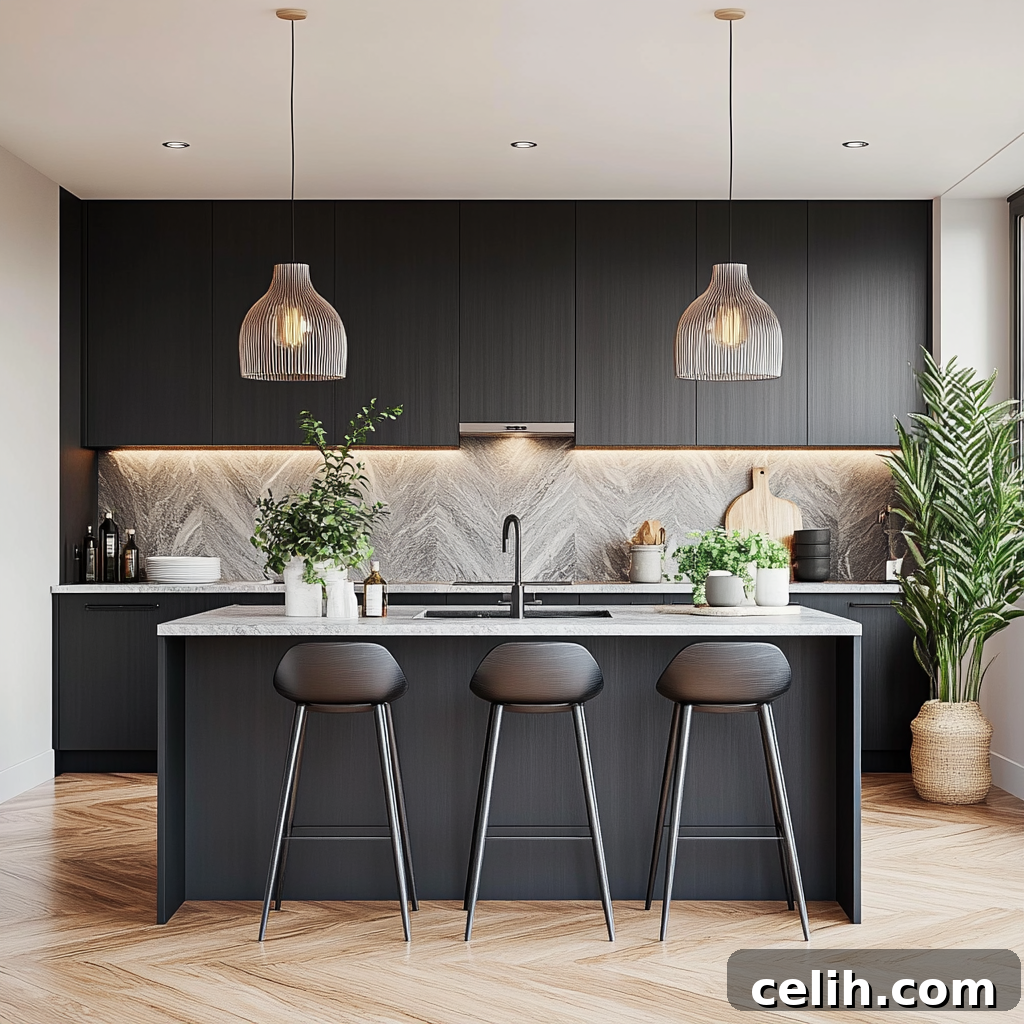
The kitchen often stands as the undisputed heart of any home, a vibrant hub for culinary creations, family gatherings, and daily life. Its significance extends far beyond mere utility, profoundly influencing a home’s overall appeal and market value, especially when it comes to attracting potential buyers. Understanding your target audience – whether it’s a bustling family needing robust functionality or a discerning professional seeking sleek modernity – can certainly tailor your approach. However, to cast the widest net and truly maximize your property’s sale potential, focusing on universal appeal and smart, strategic kitchen upgrades is key. This comprehensive guide will equip you with essential insights and actionable strategies to transform your kitchen into an irresistible selling point, boosting your home’s market value significantly.
Impeccable Presentation: The Power of a Pristine Kitchen
First impressions are paramount, and nowhere is this truer than in the kitchen. Clutter is the enemy of visual appeal, creating distracting “noise” that can overwhelm and deter prospective buyers. A cluttered space suggests inadequate storage, poor organization, and even a lack of care, instantly diminishing the perceived value. Beyond simple tidiness, however, lies the critical importance of a flawless physical state. unsightly blemishes such as scratches, scuff marks, stains, or chipped paint on your ceilings, walls, floors, or cabinetry act like magnets for the eye, drawing attention away from the kitchen’s positive attributes. These imperfections can make an otherwise charming kitchen appear neglected and require immediate repairs. Before any showing, meticulously inspect every surface. Patch and repaint any chipped areas, meticulously clean grout lines, polish fixtures, and ensure all surfaces sparkle. Even minor repairs can make a significant difference, conveying a sense of meticulous upkeep and providing buyers with a clean, well-maintained canvas upon which they can envision their own lives unfolding.
Optimized Layout: The Blueprint for Kitchen Efficiency
Maximizing space and ensuring an efficient flow are paramount for increasing your kitchen ROI. Modern lifestyles, particularly with the rise of remote work, have underscored the demand for kitchens that are not only aesthetically pleasing but also highly multifunctional. An intelligently designed layout facilitates seamless transitions between various tasks – from food preparation and cooking to dining and even working. The classic “work triangle” connecting the refrigerator, sink, and stove remains a fundamental principle, aiming to minimize steps and maximize efficiency. However, contemporary kitchens often expand upon this concept, incorporating dedicated zones for different activities: a baking station, a coffee bar, a homework nook, or even a small home office setup. Open-plan layouts, which seamlessly connect the kitchen with living and dining areas, are exceptionally popular, fostering a sense of spaciousness and encouraging social interaction. When evaluating your kitchen’s layout, consider:
- Flow and Pathways: Are pathways clear and unobstructed? Can multiple people comfortably navigate the space without bumping into each other?
- Zoning: Are related appliances and tools grouped together? For example, dishware near the dishwasher, spices near the stove.
- Ergonomics: Are countertops at a comfortable height? Are frequently used items easily accessible?
- Natural Light Integration: Does the layout maximize natural light sources, creating a bright and airy atmosphere?
A well-planned kitchen layout not only enhances daily living for the current occupants but also presents an undeniable value proposition to potential buyers, showcasing a thoughtful design that truly works for modern life.
Seamless Storage Solutions: Beyond Just Hiding Clutter
Buyers are consistently drawn to streamlined, uncluttered spaces, as these create an inviting “blank canvas” where they can effortlessly envision their own belongings and lifestyle. This desire for tidiness extends to the crucial element of kitchen storage. It’s not just about having cabinets; it’s about having smart, efficient, and abundant storage that keeps everything neatly out of sight. The perception of ample storage can significantly enhance a kitchen’s appeal, especially in homes where space is at a premium. Consider incorporating modern solutions such as:
- Handleless Cabinetry: These provide a sleek, minimalist aesthetic, reducing visual clutter and making the kitchen feel more expansive.
- Pull-out Pantries and Drawers: Maximize accessibility and organization, allowing easy access to items stored deep within cabinets.
- Vertical Storage: Ideal for smaller kitchens, vertical solutions like floor-to-ceiling cabinets, tall pull-out spice racks, or open shelving for decorative items can add both functionality and style.
- Corner Solutions: Lazy Susans, magic corners, or pull-out shelves effectively utilize often-wasted corner spaces.
- Built-in Organizers: Drawer dividers, plate racks, and utensil inserts demonstrate thoughtful design and appeal to buyers seeking an organized lifestyle.
By integrating clever, out-of-sight storage, you not only declutter your kitchen but also communicate a superior level of functionality and thoughtful design, making the space feel larger, more organized, and ultimately, more desirable.
Illuminating Appeal: The Art of Lovely Lighting
Lighting is a powerful, yet often underestimated, design element that can make or break a kitchen’s ambiance. Dull, dingy, or inadequate lighting is a major deterrent for buyers, instantly making a space feel smaller, older, and less inviting. Conversely, well-lit kitchens, particularly those bathed in abundant natural light, exude warmth, spaciousness, and a welcoming atmosphere. If your kitchen lacks generous natural light, strategic artificial lighting becomes even more critical. A layered lighting scheme can dramatically improve the space, combining different types of illumination to achieve both functionality and mood:
- Ambient Lighting: Often provided by ceiling fixtures like recessed lights, flush mounts, or pendant lights, this creates overall illumination. Opt for clear, bright bulbs (without being dazzling) that mimic natural daylight.
- Task Lighting: Essential for work areas, task lighting (such as under-cabinet lights, spotlights over the sink, or pendants over an island) directly illuminates countertops, making food preparation safer and more enjoyable.
- Accent Lighting: Used to highlight architectural features, artwork, or decorative elements, accent lighting adds depth and visual interest, contributing to the kitchen’s overall ambiance.
Consider installing dimmer switches for adjustable lights, allowing buyers to imagine creating different moods for dining, entertaining, or quiet evenings. The right combination of fixtures, bulb temperatures, and wall colors (lighter hues reflect light better) can transform even a modestly sized kitchen into a bright, airy, and highly appealing space, significantly enhancing its perceived value.
Smart & Stylish Appliances: Functionality Meets Modernity
Appliances are integral to a kitchen’s functionality and aesthetic. Outdated, visibly grimy, or malfunctioning appliances can severely detract from your kitchen’s overall appeal, signalling potential headaches and unexpected costs for new homeowners. In some cases, poorly maintained appliances can even pose safety hazards. While a complete suite of brand-new, high-end appliances might not be within every budget, the emphasis should always be on immaculate presentation and reliable performance. If new appliances aren’t a feasible investment, focus on ensuring your existing ones are:
- Spotlessly Clean: Inside and out, free of grease, grime, and food stains. This includes the oven, microwave, refrigerator, and dishwasher.
- Well-Maintained: Ensure all components are functioning correctly. Replace worn-out seals, knobs, or filters.
- Professionally Checked: For major appliances like stoves and ovens, especially if they are older, it’s prudent to have them inspected by a professional electrician or appliance technician. This not only reassures buyers about safety but can also pre-empt any issues discovered during a home inspection.
Modern buyers appreciate energy-efficient models and smart technology, so if an upgrade is possible, even one or two new, attractive appliances (like a sleek refrigerator or a modern range) can significantly elevate the kitchen’s perceived value. Stainless steel finishes continue to be a timeless and popular choice, offering a clean and contemporary look.
The Scent of Success: A Fresh and Inviting Aroma
While visual aesthetics are crucial, the often-overlooked sense of smell plays a powerful role in a buyer’s perception of a home. If you have pets, enjoy cooking particularly pungent dishes, or have inherited an older home, you might become accustomed to certain lingering odors that can be off-putting to others. A less-than-fragrant kitchen can immediately diminish its appeal, regardless of how beautiful it looks. Therefore, pay special attention to eradicating any unpleasant smells. Key areas to address include:
- Garbage Disposal: Regularly clean your garbage disposal with citrus peels or specialized cleaners to prevent odors from developing.
- Drainage: Ensure all drains are clear and free-flowing. Stagnant water or clogged pipes can emit foul smells.
- Proper Ventilation: A good extractor fan is essential, not just for cooking but also for circulating air and preventing moisture buildup (which can lead to mustiness or mold). Make sure your range hood is clean and functioning effectively.
- Pet Odors: If you have pets, deep clean carpets, upholstery, and hard surfaces. Air purifiers can also help neutralize pet smells.
- Cooking Odors: After cooking, ensure good ventilation, open windows, and clean surfaces immediately. Avoid cooking strong-smelling foods just before a showing.
For an unbiased opinion, enlist a trusted neighbor or friend to conduct a “smell test” and provide an honest appraisal. Subtle, fresh scents (like citrus, vanilla, or a freshly baked cookie aroma) can create a warm and inviting atmosphere, making buyers feel more at home. Conversely, overpowering artificial air fresheners can be just as off-putting as bad smells, so subtlety is key.
Strategic Upgrades: Thrifty Tips for Maximizing Value
Kitchen remodeling projects can certainly be a significant financial undertaking, but they often yield one of the highest returns on investment in home sales. When planning an investment in your home, the golden rule is to avoid compromising on quality. Skimping on materials or workmanship can lead to short-term savings but long-term headaches and a depreciated value. Instead, focus your budgeting efforts on finding the most cost-effective ways to achieve premium results. Here are some thrifty yet impactful tips:
- Smart Sourcing: Instead of purchasing from large chain retailers, explore local suppliers for countertop and cabinetry materials. They often offer competitive pricing, unique selections, and personalized service.
- “Oops Paint” Deals: Hardware stores frequently sell mis-tinted paints at heavily discounted prices. You might discover the perfect neutral shade for your kitchen walls or cabinets at a fraction of the cost.
- Refinishing vs. Replacing: If your cabinets are structurally sound but cosmetically dated, consider refinishing or repainting them instead of a full replacement. This can dramatically update the look at a much lower cost.
- DIY Where Possible: For tasks like painting, simple hardware installation, or decluttering, leveraging your own skills can save on labor costs. However, know your limits and hire professionals for complex tasks like plumbing or electrical work.
- Focus on High-Impact Areas: Prioritize upgrades that offer the most visual impact, such as countertops, backsplash, or a fresh coat of paint. These often catch a buyer’s eye first.
By making intelligent, budget-conscious choices, you can achieve a high-end look and feel without overspending, ensuring a strong return on your kitchen renovation investment.
Polished Details: The Importance of Finishing Touches
The finishing touches in a kitchen, though seemingly small, collectively contribute to its overall sophistication and appeal. These details are critical for creating a cohesive and attractive space that resonates with a broad range of buyers. While certain trends like brass hardware might be popular currently, the objective when selling is to aim for timeless, universal appeal. According to real estate experts, the most favored metal for kitchen hardware (such as cabinet pulls, knobs, and faucet finishes) is often chrome or brushed nickel. These finishes offer a clean, contemporary look that is both versatile and enduring.
When it comes to cabinetry, wood finishes in paler, natural hues like oak, maple, or birch are widely preferred. These light wood tones evoke a sense of airiness and natural beauty, making the kitchen feel brighter and more spacious. Conversely, orangey tones or heavily knotty pines, which were popular in past decades, can make a kitchen appear dated and are best updated for modern tastes.
Countertops are another crucial element. While laminate might be a budget-friendly option, it often conveys a “cheap” aesthetic and can be a turn-off for buyers. Tile countertops, though durable, are notoriously difficult to keep clean due to grout lines, which can harbor dirt and stains. Instead, elevate your kitchen with natural finishes or engineered stones. Options like granite, marble, natural stone, or engineered quartz are highly sought after. These materials offer superior durability, aesthetics, and are relatively easy to maintain. For color, stick to classic, neutral shades like white, cream, or light grey, as these provide a clean, elegant backdrop that appeals to the widest possible audience and allows buyers to envision their own personal style in the space. Investing in these timeless finishing touches ensures your kitchen not only looks current but also retains its appeal for years to come, securing a higher valuation for your home.