
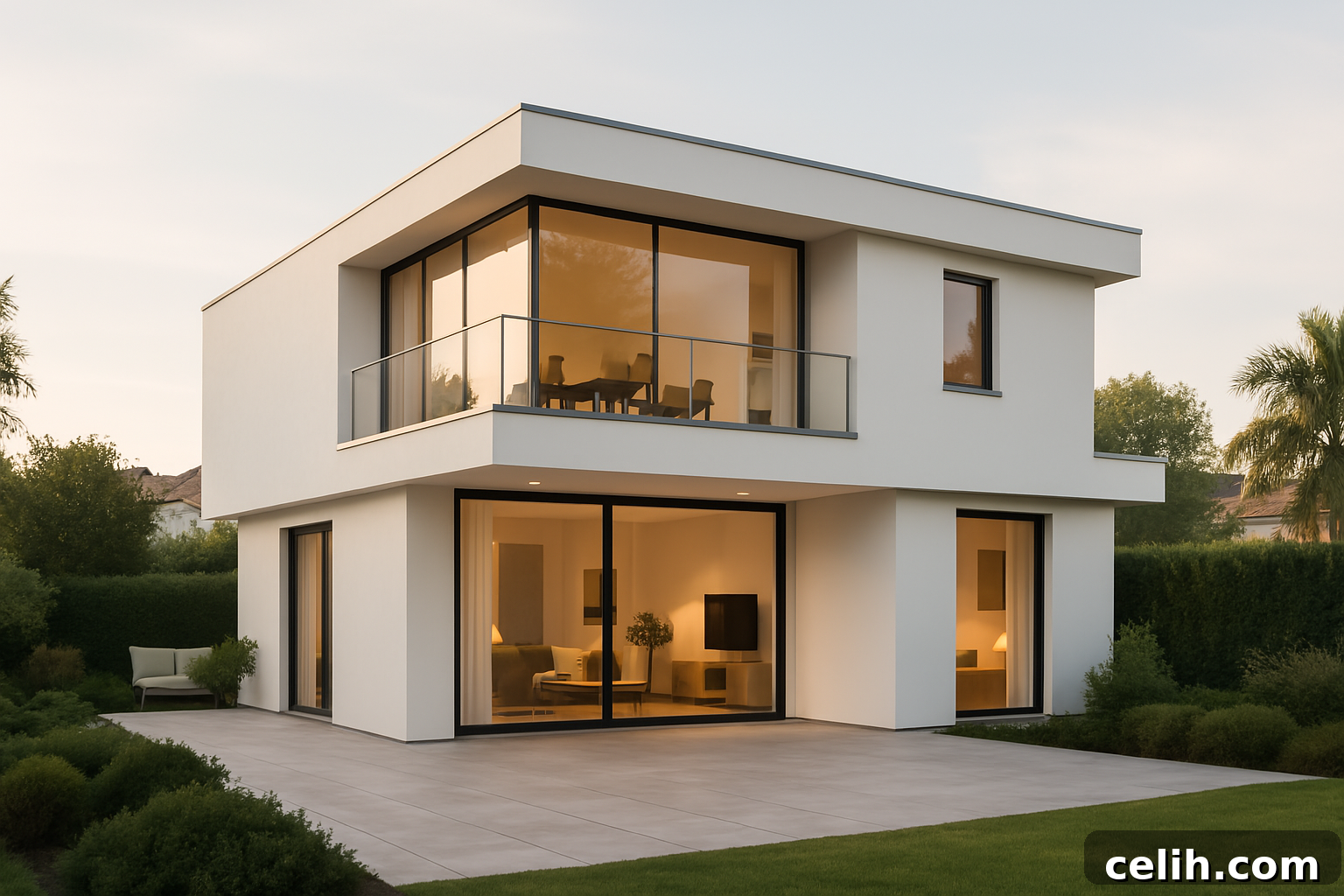
Creating a home that is ready for the future is much more than simply adding flashy gadgets; it’s about making smart, strategic upgrades that significantly enhance comfort, efficiency, and adaptability. As technology continues its rapid evolution and environmental concerns become increasingly pressing, homes that proactively embrace these changes are poised to become more sustainable, cost-effective, and highly desirable assets for years to come. Future-proofing your home means investing in a living space that not only meets your current needs but also anticipates and gracefully adapts to future demands, ensuring long-term value and an improved quality of life.
Why Future-Proofing Your Home Matters for Long-Term Value and Lifestyle
Future-proofing your home essentially means designing and upgrading it to remain functional, efficient, and valuable as your family’s needs change and technology advances. By integrating adaptable designs and smart systems, homeowners can ensure their living spaces evolve gracefully with them, significantly reducing the necessity for frequent, costly renovations down the line. This proactive approach safeguards your investment and enhances daily living.
An adaptable home is one that supports diverse life stages and unforeseen circumstances. Features such as wider doorways, adjustable countertops, and curbless showers are not just for specific needs; they accommodate everyone from growing families and individuals recovering from injuries to aging residents who wish to maintain independence. This universal design philosophy creates an inclusive environment that benefits all occupants, fostering a sense of comfort and ease throughout the home’s lifespan. Moreover, a future-proofed home often boasts higher energy efficiency, leading to substantial savings on utility bills and a reduced environmental footprint, making it more attractive to potential buyers in an increasingly eco-conscious market.
Smart Technology for Enhanced Everyday Convenience and Control
Incorporating smart technology into your home is key to unlocking enhanced efficiency, greater adaptability, and unparalleled ease in daily living. These subtle yet impactful upgrades go beyond mere novelty; they streamline routine tasks, optimize energy usage, and provide a greater sense of control over your environment, all without overwhelming your spaces with excessive gadgets. The goal is seamless integration that improves your lifestyle.
Smart Lighting and Motion Sensors for Optimized Illumination
Smart lighting systems represent a significant leap in home convenience and energy management. These intelligent systems can adapt automatically to user schedules, occupancy, and the availability of natural light, thereby minimizing energy waste and enhancing overall utility. Lights equipped with motion sensors, often seen in popular systems like Philips Hue, automatically activate when movement is detected in a room and deactivate when spaces become idle, leading to substantial energy savings. Beyond basic on/off functionality, integrating dimmers and timers offers enhanced control, allowing for custom lighting settings in each room to create specific moods, improve productivity, or even assist with sleep cycles by gradually dimming lights in the evening.
Advanced smart lighting can also offer tunable white light to mimic natural daylight patterns, supporting circadian rhythms, or provide a spectrum of colors to personalize ambiance for any occasion. These systems often connect to central smart home hubs, allowing for centralized control through a single app or voice command, making adjustments effortless. Furthermore, smart lighting can contribute to home security by simulating occupancy when you are away, deterring potential intruders.
Smart Blinds for Windows: Style, Efficiency, and Privacy
Electric smart blinds are a sophisticated addition that not only elevate a room’s aesthetic but also provide unparalleled control over natural light and privacy with the simple touch of a button or a voice command. Easily connected to your home’s smart hub, motorized smart blinds give you total command over your indoor environment, making it effortless to adjust them throughout the day. This is particularly beneficial for hard-to-reach windows or for setting automatic schedules based on sunrise and sunset. Many manufacturers specialize in creating bespoke blinds to perfectly cater to angled, shaped, and triangular windows, ensuring a custom fit and seamless integration, similar to the custom-made solutions found at https://www.sonashades.com/sonaapex/triangle-window-blinds.
Beyond convenience and style, smart blinds play a crucial role in energy efficiency. They can be programmed to close during the hottest parts of the day to reduce solar heat gain, significantly lowering cooling costs. Conversely, they can open to maximize natural light and passive heating during cooler months. This intelligent management of natural light also protects furniture and artwork from harmful UV rays. From a security standpoint, automated blinds can create the illusion of occupancy when you’re away, adding an extra layer of protection to your home.
Seamless Integration of Voice-Controlled Devices
Voice-controlled devices, such as smart speakers and displays, have revolutionized how we interact with our homes, streamlining routine tasks and vastly improving home management. These intuitive devices allow users to effortlessly control everything from lighting and smart thermostats to entertainment systems and even kitchen appliances, all using simple voice commands. Their widespread compatibility with leading platforms like Amazon Alexa and Google Assistant ensures seamless integration across a diverse ecosystem of smart devices. This hands-free control is not only a matter of convenience but also significantly enhances accessibility for individuals with mobility challenges.
Beyond basic control, modern voice assistants can provide real-time information, manage calendars, set reminders, make calls, and even facilitate intercom communication throughout the house. By creating customized routines, you can trigger multiple actions with a single phrase, such as “Good morning” to turn on lights, open blinds, and start the coffee maker. As artificial intelligence continues to advance, the capabilities of these devices are constantly expanding, making them an indispensable central component of any future-proofed smart home.
Enhancing Home Security and Safety with Smart Technologies
Incorporating smart home technologies is a powerful way to significantly strengthen your home’s security infrastructure and ensure a safer, more protected living environment for everyone. Thoughtful upgrades in this domain prioritize real-time monitoring, effective deterrence of potential threats, and seamless integration with your daily life for enhanced, proactive protection. These systems offer peace of mind whether you’re at home or away, knowing your property is continuously monitored and secured.
Smart Security Cameras and Video Doorbells for Comprehensive Monitoring
Smart security cameras and video doorbells are indispensable tools for enhancing property monitoring and perimeter defense. They offer a suite of advanced features, including high-definition video recording, sophisticated motion detection, and convenient two-way audio communication. Devices that provide real-time alerts directly to your smartphone ensure homeowners remain immediately informed of any activity around their property, whether they are at home or miles away. Many cutting-edge systems, particularly those equipped with artificial intelligence (AI) technology, are capable of intelligently differentiating between pets, recognized residents, delivery personnel, and potential intruders. This crucial capability drastically reduces the incidence of false alarms while delivering highly accurate and actionable notifications, allowing you to respond appropriately to genuine threats.
Beyond deterrence, these devices provide valuable forensic evidence in case of an incident. Cloud storage options ensure video footage is securely backed up, and some systems even offer professional monitoring services for an added layer of security. Integration with other smart home devices means your camera could trigger outdoor lights to illuminate upon motion detection, further deterring unwanted visitors.
Advanced Lock Systems for Enhanced Entryway Security
Smart locks with keyless entry capabilities significantly improve home security while adding an unparalleled level of convenience. Homeowners now have a wide array of options, including customizable PIN codes, advanced biometric scans (such as fingerprint or facial recognition), and convenient control via smartphone apps. The remote access capabilities of these systems are particularly valuable, allowing you to grant or revoke entry to guests, family members, or service providers from anywhere in the world. This feature also enables real-time monitoring of who enters or exits your home, providing a detailed activity log for complete oversight.
Many smart locks also feature auto-locking mechanisms that engage after a set period, eliminating the worry of forgetting to lock the door. Temporary access codes can be issued for specific dates and times, perfect for dog walkers, house cleaners, or short-term rentals. Integrating smart locks with your overall security system can also create comprehensive scenarios, such as disarming the alarm when the door unlocks with an authorized code, or triggering a siren if an unauthorized attempt is made.
Sustainable and Energy-Efficient Upgrades for a Greener Home
Embracing sustainable and energy-efficient upgrades is a fundamental aspect of future-proofing a home. These enhancements not only improve a home’s functionality and comfort but also drastically reduce operating costs and minimize its environmental impact. By incorporating advanced technologies and systems designed for long-term efficiency and adaptability, homeowners can enjoy a healthier living environment and contribute positively to ecological preservation.
The Transformative Benefits of Solar Panels
Solar panels are a cornerstone of renewable energy for homes, supplying clean electricity by converting sunlight directly into usable power. This significantly reduces reliance on fossil fuels and the traditional energy grid. Homes equipped with solar panels typically experience substantially lower, or even eliminated, energy bills, as the generated electricity directly offsets consumption from the grid. In many regions, homeowners can even benefit from ‘net metering’ or ‘feed-in tariffs,’ where excess electricity generated is sold back to the utility company, creating additional savings or income. Beyond the financial advantages, solar energy directly decreases carbon emissions, making a tangible contribution to environmental sustainability and combating climate change. Investing in solar panels also considerably increases a property’s market value and attractiveness to environmentally conscious buyers, offering a strong return on investment.
Advances in solar technology have made panels more efficient, aesthetically pleasing, and adaptable to various roof types and angles. Integrating solar panels with battery storage solutions further enhances energy independence, allowing homeowners to store excess energy for use during peak hours or power outages, making the home even more resilient and self-sufficient.
Efficient Heating and Cooling Solutions for Year-Round Comfort
Efficient heating and cooling systems are paramount for maintaining optimal indoor comfort without incurring excessive energy consumption. Modern solutions, such as air-source heat pumps, are incredibly versatile, extracting heat from the ambient air to provide both efficient heating in winter and effective cooling in summer. These systems consume significantly less energy than traditional furnaces and air conditioners, leading to considerable cost savings and a reduced carbon footprint. Underfloor heating, another highly efficient option, evenly distributes heat throughout a space, eliminating cold spots and enhancing comfort while reducing energy waste compared to forced-air systems. The gentle, radiant heat is particularly beneficial for allergy sufferers as it doesn’t circulate dust.
The functionality of these systems is further enhanced by smart thermostats. These intelligent devices learn user habits, anticipate comfort needs, and automatically adjust temperatures based on occupancy, external weather forecasts, and even humidity levels. Features like remote control via smartphone and zoning capabilities allow homeowners to precisely manage temperatures in different areas of the house, ensuring energy is only used where and when it’s needed. Proper home insulation and energy-efficient windows are also crucial foundational steps that maximize the effectiveness of any heating and cooling system.
Water-Saving Fixtures and Appliances for Resource Conservation
Water-saving fixtures and appliances are essential components of a sustainable home, conserving precious water resources and simultaneously reducing the energy associated with heating and pumping water. Installing low-flow showerheads and faucets can dramatically decrease water usage without compromising on pressure or performance, ensuring a satisfying experience while being eco-conscious. Dual-flush toilets optimize water consumption by offering customizable flushing options for liquid or solid waste, significantly reducing the amount of water used per flush.
Furthermore, upgrading to water-efficient dishwashers and washing machines ensures that these essential household chores are performed with minimal water consumption, without sacrificing cleaning performance. Many modern appliances are ENERGY STAR certified, indicating they meet strict energy and water efficiency guidelines. Beyond indoor fixtures, smart irrigation systems for outdoor landscaping can precisely deliver water based on weather conditions and soil moisture, preventing wasteful overwatering. Implementing greywater recycling systems, which reuse water from sinks and showers for irrigation, can also drastically reduce overall household water demand, especially in drought-prone regions. These collective efforts lead to lower utility bills and a more resilient, environmentally responsible home.
Designing Flexible and Adaptable Spaces for Evolving Lifestyles
Future-proofing a home inherently requires the creation of spaces that are inherently flexible, capable of serving multiple purposes while remaining easily adaptable to changing needs over time. By emphasizing design flexibility from the outset, homeowners can ensure their living environment gracefully evolves with its residents, maximizing functionality, convenience, and long-term satisfaction without the need for extensive and disruptive renovations. This foresight in design thinking creates a home that truly grows with you.
Maximizing Utility with Multi-Functional Rooms
Designing rooms with the intention of multiple uses significantly adds to a home’s long-term adaptability. For instance, a spare room can initially serve as a home office, then seamlessly transform into a nursery, a guest bedroom, a personal gym, or even a dedicated caregiver’s space, depending on the evolving needs of the family. The key to successful multi-functional spaces lies in incorporating flexible furniture solutions, such as foldaway desks, wall beds, modular shelving units, or expandable dining tables. These pieces enhance versatility without compromising aesthetics or creating clutter. Strategic placement of power outlets and data ports also supports varied uses. Thoughtful planning can also include movable partitions or sliding doors to quickly reconfigure open-plan areas, allowing for privacy when needed or an expansive space for entertaining.
Integrating Accessibility Features for All Ages and Abilities
Integrating universal design principles into your home ensures it remains accessible and comfortable for individuals across all life stages and abilities. Features such as wider doorways (at least 36 inches), zero-step entries at all exterior doors, and adjustable-height countertops or sinks accommodate changing mobility needs without requiring major, costly renovations later. Beyond these foundational elements, incorporating curbless showers with benches, grab bars in bathrooms, lever-style door handles, and easily reachable light switches and electrical outlets further enhances accessibility. These improvements are not solely beneficial for individuals with specific mobility challenges or those aging in place; they improve comfort and safety for all household members, from young children to seniors, by making daily tasks simpler and safer for everyone. A universally designed home is inherently a more comfortable and inclusive home.
Preparing Your Home for Remote Work Needs
With remote work becoming an increasingly permanent fixture in many professional lives, designing dedicated, adaptable workspaces within the home has become absolutely essential. Creating home offices with a strong focus on privacy, comfort, and functionality supports productivity and well-being. This involves strategic considerations such as using soundproof materials for walls and doors to minimize distractions, investing in ergonomic and customizable desks and chairs, and ensuring ample natural and artificial lighting. Reliable, high-speed internet infrastructure is non-negotiable, often requiring wired connections for critical devices. Seamless integration of smart technologies, like lighting systems that automatically adjust to natural daylight or voice-activated devices for managing tasks and schedules, ensures an efficient and focused workspace. Furthermore, thoughtful planning for cable management, dedicated power circuits for office equipment, and even small kitchenettes or water stations within the work zone can significantly enhance the remote work experience, making the home a truly productive professional environment.
Conclusion: Investing in a Smarter, More Resilient Future Home
Future-proofing your home is a holistic and strategic approach centered on thoughtful upgrades that profoundly enhance functionality, adaptability, and sustainability, all while keeping pace with rapidly evolving technology and dynamic lifestyle needs. By prioritizing smart, energy-efficient solutions and designing flexible spaces, homeowners can create living environments that offer immense long-term value, unparalleled convenience, and enduring comfort without ever sacrificing style. This proactive investment not only prepares your property for the challenges and innovations of tomorrow but also significantly improves your quality of life today. A future-proofed home is a resilient, intelligent, and sustainable sanctuary designed to thrive for generations.