
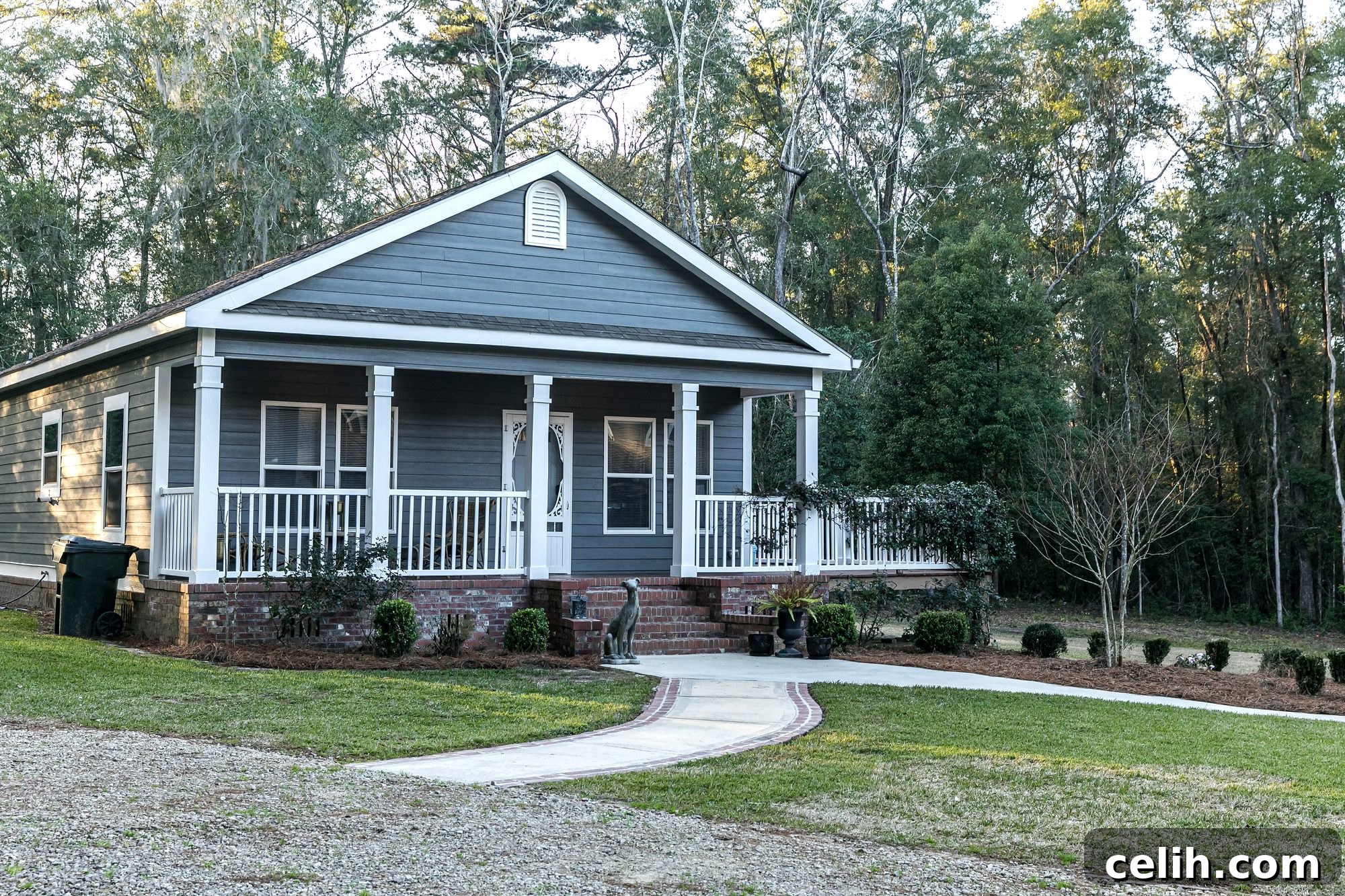
Manufactured homes have revolutionized the concept of homeownership, offering a compelling blend of affordability, efficiency, and community spirit. Far more accessible than traditional stick-built houses, these modern dwellings provide a unique opportunity for individuals and families to achieve their housing dreams without the prohibitive costs often associated with conventional real estate. Beyond their initial purchase price, manufactured homes boast a smaller environmental footprint, contributing to reduced utility bills and simpler upkeep. This makes them an increasingly attractive option, particularly for those looking to downsize, embrace a more minimalist lifestyle, or relocate to vibrant, close-knit communities where connection and convenience are paramount.
As you embark on the exciting journey of selecting your new manufactured home – meticulously choosing floor plans, design aesthetics, and the perfect location – one of the most critical decisions you’ll face pertains to its climate control system. Ensuring optimal heating and cooling is not merely about comfort; in many regions, especially the colder northern climates, it’s a fundamental necessity for safety and well-being. This is precisely why heat pumps are rapidly emerging as the preferred solution. These innovative systems offer an unparalleled combination of affordability, exceptional reliability, and the consistent, year-round comfort essential for modern living, making them an ideal choice for manufactured homeowners seeking both efficiency and peace of mind.
Why a Heat Pump is the Premier Climate Control Solution for Your Manufactured Home
The foundation of a truly comfortable and efficient manufactured home begins with informed choices – from selecting a high-quality floor plan that perfectly aligns with your lifestyle and design preferences, to finding the ideal plot of land that complements your vision. Yet, perhaps no decision impacts daily living more profoundly than your heating, ventilation, and air conditioning (HVAC) system. Given the specific construction and energy profiles of manufactured homes, investing in a climate control solution that can reliably meet diverse demands, regardless of external weather conditions, is paramount.
Among the myriad options available, heat pumps consistently stand out as the superior choice for manufactured homes. Their unique operational principles and comprehensive benefits address the core needs of modern homeowners, providing an intelligent and sustainable approach to indoor climate management. Here are the compelling reasons why a heat pump should be at the top of your list for your manufactured home:
1. Unmatched Energy Efficiency and Cost Savings
One of the most significant advantages of heat pumps for manufactured homes is their remarkable energy efficiency, which translates directly into substantial cost savings on utility bills. Unlike traditional furnaces that generate heat by burning fossil fuels or using electric resistance, heat pumps operate by simply moving heat from one place to another. In winter, they extract heat from the outside air (even in freezing temperatures) and transfer it indoors. In summer, the process reverses, pulling heat from inside your home and releasing it outdoors, effectively acting as an air conditioner. This heat transfer mechanism is far more efficient than heat generation, requiring significantly less electricity to achieve desired temperatures.
Modern heat pumps boast impressive Seasonal Energy Efficiency Ratio (SEER2) and Heating Seasonal Performance Factor (HSPF2) ratings, which are crucial indicators of their efficiency. A higher SEER2 rating denotes greater cooling efficiency, while a higher HSPF2 indicates superior heating efficiency. By choosing a high-rated heat pump, homeowners can drastically reduce their energy consumption, leading to lower monthly bills and a reduced carbon footprint. Many governmental and local energy programs also offer incentives, rebates, and tax credits for installing high-efficiency heat pumps, further enhancing their long-term value and accelerating the return on your initial investment.
2. Significant Increase in Home Value and Market Appeal
Investing in a high-efficiency heat pump system for your manufactured home is not just about immediate comfort and savings; it’s a strategic decision that can significantly enhance its market value and appeal to prospective buyers. Today’s homebuyers are increasingly discerning, prioritizing homes that are not only aesthetically pleasing and well-maintained but also equipped with modern, energy-efficient infrastructure. A heat pump signals a commitment to sustainability, lower operating costs, and advanced comfort technology – features that are highly sought after in the competitive real estate market.
While the initial upfront investment for a quality heat pump system typically ranges between $4,200 and $7,600, this expenditure is often recouped through reduced energy bills and a higher resale value. Studies have shown that energy-efficient upgrades, particularly those related to HVAC, can increase a home’s appraisal value and facilitate quicker sales. By demonstrating lower ongoing utility costs and providing year-round comfort through a single, integrated system, a heat pump makes your manufactured home stand out as a smart, modern, and desirable property, attracting a wider pool of environmentally conscious and budget-savvy buyers.
3. Comprehensive Year-Round Comfort from a Single System
One of the most compelling advantages of a heat pump is its ability to provide complete climate control throughout the year, seamlessly transitioning between heating and cooling modes. This dual functionality eliminates the need for separate heating and air conditioning units, simplifying your home’s HVAC infrastructure and offering unparalleled convenience. Whether it’s the bitter cold of winter or the oppressive heat of summer, a heat pump ensures that your manufactured home remains a sanctuary of consistent, comfortable temperatures.
Consider the varying climates across North America. In regions like Washington state, where winter temperatures can regularly dip into the 20s and 30s Fahrenheit during evening hours, a reliable and efficient heating source is indispensable. A heat pump rises to this challenge, drawing sufficient heat from the outside air to keep your home warm without excessive energy consumption or the risk of overheating. Conversely, during sweltering summer months, the system efficiently extracts heat from indoors, ensuring a cool and refreshing environment. Many modern heat pumps, especially cold-climate models, are engineered to perform effectively even when outdoor temperatures drop well below freezing, offering robust heating performance precisely when you need it most. This adaptive capability means you can enjoy precise temperature control and consistent comfort, regardless of the season or external weather extremes.
4. Enhanced Indoor Air Quality and a Healthier Living Environment
Beyond temperature regulation, heat pumps play a crucial role in maintaining a healthier indoor environment within your manufactured home. By continuously circulating and filtering the air, these systems actively work to reduce the presence of airborne pollutants such as dust, pollen, pet dander, and other allergens. Modern heat pumps can be equipped with advanced filtration systems, including high-MERV (Minimum Efficiency Reporting Value) filters, which capture a wider range of microscopic particles, ensuring cleaner and fresher air throughout your living space.
This improved air quality is particularly beneficial for individuals or family members who suffer from allergies, asthma, or other respiratory sensitivities. By minimizing irritants, a heat pump can significantly alleviate symptoms and contribute to a better quality of life. Furthermore, many heat pumps also offer humidity control, dehumidifying the air during humid summer months to prevent mold and mildew growth, and some advanced models even feature humidification capabilities for drier winter climates. From an environmental perspective, heat pumps are recognized for contributing to a 20% reduction in greenhouse gas emissions compared to traditional gas boilers, aligning your home’s comfort with global sustainability efforts. Thus, a heat pump not only purifies the air you breathe daily but also contributes positively to the broader environment.
5. Low Maintenance Requirements and Long-Term Reliability
One of the inherent appeals of manufactured home living is its often simplified maintenance compared to larger, older conventional homes. Heat pumps align perfectly with this philosophy, offering relatively low maintenance requirements when compared to separate furnace and air conditioning units. Their integrated design and efficient operation often translate to fewer mechanical stresses and, consequently, fewer breakdowns and costly repairs over time.
Routine maintenance for a heat pump typically involves simple tasks such as regularly cleaning or replacing air filters, ensuring the outdoor unit (condenser) is clear of debris, and scheduling an annual professional tune-up. These professional check-ups ensure that the refrigerant levels are correct, coils are clean, and all components are functioning optimally, extending the lifespan of the unit and maintaining its efficiency. This reduced need for frequent, complex interventions means you can enjoy consistent, reliable climate control with greater peace of mind, freeing up more of your time and resources to enjoy your manufactured home and community rather than worrying about HVAC upkeep.
Navigating the Selection Process: Key Considerations for Your Manufactured Home Heat Pump
Choosing the ideal heat pump for your manufactured home requires careful consideration of several crucial factors to ensure you invest in the most efficient, effective, and appropriately sized system for your specific needs. The market offers a range of options, and making an informed decision will significantly impact your long-term comfort and operational costs.
Firstly, prioritize **efficiency ratings**. Look for systems with high Seasonal Energy Efficiency Ratio (SEER2) and Heating Seasonal Performance Factor (HSPF2) ratings. As previously mentioned, these metrics indicate how effectively the unit converts electrical energy into heating and cooling output. Higher numbers generally mean greater energy savings over time. Additionally, consider the Energy Efficiency Ratio (EER2) for cooling in peak conditions. These ratings are vital for understanding the true operational cost of the unit.
Understanding the **functionality and type** of heat pump is also a must. While air-source heat pumps are the most common for manufactured homes, consider ductless mini-split systems for homes without existing ductwork or for zoning specific areas. Ensure the model you choose is designed to handle the typical climate in your area, particularly if you live in a region with extreme cold, where cold-climate heat pumps are engineered for enhanced performance at lower temperatures.
Crucially, selecting the **right size** of heat pump is paramount. An undersized unit will struggle to heat or cool your home adequately, running constantly and inefficiently. Conversely, an oversized unit will short-cycle, turning on and off too frequently, which wastes energy, creates uneven temperatures, and puts unnecessary wear and tear on components. For most manufactured homes, which typically range from 1,000 to 2,000 square feet, a system providing between 24,000 and 36,000 BTUs (British Thermal Units) should be sufficient. However, this is a general guideline; a professional HVAC technician will perform a Manual J load calculation to accurately determine the precise heating and cooling requirements based on factors like your home’s insulation, windows, climate zone, and ceiling height.
Beyond efficiency and sizing, consider **noise levels**. Modern heat pumps are significantly quieter than older models, but specifications can vary between brands. If quiet operation is a priority, especially for outdoor units near living spaces, check the decibel ratings. Look into **smart features** such as Wi-Fi enabled thermostats, programmable settings, and zoning capabilities that offer greater control and convenience. Finally, research **brand reputation and warranty options**. Choosing a reputable manufacturer known for quality and customer support, coupled with a comprehensive warranty on parts and labor, provides added assurance for your long-term investment.
The Critical Importance of Professional Installation and Optimal Timing
While the allure of a DIY approach might seem tempting for some manufactured home improvements, installing a heat pump system is unequivocally a job for certified professionals. The complexity of these integrated systems, involving refrigerant lines, electrical connections, ductwork integration (or careful placement of mini-split units), and precise calibration, necessitates expert knowledge and specialized tools. Attempting a self-installation can lead to severe safety hazards, including electrical fires or refrigerant leaks, and will almost certainly void your warranty, compromise system efficiency, and result in costly repairs down the line.
The best course of action is to **work closely with your manufactured home dealer or a qualified HVAC contractor** specializing in manufactured home installations. Often, heat pump systems can be installed when your home is delivered and set up, ensuring seamless integration from day one. Professional installers will perform a comprehensive site assessment, conduct the necessary load calculations (Manual J), select the appropriately sized unit, and ensure all components are installed according to manufacturer specifications and local building codes. This guarantees that your new heat pump operates at peak efficiency, provides reliable comfort, and meets all safety standards.
Furthermore, timing your heat pump installation strategically can offer additional benefits. While it’s possible to install a heat pump at any time of year, scheduling it during the **spring, summer, or fall** is generally recommended. This allows you to avoid the rush of emergency service calls that HVAC companies experience during peak winter and summer seasons, potentially securing better scheduling flexibility and pricing. More importantly, installing before the harsh winter or sweltering summer ensures that your manufactured home is fully prepared to provide optimal comfort precisely when extreme weather hits. This proactive approach ensures you’re ready for whatever the climate throws your way, enjoying the benefits of your efficient new system from the moment it’s needed most.
In conclusion, a heat pump represents a wise and forward-thinking investment for any manufactured homeowner. Its multifaceted benefits – from superior energy efficiency and substantial cost savings to enhanced indoor air quality, increased home value, and year-round comfort – make it the ultimate climate control solution. By choosing the right system and ensuring professional installation, you not only secure a comfortable and healthy living environment but also contribute to a more sustainable future, solidifying your manufactured home as a truly modern and desirable dwelling.