
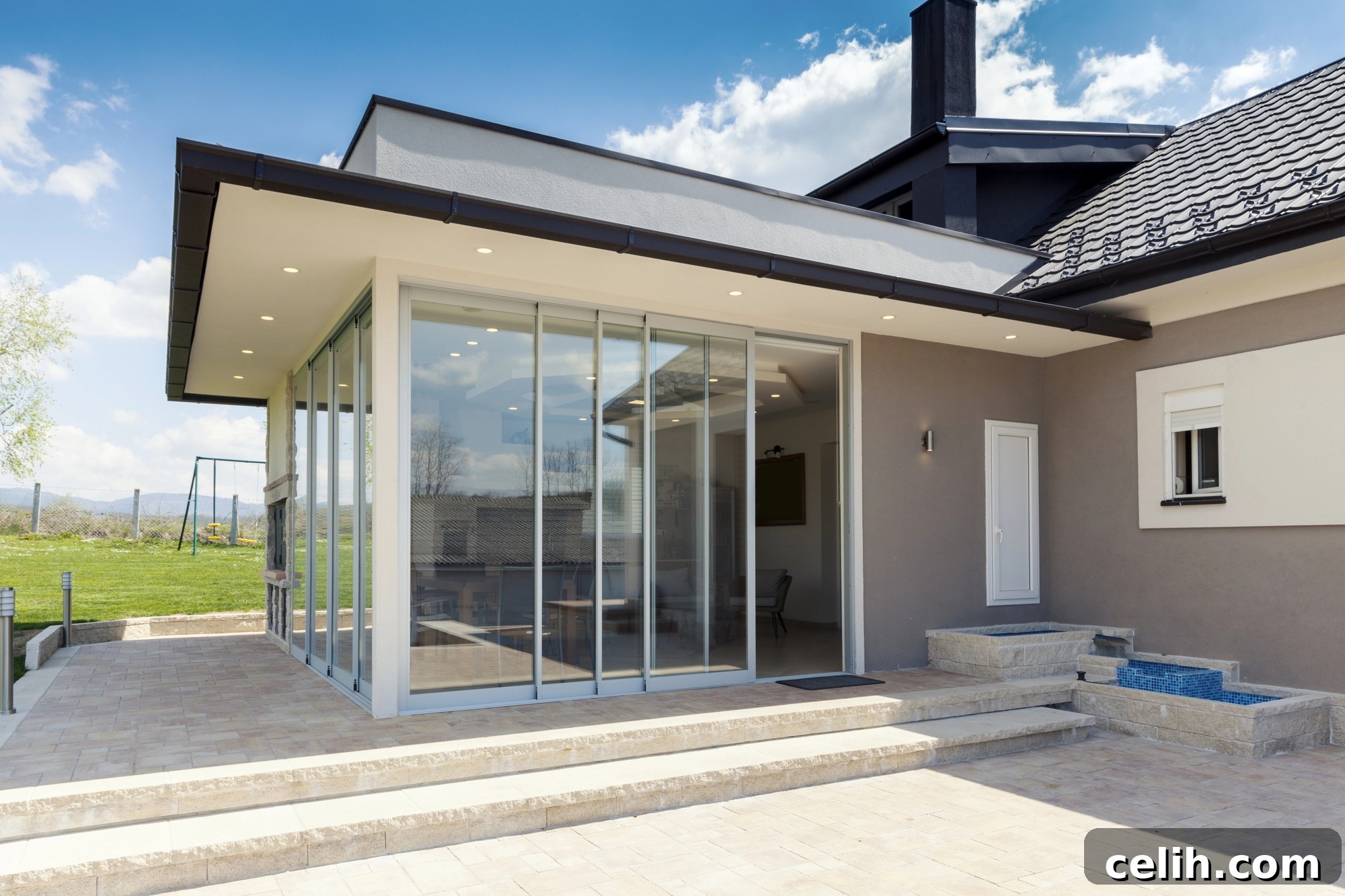
In the realm of modern architecture, the interplay between functionality and visual appeal is paramount. Buildings are no longer merely structures; they are statements, designed to either stand out as iconic landmarks or to gracefully integrate with their surroundings. The materials chosen for construction play a pivotal role in achieving these diverse architectural visions, and among them, aluminum systems have emerged as a frontrunner due to their exceptional versatility and transformative impact on a building’s image.
Selecting Aluminum Windows and Doors for Unparalleled Visual Appeal and Performance
When considering popular building materials, aluminum consistently distinguishes itself from traditional options like wood, UPVC, and other metals or composites. Its array of benefits extends far beyond mere aesthetics, encompassing critical aspects of building performance and sustainability. Aluminum excels in regulating interior temperatures, contributing significantly to energy efficiency, and offers robust security features. Furthermore, its manufacturing process is remarkably straightforward, aligning perfectly with sustainable building practices and a circular economy ethos. Beyond these functional advantages, aluminum truly shines in the myriad of aesthetic design options it presents to architects and designers.
Leading innovators in aluminum solutions, such as Aluprof, have meticulously engineered their systems to provide comprehensive solutions for both new constructions and renovation projects. Their extensive product range includes cutting-edge windows, doors, sophisticated facade systems, modern sunshades, elegant pergolas, and much more. These systems are designed to cater to virtually any architectural requirement, offering unparalleled flexibility and quality.
The inherent properties of aluminum make it exceptionally easy to fabricate, allowing for incredible design freedom. It can be precision-cast in a wide spectrum of thicknesses, roll-formed into intricate shapes, meticulously drawn, accurately stamped, precisely milled, and subjected to a host of other advanced manufacturing processes. This malleability is a key factor in its widespread adoption in contemporary architectural design. But the customization doesn’t stop there. Aluminum can be finished in countless ways to achieve specific visual and tactile effects. Options include polishing for a sleek, reflective surface, sandblasting for a matte or textured look, and wire brushing to enhance its metallic grain. Even in its natural, unfinished state, aluminum offers excellent functionality and a distinct industrial aesthetic.
For enhanced durability, protection, and customized appearance, aluminum can undergo various chemical treatments, be painted in virtually any color, or be anodized. Anodizing is an electrochemical process that significantly increases the corrosion resistance and wear resistance of the aluminum surface while allowing for a wide range of colored finishes that are integral to the metal, rather than just a coating. Further electrochemical processing can be applied to truly fine-tune its look, durability, and overall feel, empowering architects to create truly unique and lasting impressions.
Unlocking Architectural Potential: Aesthetic and Functional Dimensions of Aluminum Systems
When exploring the aesthetic components of aluminum systems, architects and designers must consider every detail, from robust solid doors and elegant window frames to their intricate fixtures, fittings, and even complementary elements like glass. The remarkable truth is that aluminum maintains its high functionality and exceptional durability, regardless of the specific system or design aesthetic chosen for installation. The primary decision then revolves around the desired architectural statement: whether to achieve a sleek, ultra-modern feel, seamless integration with existing structures or the natural environment, or a completely bespoke design that reflects a unique vision.
The durability of aluminum is particularly noteworthy. It is naturally resistant to corrosion, rust, and degradation from UV rays, making it an ideal choice for challenging climates and coastal environments. This inherent resilience translates into minimal maintenance requirements over the building’s lifespan, offering significant long-term cost savings and reducing the environmental impact associated with frequent repairs or replacements. Unlike wood, aluminum does not warp, rot, or succumb to insect infestation, ensuring its aesthetic integrity and structural performance remain uncompromised for decades.
Furthermore, aluminum’s superior strength-to-weight ratio allows for the creation of incredibly slender frames, maximizing the glazed area in windows and doors. This capability enables architects to design expansive glass openings that flood interiors with natural light, blurring the lines between indoor and outdoor spaces and offering unobstructed views. Such designs not only enhance the visual appeal of a building but also contribute to occupant well-being and reduce the need for artificial lighting during daylight hours, further improving energy efficiency.
In terms of thermal performance, modern aluminum window and door systems incorporate advanced “thermal break” technology. This innovation involves inserting a non-conductive material between the inner and outer aluminum profiles, effectively interrupting the path of thermal energy transfer. This significantly reduces heat loss in colder climates and heat gain in warmer ones, leading to lower energy consumption for heating and cooling. This commitment to energy efficiency makes aluminum a cornerstone material for sustainable building design, contributing to LEED certification and other green building standards.
The versatility of aluminum also extends to its application in large-scale facade systems. Curtain walls and structural glazing made from aluminum allow for breathtaking, transparent building envelopes that become defining features of urban skylines. These systems not only provide excellent thermal and acoustic insulation but also offer flexibility in design, enabling complex geometries, curved facades, and dynamic visual effects. Integrated sunshades (brise-soleils) and pergolas, also crafted from aluminum, serve a dual purpose: they enhance the architectural character of a building while providing essential solar control, reducing glare and preventing excessive heat gain, especially in sunny regions.
Companies like Aluprof stand at the forefront of this technological revolution. As a recognized market innovator, they continuously leverage the latest cutting-edge technology and research and development to bring advanced aluminum systems to the global market. Their unwavering commitment to producing only the highest quality products is backed by rigorous international industry certifications, ensuring that their solutions are not only aesthetically pleasing and functionally superior but also entirely trustworthy and compliant with the most stringent building standards. By choosing such advanced aluminum systems, architects and developers can confidently create structures that are beautiful, sustainable, secure, and built to last.