
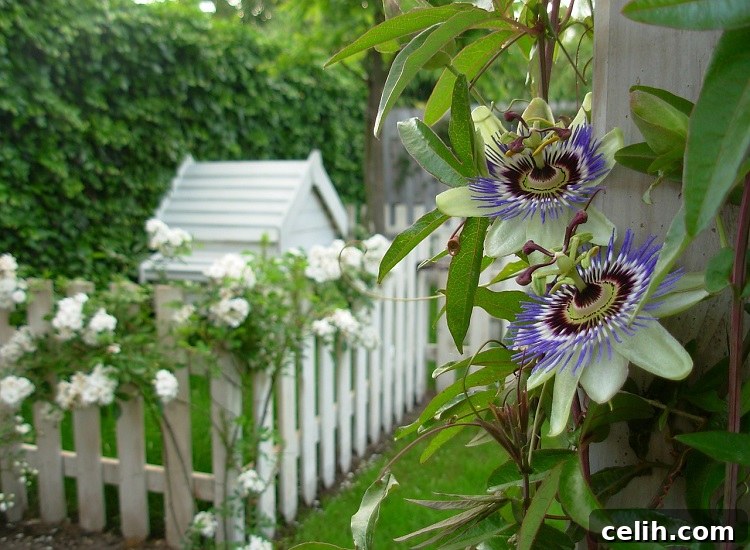
The concept of ‘zoning,’ long a staple in interior design, has transcended the thresholds of our homes and is now revolutionizing how we perceive and utilize our outdoor spaces. Just as an interior designer might employ a strategically placed screen to carve out a dedicated study nook within a larger living room, garden designers are now skillfully applying these principles to create multifaceted, highly functional, and aesthetically pleasing outdoor environments. This innovative approach helps homeowners maximize the potential of every square foot, transforming a simple backyard into a series of distinct, purposeful ‘outdoor rooms.’ Whether you possess a sprawling country estate or a modest urban balcony, garden zoning offers an ingenious solution for efficient space utilization, effective clutter reduction, and an improved sense of focus and tranquility within your personal green oasis.
Far from being a trend exclusive to grand landscapes, the power of garden zoning truly shines in smaller gardens, where every inch counts. It empowers you to infuse multiple uses into even the most compact areas, ensuring that your garden serves all your needs, from relaxation and entertainment to practical gardening and play. The beauty of this design philosophy lies in its adaptability; you can craft zones according to any criteria you desire, reflecting your unique lifestyle, aesthetic preferences, and practical requirements. By embracing garden zoning, you’re not just dividing space; you’re unlocking its full potential, creating a dynamic and engaging outdoor narrative that enhances your quality of life.
Defining Your Outdoor Canvas: How to Create Functional Garden Zones
The journey to a beautifully zoned garden begins with a thoughtful assessment of your needs and desires. Start by envisioning how you wish to interact with your outdoor space. Do you dream of tranquil mornings amidst blooming flowers, lively evenings hosting friends, or a vibrant playground for children? Once you clarify your primary functions, you can begin to choose your specific zones. Common examples include a dedicated flower garden, an inviting outdoor dining area, a safe and engaging play space for the children, a serene rockery, a cool shaded retreat, a lush lawn for recreation, or a structured shrubbery for architectural interest. Consider your current lifestyle and future aspirations to determine which ‘outdoor rooms’ will best serve your household.
Once your desired zones are identified, the next step involves strategically delineating these areas. This can be achieved through both distinct physical markers and more subtle visual transitions, each contributing to the overall aesthetic and functionality of your garden. Physical dividers, such as neatly trimmed hedges, robust tall bushes, or elegant trellises adorned with climbing plants, offer clear separation and can also provide privacy or wind protection. For a more understated approach, visual cues like a change in paving materials—perhaps transitioning from smooth patio slabs to decorative gravel or a soft lawn—can effectively mark the boundaries without imposing hard structures. The key is to create a sense of distinctness while maintaining a harmonious flow throughout the garden.
Don’t view an awkward garden shape as a hindrance; instead, embrace it as an opportunity for creative zoning. A tapering end, a secluded alcove, or an unusual corner can be transformed into a charming secret garden, a cozy reading nook, or a unique display area. Incorporating these natural quirks into your plan adds character and makes your garden truly unique. For long, narrow garden plots, a common challenge, consider designing a gently curving path that meanders along its length. This not only invites exploration but also visually breaks up the linear expanse, creating a sense of depth and making the space feel more expansive and appealing than a straight, unwavering line.
Mastering Your Garden Zoning Project: Planning and Execution
With your desired zones mapped out, the critical next phase is detailed project planning. Begin by conducting a thorough inventory of any existing features you intend to retain or integrate. This might include majestic mature trees, established shrubs, or essential structures like garden sheds. Decide whether these elements should be prominently featured, subtly incorporated, or thoughtfully screened from view. For instance, a dining area is often best positioned as close to the house as practical, minimizing the effort required to transport food and tableware across the garden. Conversely, quaint little sitting areas or reading nooks can be tucked into almost any corner, providing intimate spots for quiet reflection.
Always factor in the need for shade, especially in sunnier climates or for south-facing gardens. This can be achieved through flexible solutions like a portable parasol, or more permanent structures such as strategically planted trees, a charming pergola covered with climbing vines, or a custom-built canopy. Shade not only provides comfort but also creates a distinct microclimate, allowing for a broader range of plant choices.
One of the most effective and aesthetically pleasing ways to differentiate between zones is through the deliberate use of varying materials and textures. Think of your garden floor as a canvas where you can introduce diverse elements to define each space. Employ gravel for a Mediterranean-inspired seating area, smooth paving stones for an elegant pathway, lush grass for a play zone, warm decking for an outdoor lounge, or stylish tiles for an al fresco kitchen. The interplay of these materials adds rich visual interest and tactile variation, guiding the eye and enhancing the sensory experience of your garden.
Beyond horizontal surfaces, incorporating different levels adds dynamic depth and sophistication to your design. Raised decking areas can elevate a dining space, creating a platform with a commanding view, while a sunken patio or an integrated pond or cooking area can create an intimate, secluded feel. These changes in elevation are not just visually engaging; they also help to reinforce the boundaries and distinct character of each zone, making your garden feel larger and more intricately designed.
Illuminating Your Outdoor Zones: The Art of Garden Lighting
As you meticulously plan your garden zoning project, never overlook the transformative power of lighting. Thoughtful illumination is not merely practical; it is an indispensable element for both delineating the edges of your carefully crafted zones and for conjuring specific atmospheres as day transitions into night. Imagine the subtle glow of uplighters positioned at the base of mature shrubs, casting dramatic shadows and highlighting the unique forms of your planting. This not only defines the boundaries of a particular zone but also adds a theatrical elegance to your evening garden.
Functional lighting is essential for pathways, steps, and dining areas, ensuring safety and usability after dark. However, it’s the atmospheric lighting that truly brings a zoned garden to life. String lights can create a festive canopy over an entertainment zone, solar-powered lanterns can softly illuminate a quiet reading nook, and accent lights can draw attention to a prized sculpture or a vibrant flowerbed. By layering different types of lighting, you can create depth, focus, and a magical ambiance that encourages extended enjoyment of your outdoor rooms.
For those blessed with particularly expansive or uniquely shaped gardens, or if the prospect of orchestrating such a comprehensive transformation feels daunting, enlisting professional expertise can be an invaluable investment. Experienced garden designers possess a wealth of knowledge and creativity, often proposing innovative solutions and design elements you might never have considered. They can expertly navigate complex topographical challenges, optimize plant selection for your specific environment and microclimates, and ensure that your zoned garden is both stunning and sustainable.
However, for smaller projects, or if you prefer a hands-on, DIY approach, meticulous planning is paramount. Begin by sketching out all your proposed zones on paper, experimenting with different layouts and boundary definitions. Thoroughly consider all practical issues—such as drainage, access to water, electrical outlets, and sun exposure—before lifting a single shovel. While garden zoning promises to be incredibly rewarding and result in a breathtaking outdoor sanctuary, a poorly conceived plan can lead to an inconvenient or impractical layout. Therefore, taking the time to think through every detail and visualize the finished space will ensure your zoned garden is not only beautiful but also perfectly suited to your needs, truly becoming an extension of your home and lifestyle.
All images: Pixabay